In a significant move to ensure consumer and animal safety, Portland-based pet food manufacturer Northwest Naturals has announced a voluntary recall of specific batches of its raw chicken-based pet food products. The recall, triggered by the discovery of Salmonella and Listeria monocytogenes contamination, impacts both feline and canine diets distributed to retail outlets across the United States.
While no illnesses in pets or humans have been reported to date, the scope of the recall—totaling nearly 2,000 pounds of product—underscores the ongoing challenges of maintaining safety standards in the raw pet food industry. This article outlines the specifics of the recall, the health risks associated with the identified pathogens, and the stringent safety protocols owners must follow when handling raw pet diets.
Main Facts: The Scope of the Recall
Northwest Naturals is currently recalling two specific product lines due to concerns regarding potential bacterial contamination. The products involved in this voluntary action are:
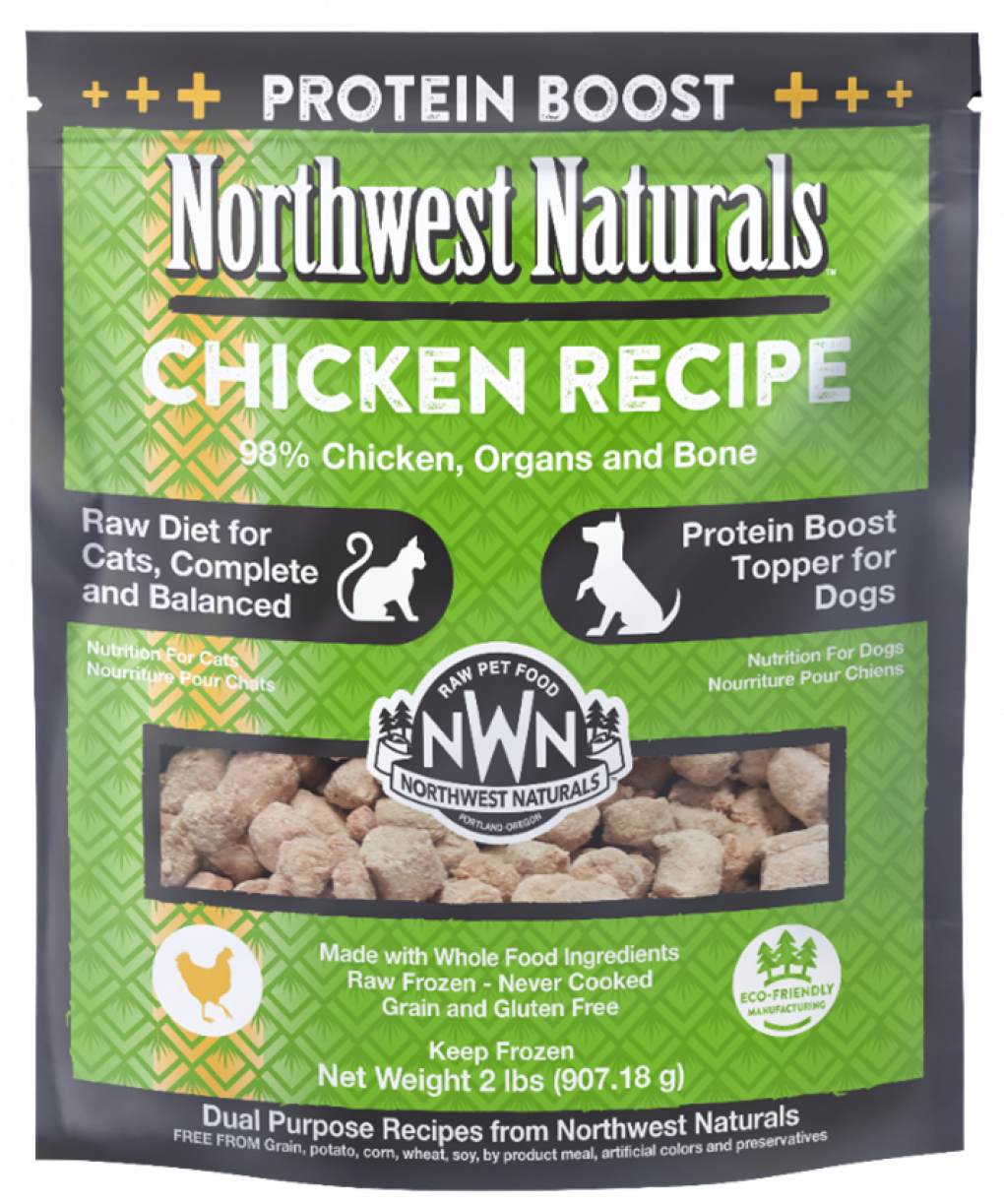
- Northwest Naturals Frozen Chicken Recipe (Cat Food): A total of 53 cases, representing approximately 1,272 lbs. of product, packaged in 2 lb. bags.
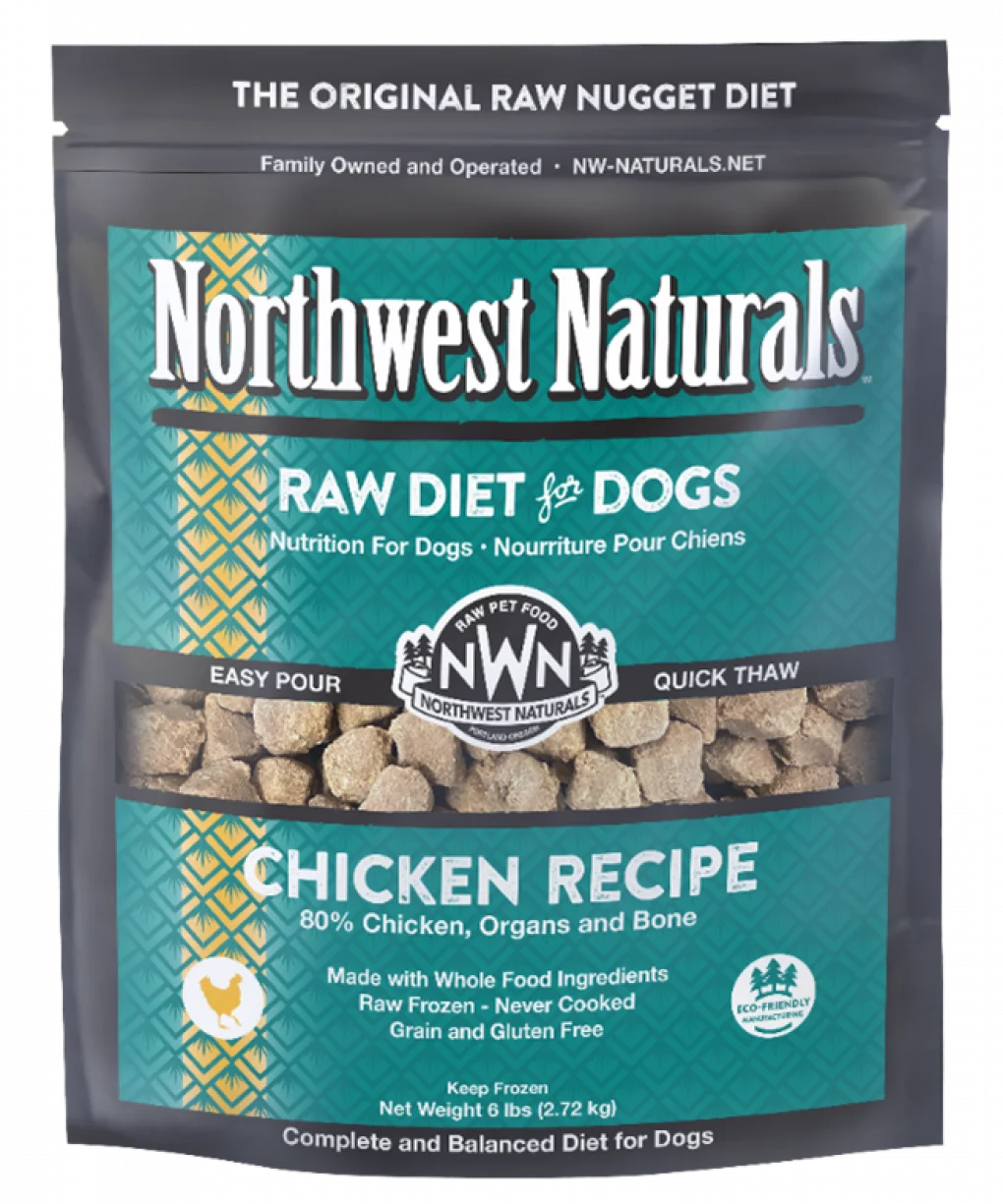
- Northwest Naturals Frozen Raw Diet for Dogs (Chicken Recipe): A total of 19 cases, representing approximately 684 lbs. of product, packaged in 6 lb. bags.
These products were distributed nationwide through retail channels. The contamination was not identified by a consumer complaint, but rather through proactive testing conducted by the U.S. Food and Drug Administration (FDA). Laboratory results confirmed that the cat food tested positive for Salmonella, while the dog food tested positive for both Salmonella and Listeria monocytogenes.
Consumers are urged to immediately cease feeding these specific products to their pets. If you have purchased these items, you are advised to return the unused portion to the retailer where it was purchased for a full refund.
Chronology of the Discovery
The discovery of these pathogens is part of the FDA’s ongoing surveillance program for pet food safety. The timeline of this recall underscores the importance of regulatory oversight in the pet supply chain:
- Surveillance: The FDA collected samples of Northwest Naturals products from various retail locations as part of routine safety monitoring.
- Laboratory Analysis: The samples were sent to FDA-certified laboratories for rigorous pathogen screening.
- Positive Identification: Analysis confirmed the presence of Salmonella in the cat food and both Salmonella and Listeria monocytogenes in the dog food.
- Manufacturer Cooperation: Upon notification of the positive test results, Northwest Naturals initiated a voluntary recall to remove the affected lots from the supply chain, working in tandem with federal regulators.
- Public Notification: The company and the FDA issued official press releases to alert retailers and pet owners, ensuring the widest possible reach for the safety notice.
Supporting Data: Understanding the Pathogens
The risk associated with this recall is twofold: it affects the health of the pets consuming the food and poses a direct threat to the humans handling it.
Salmonella: The Gastrointestinal Threat
Salmonella is a genus of bacteria that can cause serious infections in both humans and animals. In humans, the primary symptoms of infection include nausea, vomiting, diarrhea (which may be bloody), abdominal cramping, and fever.

While many healthy individuals recover from Salmonella without the need for medical intervention, the pathogen can be dangerous for vulnerable populations. In severe cases, the bacteria can escape the intestinal tract and enter the bloodstream, potentially leading to arterial infections, endocarditis, arthritis, eye irritation, and persistent urinary tract issues.
Listeria Monocytogenes: The Silent Hazard
Listeria monocytogenes is a more resilient and potentially fatal pathogen. While human illness from Listeria is statistically rarer than Salmonella, the consequences can be catastrophic.
Symptoms of Listeria infection include confusion, loss of balance, and convulsions, often accompanied by the standard suite of flu-like symptoms: fever, muscle aches, lethargy, and nausea. The risk is significantly elevated for pregnant women, newborns, the elderly (65+), and those with compromised immune systems. For pregnant women, Listeria is particularly dangerous, as it can cross the placental barrier and lead to miscarriage, stillbirth, or premature delivery.
Implications for Pet Owners and Veterinary Health
The implications for pet owners go beyond simply checking their freezers for the recalled bags. There is a need for vigilance regarding pet health and household sanitation.
Identifying Pet Symptoms
Pets that consume contaminated food may not always show immediate signs of illness, but when they do, symptoms can include:
- Lethargy and weakness
- Persistent diarrhea or bloody stools
- Vomiting
- Decreased appetite
- Fever and abdominal pain
Crucially, pets can act as asymptomatic carriers. Even if a pet appears healthy, they may shed the bacteria in their feces, creating a secondary risk for the humans in the household. If your pet has consumed the recalled product and exhibits any of the aforementioned symptoms, you should contact your veterinarian immediately for guidance.
Household Safety Protocols
The FDA emphasizes that the risk to humans is often linked to improper handling of the raw product rather than just the direct consumption by the pet. When handling raw pet food, consumers should adhere to the following safety hierarchy:
- Hand Hygiene: Wash hands thoroughly with warm water and soap for at least 20 seconds after every contact with the raw food, the pet’s bowl, or the storage container.
- Surface Sanitation: Any surface—including countertops, cutting boards, and refrigerators—that has come into contact with the raw food must be sanitized. A mixture of bleach and water or a food-safe commercial sanitizer is recommended.
- Cross-Contamination Prevention: Keep raw pet food physically separate from human food at all times. Use dedicated utensils and bowls for pet feeding that are washed separately from human dishware.
- Storage: Keep raw products frozen or refrigerated until the exact moment of use. Never allow raw food to thaw at room temperature on a kitchen counter.
Official Responses and Manufacturer Support
Northwest Naturals has demonstrated a commitment to transparency by cooperating fully with the FDA’s findings. In their official communication, the company has provided a direct line for concerned customers to resolve issues and ask questions.
Contact Information for Consumers:
- Phone: 1-866-637-1872
- Hours of Operation: Monday through Thursday, 8:00 a.m. to 4:00 p.m. Pacific Time.
By facilitating a full refund policy, the manufacturer aims to mitigate the financial burden on consumers while ensuring that as much of the contaminated product as possible is removed from homes.
The Broader Context: Raw Diet Safety
This recall brings to the forefront the long-standing debate regarding raw pet food diets. Proponents argue that raw diets mimic the ancestral eating habits of dogs and cats, offering improved digestion and coat health. However, the FDA and the American Veterinary Medical Association (AVMA) have consistently raised concerns about the inherent risks of feeding raw animal proteins, which are naturally prone to harboring pathogenic bacteria.
Because raw diets are not processed with the same heat-treatment methods as kibble (which kills most pathogens), the responsibility for safety falls heavily on the manufacturer’s supply chain and the consumer’s handling practices. This specific recall serves as a critical reminder that even with reputable brands, the inherent risks of raw, unpasteurized ingredients remain.
Future Prevention
For the pet food industry, this event is a signal to bolster quality control measures, including more frequent third-party testing and more stringent supplier vetting. For the consumer, it is a reminder to remain informed. Pet owners should regularly check the FDA’s official recall database and sign up for alerts from their preferred pet food manufacturers.
As the industry moves forward, the primary goal remains the same: ensuring that the bond between humans and their pets is not compromised by avoidable foodborne illness. If you are in doubt about the safety of your current pet food supply, do not hesitate to reach out to your veterinarian for a consultation on safe feeding practices.
For the most current information, including specific lot codes and product labels, please refer to the official FDA recall notice found at www.fda.gov.