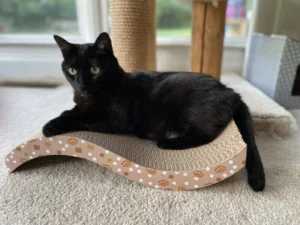

To the uninitiated, the rhythmic, low-frequency rumble of a cat’s purr is synonymous with domestic bliss. It is the quintessential sound of a feline curled contentedly on a sunlit windowsill or kneading a soft blanket. However, animal behaviorists and veterinary researchers have long understood that this auditory phenomenon is far more than a mere barometer for happiness. It is a complex, multi-functional, and biologically sophisticated tool that cats utilize for communication, self-regulation, and even physical restoration.
Main Facts: The Anatomy of a Mystery
While the exact mechanism of the purr remains a subject of ongoing scientific inquiry, the prevailing consensus among experts is that the sound originates in the brain. A rhythmic, repetitive neural oscillator sends signals to the muscles of the larynx (the voice box). These muscles twitch at a rate of 25 to 150 hertz, causing the glottis to open and close rapidly. This action allows air to vibrate with every inhale and exhale, producing the signature sound we recognize as a purr.
Crucially, the purr is not a "vocal" sound in the traditional sense, as it does not rely on vocal cord tension in the way meowing or growling does. This explains why a cat can purr continuously, even while breathing. But why evolve such a specialized mechanism? The answer lies in the survival advantages provided by this low-frequency vibration.
Chronology: A Lifelong Companion
The utility of the purr is not reserved for adulthood; it begins almost as soon as a kitten draws its first breath.
Infancy and the Maternal Bond
Kittens are born blind and deaf, leaving them entirely dependent on their mother for survival. Within days of birth, kittens begin to purr. This early vocalization acts as a homing beacon. It allows the mother to locate her offspring and ensures that the kittens can find their way to the nursing source. In these first few weeks, the purr is a vital survival mechanism, facilitating the bonding process that is essential for the health and development of the litter.
Adulthood: From Social Signaling to Self-Regulation
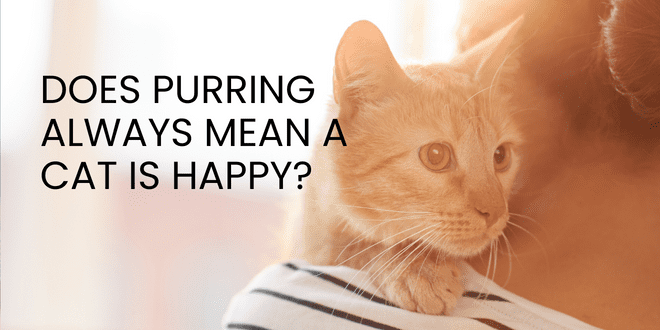
As the cat matures, the purr evolves into a nuanced form of communication. While owners often interpret the sound as an invitation for affection, it is frequently a request for resources—such as food or attention—or a social "hello." However, as the cat encounters the stresses of adulthood, the purr transforms from a social tool into an internal management system.
Supporting Data: Purring as a Therapeutic Mechanism
Perhaps the most fascinating aspect of feline behavior is the use of the purr as a survival strategy during times of extreme stress, pain, or illness.
The "Nervous Smile" Phenomenon
Behavioral experts often compare a stressed cat’s purr to a human’s nervous smile. When a cat is placed in a frightening environment—such as a veterinary clinic—they may begin to purr. This is not because they are enjoying the experience, but because the act of purring releases endorphins and acts as a self-soothing mechanism. By vibrating at a consistent, low frequency, the cat is essentially attempting to lower its own heart rate and modulate its internal stress response.
The Healing Frequency
The most compelling research regarding the feline purr suggests that it may actually possess regenerative properties. Scientific studies have shown that frequencies between 25 and 150 Hertz can improve bone density and promote the healing of tendons and muscles.
Because cats are predators that spend a significant amount of time sleeping or resting, this low-energy method of maintaining physical health is an evolutionary masterpiece. By purring while resting, the cat may be performing "maintenance" on its own body, potentially preventing the bone loss or muscle atrophy that would otherwise result from prolonged inactivity. This explains why cats often purr when they are injured, in labor, or in the final stages of life; it is a physiological effort to mend, stabilize, and soothe the body during times of systemic crisis.

Official Perspectives on Feline Psychology
In the professional community, experts like Pam Johnson-Bennett have long advocated for a deeper understanding of these nuances. The "happiness myth" can often lead pet owners to misinterpret their animals’ needs. If an owner assumes a purring cat is "happy" while that cat is actually attempting to self-soothe due to chronic pain or anxiety, the underlying issue may go untreated.
Veterinarians emphasize that a change in a cat’s purring pattern—either a sudden increase or a sudden cessation—can be a diagnostic indicator of illness. A cat that stops purring entirely may be experiencing severe discomfort or a decline in health, while a cat that purrs incessantly in a non-social context may be indicating a level of internal distress that requires a clinical examination.
Implications for Owners and Behavioral Health
Understanding the multifaceted nature of the purr has significant implications for how we care for our feline companions.
Monitoring for Health Changes
Owners should treat the purr as a data point. If a cat is purring while hiding, shivering, or showing signs of physical distress, it should be treated as a warning sign. By observing the context—not just the sound—owners can better advocate for their pets’ medical needs.
The Diversity of the Purr
It is also essential to recognize the individuality of the cat. Some felines possess a "rumble" that can be felt across a room, while others have a "silent purr" that manifests only as a gentle vibration in the chest. This variance does not indicate a difference in the depth of the cat’s emotion or the strength of its physiological response, but rather a reflection of individual anatomy. A quiet cat is not necessarily a less happy or less healthy one; they are simply communicating within their own unique parameters.

Creating a Supportive Environment
Knowing that purring is used for self-soothing means that as cat owners, we should aim to provide environments that minimize the need for "anxious purring." By reducing noise, providing safe hiding spots, and maintaining consistent routines, we can support our cats’ emotional health. When a cat purrs in a truly relaxed, secure environment, it is a testament to the trust they have placed in their human companions.
Conclusion: The Constant Companion
The feline purr is one of nature’s most elegant biological adaptations. From the blind, newborn kitten seeking its mother to the aging cat utilizing low-frequency vibrations to manage the wear and tear of a long life, the purr remains a constant, rhythmic thread in the tapestry of feline existence.
It is a language of survival, a balm for injury, a tool for social cohesion, and a whisper of contentment. By looking beyond the simple assumption of happiness, we gain a much richer appreciation for the complexity of the animals we share our homes with. The next time your cat settles onto your lap and begins that familiar, soothing hum, remember: you are not just hearing a sound of comfort. You are witnessing a sophisticated biological mechanism that has sustained the feline species for millennia.
For those seeking to deepen their understanding of feline communication and behavioral health, the works of renowned behaviorist Pam Johnson-Bennett provide an essential resource. Her literature, available via major retailers, offers comprehensive insights into the mysterious and often misunderstood lives of our domestic companions. By investing in knowledge, we ensure that the purrs we hear are, more often than not, truly the sound of a life well-lived.