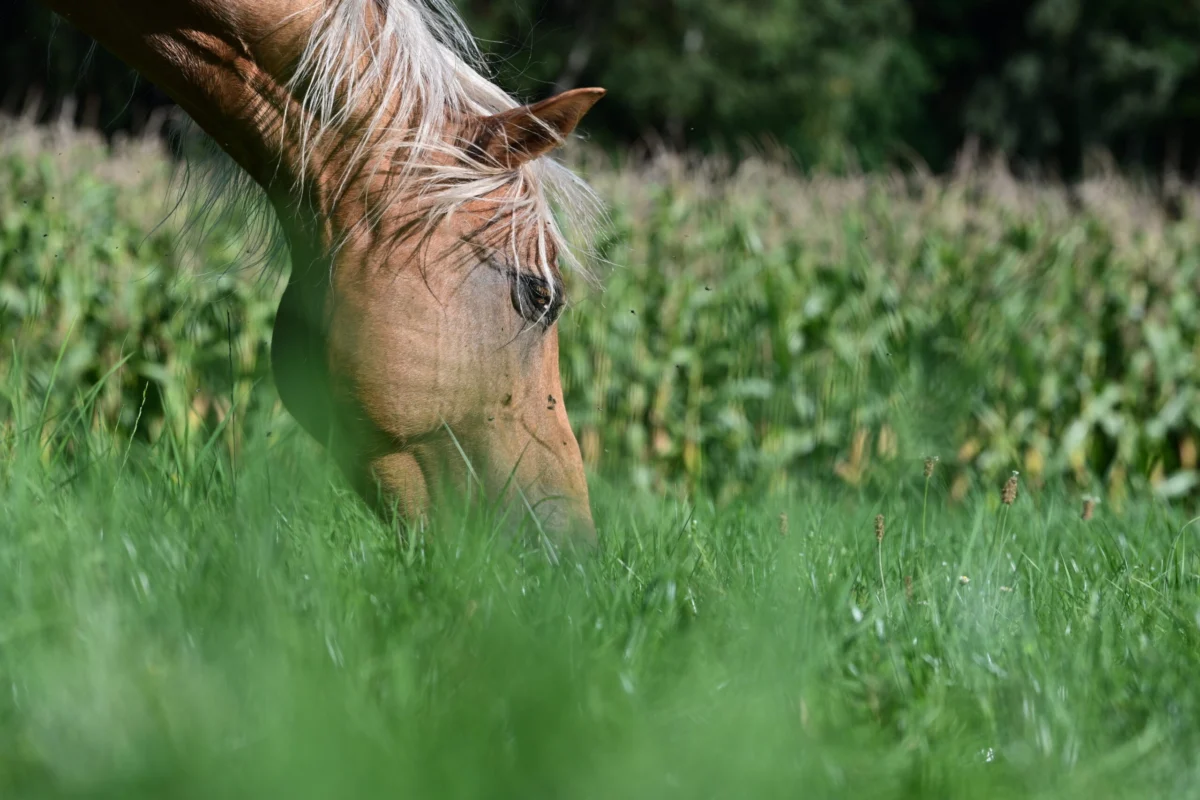
GRANT COUNTY, New Mexico — On September 18, the United States Department of Agriculture (USDA) officially confirmed a positive case of the New World screwworm (Cochliomyia hominivorax) in a horse residing in Grant County, New Mexico. The detection marks a sobering milestone in the re-emergence of a parasitic threat that has not maintained an established foothold in the United States in over half a century.
In response to the confirmed diagnosis, federal, state, and local animal health agencies have mobilized. Quarantine protocols, epidemiological investigations, and containment strategies are currently underway to establish precise infested and surveillance zones.
This development has sent ripples of concern throughout the American livestock and equine industries. While the parasite has previously been detected in cattle, sheep, goats, and domestic dogs earlier this year, the infection of an equid underscores the generalized vulnerability of all warm-blooded species to this aggressive biological threat. Animal health officials are urging veterinarians, livestock producers, and horse owners to exercise heightened vigilance, inspect animals daily, and report any suspicious cutaneous lesions immediately.
Main Facts: Understanding the New World Screwworm
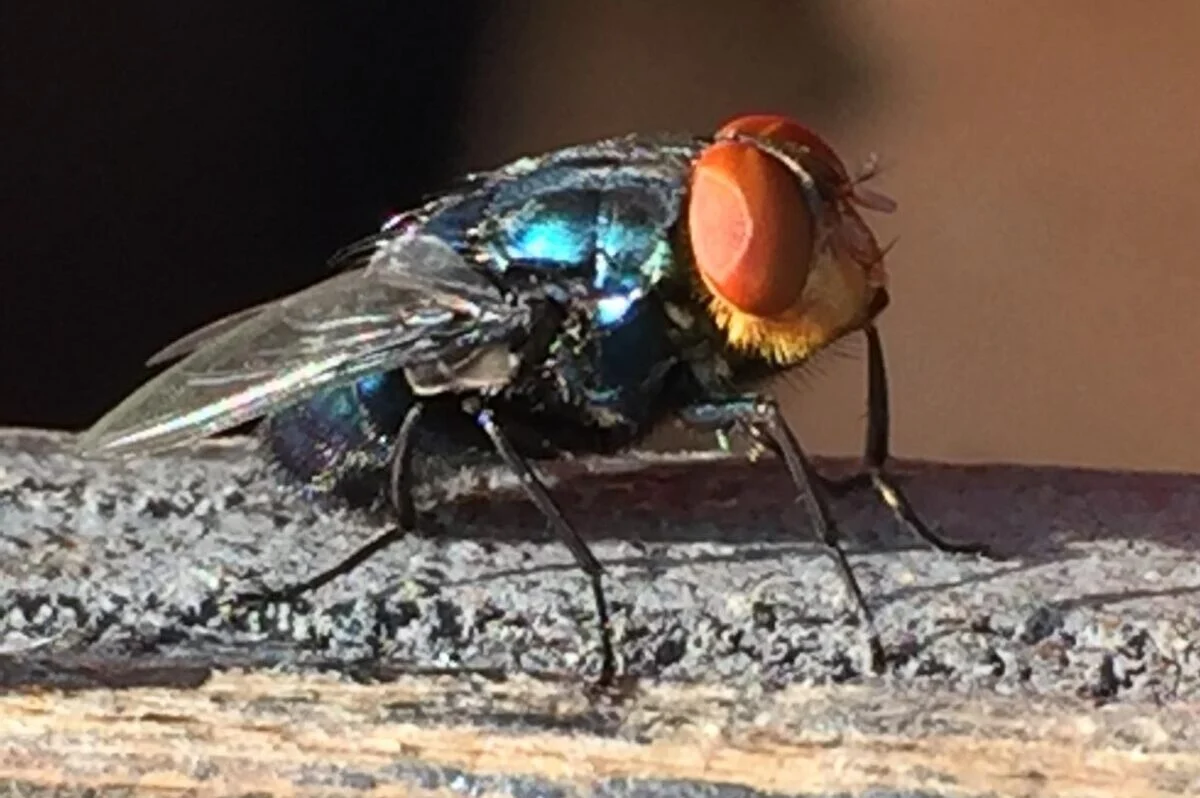
Despite its ominous and deceptive moniker, the New World screwworm is not a nematode or helminthic worm. Rather, it is the parasitic larval stage of the blow fly Cochliomyia hominivorax. The species name—hominivorax, translating roughly to "man-eater"—reflects the devastating biological reality of the organism: its larvae feed exclusively on the living tissue of warm-blooded mammals.
The Life Cycle and Pathogenesis
The lifecycle of the New World screwworm represents a formidable challenge to biosecurity. Adult blow flies themselves are free-living and do not bite or feed directly on flesh. Instead, the female fly seeks out warm-blooded hosts that present vulnerable entry points.
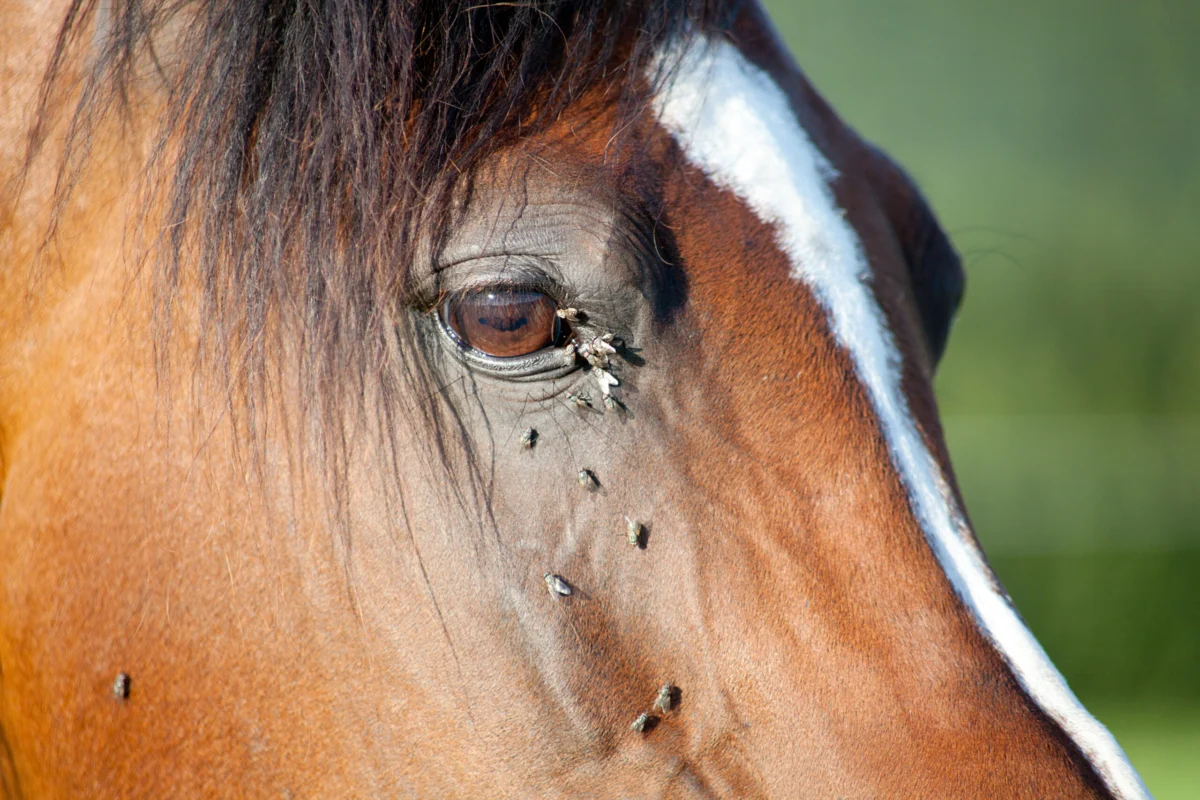
Remarkably, these flies are attracted to the slightest cutaneous compromise. Open surgical incisions, castration sites, brand wounds, routine tag punctures, or even a minor scratch from a barbed-wire fence or a tick bite can serve as an ideal oviposition site. Female flies deposit masses of eggs—often numbering in the hundreds—at the margins of these wounds.
Within 12 to 24 hours, these eggs hatch into voracious larvae (maggots). Unlike common scavenger blow fly larvae that feed exclusively on necrotic, decaying tissue, New World screwworm larvae burrow directly into healthy, vascularized, living tissue. As they feed, they use specialized mouthparts and hook-like structures to tear through cellular architecture, rapidly expanding the wound and creating deep, pocketed cavities.
Clinical Manifestations in Equines
For horse owners and veterinarians, recognizing the clinical signs of an NWS infestation is critical for preventing catastrophic outcomes. Affected equines typically present with distinct and rapidly progressing symptoms:
- Rapidly Growing Wounds: What may have started as a minor superficial abrasion quickly transforms into an angry, expanding lesion filled with writhing masses of larvae.
- Extensive Tissue Damage: The destruction of healthy muscle, subcutaneous tissue, and blood vessels leads to profound local trauma.
- Foul Odor: Secondary bacterial infections frequently colonize the necrotic byproducts of the larval feeding process, producing a distinct and deeply offensive odor.
- Synovial and Articular Invasion: In cases where wounds occur on the limbs, larvae possess the destructive capability to burrow deeply into synovial structures, including tendon sheaths, bursae, and joint capsules, causing septic arthritis and permanent lameness.
- Systemic Distress: Due to intense pain, localized inflammation, and secondary infection, horses often exhibit a severely reduced appetite, lethargy, and rapid weight loss.
Chronology of the Re-emergence
To understand the gravity of the Grant County case, it is necessary to examine the historical timeline of the New World screwworm in North America, as well as the alarming sequence of events leading up to this latest diagnosis.
Historical Eradication and the Barrier Zone
During the mid-20th century, the New World screwworm was a devastating scourge across the southern United States, inflicting hundreds of millions of dollars in economic losses upon the livestock industry annually. Cattle, sheep, horses, and wildlife suffered immense morbidity and mortality.
The trajectory of American animal health changed fundamentally in the 1960s with the implementation of the Sterile Insect Technique (SIT), pioneered by entomologists Edward F. Knipling and Raymond C. Bushland. By mass-rearing male screwworm flies, sterilizing them using ionizing radiation, and releasing millions of them into the wild, scientists disrupted the reproductive cycle. Because female screwworm flies mate only once in their lifetime, mating with a sterile male results in non-viable eggs.
Through aggressive federal campaigns, the USDA, in cooperation with state and regional partners, systematically pushed the screwworm population southward, eventually eradicating it from the United States and Mexico. A biological barrier zone was subsequently established and maintained in the narrow Isthmus of Panama, jointly managed by the U.S. and Panamanian governments (COPEG), to prevent northern migrations of the fly from South America.
The 2026 Resurgence
Despite decades of successful containment, ecological shifts, changing weather patterns, and the logistical challenges of maintaining continuous biological barriers have allowed the parasite to steadily press northward through Central America.
- Early June 2026: The USDA officially began reporting sporadic, confirmed cases of New World screwworm as the parasite breached traditional northern containment lines and entered vulnerable agricultural regions.
- Mid-Summer 2026: Animal health officials recorded initial cases in domestic livestock species, confirming infections in cattle, goats, and sheep. These early detections demonstrated that the parasite was actively circulating and capable of finding hosts in domestic animal populations.
- Late August 2026: The USDA confirmed an NWS diagnosis in a domestic dog, proving that the threat extended beyond traditional livestock to companion animals.
- September 18, 2026: The confirmation of NWS in a horse in Grant County, New Mexico, marked the first major equine detection of the current resurgence, signaling that the biological threat has now established a geographical presence within the southwestern United States.
Supporting Data and Epidemiological Scope
The introduction of Cochliomyia hominivorax into the United States carries profound statistical and economic implications. While the current outbreak remains localized as authorities establish formal containment and surveillance zones, historical economic models illustrate why federal agencies are acting with such urgency.
Economic Vulnerability of the U.S. Livestock Sector
The United States supports a massive multi-billion-dollar livestock and equine industry. According to the USDA National Agricultural Statistics Service (NASS):
- The U.S. cattle inventory numbers roughly 87 million head, all of which are theoretically susceptible to NWS infestation.
- The American equine population, encompassing working horses, sport horses, breeding stock, and companion animals, is estimated at over 6.6 million.
- Small ruminant populations (sheep and goats) add another 8 million potential hosts to the epidemiological equation.
In historical economic assessments conducted prior to eradication, unchecked screwworm infestations cost the agricultural sector hundreds of millions of dollars annually in lost weight, decreased milk production, hide damage, mortality, and intensive labor costs associated with treating individual wounds. A widespread resurgence in the 21st century could jeopardize domestic meat and livestock exports, trigger costly international trade restrictions, and impose severe financial strain on individual producers.
Environmental and Climatic Factors
Entomologists and epidemiologists note that the proliferation of blow flies is heavily dependent on ambient temperature and humidity. The warm climate of the American Southwest during late summer and early autumn provides an optimal thermal window for blow fly activity and reproduction. While cooler winter temperatures can naturally suppress blow fly populations, the immediate concern centers on stopping the localized transmission cycle before the seasonal transition occurs.
Official Responses and Regulatory Action
In the wake of the Grant County confirmation, federal and state animal health authorities have initiated a comprehensive, multi-layered response designed to track, contain, and ultimately eliminate the parasite before it achieves widespread geographic distribution.
USDA and State Animal Health Protocols
The USDA’s Animal and Plant Health Inspection Service (APHIS), working in close coordination with the New Mexico Livestock Board, has deployed veterinary medical officers and entomologists to the affected region.
- Zone Establishment: Authorities are actively drawing boundaries for an infested zone and a surrounding surveillance zone. Within these zones, strict regulatory controls on the movement of livestock and equines will be enforced to prevent the transit of potentially infested animals to non-affected areas.
- Epidemiological Tracing: State and federal veterinarians are conducting trace-back and trace-forward investigations to determine the origin of the Grant County horse’s infection and to identify any other animals that may have had contact with the index case or shared a common environmental exposure.
- Surveillance and Trapping: Field teams are deploying specialized blow fly traps baited with chemical attractants to monitor local populations, assess vector density, and determine the precise geographic spread of the insect.
Directives for Veterinarians and Owners
The cooperation of private practitioners and animal owners is the cornerstone of the national response strategy. The USDA has issued clear, mandatory guidance for suspected cases:
- Immediate Reporting: Any veterinarian who suspects a New World screwworm infestation is legally obligated to report the case immediately to state animal health officials and the USDA. Rapid notification allows state and federal teams to intervene before local fly populations can acquire and propagate the parasite.
- Quarantine and Examination: Affected equines must be placed under strict veterinary supervision. Comprehensive physical examinations are required to locate all primary and secondary wound sites.
- Strict Biosafety and Larval Containment: This is perhaps the most critical operational directive. Under no circumstances should larvae be allowed to drop to the ground. If maggots fall from a treated wound onto soil, they can successfully burrow underground, pupate, emerge as adult blow flies, and continue the reproductive cycle. Veterinarians and owners must physically collect larvae from wounds using forceps, place them immediately into a killing solution (such as alcohol or formalin), and preserve them for official laboratory confirmation.
- Wound Treatment: Standard veterinary care includes the mechanical removal of all larvae, thorough flushing and debridement of wounds, the application of approved larvicides and persistent insecticides, and the administration of systemic antibiotics to combat secondary infections.
Implications for the American Equine and Livestock Industries
The confirmation of New World screwworm in a New Mexico horse serves as a stark reminder of the fragility of modern animal health security in an era of shifting ecological boundaries. The implications of this event extend far beyond a single veterinary case in Grant County.
Biosecurity and Daily Management Practices
For horse owners, ranches, and boarding facilities across the United States—particularly in the southern and southwestern tiers—management paradigms must adapt. Routine husbandry must now incorporate daily, hands-on physical inspections of every animal.
- Wound Management: Even minor cuts, scrapes, and abrasions must be treated aggressively, cleaned, and protected with barrier ointments or insect-repellent dressings to prevent female blow flies from depositing eggs.
- Surgical Scheduling: Elective surgical procedures on livestock and equines, such as castration or branding, may need to be postponed or executed under strict vector-proof conditions (such as inside screened facilities) during periods of high blow fly activity.
- Import and Transport Controls: Producers and transporters moving animals across state lines must remain acutely aware of emerging regulatory restrictions, health certification requirements, and state-level quarantine edicts.
The Path Forward
The containment of the New World screwworm in New Mexico relies on a unified front between federal regulators, state veterinarians, private practitioners, and animal owners. While the historical success of the 1960s eradication campaign proves that Cochliomyia hominivorax can be defeated, the current 2026 resurgence demonstrates that eternal vigilance remains the price of agricultural security.
As state and federal teams continue their surveillance and containment operations in Grant County, the collective actions of the American equine community over the coming weeks will determine whether this incident remains an isolated containment success or develops into a broader regional challenge. Animal owners are strongly encouraged to contact their local veterinarians or state departments of agriculture immediately if they observe unusual wound characteristics or maggot infestations in any warm-blooded animal.