NUTRITION CORNER
Brought to you by Sentinel Horse Nutrition
Equine nutrition is a dynamic science, constantly evolving as researchers uncover the intricate physiological mechanisms that govern how horses process energy, process sugars, and maintain internal balance. Among the most critical areas of modern equine care is the management of metabolic conditions.
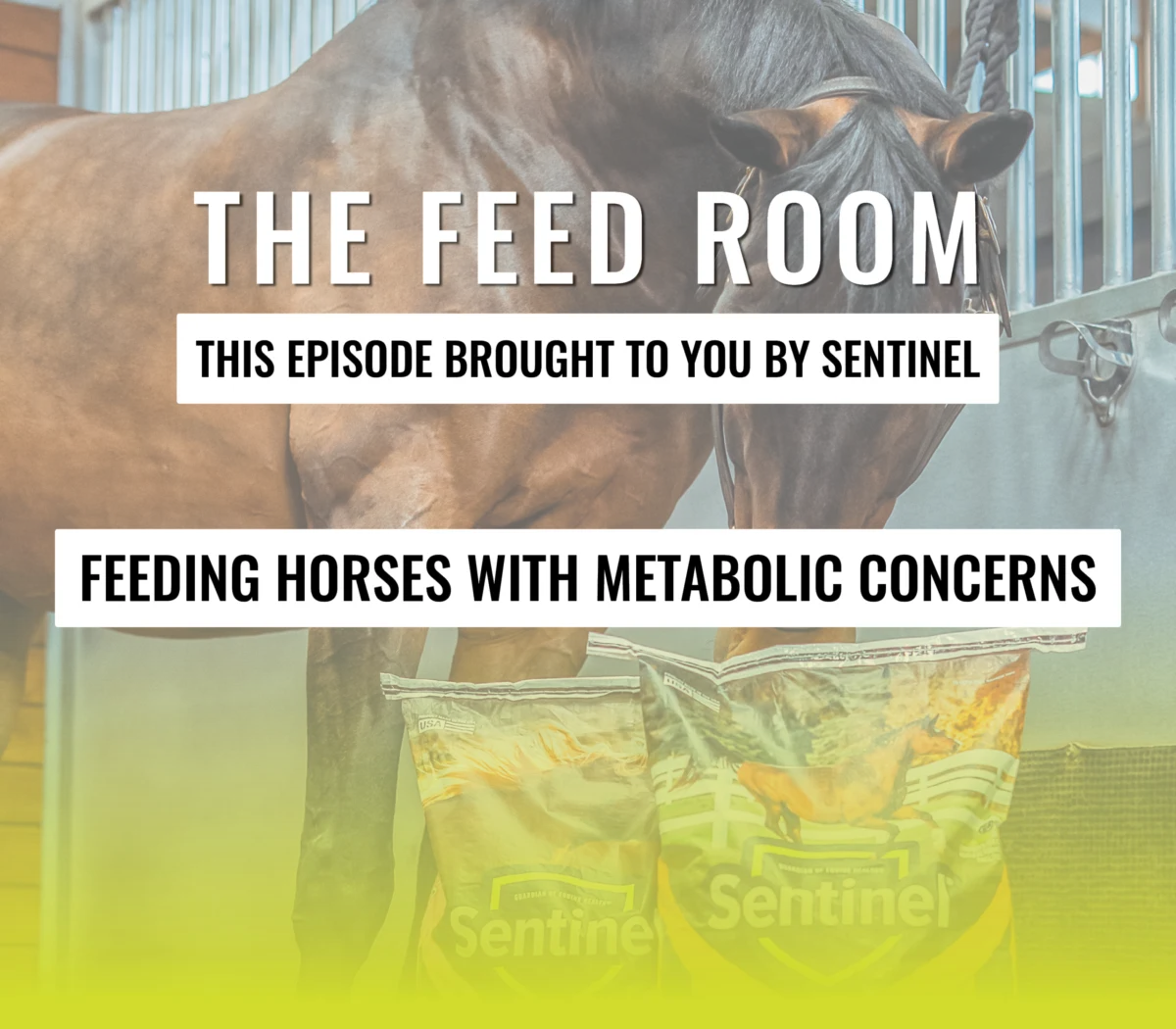
In a recent episode of The Feed Room, equine nutrition experts took a deep dive into how metabolic disorders alter the fundamental rules of feeding strategies. The discussion focused on actionable steps horse owners can take to keep metabolically challenged horses healthy, balanced, and thriving. Whether dealing with a diagnosed condition or taking a proactive approach to mitigate future risks, understanding the science of equine metabolism is vital for every modern horse keeper.
Main Facts: Understanding Equine Metabolic Concerns
At its core, equine metabolism involves the conversion of feed into the energy required for cellular function, growth, movement, and maintenance. However, certain horses experience disruptions in how they process carbohydrates, regulate insulin, and manage body fat.
When metabolic imbalances occur—such as in Equine Metabolic Syndrome (EMS) or Pituitary Pars Intermedia Dysfunction (PPID, commonly known as Cushing’s disease)—standard feeding practices can do more harm than good.
- The Sugar and Starch Factor: A primary takeaway from the discussion is the critical need to monitor non-structural carbohydrates (NSC)—specifically sugars and starches. High levels of NSC can trigger dangerous spikes in blood glucose and insulin, which are directly linked to the onset of laminitis, a painful and potentially debilitating hoof condition.
- Tailored Feed Options: Modern equine nutrition has advanced to provide specialized feed formulations designed specifically for horses with sensitive metabolisms. These feeds typically feature low NSC content while maintaining high levels of quality fiber, essential amino acids, vitamins, and minerals.
- Proactive vs. Reactive Management: While horses with diagnosed conditions require strict dietary controls, owners of easy keepers, native breeds, and aging horses can also benefit immensely from adopting low-starch management strategies before a crisis occurs.
Chronology: The Evolution of Equine Metabolic Awareness
To understand where equine nutrition stands today, it is helpful to look at how our understanding of metabolic disorders has developed over the past few decades.
1. The Era of "Grain and Hay" (Pre-2000s)
For generations, equine feeding was straightforward: horses received grass hay, pasture, and a scoop of sweet feed or whole grains (such as oats or corn) to provide energy. While this worked well for horses in heavy work, many easy keepers—particularly ponies and native breeds prone to obesity and laminitis—suffered from mystery ailments that modern science now recognizes as metabolic syndromes.
2. The Rise of Equine Metabolic Syndrome (2000–2010)
As veterinary science advanced, researchers began identifying a distinct syndrome characterized by obesity, regional adiposity (such as fat deposits on the crest of the neck), and insulin dysregulation. Veterinarians coined the term Equine Metabolic Syndrome (EMS). This period marked a paradigm shift: nutritionists realized that not all calories are created equal, and that certain horses could not handle the carbohydrate loads found in traditional feeds and lush spring pastures.
3. Formulation of Low-NSC Diets (2010–2020)
Feed manufacturers responded to veterinary research by developing specialized feeds utilizing alternative energy sources. Instead of relying on cereal grains rich in starches, modern metabolic feeds began incorporating digestible fibers (such as beet pulp and soy hulls) and fats (such as vegetable oils or stabilized rice bran) to supply safe, sustained calories without spiking insulin levels.
4. Precision Nutrition and Continuous Monitoring (Present Day)
Today, equine nutrition sits at the intersection of veterinary medicine, biochemistry, and data-driven management. Owners have access to advanced forage testing, continuous glucose monitoring technology, and sophisticated nutritional formulations. Programs like The Feed Room aim to bridge the gap between complex laboratory science and the everyday feed bucket, empowering owners to make precise, informed decisions.
Supporting Data: The Science of NSC and Insulin Regulation
To appreciate why dietary adjustments are necessary for metabolically challenged horses, one must examine the physiological data surrounding digestion and endocrine function.

Non-Structural Carbohydrates (NSC) Defined
NSC is the sum of ethanol-soluble carbohydrates (simple sugars, monosaccharides, and disaccharides) and starch. When a horse consumes a meal high in NSC:
- Digestion: Enzymes in the small intestine break down starches into glucose, which is rapidly absorbed into the bloodstream.
- Insulin Response: The pancreas releases insulin to shuttle glucose into the body’s cells.
- The Metabolic Flaw: In horses with insulin dysregulation, cells fail to respond effectively to insulin (insulin resistance). Consequently, the pancreas pumps out even higher levels of insulin to compensate, leading to chronic hyperinsulinemia.
Clinical Research Findings
- Lamellar Damage: Prolonged hyperinsulinemia is now recognized as a primary direct cause of laminitis. Excess circulating insulin alters blood flow and damages the delicate lamellae connecting the hoof wall to the coffin bone.
- Threshold Guidelines: Veterinary nutritionists generally recommend that horses with metabolic sensitivities consume a total diet (hay plus concentrate) with an NSC level below 10%.
- Forage Variability: Pasture grasses do not have a uniform sugar content. Data shows that NSC levels fluctuate dramatically based on sunlight, temperature, and plant stress (such as frost or drought). For instance, cool-season grasses exposed to bright sunlight and cold temperatures can store extremely high levels of fructans and simple sugars, making unmanaged grazing hazardous for metabolic horses.
Official Responses: Guidance from Nutritionists and Veterinarians
Managing a metabolic horse requires a collaborative team approach. Leading equine veterinarians and nutrition specialists emphasize that diet cannot be viewed in isolation; it must be part of a comprehensive management plan.
"When formulating a ration for a horse with metabolic concerns, our primary objective is to decouple calorie intake from glycemic response," explains a leading equine nutritionist featured in The Feed Room. "We want to provide all the essential micronutrients—vitamins, minerals, and high-quality protein—without the sugar and starch that drive insulin resistance. Working closely with your veterinarian allows us to establish a baseline through blood work and tailor the diet precisely to the individual horse’s metabolic threshold."
Veterinary associations universally recommend the following steps when establishing a metabolic management protocol:
- Diagnostic Testing: Before making radical dietary changes, consult a veterinarian to run appropriate endocrine panels (such as resting insulin, glucose, or ACTH tests) to accurately diagnose underlying conditions like EMS or PPID.
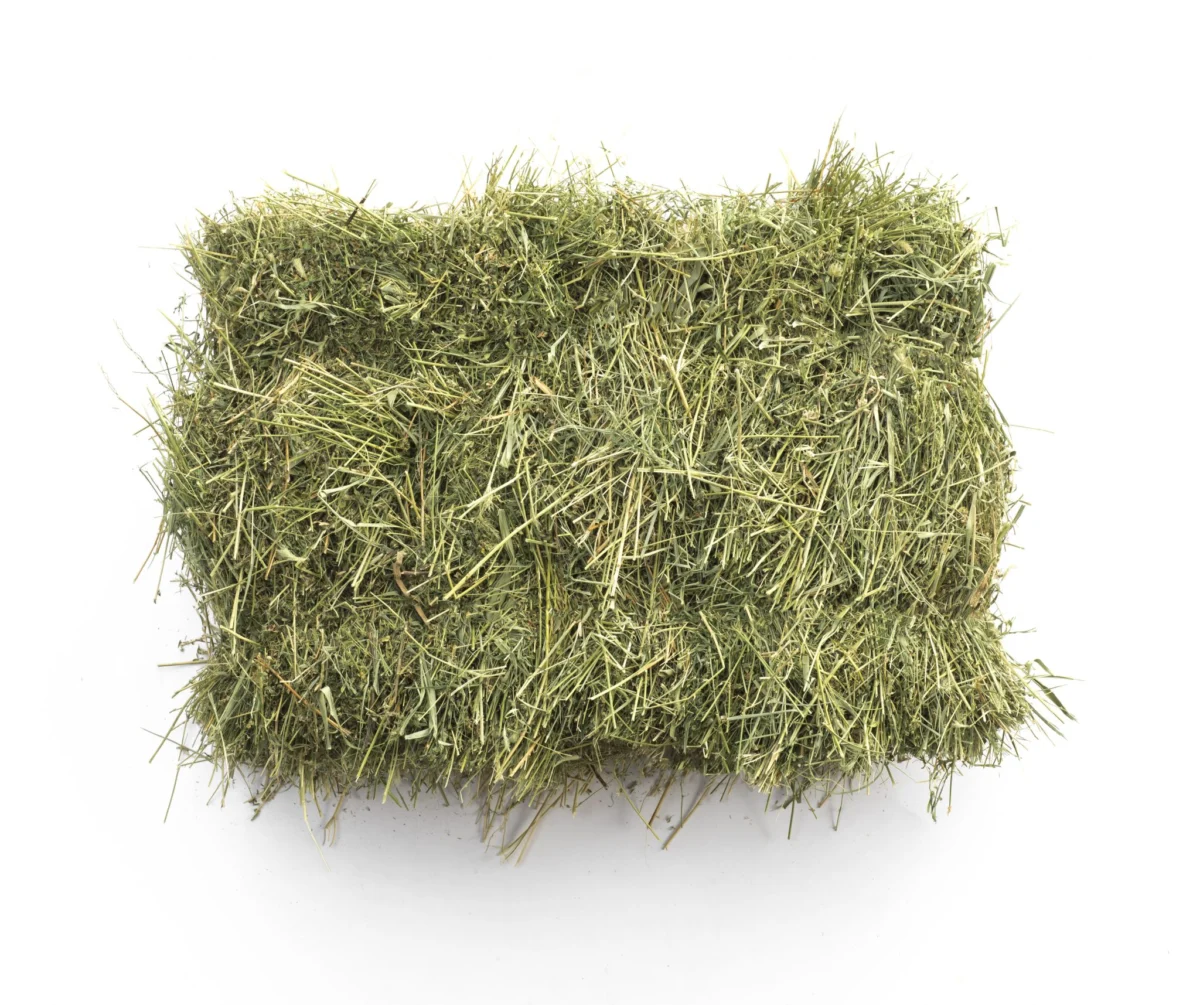
- Forage Analysis: Because forage typically makes up the vast majority of an equine diet, testing hay for NSC content is essential. If hay tests above the 10% NSC threshold, soaking hay in water for 30 to 60 minutes can help leach out water-soluble sugars.
- Balanced Supplementation: Restricting calories often means restricting access to fresh pasture, which can lead to nutritional deficiencies. Specialized commercial feeds or targeted vitamin-mineral balancers ensure the horse receives adequate nutrition without excess calories or sugars.
Implications: What This Means for Horse Owners
The growing prevalence of metabolic disorders in the equine population has profound implications for how owners approach daily management, pasture turn-out, and feed selection.
1. Shift Toward Preventive Management
Historically, dietary changes were reactive—implemented only after a horse suffered a bout of laminitis. Today, the industry is moving toward proactive prevention. Owners of easy-keeping breeds (such as Morgans, Arabians, Paso Finos, and various ponies) are increasingly adopting low-NSC feeding practices early in the horse’s life to prevent the onset of insulin dysregulation.
2. Redefining "Good Care"
For decades, a fat, sleek horse glistening on lush green grass was viewed as the ultimate symbol of excellent care. Modern veterinary science has successfully reframed this perception. Today, maintaining an optimal body condition score (BCS)—typically a 4 to 5 on the Henneke scale—coupled with strict dietary management, is recognized as the true hallmark of responsible equine stewardship.
3. The Importance of Education
As demonstrated by educational initiatives like The Feed Room and Sentinel Horse Nutrition’s Nutrition Corner, empowering horse owners with accessible science is crucial. Feed labels, forage testing reports, and veterinary diagnostics can be overwhelming. By breaking down complex biochemical concepts into practical, actionable feeding strategies, owners gain the confidence needed to advocate for their horses’ long-term health and well-being.
Conclusion
Feeding a horse with metabolic concerns is a delicate balancing act that requires patience, vigilance, and a solid understanding of equine nutrition. By prioritizing low-starch, high-fiber diets, monitoring non-structural carbohydrate intake, and partnering closely with veterinarians and nutritionists, owners can effectively mitigate health risks.
The science is clear: with the right tools, knowledge, and feeding strategy, metabolically challenged horses can lead long, active, and thriving lives.