As the summer sun beats down on pastures across the Southeastern United States, a quiet but growing crisis is unfolding in the barns and fields of the equine industry. A significant shortfall in this year’s initial hay harvest has prompted experts at the University of Kentucky to issue a stark warning: horse owners must secure their winter forage supplies immediately or risk facing severe shortages, inflated prices, and compromised animal welfare in the coming months.
According to a recent report authored by Jordan Strickler of the University of Kentucky, the combination of inconsistent rainfall and drought-like conditions has left producers scrambling. With the first hay cutting yielding significantly lower volumes than historical averages, the stability of the equine feed supply chain for the upcoming winter is currently in jeopardy.
The Reality of the Harvest: Main Facts
The primary driver of the current concern is a drastic reduction in biomass production during the early part of the growing season. Forage, which is the cornerstone of a horse’s diet, relies heavily on consistent moisture during the spring months to establish the density required for a successful harvest.
In many parts of the Southeast, those conditions simply did not materialize. The result is a regional deficit that has experts concerned about the availability of high-quality hay later in the year. Unlike other commodities, hay is bulky and expensive to transport, meaning that local shortages cannot always be easily offset by importing from distant regions without incurring significant costs.
"We are currently navigating a period of limited water resources," says Bob Coleman, an Equine Extension associate professor at the University of Kentucky’s Martin-Gatton College of Agriculture, Food and Environment. "The impact of the lack of rainfall is not theoretical—it is hitting farmers in their wallets and their barns."
A Chronology of the Shortage
The situation began to take shape earlier this spring when precipitation patterns failed to align with the needs of cool-season grasses. Throughout April and May, as producers prepared their equipment for the inaugural cut of the year, many observed that fields were not filling in as expected.
- Early Spring: Initial growth appeared promising in some isolated areas, but lack of follow-up rain stunted development.
- Late Spring (The First Cut): As producers moved to harvest, the reality of the shortfall became undeniable. Yields plummeted, with some farms reporting production levels at less than 50% of their historical averages.
- Current Status: We are now in a "wait and see" period regarding second and third cuttings. However, with soil moisture levels depleted, even late-summer rains may not be enough to make up for the initial deficit.
- The Outlook for Fall/Winter: As temperatures begin to drop and pastures go dormant, the reliance on stored hay will spike, placing a high demand on a limited, already-purchased, or increasingly expensive supply.
Supporting Data and Field Observations
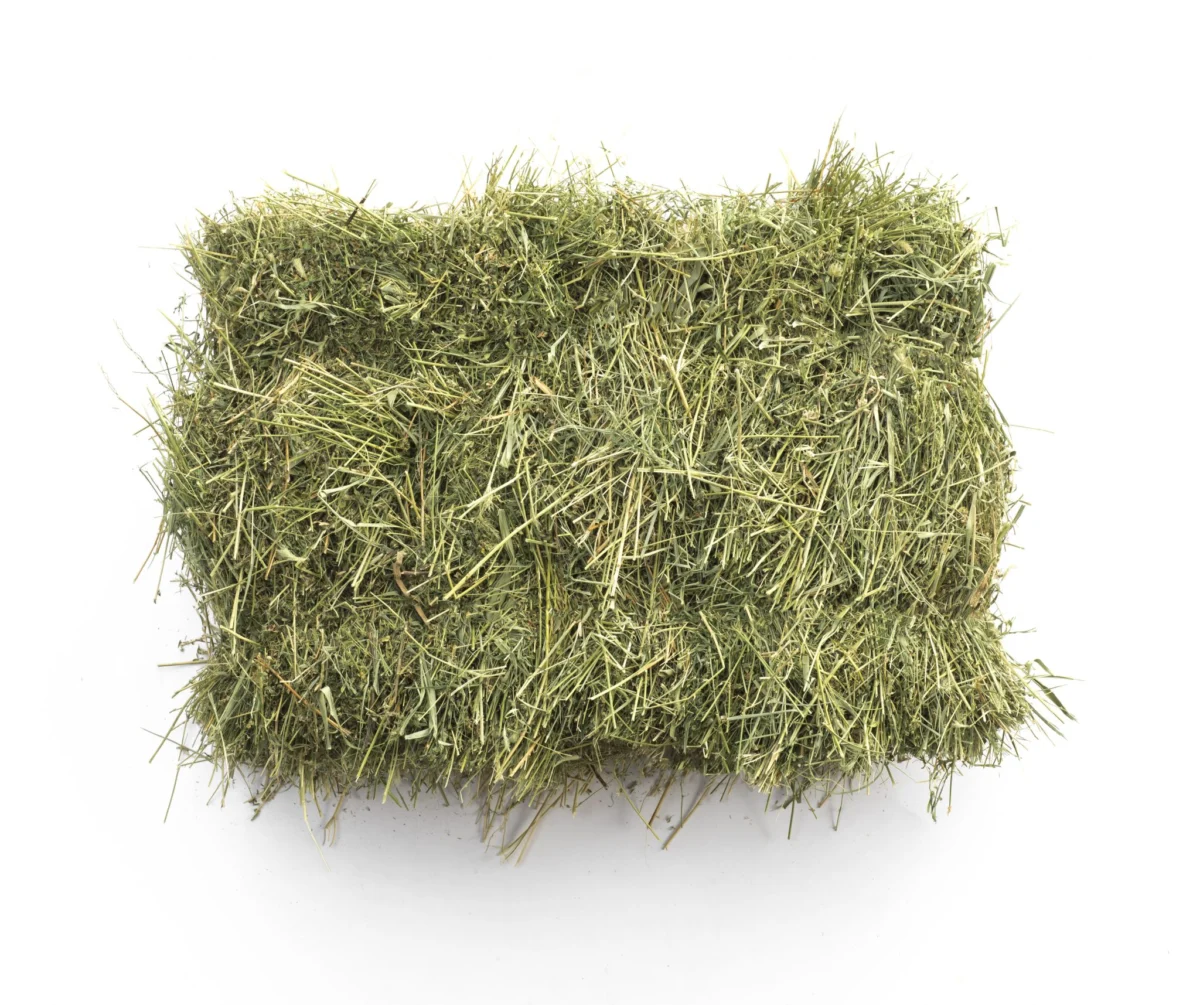
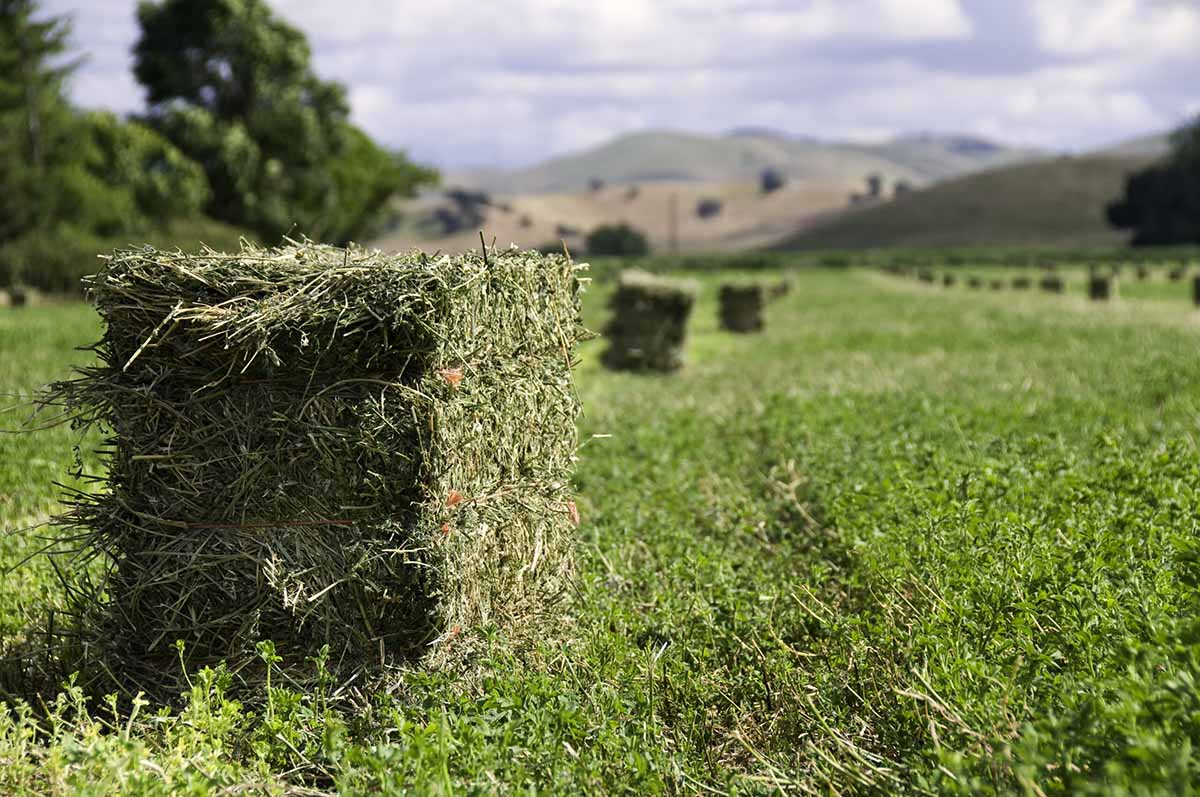
The severity of the situation is best illustrated by the experiences of local agricultural producers. Bob Coleman highlights a specific, albeit representative, case study: a farm that typically harvests approximately 1,800 bales during the first cut managed to secure only 800 this year.
This reduction of more than 50% is a microcosm of a larger, regional trend. When farms are producing less than half of their expected yield, they have little to no surplus to sell to local horse owners. This triggers a ripple effect:
- Reduced Supply: Fewer bales available for purchase on the open market.
- Increased Competition: With limited stock, the "early bird" buyers secure the best quality, leaving late-comers with inferior options or empty barns.
- Economic Volatility: As supply decreases and demand remains constant, the price per bale is expected to rise sharply, forcing owners to budget for significantly higher winter expenses.
Official Responses and Expert Guidance
The University of Kentucky, through the Martin-Gatton College of Agriculture, Food and Environment, is taking a proactive stance to prevent a total supply chain collapse for equine owners. Their experts are emphasizing that while the situation is serious, it is manageable for those who act with foresight.
The "Plan Now" Mandate
"The sky is not falling, but plan now," Coleman advises. His guidance focuses on several best management practices that owners should implement immediately:
- Inventory Your Current Supplies: Do not wait until the first frost to count your bales. Conduct a thorough audit of your current hay supply and estimate your consumption needs through the spring of next year.
- Establish Relationships with Suppliers: If you do not have a dedicated hay source, start reaching out to producers today. Building a relationship early ensures that you are at the top of the list when they have product available.
- Consider Alternative Forage: If high-quality alfalfa or timothy becomes prohibitively expensive or unavailable, consult with a nutritionist or extension agent about safe, high-fiber alternatives that can extend your hay supply without sacrificing the health of your horse.
- Waste Management: In times of shortage, reducing waste becomes paramount. Utilize hay feeders that minimize trampling and ensure that hay is stored in a dry, ventilated area to prevent rot and mold.
Implications for the Future
The current hay shortage highlights the precarious nature of agriculture in a changing climate. It also underscores the global reality of the commodity market. Hay is a mobile asset; producers are businessmen who will inevitably sell their product to the highest bidder. If a producer in a neighboring state or region offers a higher price, local supply will quickly leave the area, regardless of the needs of the immediate community.
For the individual horse owner, the implications are three-fold:
- Financial Impact: Owners should prepare for a spike in winter boarding or feed costs. Budgeting now for a 20-30% increase in feed costs is a prudent risk management strategy.
- Health Considerations: A shortage of hay can lead to owners rationing feed. This is dangerous for horses, which require constant forage for digestive health. It is essential to ensure that even if hay quality varies, the total volume consumed remains sufficient to prevent colic and other digestive disorders.
- Sustainable Practices: This event serves as a call to action for better pasture management. Long-term solutions include rotational grazing, reseeding pastures with drought-resistant grass varieties, and investing in better storage facilities to protect the hay that is purchased.
About the Martin-Gatton College of Agriculture, Food and Environment
The University of Kentucky’s Martin-Gatton College of Agriculture, Food and Environment remains a vital resource for those navigating these challenges. Based in Lexington, the college provides a bridge between advanced agricultural research and the practical needs of the Commonwealth’s equine industry. Their commitment to outreach and education ensures that horse owners have access to the latest data, enabling them to make informed decisions that protect both their animals and their livelihoods.
Conclusion: A Call for Preparedness
The message from the experts is clear: the time for complacency has passed. While the Southeast has faced dry summers before, the current shortfall in hay production requires a disciplined, proactive approach.
By taking inventory, securing supply chains, and planning for a potentially lean winter, horse owners can mitigate the impact of the current drought. As Coleman aptly puts it, "It’s really just a best management practice anyway. The bottom line is: Don’t wait until you’re completely out of hay to start thinking about this. A little planning now could save horse owners a whole lot of stress and money."
As we move further into the summer, the focus must shift from hope for rain to preparation for the harvest reality. Those who choose to act now will find themselves in a much stronger position when the temperatures drop and the real test of the winter season begins.