Introduction: A Community Submerged
The city of Del Rio, Texas, is currently grappling with a humanitarian and animal welfare crisis of unprecedented proportions. Following days of unrelenting rainfall and the subsequent overflowing of regional waterways, vast swaths of the city have been swallowed by flash flooding. While emergency management teams work tirelessly to assist displaced residents, a parallel crisis is unfolding in the city’s animal welfare facilities.
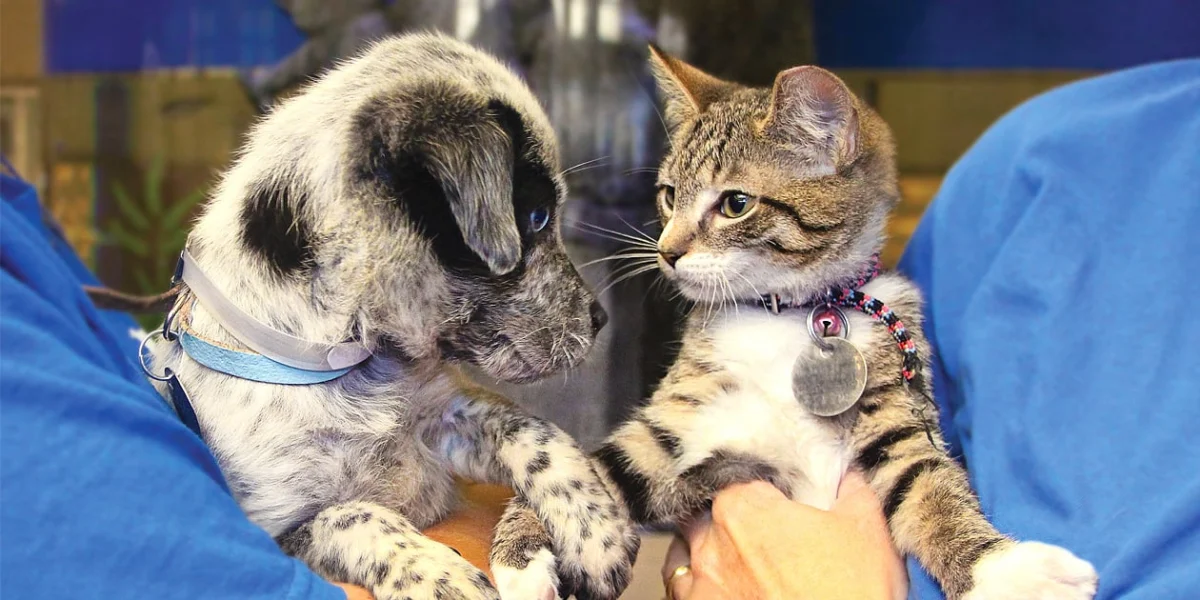
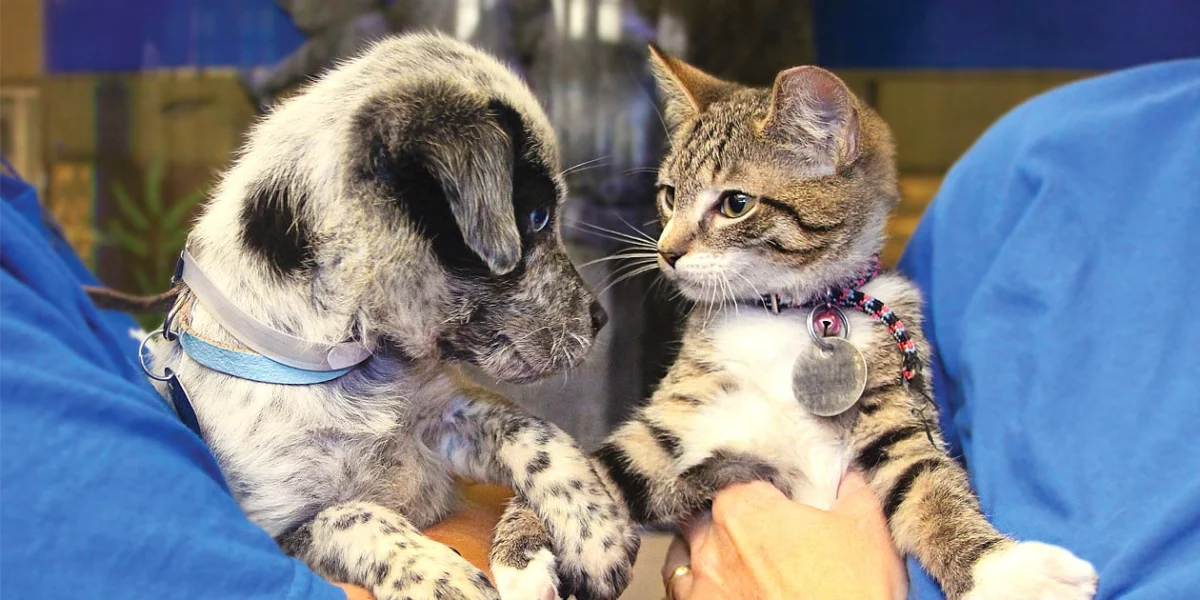
The Border Animal Mission, a critical local partner, along with the City of Del Rio Animal Services and the Val Verde County Animal Control, are reporting near-total operational collapse due to the rising tide. Kennels have been submerged, outdoor enclosures have been rendered uninhabitable, and the sheer volume of displaced animals arriving at these gates has pushed local infrastructure to its breaking point. This report explores the logistical nightmare facing animal rescuers, the immediate needs of the affected shelters, and the broader implications of climate-related disasters on municipal animal control systems.
The Chronology of the Crisis
The escalation of the crisis followed a predictable but devastating pattern common to the arid, flood-prone regions of South Texas.
The Initial Deluge (Days 1-2)
The atmospheric conditions began deteriorating early last week, as a stationary low-pressure system dumped record-breaking precipitation across Val Verde County. By the second day, local drainage systems, already saturated from previous months of unpredictable weather, began to fail.
The Breach (Day 3)
On the morning of the third day, the situation turned critical. Floodwaters breached the perimeter of the City of Del Rio Animal Services facility. Staff arrived to find standing water in the lower-level holding areas. Emergency protocols were activated, but the rapid influx of water—compounded by the inability of transport vehicles to navigate submerged roads—made evacuation difficult.
Current Status (Day 4 and Beyond)
As of this writing, the facilities remain in a state of high alert. While the initial surge has crested, the residual mud, debris, and structural damage have rendered the shelters hazardous. The Border Animal Mission is currently coordinating with state-level partners to establish an “out-of-harm’s way” pipeline, moving animals to facilities in neighboring counties that were spared the brunt of the storm.
Supporting Data: The Scale of the Need
The logistical requirements to sustain these shelters in the wake of the disaster are staggering. According to preliminary reports from Border Animal Mission, the facilities are currently managing a surge in intake that exceeds their capacity by 140%.
Resource Requirements
To maintain the health and safety of the animals currently in their care, the following supplies are categorized as “critically essential”:
- Nutritional Support: With storage areas damaged by water, much of the existing kibble supply has been discarded due to mold contamination. There is an immediate need for high-protein puppy food and shelf-stable canned goods.
- Medical Supplies: The risk of leptospirosis and other waterborne diseases is high. Vaccines, particularly DHPP (Distemper, Hepatitis, Parvovirus, and Parainfluenza) and Bordetella, are needed to prevent outbreaks in the cramped, emergency-housing conditions.
- Sanitation: Industrial-grade disinfectants, paper towels, heavy-duty trash bags, and personal protective equipment (PPE) for staff and volunteers are in short supply.
Financial Projections
Border Animal Mission estimates that the cost of immediate disaster recovery—including emergency veterinary care, transport logistics, and facility repairs—will exceed $75,000 in the first fourteen days alone. This figure does not account for the long-term cost of renovating shelters to withstand future flooding events.
Official Responses and Tactical Coordination
The response to the Del Rio flooding has been a masterclass in inter-agency cooperation under duress.
The Role of Border Animal Mission
As the primary non-governmental organization (NGO) on the ground, the Border Animal Mission has served as the central nervous system for the rescue efforts. By bridging the gap between local municipal services and regional animal welfare organizations, they have managed to secure temporary housing for over 200 displaced animals.
“Our priority is the preservation of life,” stated a spokesperson for the Border Animal Mission. “We are currently working on a plan to transport animals out of the disaster zone, but we cannot do that without first stabilizing them. Every bag of food and every vial of vaccine bought from our wish list allows us to move one more animal to safety.”
Municipal Challenges: City and County Services
Both the City of Del Rio Animal Services and Val Verde County Animal Control are operating under emergency mandates. Municipal staff have shifted from standard intake and adoption operations to disaster response and search-and-rescue. However, these departments face a significant hurdle: their primary budgets are allocated for standard operation, leaving little room for the capital-intensive costs of disaster remediation.
Implications: The Long-Term Burden
The Del Rio floods highlight a growing concern among animal welfare advocates: the vulnerability of municipal animal infrastructure to extreme weather events.
The Vulnerability of Rural Shelters
Unlike large metropolitan shelters, rural animal control facilities in Texas often operate with limited budgets and aging infrastructure. When a disaster hits, these facilities are frequently the last to receive state or federal aid, as animal welfare is often categorized as a "secondary" priority behind human infrastructure like roads and power grids.
The Necessity of Disaster Preparedness
The current crisis underscores the need for a paradigm shift in how shelters are built and maintained. Experts argue that “flood-proofing” facilities—elevating kennels, installing industrial-grade drainage, and maintaining off-site emergency caches of food and medical supplies—must become a standard requirement for municipal facilities located in floodplains.
The Role of Public-Private Partnerships
The success of the current rescue efforts in Del Rio is a testament to the importance of public-private partnerships. Without the intervention of the Border Animal Mission, the local municipal shelters would likely have been forced to implement extreme measures, including the potential for emergency euthanasia due to a lack of resources and space. This symbiotic relationship between government agencies and non-profit organizations is the only viable model for sustainable animal rescue in an era of climate uncertainty.
Call to Action: How the Public Can Help
The situation remains volatile, and the need for support is not merely a short-term request but a long-term requirement for the recovery of these animals.
Direct Contributions
The most efficient way for the public to assist is through the direct channels established by the Border Animal Mission.
- Amazon Wish List: The Mission has curated an Amazon Wish List containing the specific medical and nutritional supplies required to stabilize the shelter population. These items are shipped directly to the staging areas, bypassing the logistical bottleneck of local distribution centers.
- Financial Donations: Monetary contributions are essential for funding the transport of animals to safety. Costs include fuel, specialized transport vehicle rentals, and emergency veterinary boarding fees.
Advocacy and Awareness
Beyond monetary support, there is a need for continued public awareness. As news cycles move on to the next disaster, the animals of Del Rio will still be in the process of recovery. Residents in unaffected areas are encouraged to contact their local representatives to advocate for stronger emergency funding protocols for municipal animal services.
Conclusion: Solidarity in the Face of Adversity
As the waters in Del Rio slowly begin to recede, the scale of the damage left behind becomes clearer. The kennels will need to be rebuilt, the medical supplies replenished, and the animals, many of whom have been separated from their owners, will require long-term care and rehoming.
The story of the Del Rio flood is one of devastation, but it is also a story of resilience. The collaborative effort between the Border Animal Mission, City of Del Rio Animal Services, and Val Verde County Animal Control serves as a beacon of hope for the displaced animals. However, the mission is far from over. The animals of Del Rio did not ask for this catastrophe, but they are relying on the compassion of the public to ensure that they are not forgotten.
Please consider purchasing items from their Amazon Wish List or making a direct donation to support these critical rescue efforts today. Your contribution is more than a donation; it is a lifeline.