Vacations are universally acknowledged as a time for rejuvenation, but the travel experience is fundamentally elevated when shared with a companion animal. For millions of pet owners, leaving a dog or cat behind at a kennel or hiring a pet sitter casts a shadow over an otherwise anticipated getaway. However, traditional tourist hotspots—frequently saturated with bumper-to-bumper traffic, congested boardwalks, and rigid animal restrictions—can transform a peaceful holiday into a logistical headache.
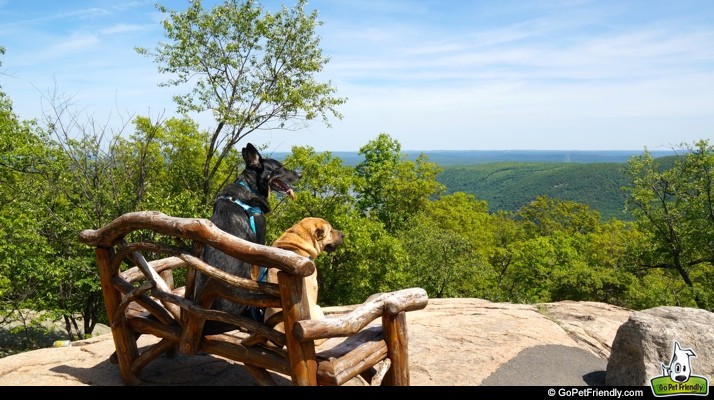
To help travelers truly escape the hustle and bustle, travel industry insiders have curated a collection of nine extraordinary, off-the-beaten-path destinations across the United States. These locales offer expansive landscapes, rich cultural histories, welcoming local communities, and, most importantly, accommodating policies for four-legged family members.
Main Facts: The Rise of Quiet, Pet-Centric Tourism
The modern tourism landscape is undergoing a notable shift. According to recent travel trend analyses, pet-inclusive travel has surged exponentially as families increasingly view their dogs and cats as essential members of the household. Yet, major national parks and heavily commercialized resort towns often enforce strict boundary rules regarding where animals are permitted.
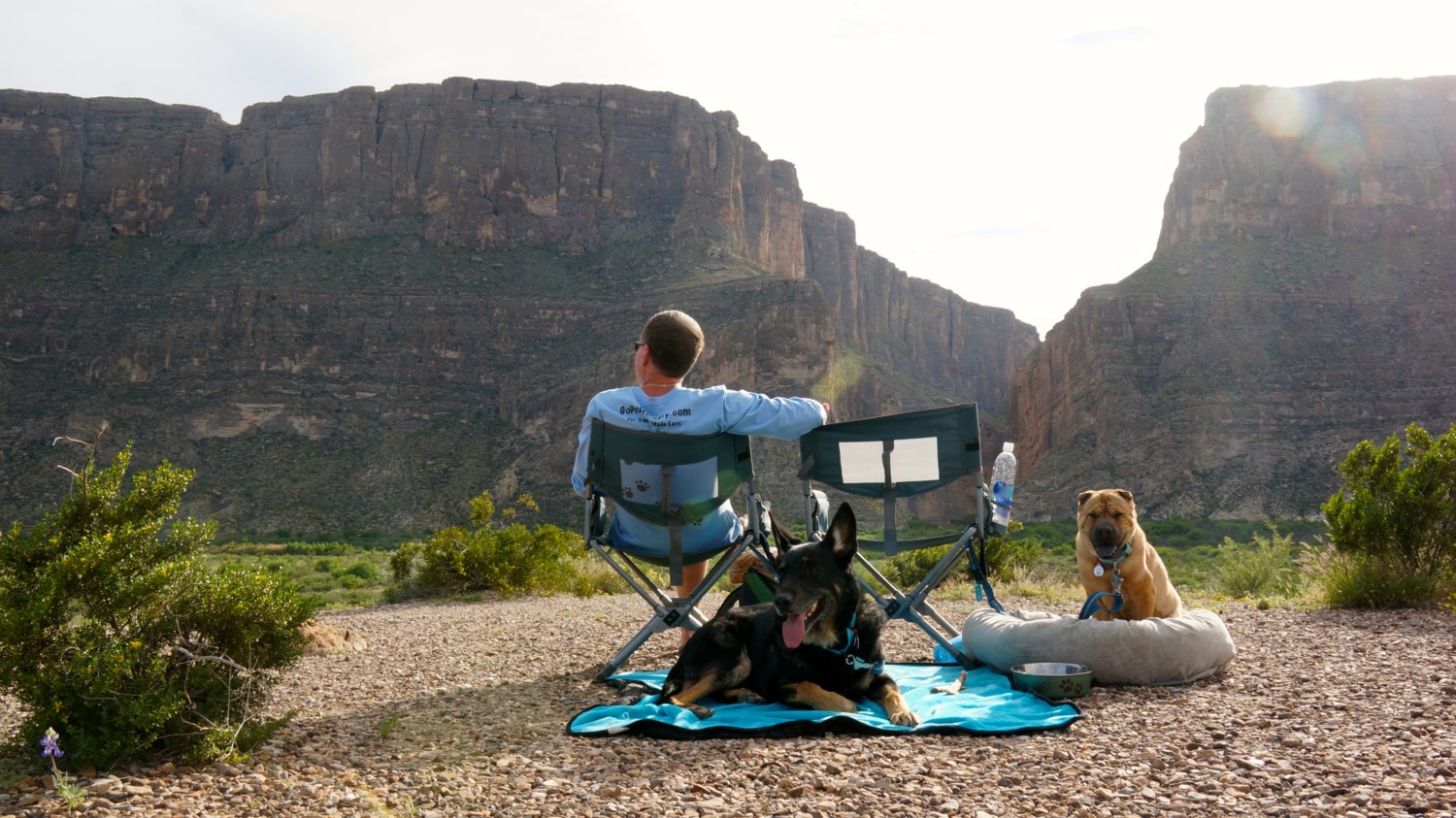
To counter this, savvy travelers are looking toward America’s vast public lands, state parks, and lesser-known regional corridors. Destinations such as Big Bend in Texas, Dixie National Forest in Utah, and St. Johnsbury in Vermont provide vast tracts of open space where crowds thin out and pet-friendly regulations make exploration feasible. These regions offer a harmonious balance: they spare travelers the sensory overload of tourist traps while delivering world-class natural scenery, diverse lodging options, and genuine hospitality for animals.
Chronology of an Evolution: How Pet Travel Gained Momentum
Understanding how these nine destinations became prime sanctuaries for pets and their owners requires looking at the historical timeline of outdoor recreation and conservation policy in the United States:
- Late 19th Century (1898): Mackinac Island in Michigan establishes a radical precedent by officially banning personal automobiles. This decision inadvertently laid the groundwork for a pedestrian- and pet-friendly paradise that endures well into the modern era.
- Mid-20th Century (1953): Fort Worden in Washington State ceases operations as an active military base. Its transition into a public state park decades later transformed historic military installations and Victorian barracks into sprawling recreational zones and unique lodging options for human-canine adventurers.
- Late 20th Century to Early 2000s: Artists Stephen and Gwen Huneck establish Dog Mountain in St. Johnsbury, Vermont. By creating a 150-acre off-leash haven centered around a dedicated dog chapel, they pioneer a new genre of destination tourism built explicitly around emotional connection and pet commemoration.
- Present Day: Travelers increasingly reject overcrowded national parks in favor of surrounding public buffers—such as Paradise Valley outside Yellowstone or Dixie National Forest near Zion—where federal land-use policies offer significantly more latitude for leashed pets.
Supporting Data: Landscapes, Lodging, and Logistics
Navigating off-the-beaten-path destinations requires an understanding of local topography, lodging availability, and specific pet accommodations. The following data highlights what travelers can expect across the featured locations:
1. Big Bend, Texas
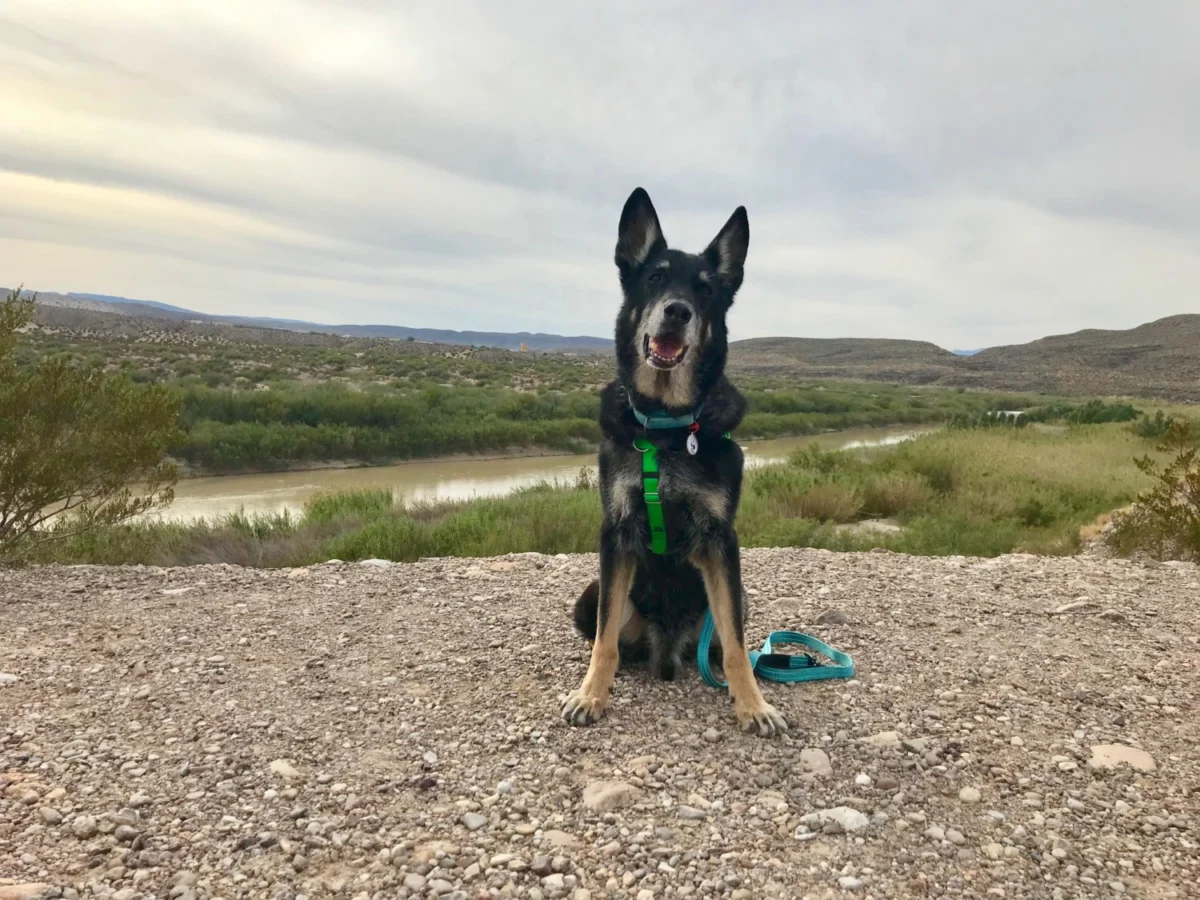
- Landscape: A striking convergence of massive canyons, sprawling desert expanses, forested mountain ranges, and the winding Rio Grande.
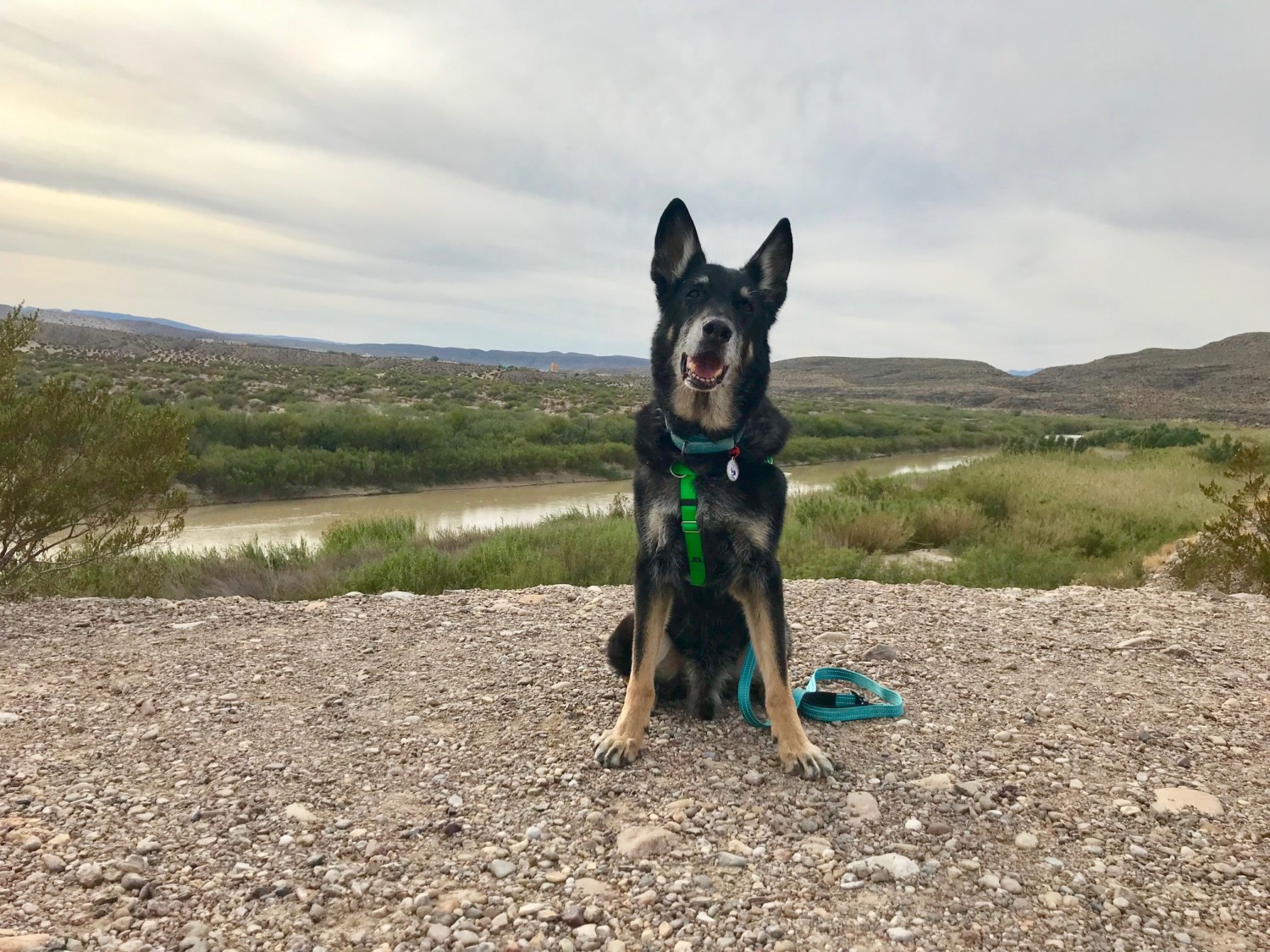
- Pet Regulations: While Big Bend National Park restricts pets from backcountry trails and the river, leashed dogs are permitted on over 200 miles of low-traffic dirt roads.
- Lodging: Year-round campsites, numerous private campgrounds, abundant pet-friendly Airbnbs and vacation rentals, and four dedicated pet-friendly hotels within driving distance in Terlingua and surrounding areas.
2. Dixie National Forest, Southern Utah
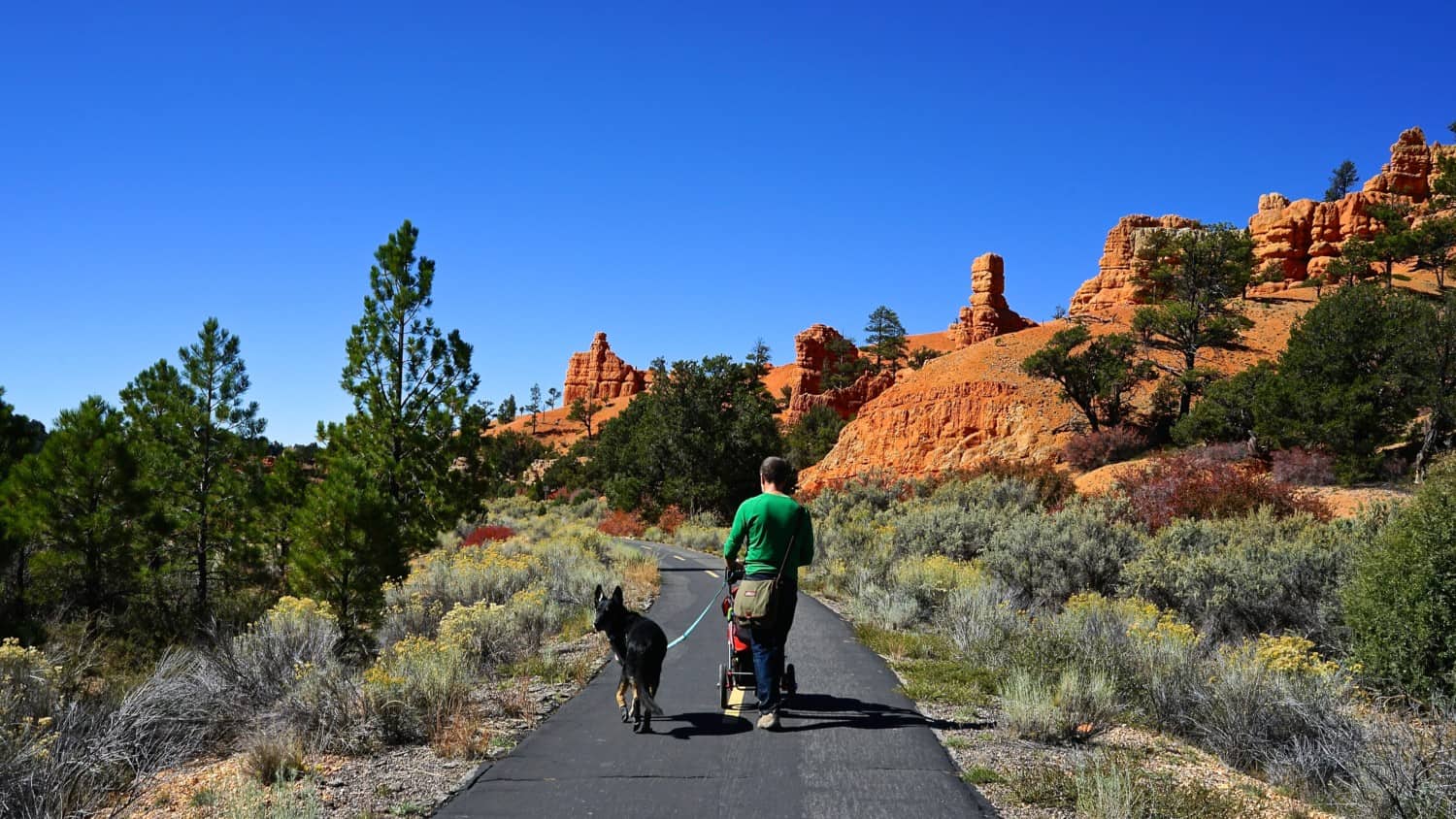
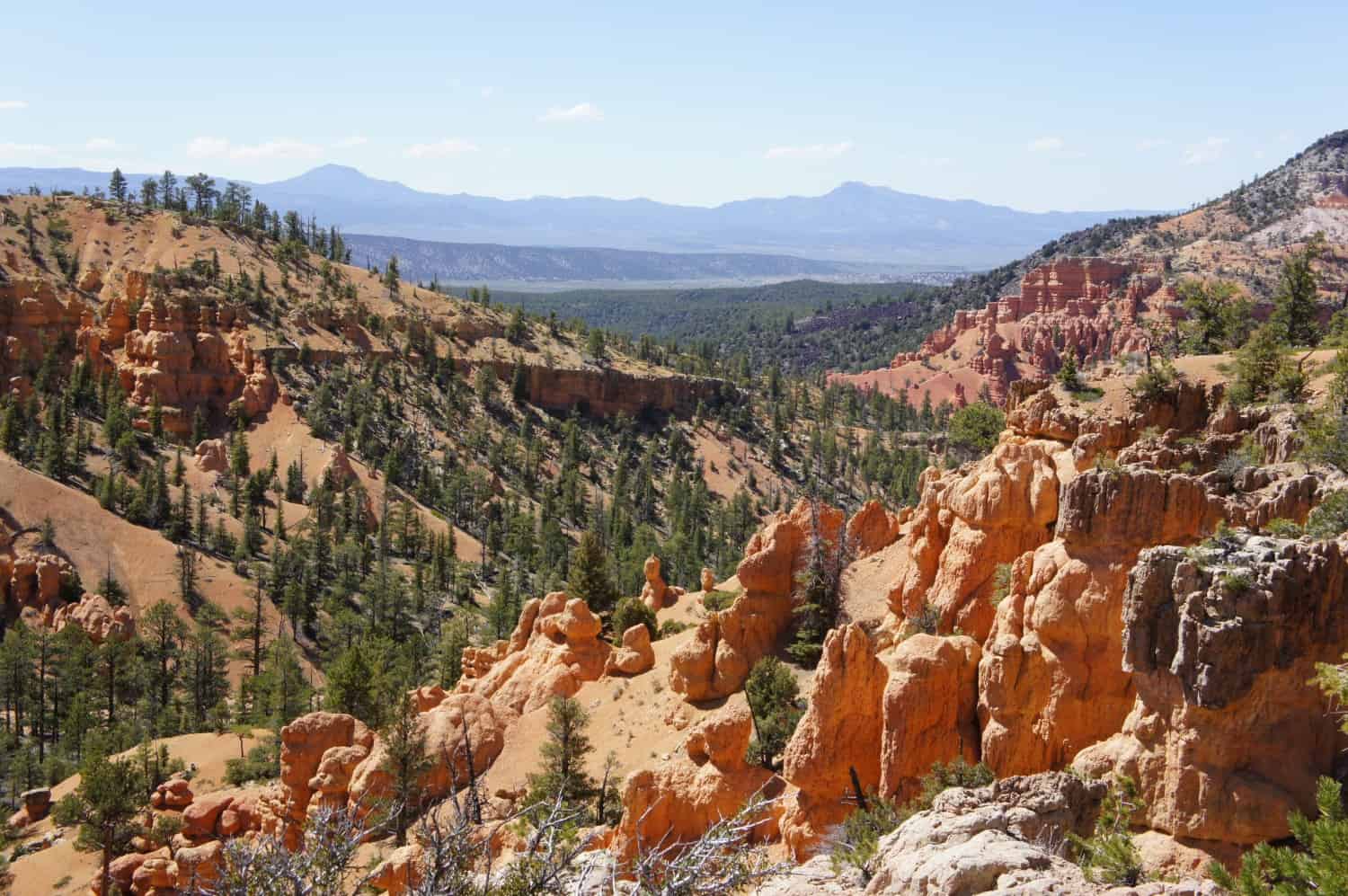
- Landscape: Spans nearly 2 million acres, encompassing 1,600 miles of trails, 500 miles of fishing streams, and 90 alpine lakes.
- Pet Regulations: Every square inch of the national forest is pet-friendly—offering a welcome alternative to neighboring Bryce and Zion National Parks, which enforce strict pet bans.
- Lodging: Eighteen seasonal campgrounds (open May through September) and pet-friendly hotels in the nearby town of Panguitch for off-season visits.
3. Florence, Oregon
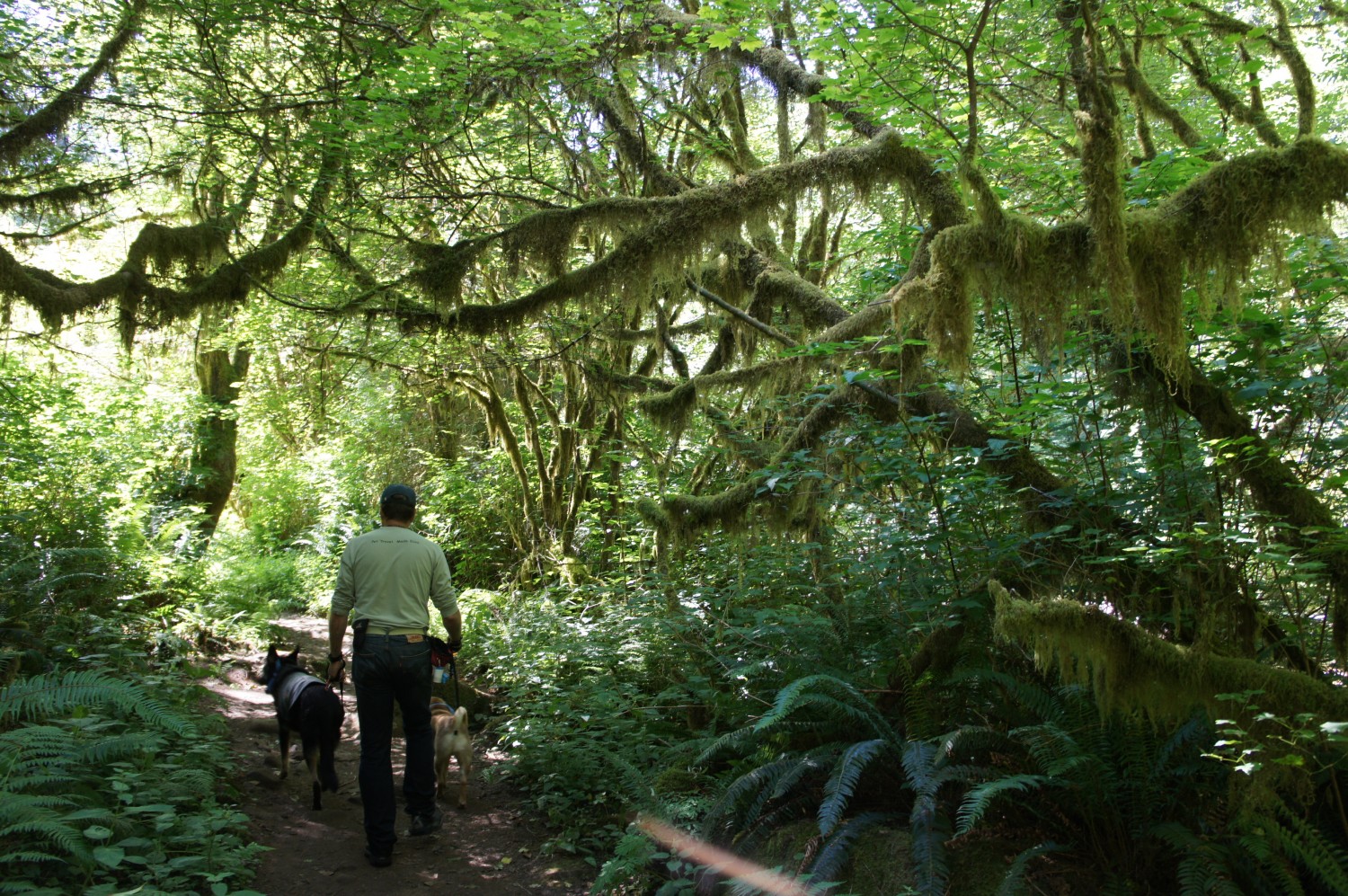
- Landscape: A relaxed coastal hub featuring the Oregon Dunes, the Siuslaw River, and the Siuslaw National Forest.
- Pet Regulations: Cape Perpetua features 26 miles of pet-friendly trails leading to ancient lava flows and panoramic coastal overlooks.
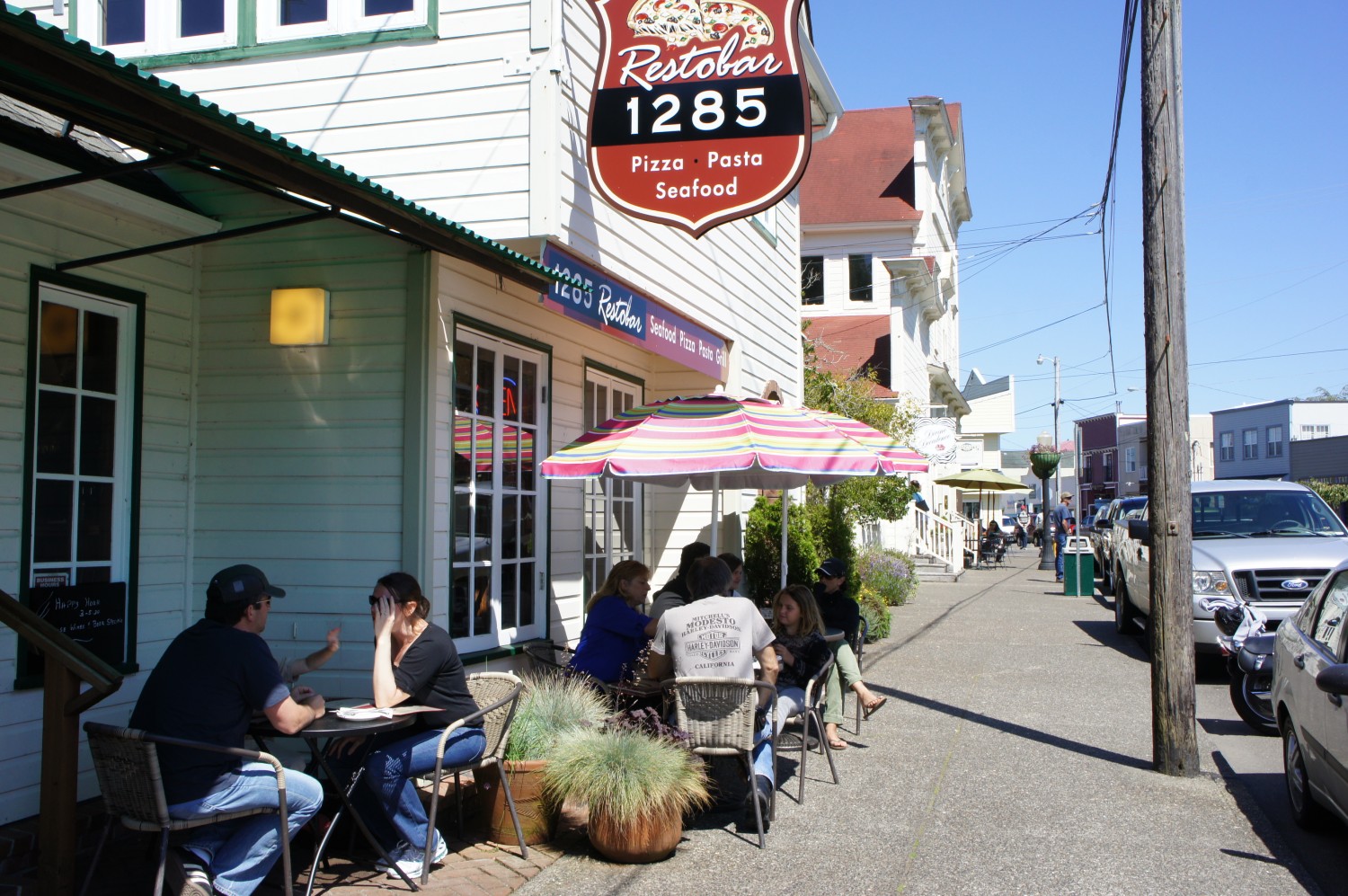
- Lodging: A high concentration of pet-friendly restaurants, vacation properties, and hotels such as the Best Western Plus Pier Point Inn, which accepts two pets up to 80 pounds per room.
4. Fort Worden State Park (Port Townsend, Washington)
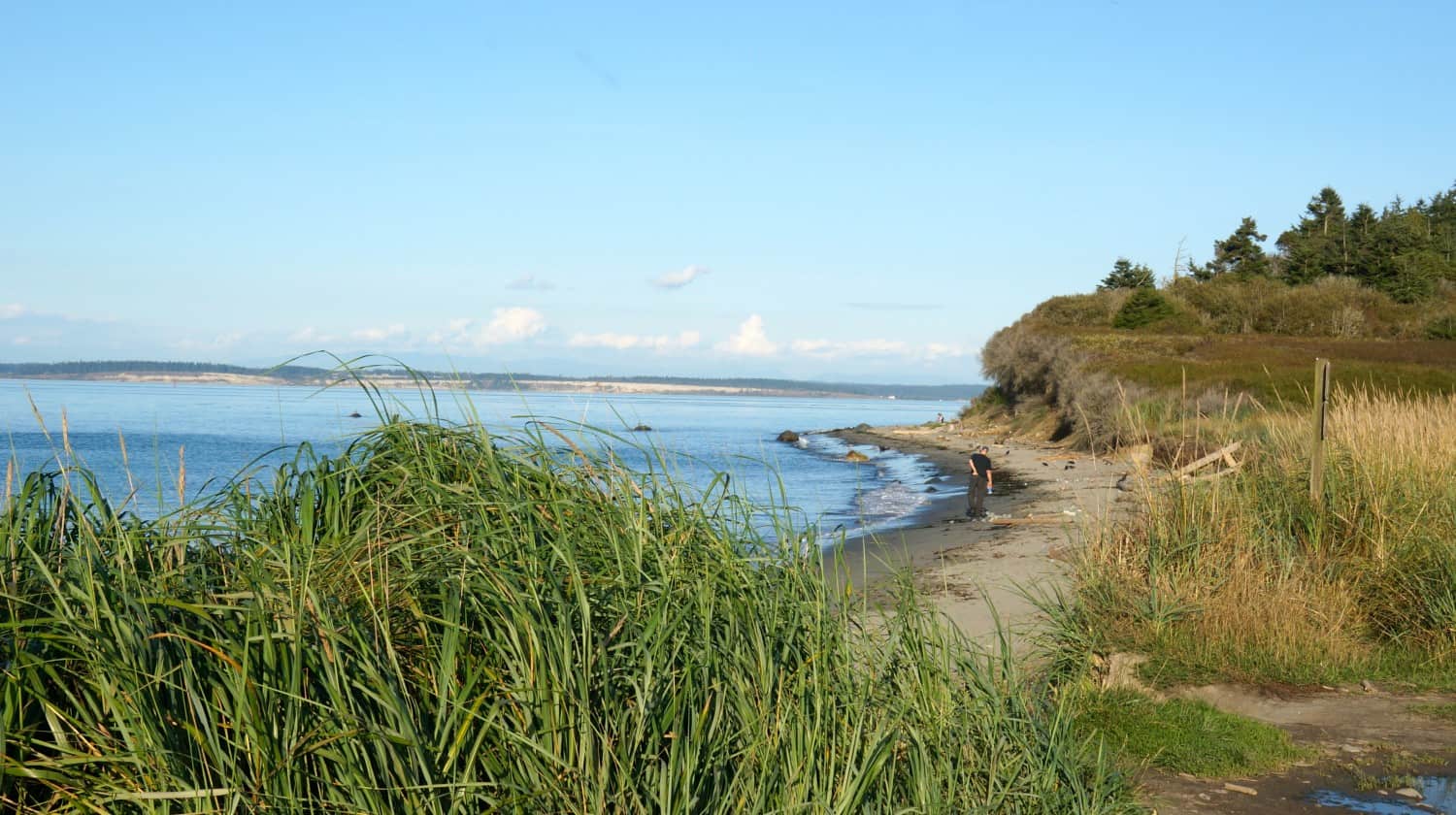
- Landscape: A 433-acre park on the Olympic Peninsula overlooking the Puget Sound, featuring historic military bunkers, gun batteries, and sandy beaches.
- Pet Regulations: Twelve miles of pet-friendly trails and two miles of accessible shorelines.
- Lodging: Two on-site campgrounds and five converted historic Victorian officer barracks that welcome pets.
5. Hudson Valley, New York
- Landscape: Rolling hills and river valleys located 90 minutes north of Manhattan, where the Hudson River cuts alongside the Catskill Mountains.
- Pet Regulations: Bear Mountain State Park allows pets to tackle scenic picnic areas and the historic eastern approach of the Appalachian Trail.
- Lodging: Extensive options including campgrounds, hotels, and vacation rentals spread across Kingston, Newburgh, and Tarrytown.
6. Mackinac Island, Michigan
- Landscape: A 3.8-square-island jewel sitting in Lake Huron, entirely free of personal automobiles.
- Pet Regulations: Pets are welcomed aboard ferries and are permitted on horse-drawn taxis, carriage tours, and throughout Mackinac Island State Park.
- Lodging: Premium pet-friendly resorts and rentals, including Mission Point Resort ($100 per-stay fee), Park Place Suites ($30/night), and Sunset Condos (variable rates based on pet weight).
7. Natchez Trace Parkway (Tennessee to Mississippi)
- Landscape: A 444-mile, billboard-free scenic drive stretching from Nashville to Natchez, featuring diverse plant life, cypress swamps, and historical markers.
- Pet Regulations: Twenty-eight self-guided nature and hiking trails are accessible directly off the parkway.
- Lodging: Primitive national park and forest campsites along the route, supported by a wealth of pet-friendly hotels in nearby towns.
8. Paradise Valley, Montana
- Landscape: A sweeping mountain-framed valley carved by the Yellowstone River as it flows north out of Yellowstone National Park.
- Pet Regulations: Gallatin National Forest provides exceptional pet-friendly hiking trails, while the surrounding riverbanks offer world-class outdoor recreation.
- Lodging: Ample public and private campgrounds, alongside pet-friendly hotel options in Gardiner, Livingston, and Bozeman.
9. St. Johnsbury, Vermont
- Landscape: A historic New England town nestled along the Passumpsic and Moose rivers, serving as a gateway to the Green and White Mountains.
- Pet Regulations: Home to Dog Mountain, a world-renowned 150-acre off-leash park featuring hiking trails, ponds, a pet art gallery, and the iconic Dog Chapel.
- Lodging: Local properties like the Fairbanks Inn offer pet-friendly rooms for a modest nightly fee, complemented by regional campgrounds.
Official Responses and Conservation Perspectives
Park rangers, tourism boards, and environmental officials emphasize that traveling with pets in natural settings carries a shared responsibility. While destinations like Dixie National Forest and Dog Mountain celebrate unfettered canine access, public land managers stress the importance of adhering to "Leave No Trace" principles.
Wildlife authorities in regions like Paradise Valley and Big Bend remind visitors that domestic pets can stress local wildlife—including bighorn sheep, bison, and ground-nesting birds—and attract predators such as coyotes and bears. Consequently, maintaining physical control via leashes where mandated, packing out waste, and respecting park boundaries ensure that these fragile ecosystems remain pristine and open to future generations of travelers and their companion animals.
Implications for the Future of Travel
The growing popularity of crowd-free, pet-inclusive destinations points toward a lasting change in consumer preferences. As traditional tourist destinations become increasingly commercialized and restrictive, travelers are placing a higher premium on authenticity, mental wellness, and uninterrupted bonding time with their pets.
This trend signals economic opportunities for rural communities, small-town hoteliers, and regional park systems willing to adapt their infrastructure to accommodate pet owners. By investing in pet-friendly lodging, clear trail mapping, and inclusive local businesses, lesser-known regions can successfully attract responsible travelers seeking solace far away from the beaten path.