By Outdoor & Pet Safety Desk
Published: Special Feature
Main Facts: The Allure and Peril of the Arid Frontier
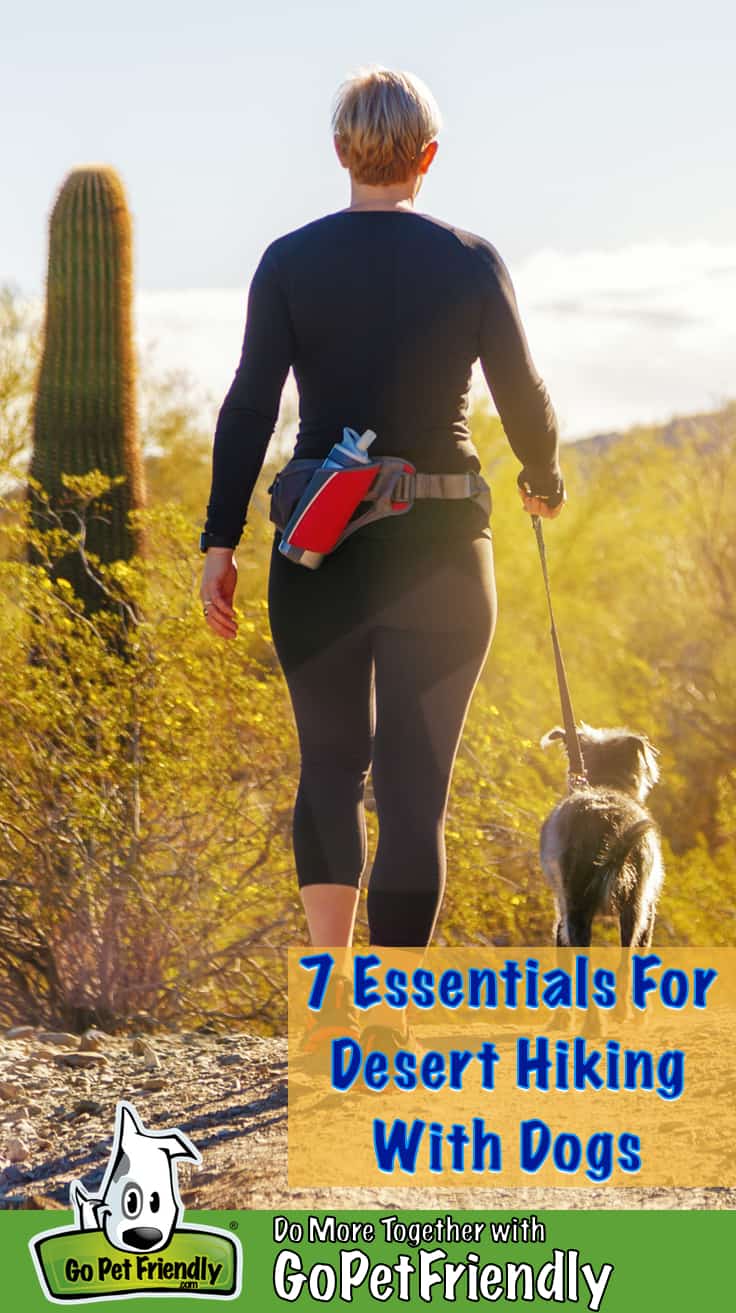
The American desert commands a profound, humbling respect. For outdoor enthusiasts seeking solace, the vast, sun-bleached horizons, sculpted red rock monoliths, and serene wilderness offer a deeply spiritual escape. Increasingly, hikers are choosing to share these majestic landscapes with their four-legged companions. However, venturing into the arid backcountry with a dog transforms a serene trek into a high-stakes expedition.
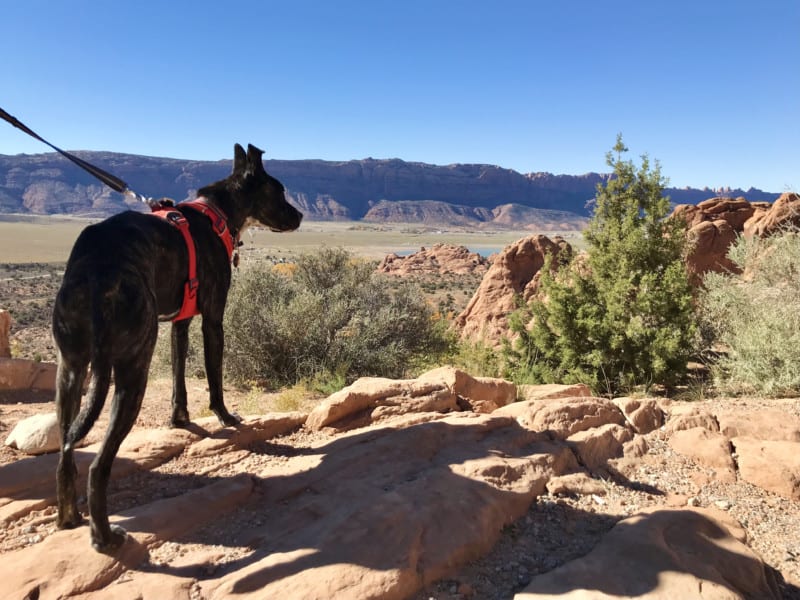
While lush Midwestern forests and coastal woodlands afford a margin of error—abundant natural water sources, soft earth, and temperate shade—the desert environment is radically unforgiving. Temperatures can skyrocket within minutes, natural water sources evaporate or turn toxic, and the terrain is laden with microscopic hazards, venomous wildlife, and searing ground temperatures capable of inflicting severe trauma.
This comprehensive guide examines the essential protocols, specialized gear, veterinary insights, and preventative measures required to safely navigate desert trails with a dog. Developed through rigorous field-testing by seasoned outdoor travelers, this framework provides the definitive checklist for safeguarding your pet against the harsh realities of the American wilderness.
Chronology: From Midwester Anxiety to Field-Tested Protocols
Phase One: The Transition from Temperate to Arid Climates
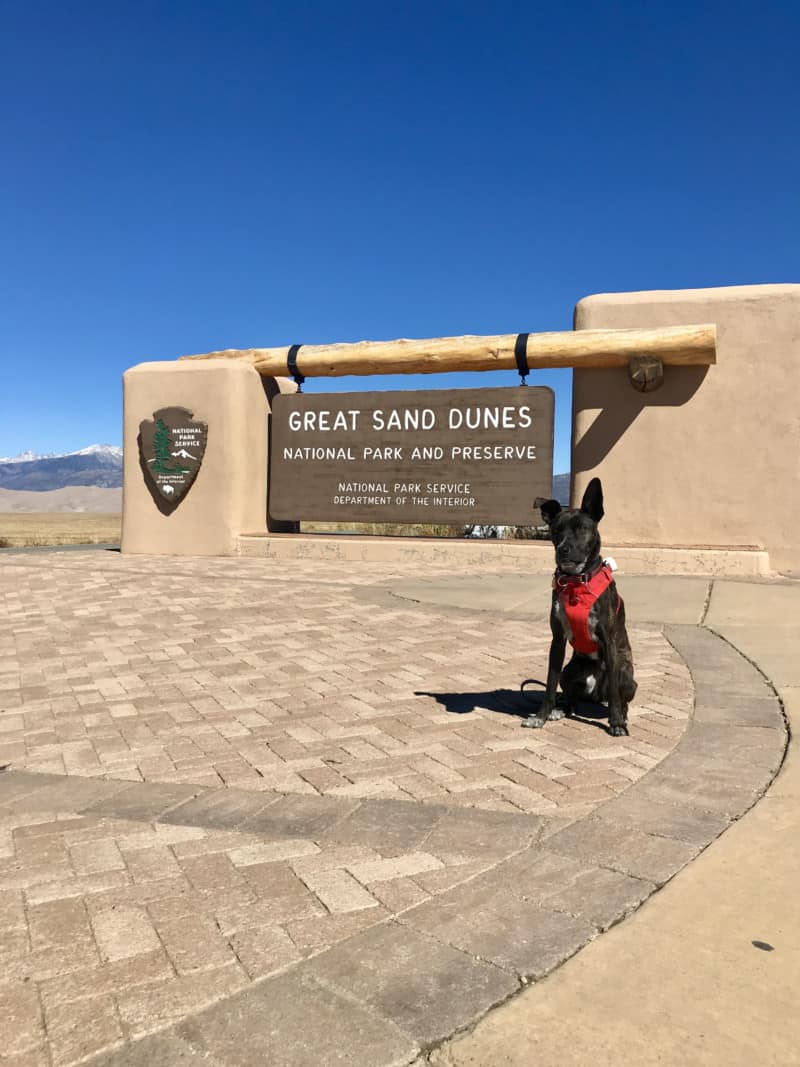
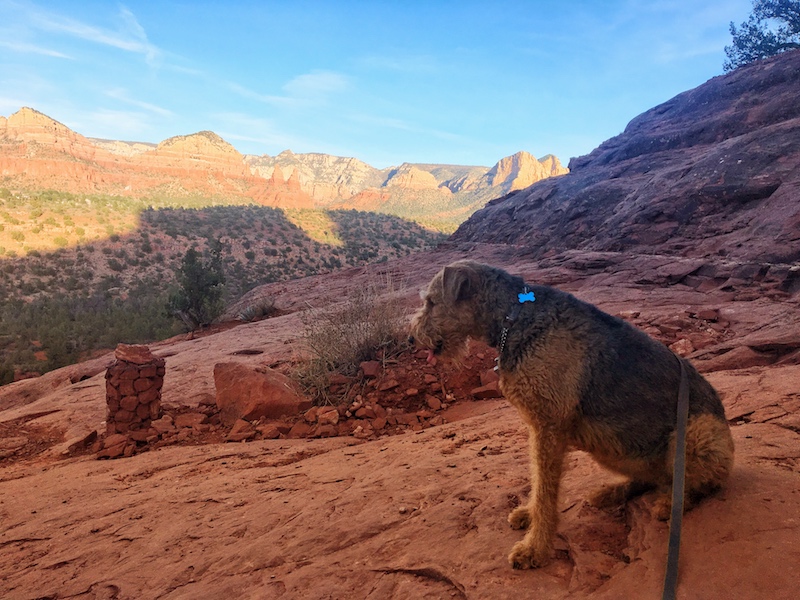
For most pet owners accustomed to hiking in temperate zones, the initial foray into desert landscapes triggers a distinct sense of anxiety. Traditional hiking intuition fails when applied to arid ecosystems. Recognizing a critical void in accessible, comprehensive literature regarding canine desert safety, seasoned hikers and pet advocates embarked on empirical field trials. Lacking structured resources, they utilized their own journeys—specifically navigating regions like the Great Sand Dunes National Park and the rugged expanses of Sedona—to test and refine survival equipment.
Phase Two: Evolution of the Field Kit
Through trial and error, a standard set of survival gear emerged, pivoting away from traditional, bulky items toward lightweight, multi-functional tools.

- The Hydration Breakthrough: Early iterations involved heavy ceramic bowls and static water distribution, which proved inefficient and wasteful. Transitioning to specialized canine hydration backpacks and precise squirt-bottle delivery systems revolutionized fluid management on the trail.
- The Emergency Boot Standard: Initially perceived as daily wear, dog boots were reclassified as critical emergency equipment to prevent heat stroke caused by trapped paw-pad sweat, deployed only during extreme heat or rocky traverses.
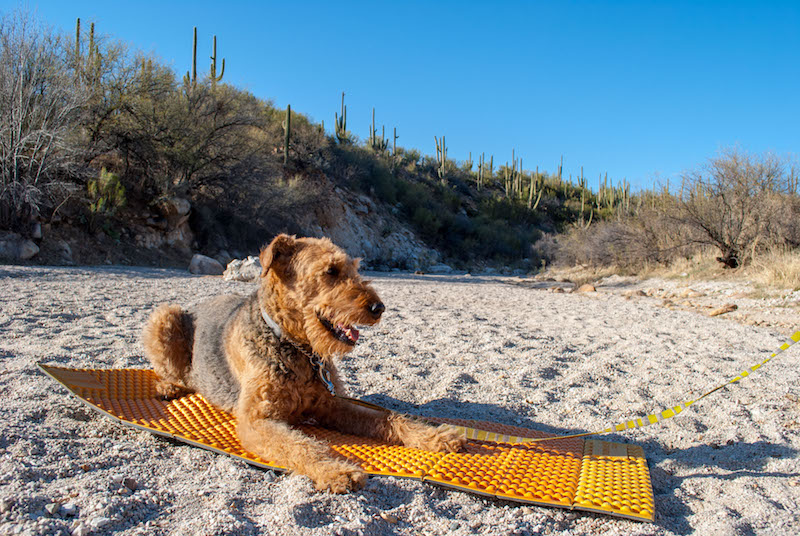
- Trailside Ergonomics: Recognizing that dogs suffer from localized fatigue and sharp debris just as humans do, the inclusion of compact resting pads and precision extraction tools (fine-tooth combs and tweezers) completed the modern desert canine kit.
Supporting Data: Essential Gear and Environmental Hazards
To quantify the necessity of specialized preparation, outdoor safety experts and veterinary professionals categorize desert threats into thermal, mechanical, and biological hazards.
1. Advanced Hydration Architecture
Unlike humans, dogs cannot sweat efficiently across their bodies; they rely primarily on panting and localized perspiration through their paw pads to regulate internal temperature. Consequently, water requirements skyrocket in high-heat environments.
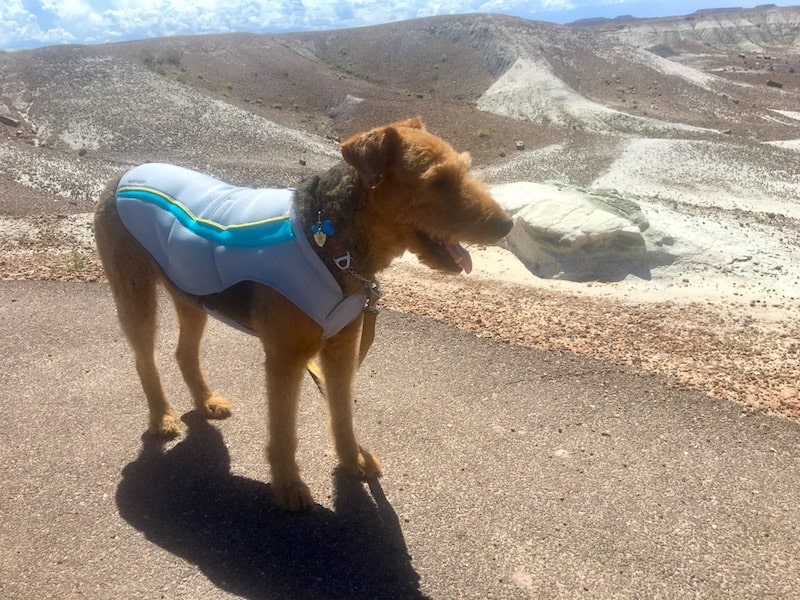
- The Unreliability of Desert Water: Natural streams, seasonal arroyos, and stagnant pools are entirely unreliable. A creek flowing heavily during spring snowmelt may be completely desiccated by mid-afternoon. Furthermore, stagnant desert water frequently harbors lethal bacteria, parasites, and cyanobacteria (blue-green algae).
- Carrying Capacity: Hikers must transport 100% of the water required for both themselves and their dogs. Utilizing a canine-specific hydration backpack (such as models engineered by Ruffwear) allows larger dogs to shoulder a portion of their own fluid weight.
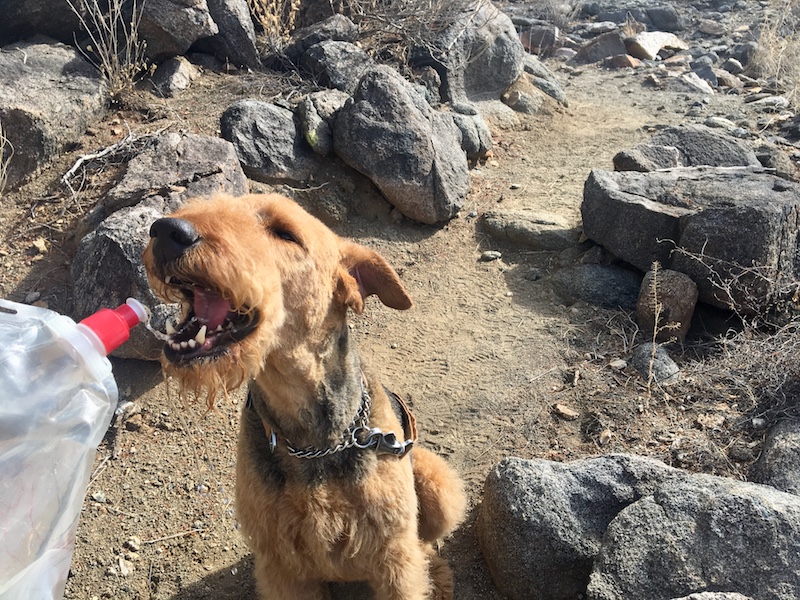
- The Delivery System: Dogs do not instinctively drink in a controlled, fountain-style manner from human bottles. Training a dog to sit facing the handler while receiving a gentle, controlled stream into the mouth prevents aspiration and dramatically reduces water waste compared to traditional bowl pouring. Collapsible, roll-up bottles with pop-tops serve as optimal field dispensers.
2. Canine Footwear: Emergency Mitigation vs. Overheating
The misconception that dogs should wear protective booties throughout an entire desert hike is a dangerous hazard. Because canine paw pads feature sweat glands essential for thermal regulation, sealing them inside rubber or fabric boots for extended periods can inhibit cooling and precipitate heat exhaustion.
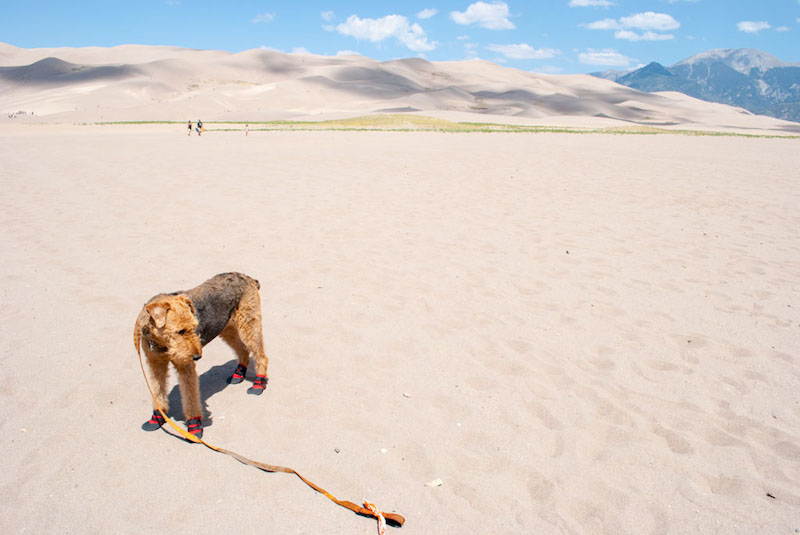
- When to Deploy Boots: Boots must be carried as emergency equipment, reserved for traversing searing surfaces—such as open sand dunes where surface temperatures can exceed ambient air by 30 to 50 degrees Fahrenheit—or for protecting a paw injured by sharp volcanic rock, glass, or rusted debris.
- Gear Selection: Rugged boots featuring dual-strap hook-and-loop closure systems (such as Ultra Paws Rugged Dog Boots) are favored by rescue specialists to ensure the footwear remains secure during dynamic movement.
3. Thermal Barriers: The Importance of Sit Pads
Extended trail breaks are necessary on arduous desert routes. However, forcing a dog to lie directly on the desert floor exposes them to sharp rock shards, abrasive gravel, prickly pear cactus pads, and scattered thorns. Providing a lightweight, closed-cell foam sit-pad—a miniature iteration of human backpacking sleeping pads—protects the dog’s joints, belly, and skin from abrasive or puncturing elements, ensuring safe, comfortable rest.
4. Mechanical Extraction Tools: Combs and Tweezers
Desert flora is heavily armed. Cacti (such as chollas and prickly pears), goathead thorns, and sand burrs represent persistent threats.
- The Fine-Tooth Comb: A basic metal fine-tooth comb is an indispensable $2 investment. Swept through a dog’s fur or paws, it rapidly dislodges spines and burrs before they can embed into the skin or transfer to the handler’s fingers.
- Precision Tweezers: For microscopic cactus glochids, wood splinters, or embedded bee stingers, high-tension tweezers are vital. Handlers must remember that spines hitching a ride in a dog’s coat can easily transfer to the handler during handling or leash management.
5. Medical Supplies: Specialized First-Aid Tape and Antihistamines
Standard human first-aid kits are fundamentally incomplete when applied to canine trauma.
- Pet-Safe Cohesive Bandage: Traditional adhesive tapes bond aggressively to fur and skin, causing severe pain and tissue trauma during removal. Specialized, self-adhering pet wrap (such as flexible cohesive bandages) adheres only to itself. It must be applied loosely to avoid restricting vascular circulation, serving as an immediate stabilization tool before veterinary evacuation.
- Antihistamines (Benadryl): Inquisitive dogs frequently target stinging insects, including bees, wasps, and desert-dwelling yellowjackets. Furthermore, environmental allergies can manifest unexpectedly. Carrying veterinary-approved diphenhydramine (Benadryl) is mandatory.
Official Responses: Veterinary Guidance and Biological Threats
To establish industry-standard safety protocols, animal health experts emphasize the importance of pre-trip veterinary consultations and proactive defensive medicine.
Veterinary Consensus on Medications and Dosages
Dr. Sarah Jenkins, a leading backcountry veterinary specialist, stresses that over-the-counter medications must never be administered arbitrarily.
"While Benadryl is an effective bridge therapy for acute insect stings or mild allergic reactions in dogs, the dosing schedule differs drastically from human medicine, scaled strictly by body weight. Administering an incorrect dose can lead to severe neurological or cardiovascular complications. Owners must consult their veterinarian prior to departure, secure exact dosage instructions in writing, and store those instructions directly inside their canine first-aid kit."
The Rattlesnake Threat: Prevention and Vaccination
Beyond botanical hazards, the desert is home to numerous venomous reptiles, notably the Western Diamondback Rattlesnake. While snakes generally seek to avoid human and canine activity, accidental close-range encounters are an inherent risk on remote trails.
- The Rattlesnake Vaccine: Veterinary medicine now offers a canine rattlesnake vaccine designed to stimulate antibodies against specific venom proteins. While the vaccine does not render a dog immune, clinical data indicates it significantly delays the systemic spread of venom, mitigating tissue necrosis and buying critical hours for emergency evacuation to a 24-hour veterinary facility.
- Expert Recommendation: Veterinarians advise that dogs frequently walked off-leash or traversing high-density rattlesnake habitats should undergo the multi-tier vaccination series, though owners must weigh regional risk profiles with their primary care clinician.
Implications: Fostering Responsible Stewardship in Fragile Ecosystems
The surge in pet-inclusive outdoor recreation carries profound implications for both animal welfare and ecological preservation.
From an animal welfare perspective, failing to adequately provision a dog in an extreme environment transitions from a simple oversight into an animal cruelty or negligence issue. Dehydration, thermal burns on paw pads, and systemic heatstroke are entirely preventable medical emergencies. By adopting rigorous preparation standards—treating the trail not as a casual walk, but as a technical alpine or desert expedition—owners drastically diminish the rate of search-and-rescue interventions on public lands.
Ecologically, unrestrained pets can severely disrupt fragile desert micro-ecosystems. Biological soil crusts, which take decades to form in arid regions, are easily pulverized by running paws. Furthermore, domestic scent trails can stress native desert fauna, including bighorn sheep, desert tortoises, and ground-nesting birds. Responsible desert hiking with dogs necessitates strict adherence to leash laws, staying firmly on established durable surfaces, and practicing leave-no-trace principles.
Ultimately, exploring the desert with a canine companion offers an unparalleled bonding experience, bridging human introspection with canine curiosity. By respecting the raw power of the arid wilderness and equipping oneself with meticulous planning, targeted gear, and veterinary foresight, hikers can ensure that every adventure ends safely back at the trailhead.

For additional product comparisons, gear recommendations, and pet-safe travel itineraries, consult official wilderness registries, local park rangers, and authorized outdoor equipment retailers.