
For millions of pet owners, the dream of traveling to a distant destination—or relocating across the country—often hits a significant hurdle: the logistics of air travel. While the thought of placing your companion in a carrier or checking them into cargo can be a source of profound anxiety, modern air travel for pets has become safer and more regulated than ever before. With the right preparation, a solid understanding of airline protocols, and a focus on your pet’s comfort, the skies don’t have to be daunting.
The Reality of Modern Pet Air Travel
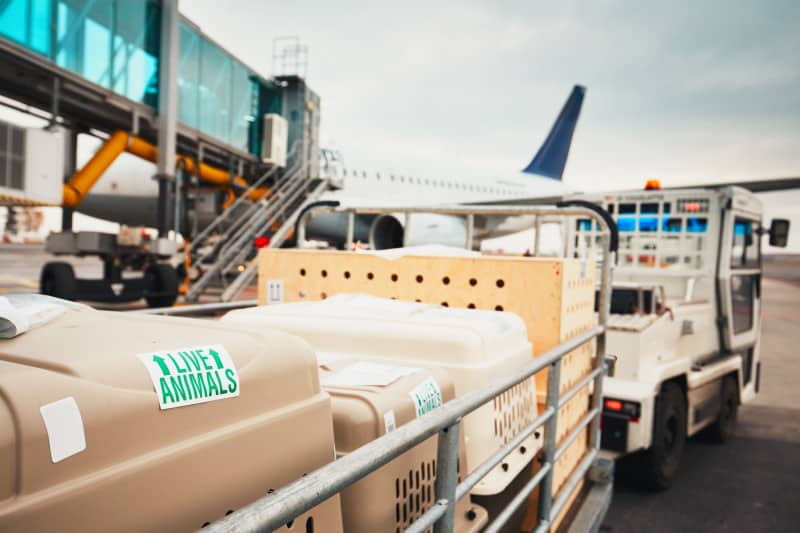
Contrary to the occasional sensationalized news story, the vast majority of pets traveling by air arrive at their destinations without incident. According to data provided by the Department of Transportation (DOT), U.S. airlines transport hundreds of thousands of animals annually. The industry has responded to public scrutiny by implementing stricter safety standards, climate-controlled cargo holds, and more transparent tracking systems.
The core of a successful flight experience lies in the owner’s diligence. By treating your pet’s travel arrangements with the same level of care as your own—or perhaps even more—you significantly mitigate the risks associated with altitude, confinement, and stress.
A Chronological Roadmap to Your Flight
Preparing for a flight with a pet is a process that begins long before you arrive at the terminal. To ensure a seamless journey, follow this chronological timeline.
Phase 1: The Initial Assessment (3–4 Months Out)
Before booking a ticket, consult your veterinarian. Not all animals are suited for the rigors of air travel, particularly those with underlying health conditions or advanced age. During this visit, discuss the physical and psychological requirements of the journey. If your veterinarian provides medical clearance, begin researching the specific airline’s pet policy. Every carrier has different rules regarding breed restrictions, weight limits, and cabin versus cargo requirements.
Phase 2: Booking and Documentation (2 Months Out)
Airlines cap the number of pets allowed on any single flight. Once you have selected your carrier, secure your reservation immediately. For international travel, the timeline expands significantly. You may need to secure import permits, specialized vaccinations, or microchip certification, some of which require government-level processing that can take months.
Phase 3: Acclimation (4–6 Weeks Out)
Your pet’s carrier should be their sanctuary, not a source of fear. Purchase your airline-approved carrier well in advance. Place it in a high-traffic area of your home, fill it with familiar bedding and favorite toys, and encourage your pet to eat, sleep, and play inside. Gradually increase the duration of time the door is closed, ensuring the pet remains calm and secure.
Phase 4: The Final Check-up (10 Days Out)
Most airlines require a health certificate issued by a licensed veterinarian within 10 days of travel. This document is a critical piece of your travel dossier; ensure it is easily accessible in your carry-on luggage.
9 Essential Tips for a Safe Journey
1. Consult Your Veterinarian Rigorously
Your vet is your most important partner in this process. Beyond the required health certificate, discuss strategies for anxiety management. Ask about the specific risks regarding your pet’s breed, weight, and general health profile.
2. Understand Breed-Specific Risks
Brachycephalic (short-nosed) breeds, such as Pugs, Boxers, and Bulldogs, face unique respiratory challenges at high altitudes. Many airlines restrict these breeds from flying in cargo holds, where temperature fluctuations are more pronounced. Always verify if your pet is on a restricted list and whether they meet the criteria for in-cabin travel.
3. Early Booking is Non-Negotiable
Because of the strict quotas on animals per flight, waiting until the last minute is a recipe for disaster. Booking in advance guarantees your spot and allows you to confirm your pet’s presence on the flight manifest with the airline’s customer service desk.
4. Master the Art of Kennel Training
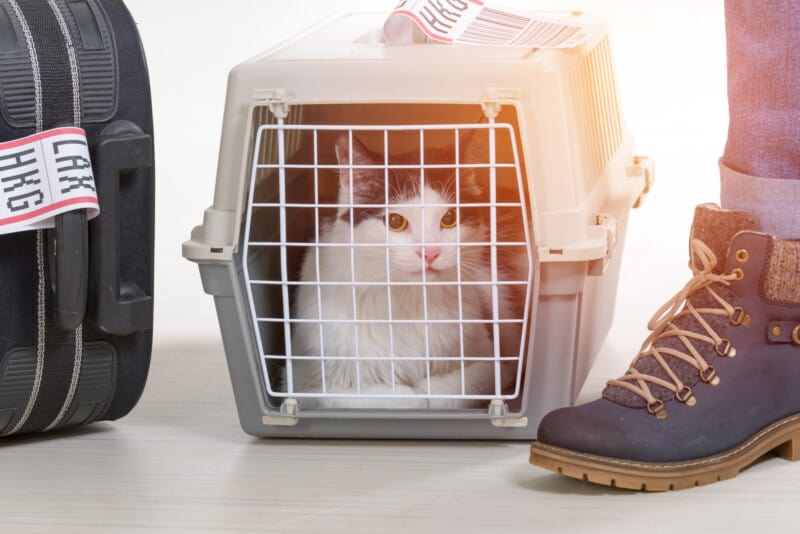
The kennel must feel like a "den." If your pet associates the carrier with safety and comfort, the stress of the airport environment is significantly reduced. Never force a pet into a kennel; use positive reinforcement, such as high-value treats, to encourage them to enter willingly.
5. Avoid Sedation
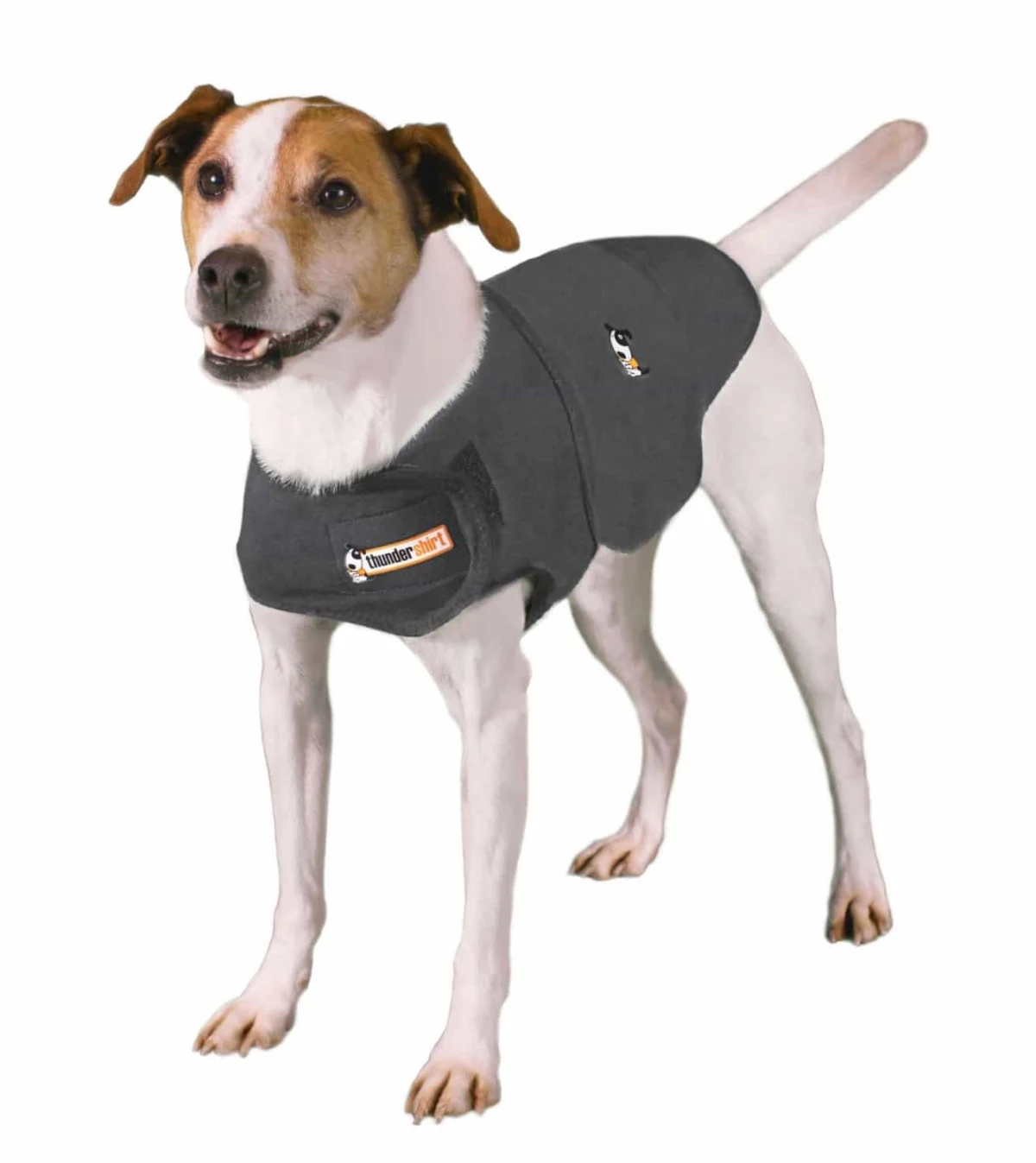
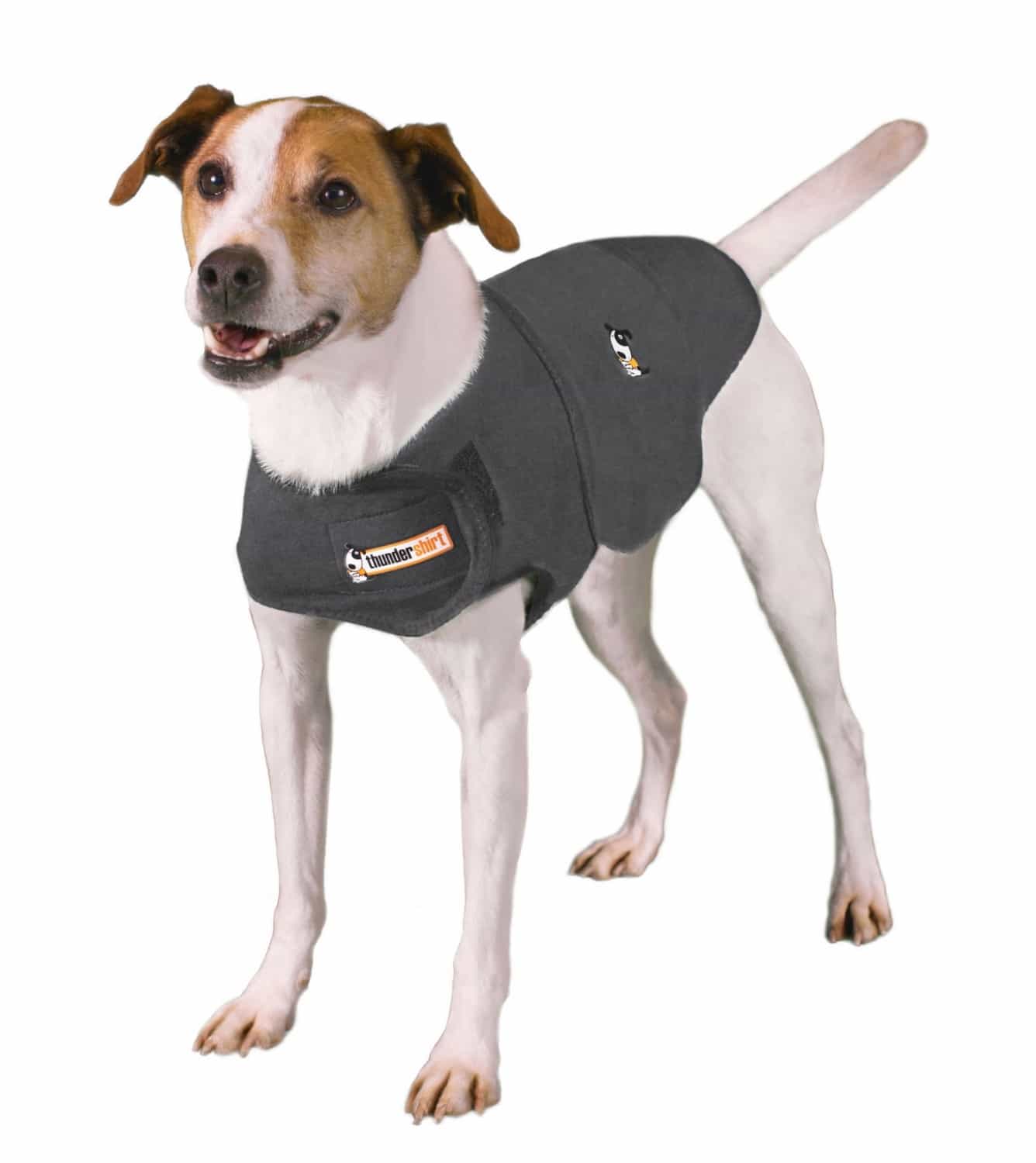
It is a common misconception that a sedative will make the flight easier for a pet. In reality, tranquilizers can inhibit a pet’s ability to regulate their body temperature and maintain balance at high altitudes, which can lead to dangerous respiratory issues. Unless your veterinarian prescribes a specific medication for a clinical reason, rely on natural calming aids like pheromone sprays, compression vests, or CBD (where legal and approved by your carrier).
6. Leverage Early Boarding
Don’t be afraid to ask gate agents for early boarding. Having 10–15 minutes to secure your pet’s carrier under the seat in front of you—without the pressure of the aisle-clogging rush—is invaluable for your peace of mind and your pet’s composure.
7. Organize Your Documentation
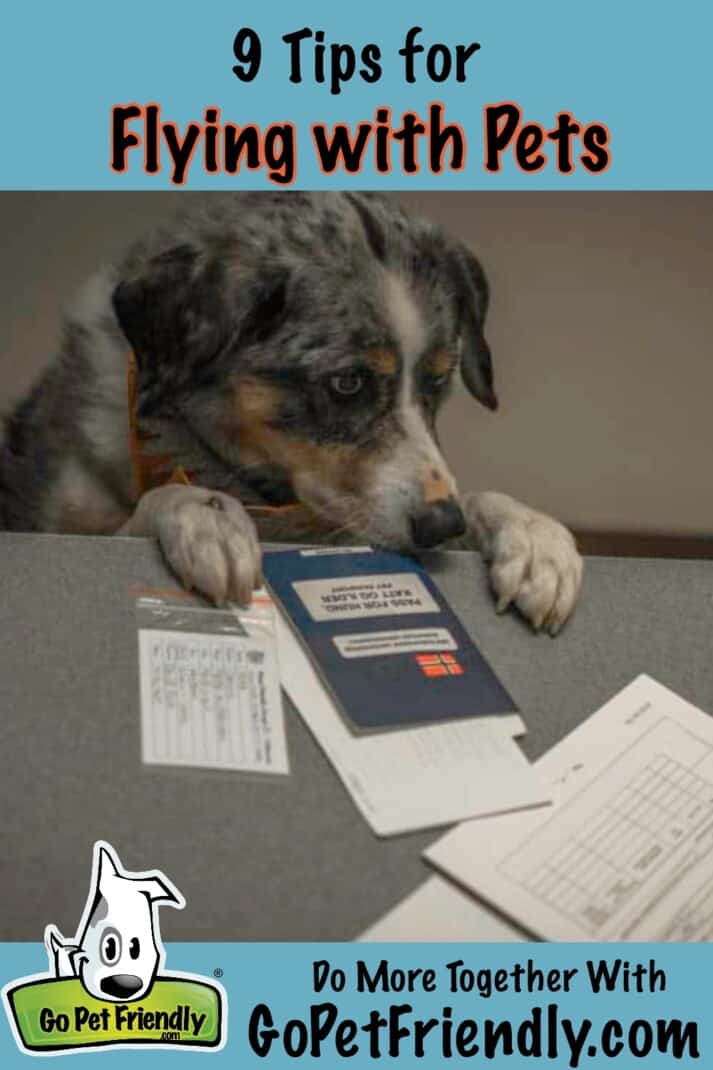
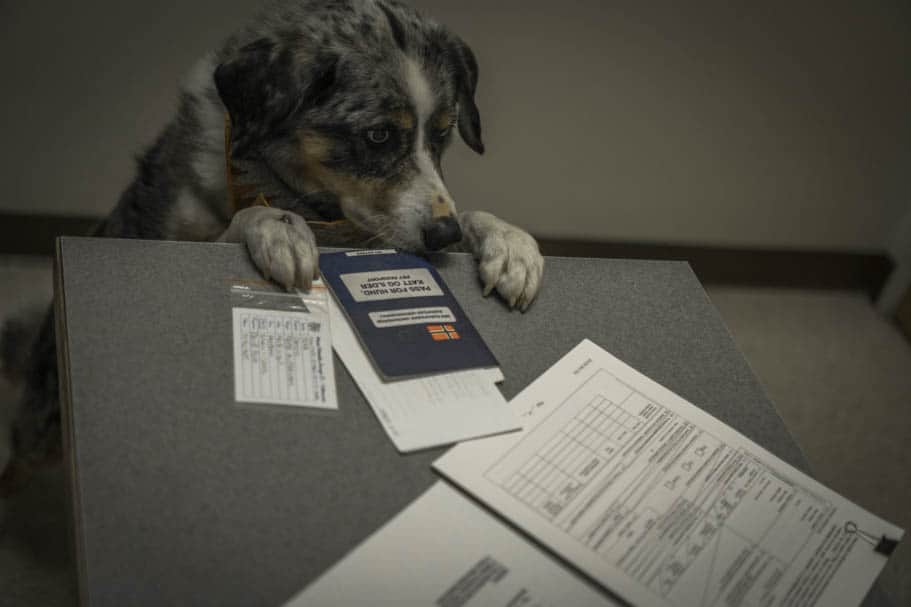
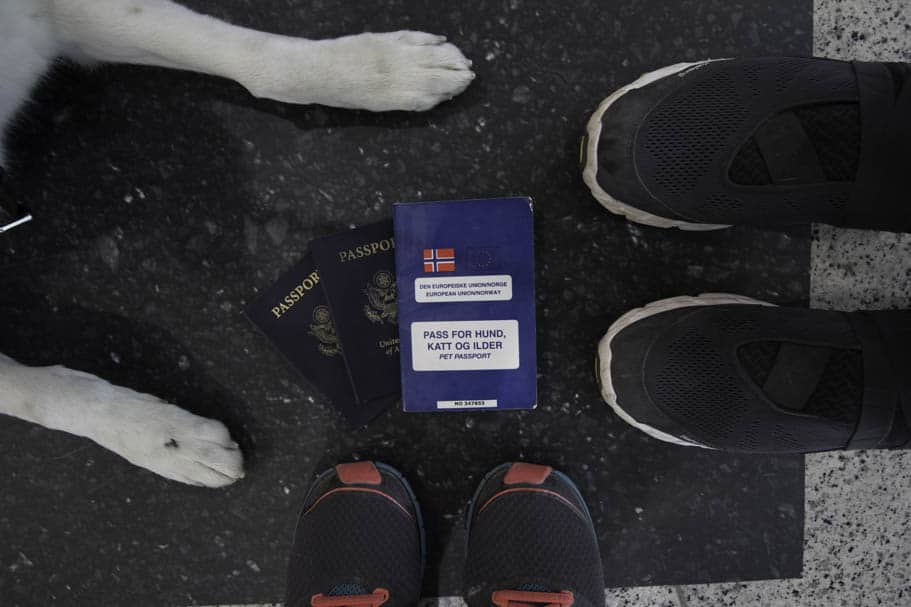
Create a "Pet Passport" folder. Include your veterinarian’s contact information, vaccination records, the health certificate, and any airline-specific forms. Keep this in a dedicated pocket of your carry-on bag so you are never fumbling for paperwork when an agent asks for it.
8. Map Out Pet Relief Areas
Federal regulations require major airports to provide pet relief areas. Before your flight, check the airport’s website to locate these facilities. If you have a layover, knowing exactly where to go will save you precious time and reduce your pet’s anxiety during the transition.
9. Pressure Equalization
Just like humans, pets feel the change in cabin pressure in their ears during take-off and landing. Offering a chew toy or a hard, durable treat during these phases encourages swallowing, which helps equalize pressure in the ear canal and provides a comforting distraction.
Supporting Data and Industry Standards
According to the U.S. Department of Transportation, the safety of pets in transit is monitored through mandatory incident reports. While the numbers are statistically small, they highlight the importance of choosing airlines with strong track records. Airlines such as Delta, United, and American have specific "PetSafe" or specialized programs that provide tracking and temperature-controlled environments for animals traveling in the hold.
Data suggests that the majority of issues arise not from the flight itself, but from improper kennel sizing or pre-existing health conditions that were not identified before departure. Investing in a crash-tested, IATA-compliant carrier is a critical data-backed strategy for ensuring survival in the unlikely event of turbulence or handling mishaps.
Official Airline Perspectives
Major carriers emphasize that their pet policies are designed primarily for the safety of the animal. Most airline representatives note that the biggest mistake owners make is failing to read the fine print.
"Every airline has different definitions of ‘in-cabin’ versus ‘cargo’," notes one industry analyst. "What works on one carrier may be strictly forbidden on another." Airlines consistently urge passengers to call the specific flight operations desk at least 48 hours before departure to re-confirm that the pet is correctly listed in the system, even if the booking was made months in advance.
Implications for the Future of Pet Travel
As the "pet parent" demographic continues to grow, the airline industry is under increasing pressure to modernize. We are seeing a trend toward more transparent real-time tracking of pets in cargo, with some airlines testing GPS-enabled kennel tags. Furthermore, the push for more accessible, cleaner, and better-located pet relief areas within terminals is becoming a standard point of competition for airport authorities looking to attract modern travelers.
Ultimately, flying with your pet is a testament to the bond you share. It requires patience, thorough research, and a commitment to your pet’s well-being that outweighs the convenience of a quick departure. By following these guidelines, you move from a place of uncertainty to one of preparation, ensuring that the journey is just as enjoyable as the destination.