By Outdoor & Pet Safety Desk
Published: October 2023
Estimated Reading Time: 8 minutes
Main Facts: The Hidden Dangers and Delights of Arid Exploration
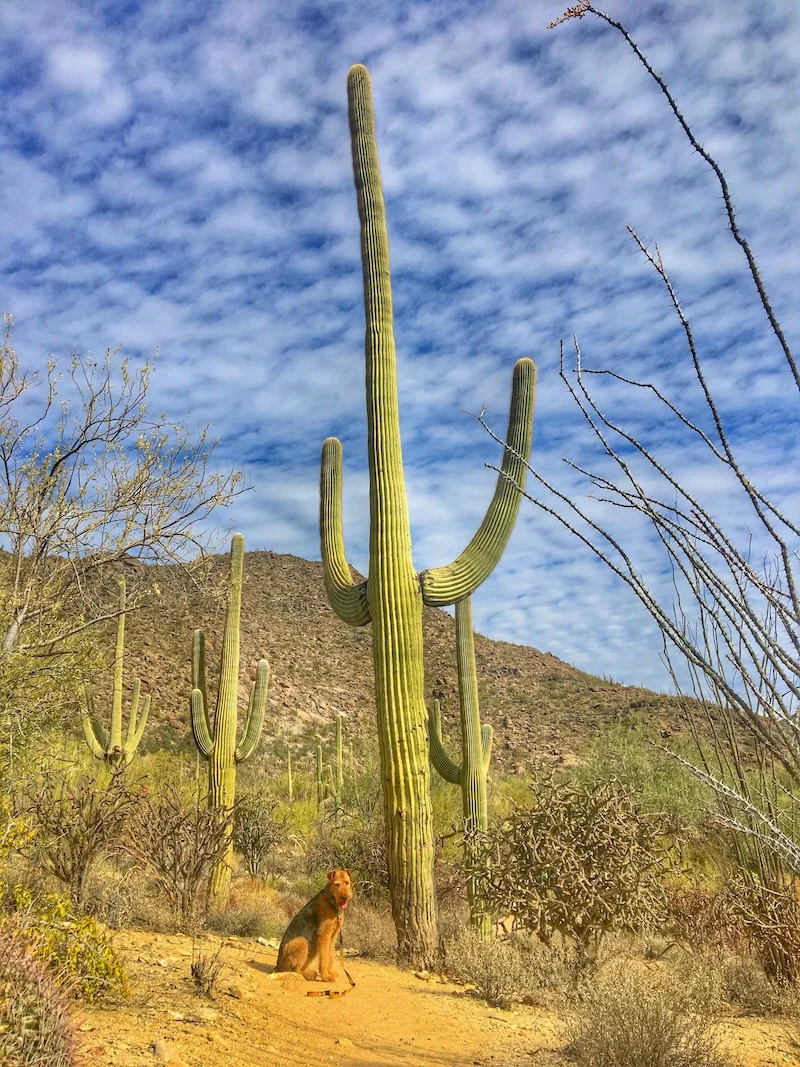
For outdoor enthusiasts, there is an undeniable, magnetic allure to hiking in the desert. The vast, sweeping landscapes offer a profound sense of serenity, quietude, and raw, untouched beauty. However, seasoned backpackers know that this peaceful aesthetic belies a harsh reality: the desert is an unforgiving ecosystem. When humans venture into arid environments, every step requires calculation and respect. When they bring a dog along, the stakes multiply exponentially.
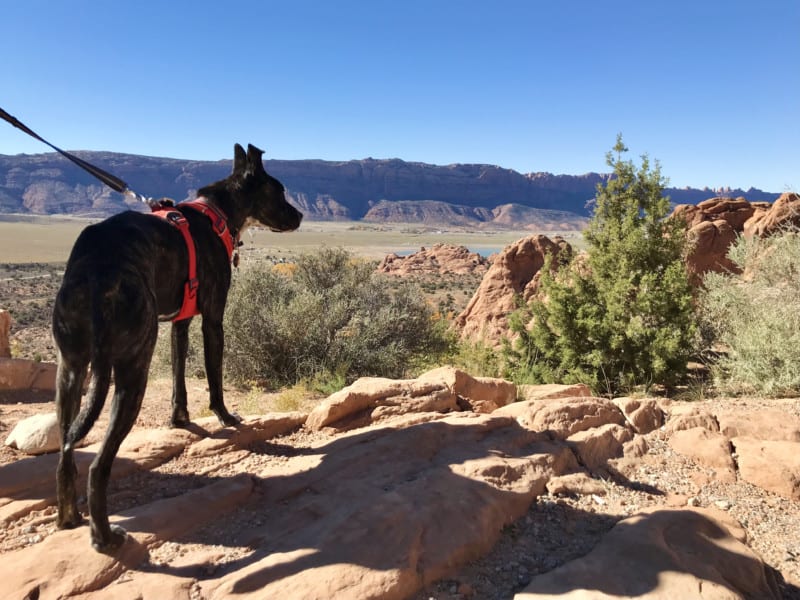
Unlike lush, temperate forests crisscrossed by dependable streams and shaded by thick canopies, the desert environment strips away margin for error. High ambient temperatures, abrasive terrain, hidden wildlife, and dehydration can turn a leisurely afternoon hike into a life-threatening emergency in a matter of hours.
To bridge the gap between outdoor recreation and canine safety, experienced hikers and pet advocates have developed a comprehensive framework for desert trekking with dogs. Far beyond the standard leash and waste bags, exploring arid public lands requires specialized gear—ranging from hydration management systems and protective footwear to emergency medical supplies capable of treating everything from cactus needles to scorpion stings.
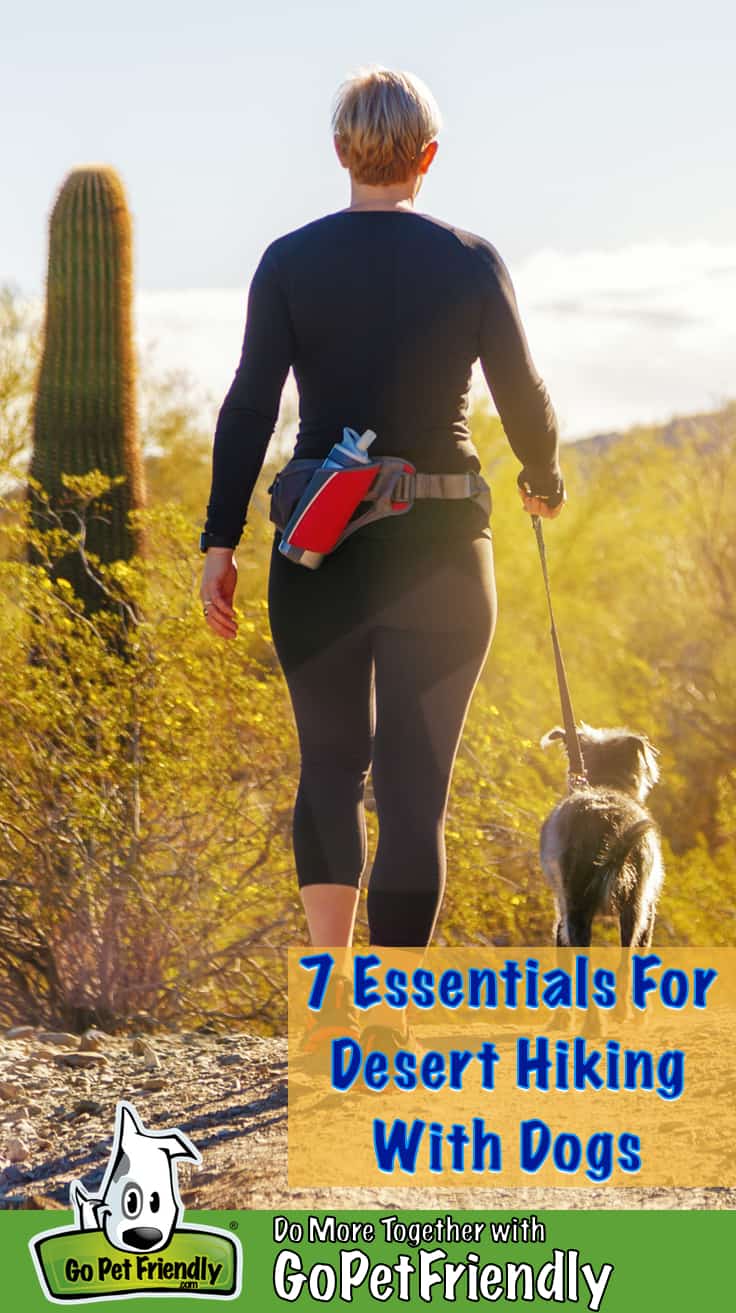
Chronology: Field-Testing the Ultimate Desert Dog Kit
The genesis of modern desert canine preparation largely stems from trial and error by hikers transitioning from temperate biomes to arid landscapes. For years, outdoor literature focused almost exclusively on human gear, leaving pet owners to improvise.
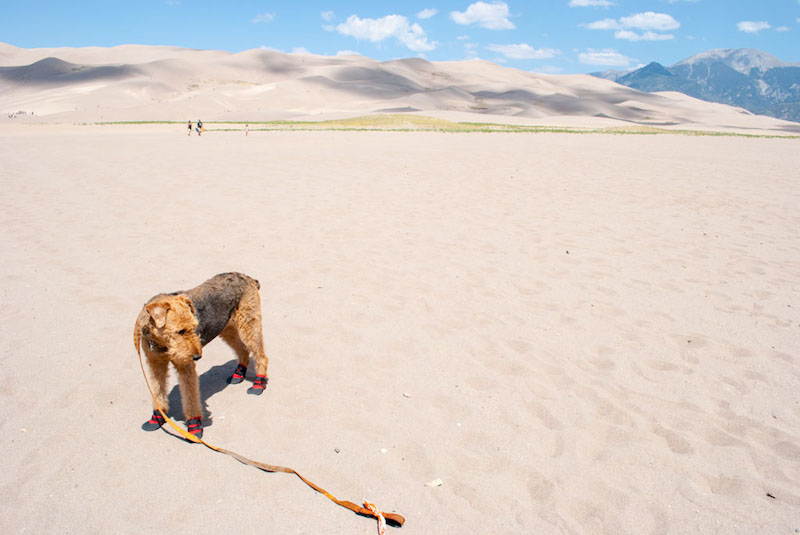
- The Transition Phase: Many cross-country hikers, accustomed to the forgiving trails of the American Midwest or East Coast, initially approach the desert with a false sense of security. Upon realizing a lack of centralized, reliable resources for canine desert safety, outdoor advocates began field-testing gear under extreme conditions—ranging from the rocky red-rock trails of Sedona to the shifting, scorching sands of Colorado’s Great Sand Dunes National Park.
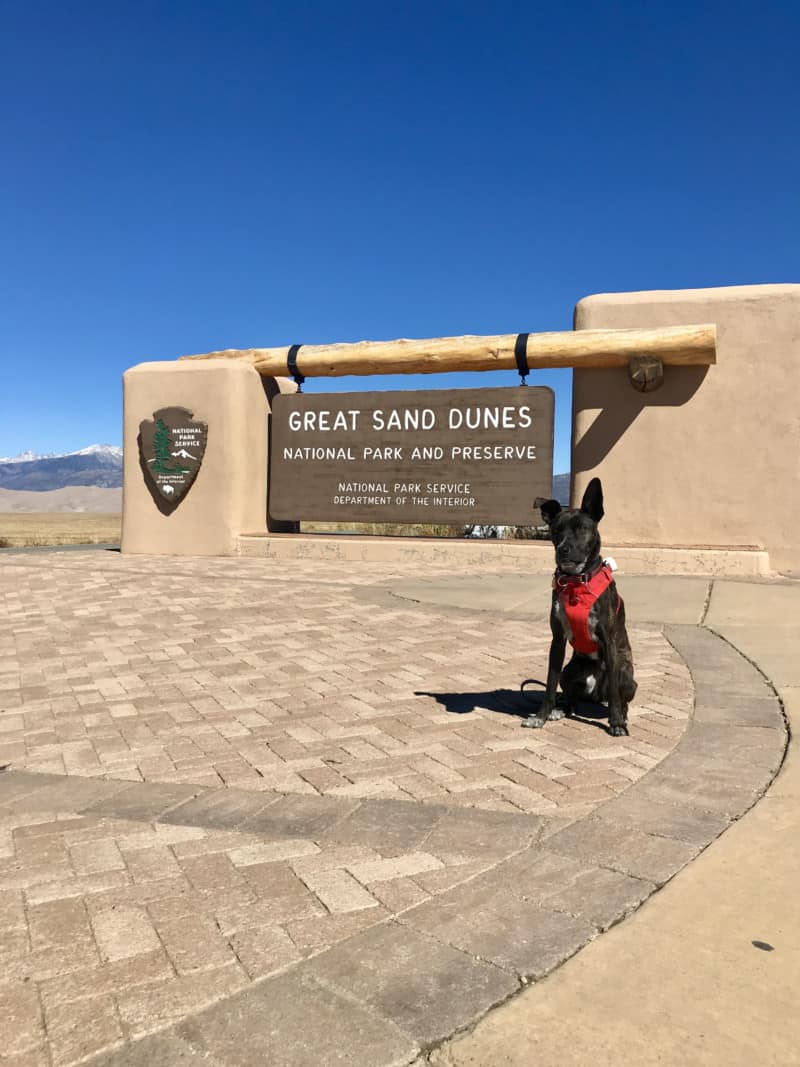
- The Evolution of Equipment: Through iterative field tests with canine companions like Bailey, an adventurous mixed-breed hiker, outdoor experts identified critical failure points in traditional pet hiking gear. Standard cloth water bowls proved too wasteful; basic cotton leashes caught sharp brush; and unprotected paw pads suffered blistering burns on surfaces where temperatures routinely exceed ambient air readings by 30 to 40 degrees Fahrenheit.
- Establishment of Best Practices: Over successive seasons of trail testing, a standardized checklist emerged. Today, this checklist serves as the baseline blueprint for responsible pet owners navigating Bureau of Land Management (BLM) territory, national parks, and state wilderness areas across the American Southwest.
Supporting Data: The Physical Toll of Arid Environments on Canines
Understanding why specialized gear is mandatory requires a close look at canine physiology in high-heat, low-moisture environments.

- Thermoregulation Vulnerabilities: Unlike humans, who sweat across their entire epidermal surface, dogs regulate their internal body temperature primarily through panting and, to a minimal degree, through sweat glands located in the pads of their paws. Covering a dog’s paws continuously with heavy boots can impede this natural cooling mechanism, risking heatstroke. Consequently, footwear must be deployed strategically rather than worn continuously.
- Hydration Metrics: In desert climates, canine water requirements skyrocket. While a dog at rest in a temperate climate might consume an ounce of water per pound of body weight daily, rigorous hiking under a desert sun can double or triple fluid demands. Natural water sources—such as desert streams, potholes, and ephemeral pools—are notoriously unreliable. A creek bed flowing rapidly during a flash flood season can be completely desiccated a week later, and stagnant desert water often harbors dangerous cyanobacteria, parasites, and chemical contaminants from local wildlife.
- Thermal Conductivity of Terrain: Sand and rock do not merely reflect sunlight; they absorb and retain thermal energy. At an air temperature of 95°F (35°C), exposed asphalt or light-colored sand can reach a scorching 125°F (51°C)—hot enough to cause severe, third-degree burns and sloughing of canine paw pads in less than a minute.
Official Recommendations: The Seven Essential Pillars of Desert Canine Gear
To ensure a safe and successful trek, experts recommend organizing your pack around seven core equipment categories specifically tailored for desert conditions.
1. Advanced Hydration Systems
Relying on natural water sources in the desert is a gamble no hiker should take. You must pack enough water for both yourself and your animal for the entirety of the projected route, plus an emergency surplus.
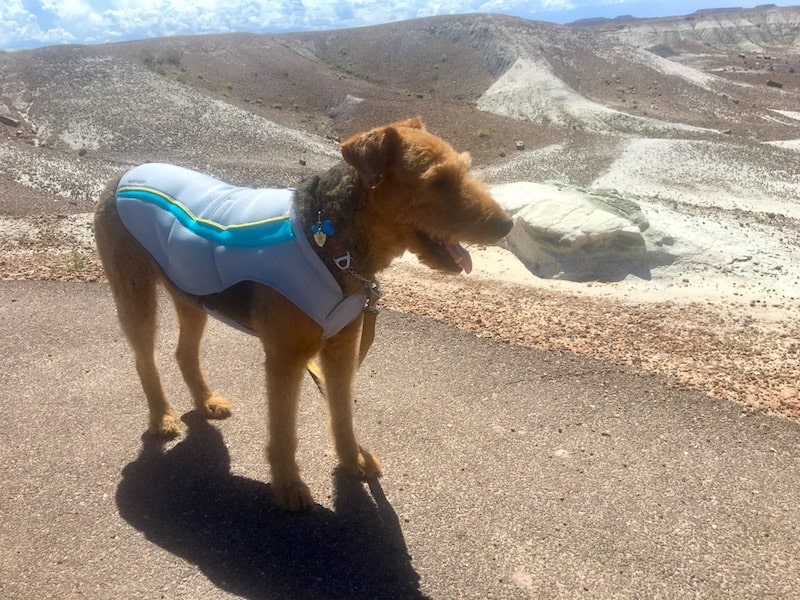
- Carrying the Load: To distribute weight efficiently, consider outfitting your dog with a specialized canine hydration backpack, such as models manufactured by Ruffwear, allowing them to carry their own portable water supply.
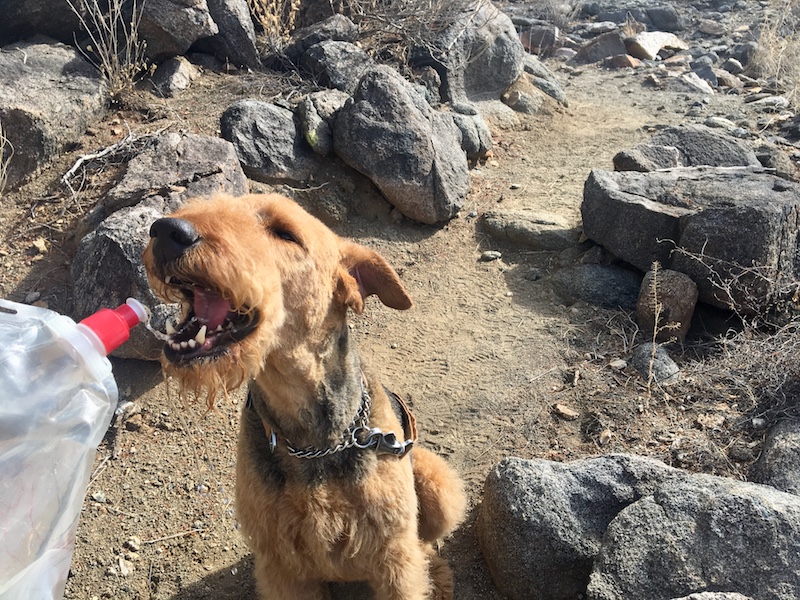
- Efficient Delivery: Traditional bowls waste precious liquid through spills and evaporation. Training your dog to drink directly from a collapsible, pop-top water bottle transforms the container into an efficient "drinking fountain." Introduce this technique gradually at home, dispensing small squirts directly into the back of the mouth to prevent sputtering.
2. Emergency Paw Protection (Dog Boots)
Because paw pads are vital for thermoregulation, boots should not be worn for the duration of an entire hike, as trapping heat can accelerate exhaustion and heatstroke.
- The Emergency Reserve: Pack high-quality, rugged dog boots—such as Ultra Paws Rugged Boots, which feature dual-closure velcro systems to prevent slippage—deep in your pack. Deploy them only when navigating excessively hot sand (such as open dune fields), sharp rocky outcroppings, or if a paw injury occurs on the trail.
3. Portable Resting Surfaces (Sit Pads)
The desert floor is a hostile environment littered with razor-sharp rock shards, thorny brush, and fallen cactus needles (such as cholla and prickly pear).
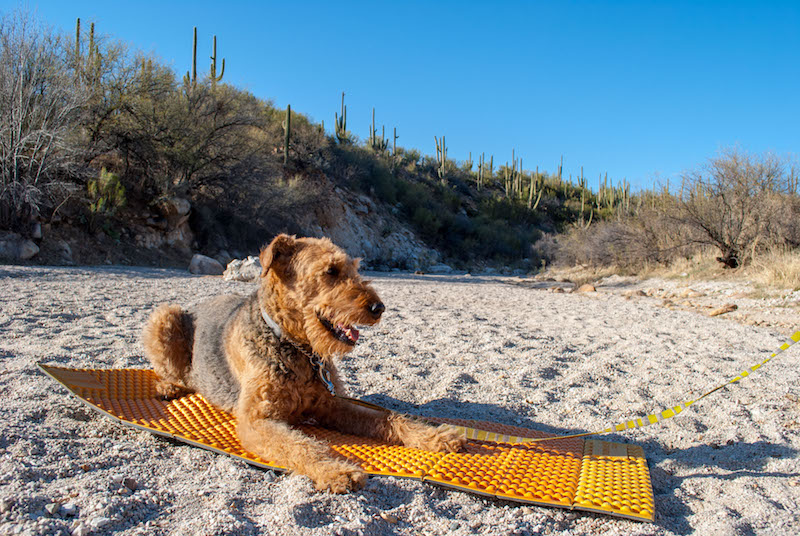
- Trail Comfort: When taking a break for lunch or rest, do not allow your dog to lie directly on the abrasive ground. Packing a lightweight, closed-cell foam sit-pad (a miniature version of human backpacking sleep pads) protects your dog’s skin, joints, and fur from punctures and abrasive heat.
4. Fine-Tooth Combs
A simple, inexpensive fine-tooth metal comb is one of the most valuable tools a desert hiker can carry.
- Thorn Extraction: Micro-spines, goathead thorns, sand burrs, and jumping cactus segments inevitably find their way into a dog’s coat and paw webs. A fine-tooth comb allows you to lift and roll these hazards out of fur rapidly and cleanly, preventing them from transferring to your fingers or embedding deeper into the animal’s skin.
5. Precision Tweezers
While a comb handles surface-level debris, embedded cactus needles, wood splinters, and insect stingers require microscopic precision.
- First-Response Extraction: A sturdy pair of medical-grade tweezers is indispensable. Furthermore, handlers must remain vigilant: needles and spines embedded in a dog’s fur can easily transfer to human hands or clothing when petting or handling the leash, even if the dog appears unbothered.
6. Specialized Pet First-Aid Tape
Human band-aids and standard athletic tapes adhere aggressively to animal fur, causing immense pain and trauma during removal.
- Cohesive Bandaging: Always pack self-adhering, elastic pet first-aid wrap. This material sticks only to itself, never to fur or skin. Because elastic bandages can inadvertently restrict blood circulation if applied too tightly, wrap injuries loosely and seek professional veterinary care immediately following any significant trail injury.
7. Antihistamines (Benadryl)
Inquisitive dogs often investigate local fauna, and curious canines frequently attempt to catch buzzing insects.
- Allergic Management: Encounters with stinging insects like bees, wasps, or desert ants can trigger acute allergic reactions. Consult your veterinarian prior to your trip to determine if diphenhydramine (Benadryl) is appropriate for your dog, and record the exact weight-based dosage on a note stored inside your first-aid kit. Note: Canine dosages differ significantly from human proportions and must be verified by a medical professional.
Implications: Environmental Stewardship and Advanced Risks
Venturing into the desert with a domestic animal carries broader ecological and medical implications that every responsible pet owner must weigh before hitting the trailhead.
The Rattlesnake Threat
Beyond thermal injuries and botanical hazards, the desert is home to venomous reptiles, most notably the Western Diamondback and Mojave rattlesnakes. While snakes generally seek to avoid the vibrations of approaching hikers, accidental close encounters can occur, particularly if dogs are permitted to explore off-leash or sniff dense brush.
- The Vaccination Debate: Veterinary medicine now offers rattlesnake toxoid vaccines for dogs. While the shot does not make an animal immune, it can neutralize a portion of the venom, significantly slowing systemic damage and buying crucial time—often an extra hour or two—for handlers to transport the bitten animal to an emergency veterinary hospital. Pet owners should consult their local veterinarian to evaluate whether the regional snake population and their hiking habits justify the inoculation.
Leave No Trace in Fragile Ecosystems
Desert soils are often anchored by fragile biological soil crusts composed of cyanobacteria, lichens, and mosses. These living crusts take decades to form and can be obliterated in seconds by the heavy paws of an uncontrolled dog. Adhering strictly to established trails, keeping pets properly leashed, and packing out all pet waste are paramount duties. Biological waste alters fragile desert soil chemistry and introduces non-native pathogens to local wildlife populations.
By combining meticulous preparation, specialized gear, and a profound respect for the arid wilderness, hikers can forge unforgettable, safe adventures alongside their four-legged companions, ensuring that the desert remains a sanctuary of awe rather than a landscape of hazard.