For many pet owners, the addition of a lush houseplant is an act of domestic enhancement—a way to bring the natural world indoors. However, for animal behaviorist and author Patricia McConnell, a routine purchase of a Zamioculcas zamiifolia, commonly known as the ZZ plant, quickly devolved into a harrowing medical crisis. Her experience with her dog, Maggie, serves as a poignant reminder that the line between "safe" and "toxic" is often thinner than the labels on nursery pots suggest.
The Incident: When Curiosity Turns to Crisis
The crisis began when McConnell introduced a ZZ plant into her home. While she was away, Maggie, a dog prone to occasional acid stomach, turned to the greenery for relief. While dogs often graze on grass to soothe minor gastric discomfort, Maggie’s interaction with the ZZ plant proved disastrous.

Upon returning, McConnell found her home in disarray—a result of the "prodigious quantities" of the plant Maggie had consumed. The dog was suffering from severe gastrointestinal distress, marked by repetitive vomiting and visible signs of agony. What followed was a frantic effort to stabilize a pet who, according to her owner, seemed trapped in a dangerous cycle: the plant’s chemical composition burned her mouth and esophagus, causing pain that led her to ingest more of the foliage in a misguided attempt to soothe the irritation.
Chronology of a Veterinary Emergency
The progression of the incident highlights the confusion many owners face when navigating pet health emergencies:

- Initial Discovery: McConnell discovered the aftermath of the ingestion and immediately contacted an emergency veterinary clinic. She was informed that while the plant contained insoluble oxalate crystals—known for causing intense localized pain—it was not considered life-threatening.
- Escalation: Despite professional assurances, Maggie’s condition deteriorated. As the evening progressed, her pain intensified, pushing her owner to seek further guidance.
- The Struggle for Support: McConnell attempted to reach the ASPCA Animal Poison Control Center (APCC), a vital resource for pet owners. Her call, however, suffered a technical failure, resulting in an "abandoned" connection at a critical moment.
- Intervention: Forced to pivot, a second veterinary consultation allowed for the administration of Tramadol, which successfully induced sleep and provided necessary relief for the suffering animal.
- The Long-Term Effect: Weeks later, the ordeal took a concerning turn when routine blood work revealed significantly elevated liver enzymes (ALP, ALT, and TBL). After ten days of intense anxiety regarding the possibility of a terminal diagnosis, follow-up tests showed a return to normal levels—a sign that the liver had successfully recovered from the systemic stress of the ingestion.
Defining the "Toxic" Spectrum
One of the most vital takeaways from this ordeal is the need to recalibrate our understanding of the term "toxic." At the retail level, plants are often marketed as "non-toxic" or merely "irritating." However, as Dr. Catherine Dzienisiewski, a board-certified veterinary toxicologist, noted during a follow-up conversation with McConnell, the scientific definition of toxicity is highly dependent on dosage.
"Everything can be toxic, even water, depending on the dose," Dr. Dzienisiewski explained. While the ZZ plant may not contain the lethal concentrations of toxins found in the infamous Sago Palm—which can cause fatal liver failure from the ingestion of a single seed—it is by no means benign.

The term "irritation" also requires a re-evaluation. While humans might equate irritation with mild discomfort, the biological reality for a dog ingesting large quantities of calcium oxalate crystals is a severe, caustic burn of the oral cavity and digestive tract. For owners, the distinction between "mildly irritating" and "painfully debilitating" is a crucial nuance that can dictate the urgency of care.
Institutional Insights: The ASPCA Poison Control Center
The aftermath of the failed phone call led to an unexpected and productive dialogue between the pet owner and the ASPCA’s leadership. Nicole Martin, Senior Director of Business Development at the APCC, reached out to investigate the technical failure, providing an opportunity to clarify how this essential service operates.

Established in 1978, the APCC is a cornerstone of veterinary medicine, managing over 400,000 cases annually. Its database, which contains records of more than 5 million cases, is not merely a call center archive; it is a repository of research that has shaped modern veterinary toxicology. Much of what we currently know about the dangers of everyday items—from xylitol and grapes to macadamia nuts—has been informed by the data gathered through these calls.
The Role of Data in Animal Safety
The center’s commitment to research ensures that as the popularity of certain house plants rises and falls, the veterinary community is kept abreast of emerging risks. Following the discussion regarding Maggie’s case, the ASPCA published updated guidance on insoluble oxalates, formally recognizing the risk posed by the ZZ plant and providing owners with actionable intelligence to protect their pets.

Implications for Pet Owners
The primary implication for pet owners is clear: Environmental vigilance is non-negotiable.
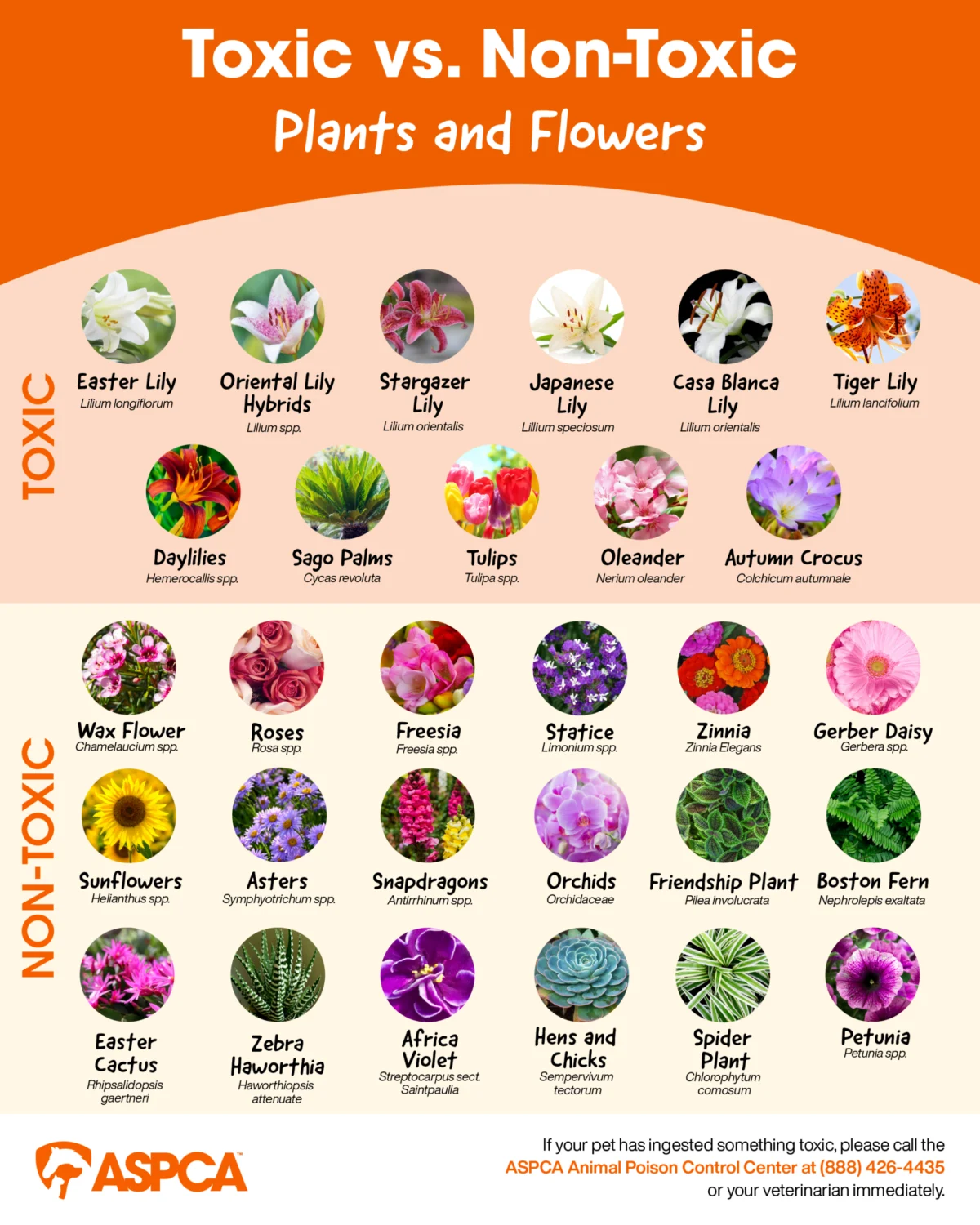
- Trust, but Verify: Never rely solely on a nursery label. Before bringing any new plant into a home with animals, consult the ASPCA’s official, searchable database of toxic and non-toxic plants.
- Understand the "Toxic" Label: A lack of immediate mortality risk does not equal safety. Chronic ingestion or large-volume consumption of "mildly irritating" plants can lead to secondary complications, such as the liver enzyme spikes observed in Maggie’s case.
- Preparation is Key: Save the ASPCA Poison Control number—(888) 426-4435—in your contacts. While fees apply, the expertise provided by board-certified toxicologists is often the difference between a simple at-home recovery and an unnecessary, expensive emergency room visit.
- Monitor Known Behaviors: Owners must recognize their pets’ predispositions. If a dog has a history of "grazing" or sensitivity to stomach acidity, they are at higher risk of attempting to self-medicate with houseplants.
A Wider Perspective: Life on the Farm
Beyond the clinical aspects of the incident, the story serves as a reminder of the broader context of animal guardianship. Life with pets—whether in a suburban home or on a sprawling farm—is a constant balancing act between allowing them to explore their environment and shielding them from the inherent risks of the natural world.

From the first dusting of winter snow to the joy of long walks, the relationship between human and animal is defined by these moments of care. As Patricia McConnell noted, the ordeal ended with a return to normalcy, but the experience left a permanent mark on her approach to pet safety. Her willingness to share this vulnerability—including the "Labrador-rising" propensity of her dog to consume things she shouldn’t—offers a degree of solidarity to every owner who has dealt with the sudden, inexplicable illness of a beloved companion.
In closing, the lesson is one of humility. Despite years of professional expertise and a deep, intuitive understanding of animal behavior, even the most diligent owners can be caught off guard. By utilizing the resources provided by organizations like the ASPCA and maintaining a healthy skepticism toward the safety of household decor, we can better ensure that our homes remain sanctuaries, rather than traps, for the animals we love.

As the calendar turns toward the end of the year, take a moment to survey your living space. Those decorative leaves may look beautiful, but a few minutes of research could prevent a day of heartbreak. Stay vigilant, keep the contact numbers handy, and cherish the chaos of life with our four-legged companions—hair on the keyboard and all.