In the world of canine behavioral science, positive reinforcement is often heralded as the gold standard of training. It is a philosophy rooted in the simple premise that behaviors followed by rewarding outcomes will increase in frequency. However, as acclaimed animal behaviorist and author Dr. Patricia McConnell notes, the execution of this methodology is far more nuanced—and frequently misunderstood—than the basic premise suggests.
For many dog owners, the intention to reward is often undermined by human habits that, while well-meaning, inadvertently punish the very behaviors we seek to encourage. As Dr. McConnell prepares to release an updated version of her seminal work, The Puppy Primer, this October, she is shining a light on the subtle ways we "poison" our cues and erode the trust we aim to build.
The Pitfalls of Misinterpreted Reinforcement
The core of the issue lies in the human tendency to project our own preferences onto our canine companions. A primary example, cited in the forthcoming update to The Puppy Primer, is the ubiquitous "head pat."

"Dogs aren’t as fond of receiving head pats as we are of giving them," Dr. McConnell writes. In obedience classes across the country, owners consistently praise a successful recall by patting the top of their dog’s head. While the owner believes they are providing a tactile reward, the dog’s behavior often tells a different story. If one watches closely, the dog will frequently duck its head or turn away—a clear signal of discomfort.
When a human imposes an unwanted physical interaction immediately following a command (like "come"), they risk "poisoning the cue." Instead of reinforcing the act of returning to the owner, the interaction becomes an aversive experience. In behavioral terms, if the consequence of a behavior decreases the likelihood of that behavior recurring, it is functioning as punishment, regardless of the owner’s intent.
Identifying the Poisoned Cue
Poisoning a cue is not limited to misguided affection. It occurs in a variety of common scenarios:

- The Collared Catch: Calling a dog to come, only to grab their collar in a manner that causes physical discomfort or creates a sense of entrapment.
- The Inappropriate Reward: Demanding a "sit" and immediately slapping the dog’s head, an action most dogs find intrusive and physically annoying.
- The Lack of Gratitude: Asking for a "down" or "stay," then proceeding to perform an unpleasant task—such as nail trimming or grooming—without a buffer of positive reinforcement or warning.
The challenge for owners is to shift their focus from what they find rewarding to what the dog perceives as reinforcing. Observation is the primary tool in this endeavor. Is the dog "wagging from the shoulders back" with engagement, or is it turning its head, closing its mouth, or stiffening its body? These subtle physical cues serve as the dog’s feedback loop, informing the owner whether their training approach is fostering a partnership or creating an avoidance response.
A Chronology of Behavioral Insight
The evolution of Dr. McConnell’s perspective on training has spanned decades, moving from traditional dog training schools to the evidence-based, welfare-focused methodologies she champions today. Her upcoming updates to The Puppy Primer reflect a lifetime of observing the "mind meld" between humans and dogs.
In the coming months, Dr. McConnell intends to utilize her platform to bridge the gap between theory and practice. She has issued a challenge to her readers: focus on one or two specific behaviors in their own dogs and meticulously record the outcomes of their reinforcement strategies. By documenting these observations—not as formal studies, but as simple, reflective notes—owners can begin to see the patterns in their own behavior and how those patterns shape their dog’s reality.

The Professional’s Responsibility: Implications for Welfare
The implications of these findings extend far beyond the backyard. In professional animal training and welfare, the ethics of human-dog interaction are under constant scrutiny.
As part of her ongoing commitment to these issues, Dr. McConnell will be participating in the CANIS Conference in Schaumburg, Illinois, from October 7-10, 2026. She will join a panel discussion dedicated to welfare and ethics in the training field—a topic she describes as "near and dear" to her heart. The conference serves as a critical junction for experts to discuss how to maintain high standards of animal welfare while navigating the complexities of human-canine communication.
These discussions are vital because the "poisoning" of cues is a professional hazard as much as a personal one. Even seasoned trainers can fall into the trap of assuming a reward is rewarding. By fostering environments where trainers can discuss failures and successes openly—such as the "Story Circles" hosted at the CANIS+ event—the industry can continue to evolve toward a more empathetic and effective standard of care.

Bridging the Gap: Education and Community
Dr. McConnell’s commitment to education is reflected in her active event schedule for the remainder of 2026. These appearances serve as an opportunity for direct engagement, where she can discuss not only the nuances of behavioral science but also her recent creative endeavors, such as her novel Away To Me.
Upcoming Engagement Schedule:
- July 25, 2026: Minocqua Public Library, Wisconsin (1-3 PM CT).
- September 15, 2026: "Bark Fest" with Zazie Todd and Kristi Benson.
- September 17, 2026: Hildebrand Memorial Library, Boscobel, WI (6 PM CT).
- September 24, 2026: Barnes & Noble, Madison, WI (7 PM CT).
- October 7-10, 2026: CANIS Conference, Schaumburg, IL.
- October 15-18, 2026: Wisconsin Book Festival, Madison, WI.
- November 14, 2026: Janesville-Beloit Kennel Club, Janesville, WI.
These sessions are designed to be accessible, inviting questions from the public on everything from the science of animal behavior to the practicalities of literary writing. For the introverted author, these events provide a necessary, albeit energetic, outlet for connecting with a community that shares a deep, abiding interest in the human-canine bond.
The Reality of Life "Back on the Farm"
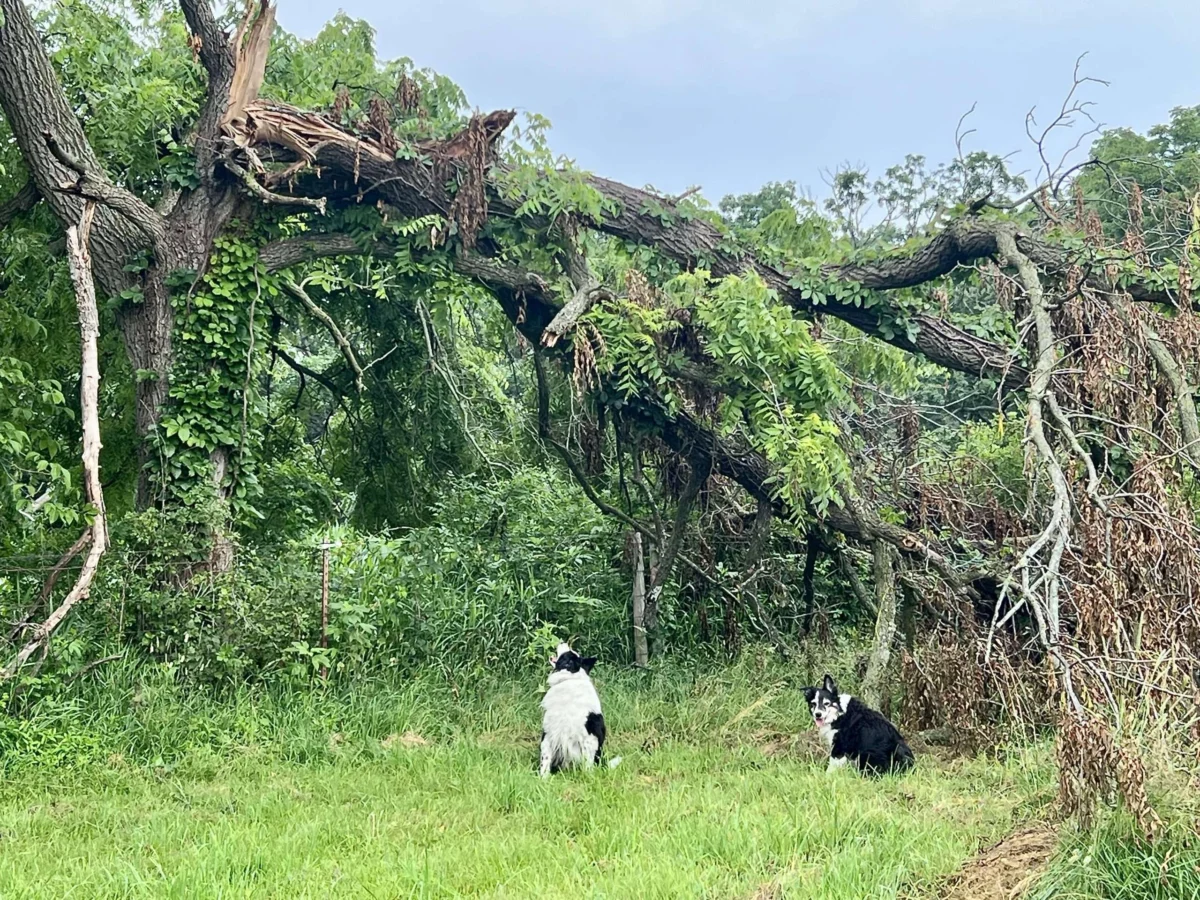
Behind the academic and professional achievements lies the day-to-day life that informs Dr. McConnell’s writing. The realities of rural life—ranging from the aftermath of 70 mph windstorms requiring professional tree removal to the simple, fleeting joy of day lilies in July—provide a grounding context for her work.

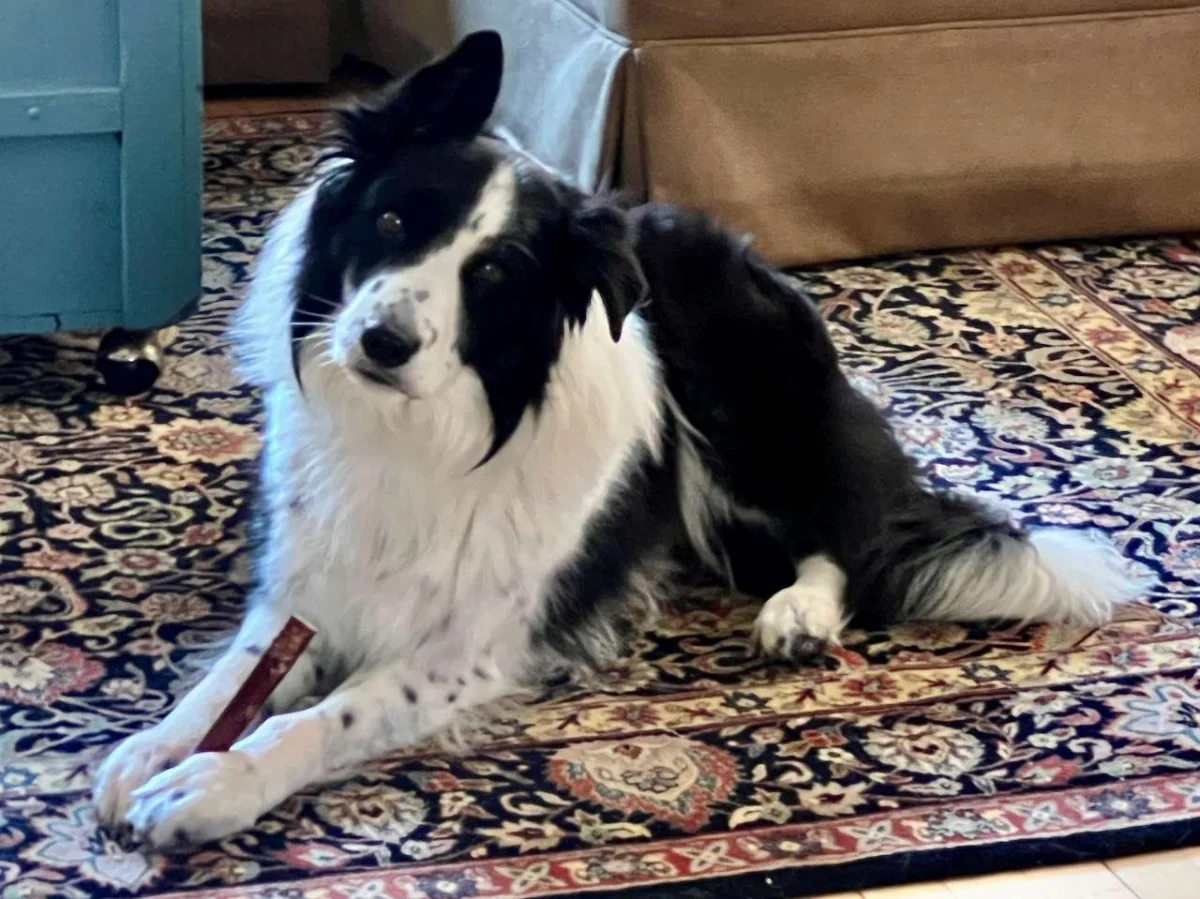
Even in the most expert households, the reality of dog ownership remains imperfect. Whether it is a dog like Maggie, who seems to view the camera with "abject misery," or the constant vigilance required to ensure a pet’s comfort, the narrative remains consistent: the life we share with dogs is a continuous dialogue.
Conclusion: The Path Forward
The fundamental lesson for any dog owner is to remain an active, empathetic observer. We must move beyond the mechanical application of rewards and toward a nuanced understanding of our dog’s perspective. If we suspect we have poisoned a cue, the path forward is not one of guilt, but one of adaptation.
By slowing down, focusing on small, manageable behavioral goals, and keeping detailed observations of our pets’ reactions, we can refine our communication. We must ask ourselves: Is our dog happy to comply? Are we truly reinforcing, or are we accidentally creating a negative association?

As Dr. McConnell aptly concludes, the goal is not perfection, but a warm, loving, and clear connection. In a world where we demand so much of our canine companions, the least we can do is ensure that when we call them to us, the outcome is one that brings them as much joy as it brings us. Whether you are navigating the training of a new puppy or refining the bond with a long-time companion, remember that the most powerful tool in your kit is your ability to truly see your dog.