
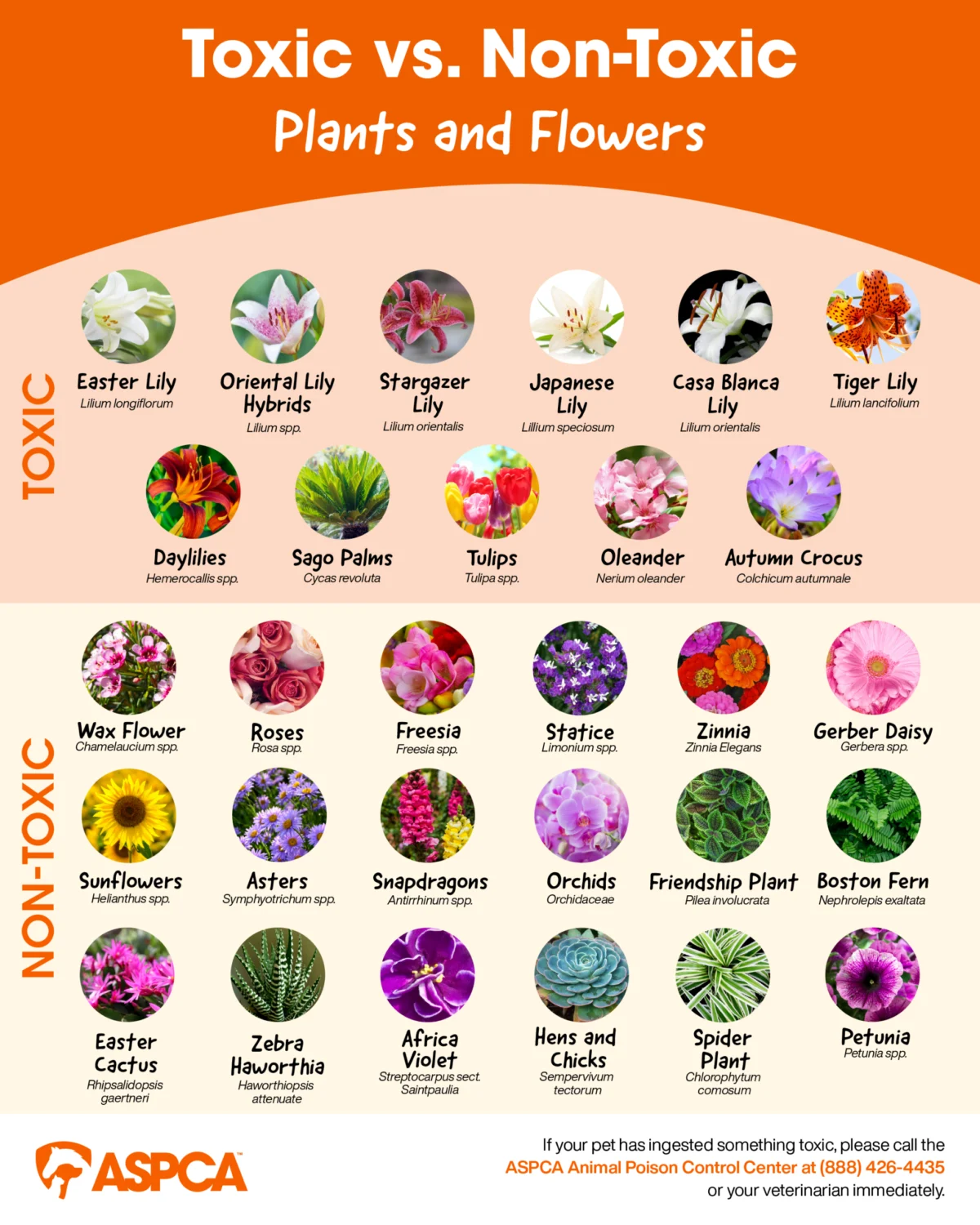
For many pet owners, the inclusion of greenery in a home is intended to brighten living spaces and improve air quality. However, as noted animal behaviorist and author Patricia McConnell recently discovered, the line between an aesthetically pleasing home and a medical emergency can be as thin as a single leaf. After her dog, Maggie, suffered a severe, painful reaction to a Zamioculcas zamiifolia (ZZ plant), the incident opened a broader conversation about the nuances of "toxicity," the critical importance of specialized veterinary resources like the ASPCA Poison Control Center, and the often-misunderstood nature of household hazards.
The Anatomy of an Incident: The ZZ Plant Crisis
The ordeal began when a new, innocuous-looking ZZ plant was introduced into the McConnell household. While the owner was away, Maggie—an aging dog with a history of occasional acid stomach—consumed a significant quantity of the plant.
The immediate aftermath was distressing. The plant, which contains insoluble oxalate crystals, caused significant physical trauma to the dog. Unlike soluble oxalates, which can cause systemic issues like kidney failure, insoluble oxalates act as mechanical irritants. When chewed, the crystals are released like tiny, microscopic needles, embedding themselves in the tissues of the mouth, tongue, esophagus, and stomach.

The physiological response was a feedback loop of pain. Maggie’s instinct, likely mirroring the way dogs chew grass to soothe an upset stomach, led her to consume more of the plant to alleviate the burning sensation. This, in turn, released more crystals, intensifying the agony. The result was hours of vomiting and visible, acute distress that left the owner searching for immediate guidance.
Chronological Breakdown of the Emergency
The timeline of the incident highlights the challenges of navigating pet emergencies in real-time:
- Initial Discovery: Upon returning home, the owner found the remains of the plant and evidence of severe gastrointestinal distress.
- Initial Veterinary Consultation: An emergency clinic advised that the plant was not "life-threatening" in the traditional sense, as it was not considered a fatal toxin. They categorized the risk as "irritation and pain." However, this label failed to capture the severity of the suffering Maggie endured.
- Escalation: By 8:00 p.m., the dog’s condition appeared to be worsening. The owner, feeling helpless, turned to the ASPCA Poison Control Center (888-426-4435) for expert triage.
- The Communication Gap: A 29-minute attempt to connect with the hotline resulted in a "call failed" status on the user’s phone, which the center’s systems later recorded as a "call abandoned."
- Intervention: Unable to reach the hotline, the owner consulted a second emergency clinic. They authorized the administration of Tramadol—a medication already on hand—which provided the necessary relief to allow the dog to rest.
- The Aftermath: Several weeks later, follow-up blood work revealed elevated liver values (ALP, ALT, and TBL). After ten days of intense monitoring and fear regarding a potential malignancy, the values normalized, confirming the systemic stress the incident had placed on the aging dog’s body.
Defining Toxicity: Why Words Matter
A central takeaway from this incident is the discrepancy between the layperson’s definition of "toxic" and the medical reality. When purchasing the ZZ plant, the nursery staff classified it as having "mild irritation," implying a low level of risk.

In veterinary toxicology, however, the term "toxic" is often reserved for substances capable of causing death or severe, permanent organ damage—such as the Sago Palm, which is notoriously lethal. Yet, as Dr. Catherine Dzienisiewski, a board-certified toxicologist, emphasized during a follow-up conversation with the owner, "everything can be toxic, even water, depending on the dose."
The incident highlights a critical need for pet owners to move beyond binary "toxic vs. non-toxic" labels. A plant that causes no systemic organ failure can still be a source of agonizing, high-level pain that requires professional intervention. The term "irritation" was woefully inadequate to describe the inflammatory response triggered by the ZZ plant’s oxalate crystals.
The Role of the ASPCA Poison Control Center
The ASPCA Poison Control Center remains the gold standard for pet owners facing potential ingestions. Established in 1978, the center handles over 400,000 cases annually. Their database, which tracks over 5 million animal cases, is the bedrock of modern veterinary toxicology.

Following the communication failure experienced by the owner, representatives from the ASPCA, including Senior Director of Business Development Nicole Martin and Dr. Dzienisiewski, reached out to investigate the technical issues. This proactive response underscores the organization’s commitment to accessibility. Their research has been instrumental in identifying dangers that are now common knowledge among pet owners, such as:
- The toxicity of lilies in cats.
- The danger of xylitol (found in sugar-free gum/products) to dogs.
- The risks associated with grapes, raisins, and macadamia nuts.
The ASPCA’s database is constantly evolving. As house plant trends shift, the center works to update its listings of toxic flora, adding species like the ZZ plant to its advisory lists based on real-world evidence of harm.
Lessons for Pet Owners: Prevention and Preparedness
For pet owners, the primary lesson is to assume that any plant—even those labeled "non-toxic"—can be a hazard if consumed in large quantities by a dog or cat with a propensity for grazing.

1. Curate Your Environment
Before bringing any plant into the home, verify its safety through the ASPCA’s official database. If a plant is known to contain oxalates or other irritants, keep it completely out of reach of pets, or avoid it entirely.
2. Recognize "Grazing" Behavior
Owners should be wary of the "delicate nibble." While some dogs may seek out greenery for digestive relief, it can quickly escalate into a dangerous habit. If a dog begins frequenting houseplants, it may be a sign of an underlying gastrointestinal issue (such as acid stomach) that warrants a visit to the veterinarian rather than a home remedy.
3. Maintain an Emergency Toolkit
While the owner in this case had access to Tramadol, medication should never be administered without veterinary guidance. However, having a "doggie-drug" drawer organized under the direction of your primary veterinarian—and knowing which emergency clinics are open after hours—is essential for rapid response.

4. Utilize Expert Resources
If you suspect your pet has ingested something potentially harmful, do not hesitate to contact the ASPCA Poison Control Center. While there is a fee for the consultation, the value of speaking with a board-certified veterinary toxicologist who has access to millions of data points is immeasurable when seconds count.
Conclusion: A Newfound Perspective
The journey from a "minor" plant ingestion to a liver-value scare is a stark reminder of the vulnerability of our pets. It is a testament to the resilience of our companions that Maggie recovered fully, returning to her normal life on the farm.
For the owner, the experience turned into a valuable lesson in advocacy and awareness. By sharing the reality of the "unfortunate adventure," there is hope that other pet owners will look at their living rooms with a more critical eye. Whether it’s ensuring the poison control number is saved in your phone or questioning the definition of "irritation" at a local nursery, being prepared is the best way to ensure that our homes remain a sanctuary for both us and our pets.

As we continue to share our lives with these animals—who sometimes act like they are "Labrador-rising," eating everything from wine corks to house plants—we must accept the responsibility of being their vigilant protectors. After all, the joy of a healthy, happy dog is worth the effort of keeping the keyboard clear of dog hair and the home clear of hidden toxins.