In the quiet, fleeting moments of a Wisconsin spring, the landscape is currently undergoing a metamorphosis. Vibrant, native Columbine dances in the breeze, while the prairie smoke begins its slow, textural evolution toward seed. It is a season of profound sensory renewal, serving as a vital counterpoint to the heavier, more somber realities that have occupied the headlines of animal welfare this past week.
For many, the natural world serves as an anchor—a reminder that even in the face of deep, structural adversity, beauty persists. Yet, this season, that beauty is inextricably linked to the stories of those emerging from the darkness of captivity. As we witness the emergence of Baltimore orioles and the return of hummingbirds to our feeders, we are also witnessing a different kind of arrival: the tentative, step-by-step introduction of 500 beagles into a world they were never meant to experience.
The Intersection of Nature and Advocacy
The recent influx of 500 beagles from the Ridglan Farms facility to the Dane County Humane Society (DCHS) has brought a harsh reality to the forefront of the public consciousness. Ridglan, a facility that historically supplied beagles to laboratories, recently lost its license following intense scrutiny and allegations of animal welfare violations. While the closure marks a victory for advocates, the human—and canine—cost of such facilities is immense.

This transition is being captured by cinematographer Andria Chamberlin, who is currently working on a documentary that draws a poignant parallel between the recovery of traumatized humans and that of laboratory-bred beagles. Chamberlin’s work, influenced by animal behaviorist Dr. Patricia McConnell’s seminal memoir, The Education of Will, seeks to demystify the psychological architecture of trauma. The fundamental principles of healing—patience, safety, and the gradual reclamation of autonomy—remain constant, whether the subject has two legs or four.
Chronology of a Crisis and a Transition
The timeline of the Ridglan closure serves as a case study in the slow, grinding machinery of animal welfare reform:
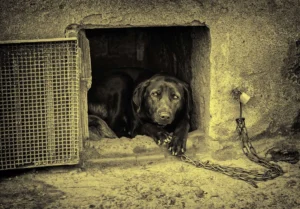
- Pre-2026: Ridglan Farms operates as a primary supplier for research laboratories, keeping dogs in small, wire-bottomed cages that deny them the most basic canine behaviors.
- Early 2026: Following a series of investigations into allegations of animal abuse, public and legal pressure mounts against the facility.
- Late Spring 2026: Ridglan surrenders its license, choosing to cease operations rather than face protracted criminal convictions for animal abuse.
- The Present: The Dane County Humane Society initiates a massive, complex triage operation to process 500 beagles, transitioning them from laboratory life to the prospect of becoming family companions.
This process is not merely a logistical challenge; it is a clinical one. These dogs, many of whom have never touched grass, are currently navigating a world that is sensory-overwhelming.

Supporting Data: The Anatomy of Rehabilitation
The rehabilitation of laboratory beagles is a testament to the resilience of the canine spirit, yet it is a process that defies human timelines. Observation of the dogs currently in the care of DCHS highlights the profound psychological toll of their confinement.
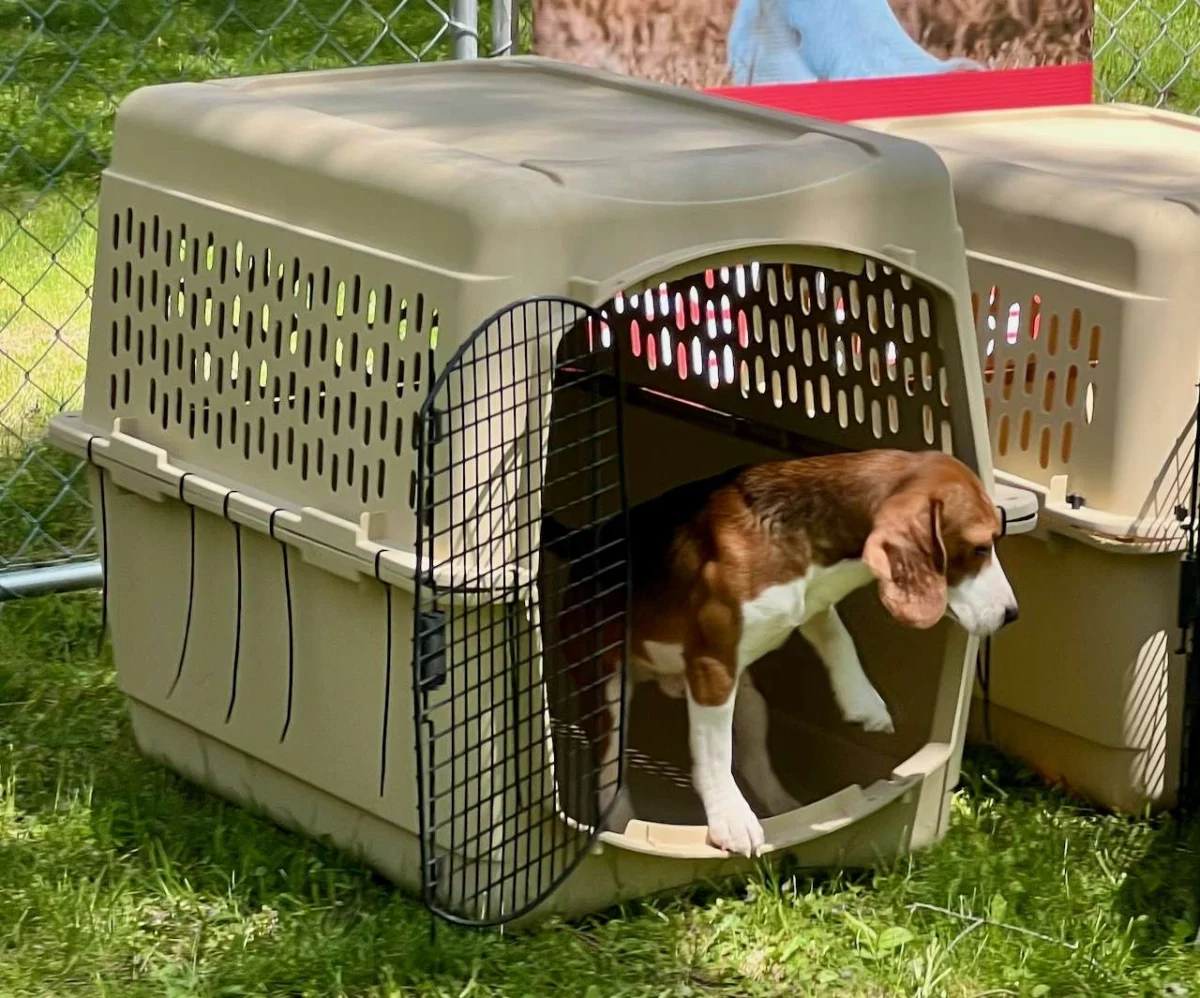
One particular case, captured in recent reports, illustrates the depth of this struggle: a dog spent upwards of 45 minutes standing at the threshold of a crate, attempting to place a single paw on the grass. The repetitive, hesitant motion—lifting a paw, withdrawing it, and repeating the cycle—is a physical manifestation of a nervous system that has been conditioned to fear the unknown.
The Biology of Recovery
When these dogs finally venture out, they often lack the proprioceptive awareness to manage their own limbs on uneven surfaces. This is not a lack of intelligence; it is the physiological atrophy of experience. As these dogs integrate into foster homes, the "healing hormone," oxytocin, plays a critical role. For both the human caretakers and the dogs, the simple act of bonding acts as a biological regulator, slowly overriding the cortisol-heavy environment of their past.

Official Responses and Ethical Implications
The closure of Ridglan Farms and the subsequent rescue efforts have ignited a national conversation regarding the use of animals in laboratory research. The American Veterinary Medical Association (AVMA) and various state regulatory bodies have been forced to grapple with the fallout of the facility’s regulatory failures.
The primary ethical implication is clear: the model of keeping sentient beings in environments that systematically strip away their ability to perform species-typical behaviors is increasingly viewed as untenable. The transition of these 500 beagles is not just a rescue; it is an act of restitution.
However, the question remains: what becomes of the research institutions that relied on such facilities? And what is the responsibility of the public to ensure that the "scientific necessity" argument does not override the fundamental welfare of the animals involved?

The "Wizard of Oz" Effect: Finding Joy in the Mundane
Amidst the heavy lifting of advocacy and animal rescue, the necessity of personal "breathes" becomes paramount. The concept of the "Wizard of Oz effect"—where the world suddenly shifts from the grayscale of stress to the vivid Technicolor of spring—is a vital psychological survival mechanism.
In the yard, the arrival of the orchard orioles and the Baltimore orioles provides a necessary diversion. The orchard oriole, with its persistent, curious nature, provides a lesson in tenacity. Even the simple observation of a native honeysuckle—a plant evolutionarily "engineered" for the specific anatomy of a hummingbird’s beak—reminds us of the intricate, cooperative design of the natural world.
Looking Forward: A Call to Continued Action
As we move toward the next few weeks, the focus of the community remains fixed on several fronts:

- Behavioral Analysis: Future discussions will tackle the concept of "ADHD in dogs," exploring whether our modern, high-stimulation environments are exacerbating behavioral issues in our pets.
- Resource Support: With the influx of 500 beagles, the burden on shelters like the Dane County Humane Society is unprecedented. Support for these organizations is not optional; it is essential to the success of the transition.
- Ongoing Advocacy: The story of the Ridglan beagles is not over. The legal proceedings and the long-term rehabilitation of these dogs will continue to serve as a benchmark for how society handles the "surplus" of the research industry.
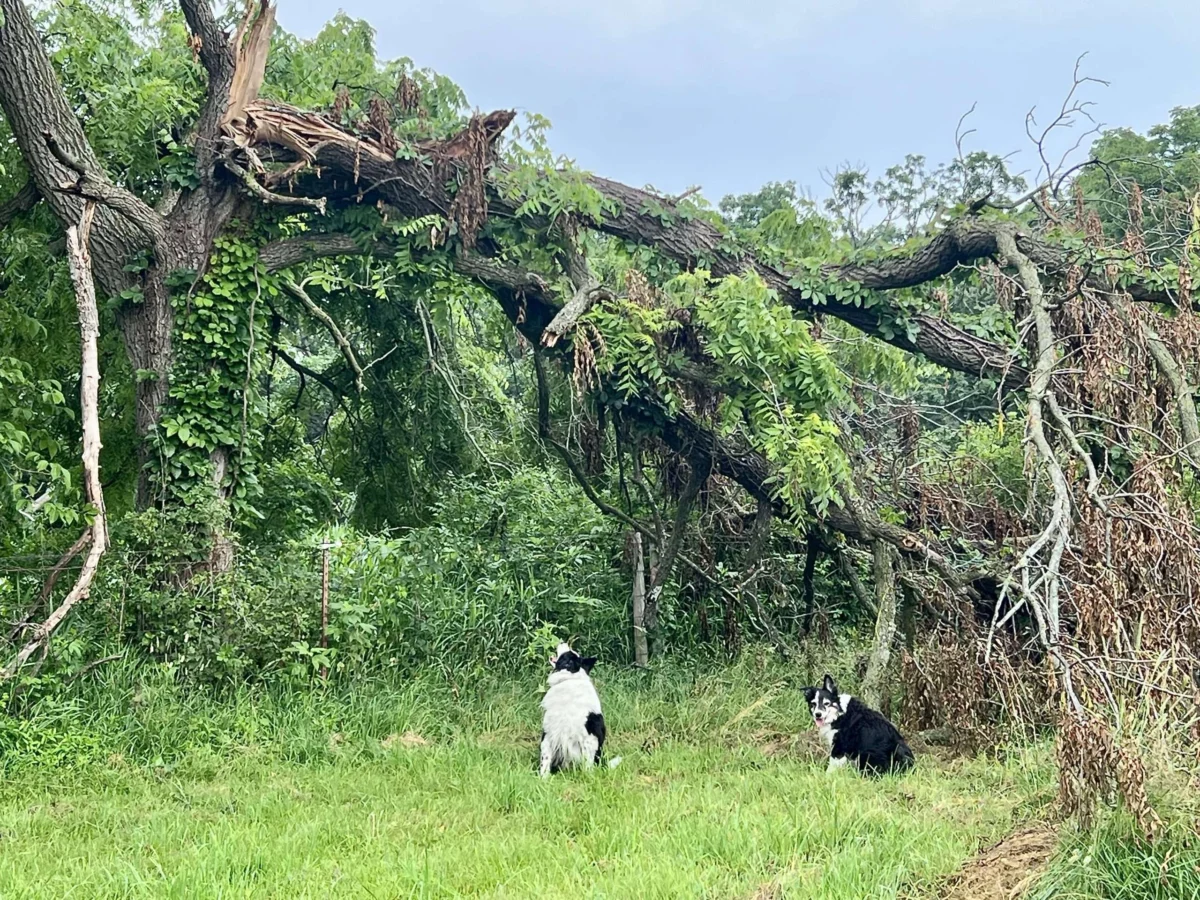
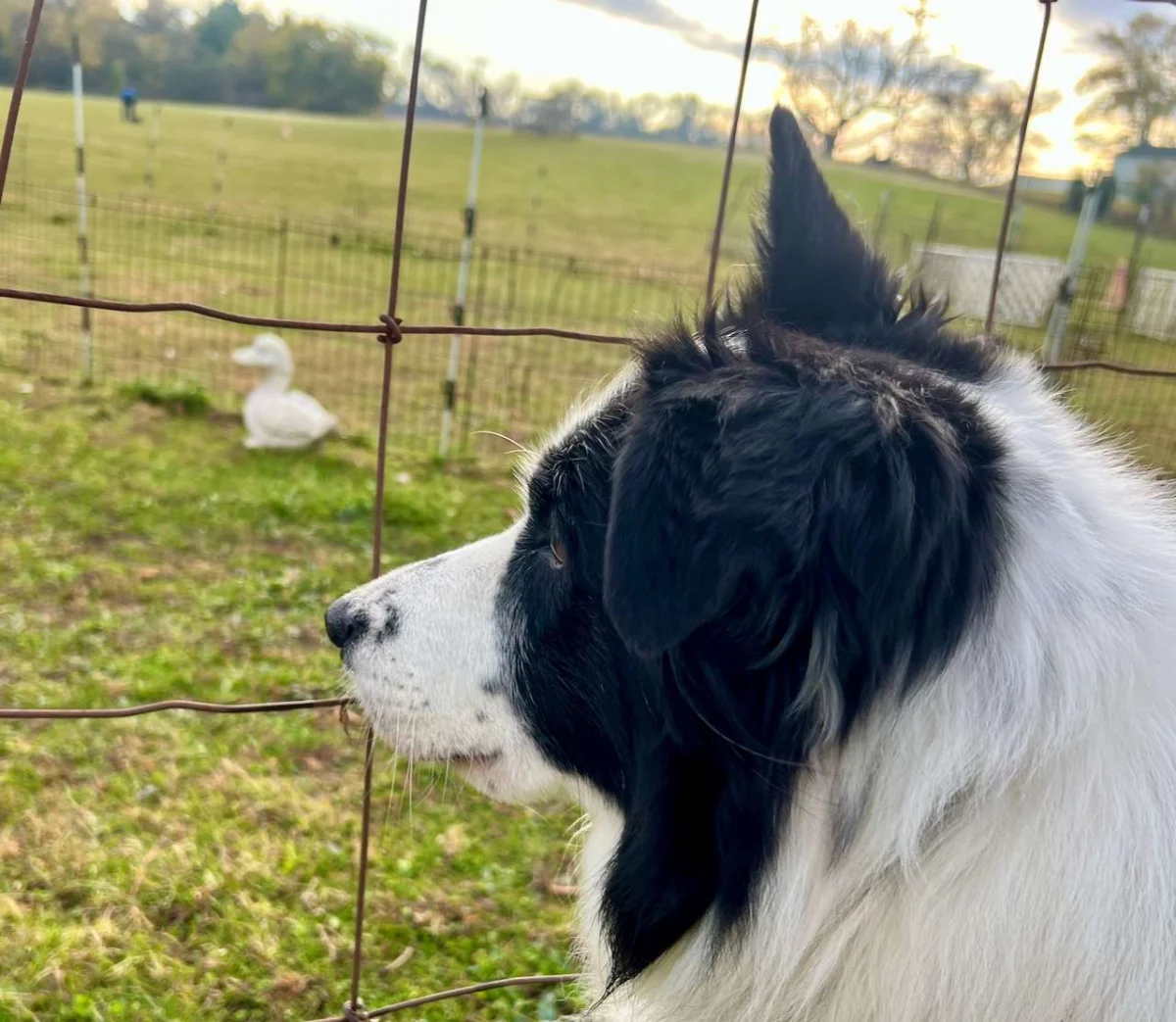
As we look toward the future, it is worth remembering the simple wisdom of those who care for these animals. Whether it is the questioning look of a working dog like Skip, wondering when the sheep will be ready for tending, or the bemused irritation of a house pet like Maggie—who finds modern furniture design quite lacking—the animals in our lives provide a steady, grounding force.
In the coming weeks, as we track the progress of the Ridglan dogs and delve into the complexities of canine behavior, the message remains the same: remain vigilant, remain compassionate, and never lose sight of the joy that can be found in a single flower petal or a single, brave step onto the grass.
Pet your dog, share a moment of quiet, and carry the weight of these stories with a heart that is both tender and determined. The path from the wire cage to the living room floor is long, but it is a path that we walk together.