
Introduction: The Siege at Blue Mounds
On Saturday, April 18, 2026, the quiet landscape surrounding Blue Mounds, Wisconsin, became the epicenter of a volatile confrontation between animal rights activists and the controversial research and breeding facility known as Ridglan Farms. Approximately 1,000 protesters gathered at the perimeter of the property, driven by a singular, desperate mission: the rescue of nearly 1,900 beagles housed within the facility’s walls.
The scene was characterized by high-stakes civil disobedience. Activists, citing the moral imperative to save sentient beings from systematic suffering, attempted to breach the facility. The operation ended in failure and multiple arrests, with disturbing reports surfacing of excessive force used by security and law enforcement against the protesters. For observers like renowned applied animal behaviorist Patricia McConnell, who was present at the site, the event was more than a protest; it was a desperate outcry against a system that continues to operate in the shadows of antiquated legislation.
Chronology: A History of Allegations and Legal Stagnation
The tension at Ridglan Farms is not a new development, but rather the culmination of years of documented grievances.
- Initial Discovery: For years, former employees and whistleblowers have attempted to bring attention to the internal conditions of the facility, citing instances of untreated injuries, severe overcrowding, and pervasive filth.
- The Dane4Dogs Initiative: In recent years, the organization Dane4Dogs spearheaded a campaign to hold the facility accountable, eventually presenting video evidence to the Wisconsin legal system.
- The Expert Testimony: In January 2026, Patricia McConnell submitted a formal statement to the court, detailing the psychological and physical degradation visible in internal footage. She noted that the dogs exhibited "frantic, rapid, repetitive circling behaviors"—stereotypies that indicate a total breakdown of animal welfare.
- The Special Prosecutor’s Intervention: Following sustained pressure and expert depositions, the court appointed special prosecutor Tim Gruemke. Gruemke reviewed evidence including testimony from experts like Marc Bekoff.
- The October 2025 Settlement: In a move that shocked activists, the prosecution reached a deal with Ridglan Farms. The owners agreed to surrender their "seller’s license" effective July 1, 2026, in exchange for the dropping of felony animal cruelty charges. Crucially, the facility was permitted to continue its research operations indefinitely.
The Reality of the Facility: Evidence of Suffering
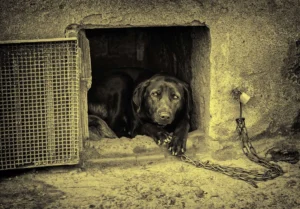
The conditions inside Ridglan Farms, as described by those who have reviewed the evidence, paint a harrowing picture of institutionalized cruelty. The dogs, predominantly beagles—a breed known for its gentle, trusting temperament—are kept in barren, wire-bottomed cages.
McConnell’s professional assessment of the facility’s environment is scathing. "The dogs are being held in barren, small cages in solitary confinement, preventing them from having any meaningful interactions or relationships," she wrote in her court statement. She observed that the animals are deprived of basic species-specific behaviors, such as the ability to move freely or find a clean space to rest. Forced to live, sleep, and urinate in the same restricted wire enclosures, the animals exhibit clear signs of "shut down"—a state of profound psychological trauma.

Furthermore, the facility has been accused of performing invasive medical procedures, such as "cherry eye" surgeries, without the oversight of qualified veterinary staff or the administration of appropriate pain management.
Regulatory Failures: The Animal Welfare Act (AWA)
A central theme in the Ridglan Farms controversy is the inadequacy of federal oversight. Under the Animal Welfare Act (AWA), the standards for housing laboratory animals are starkly minimal.
The "Six-Inch" Standard
Current regulations require that a dog’s cage be only six inches larger than the animal itself on all sides. This standard permits the use of wire-bottomed cages where dogs can spend their entire lives without ever touching the earth or experiencing social enrichment. The AWA places few, if any, restrictions on the nature of the research being conducted. Researchers are often empowered to bypass even these meager welfare standards if they claim such regulations would "interfere" with the objectives of their experiment.
Institutional Inertia
Critics point to the U.S. Department of Agriculture’s (USDA) failure to enforce even these low bars. Data cited by Marc Bekoff in The Washington Post reveals that 80% of accredited laboratory animal breeders have failed to correct previous noncompliances. The Animal and Plant Health Inspection Service (APHIS) has been accused of systemic negligence, consistently failing to respond to reports of abuse or to follow up on failed inspections.
The Ethical Imperative: Science vs. Sentiment
The American Veterinary Medical Association (AVMA) maintains a stance that "animals should be cared for in ways that minimize fear, pain, stress, and suffering." Yet, the reality of Ridglan Farms stands in direct opposition to this doctrine.

The justification for using beagles in research—often citing the need for medical testing—is increasingly viewed as scientifically and ethically tenuous. Modern animal behavior science confirms that dogs share significant neurobiological and emotional parallels with humans. They are sentient, social creatures with a biological need for agency and companionship.
When researchers isolate dogs in barren cages, they introduce "confounding factors" that undermine the validity of the research itself. A stressed, traumatized animal is an unreliable subject for scientific study. The continued reliance on this model suggests a refusal to adapt to modern, humane, and more accurate scientific methodologies.
Implications and Future Outlook
As the July 1 deadline approaches, the fate of the 1,900 beagles remains in limbo. Under the current legal framework, the owners of Ridglan Farms maintain the right to sell the remaining dogs to laboratories or, in a worst-case scenario, euthanize the population. Recent reports indicate that offers from rescue organizations to purchase the dogs and provide them with homes have been flatly rejected by the facility.
The case of Ridglan Farms is emblematic of a broader national struggle. It mirrors the 2022 closure of the Envigo facility in Virginia, where similar violations led to federal intervention and the rescue of thousands of beagles. The difference, however, lies in the legislative and prosecutorial response. In Wisconsin, the path forward remains obstructed by a legal system that has prioritized a settlement over the immediate welfare of the animals.
A Call for Change
The "black stain" on the conscience of Wisconsin will not be erased until these animals are granted their freedom. The demand from activists and professionals alike is clear:

- Transparency: Immediate, independent audits of all similar research facilities across the country.
- Legislative Reform: An overhaul of the Animal Welfare Act to mandate social housing, environmental enrichment, and the elimination of wire-bottomed cages.
- Accountability: The permanent dissolution of breeding and research facilities that demonstrate a pattern of systemic abuse.
As the protest in Blue Mounds proves, the public’s tolerance for the industrialization of suffering is reaching a breaking point. The beagles of Ridglan Farms are not merely test subjects; they are victims of a system that has failed to evolve. The fight to "bring the beagles home" is not just a plea for these specific dogs—it is a demand for a society that aligns its practices with its moral values.
Conclusion: The Persistence of Hope
While the events at Blue Mounds were marked by violence and frustration, they also highlighted the deep, enduring bond between humans and dogs. In an age where we rely on these animals for everything from medical detection to companionship, we owe them a debt of dignity.
As we look toward the future, the hope remains that the lessons of 2026 will serve as a turning point. When we know better, we must do better. The imagery of the beagles—small, sweet-natured, and resilient despite their circumstances—serves as a reminder that the fight for animal welfare is a fight for our own humanity. The question is no longer whether we can reform the research industry, but whether we have the courage to stop looking away.