September 14, 2026 | Analysis
In the tapestry of human history, few relationships have proven as enduring, transformative, and complex as the bond between Homo sapiens and Canis lupus familiaris. Yet, as we move deeper into the 21st century, our linguistic framework for this connection—the very words we use to describe our role in a dog’s life—has become a subject of intense philosophical debate. Are we masters? Parents? Guardians? Or something else entirely?
This inquiry is not merely semantic; it touches upon the core of animal welfare, ethics, and the evolving understanding of sentience. Patricia McConnell, a renowned expert in animal behavior, recently sparked a conversation that challenges the traditional hierarchy of the human-dog dynamic, pushing for a vocabulary that better honors the "biological miracle" of our interspecies partnership.

The Linguistic Dilemma: Defining Our Role
For decades, the standard terminology has been that of "dog owner." It is a term rooted in legal property rights and utilitarian history. However, as our scientific understanding of canine cognition and emotional depth has grown, the term "owner" has come under fire.
The Problem with "Ownership"
When we speak of "owning" a dog, we place the animal in the same category as inanimate objects—cars, tools, or furniture. While the legal status of pets in many jurisdictions remains that of personal property, the moral reality is vastly different. As McConnell notes, treating a dog as property risks fostering an egocentric view where humans stand atop the "Great Chain of Being." It ignores the reality that dogs are living, breathing, sentient creatures with their own integrity and independent internal lives.
The "Pet Parent" Controversy
In response to the perceived coldness of "ownership," many have shifted toward the term "pet parent." This terminology emphasizes the familial, emotional connection that defines modern household life. It highlights the dependency of the dog on the human, much like a child depends on a caregiver.

However, this term also carries its own baggage. Critics argue that equating a dog to a human child can diminish the reality of canine nature. Adult dogs are not "baby people"; they are highly evolved domestic animals with unique physiological and psychological needs. Furthermore, many human parents find the direct comparison between child-rearing and pet-keeping to be reductive or even offensive.
The Case for "Guardianship"
The middle ground, and perhaps the most popular alternative in modern animal welfare circles, is the term "guardian." This title carries a sense of responsibility and protection. A guardian is a protector of the vulnerable, charged with managing the welfare of an entity that cannot fully advocate for its own rights in a human-centric legal system. While it captures the essence of care, it still feels somewhat sterile—a legalistic term that fails to capture the warmth and profound love inherent in the human-dog bond.
A New Paradigm: The Indigenous Perspective
Perhaps the solution lies not in new Western terminology, but in ancient wisdom. Many indigenous cultures have long regarded animals not as subordinates, but as relatives—brothers, sisters, mothers, and fathers.

This perspective replaces "dominion" with "responsibility." It suggests that we do not own the animals in our care; rather, we are in a reciprocal relationship of honor, gratitude, and mutual learning. This shift is essential, as it moves the conversation from one of control to one of stewardship, acknowledging that the dog is an individual with its own agency.
The Practical Application: The Puppy Primer
The challenge of terminology is not just theoretical; it manifests in the professional sphere, particularly in literature and training. In the recently revised and updated edition of The Puppy Primer, the author faced the specific hurdle of how to address the reader’s relationship with their new charge.
While "guardian" was ultimately chosen as the most responsible descriptor, the decision was made with the clear admission that no single word currently captures the complexity of the human-canine bond. The book, which is set for an official release on October 1, 2026, serves as a testament to the ongoing evolution of these concepts, aiming to guide new "guardians" toward a relationship built on mutual respect rather than absolute command.

Chronology of a Changing Mindset
The shift in how we view our dogs has been a gradual, multi-decade process:
- Pre-20th Century: Dogs were primarily viewed through a functional lens—herders, hunters, or guards.
- Late 20th Century: The rise of behavioral science and the "human-animal bond" movement began to emphasize the emotional benefits of pet ownership.
- Early 2020s: Increasing legal and ethical scrutiny regarding the status of animals as property, leading to the rise of the "guardian" movement.
- 2026: A broader cultural pivot toward recognizing animals as sentient partners, with experts advocating for a complete overhaul of how we classify our interspecies relationships.
Field Notes: Observing the Bond in Action
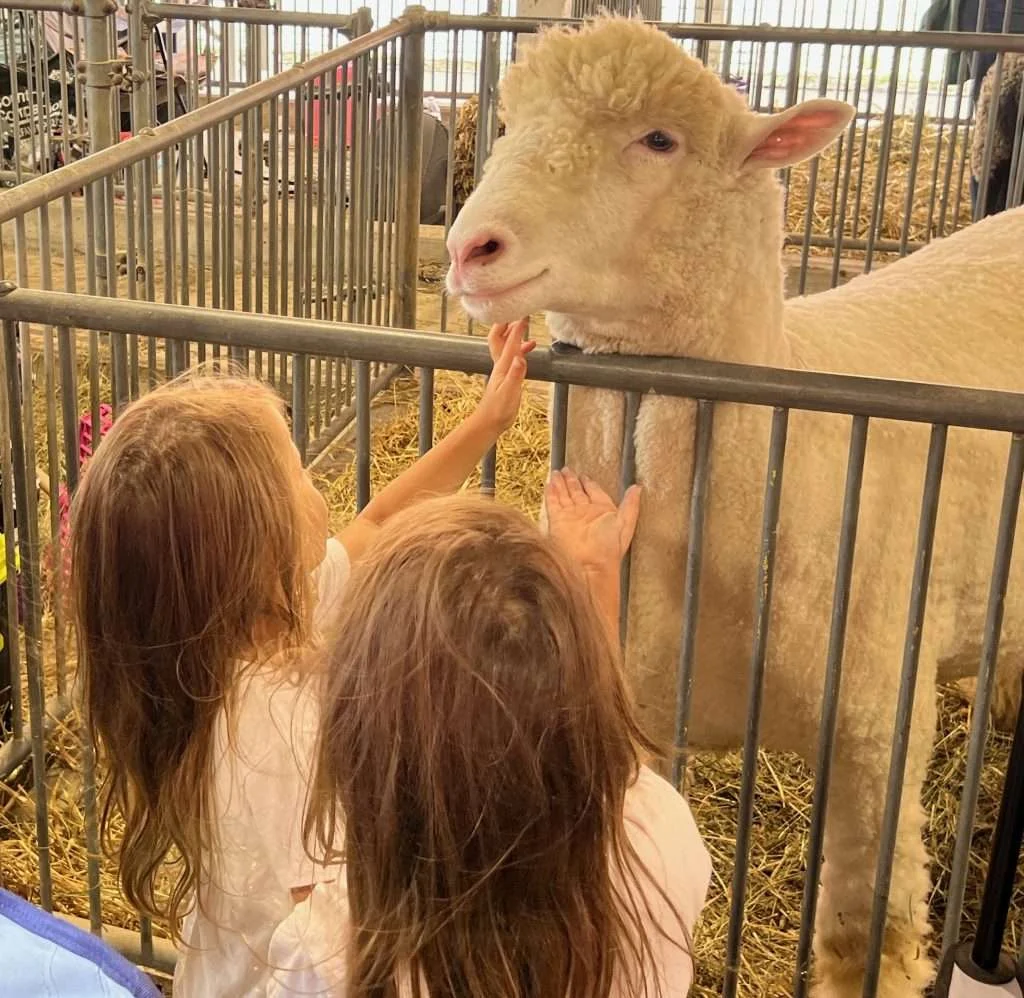
The practical application of these philosophies is perhaps best observed in the field, specifically at events like the Wisconsin Sheep and Wool Festival. At the Crook and Whistle Sheepdog Trial, one can see the raw reality of the human-canine relationship.
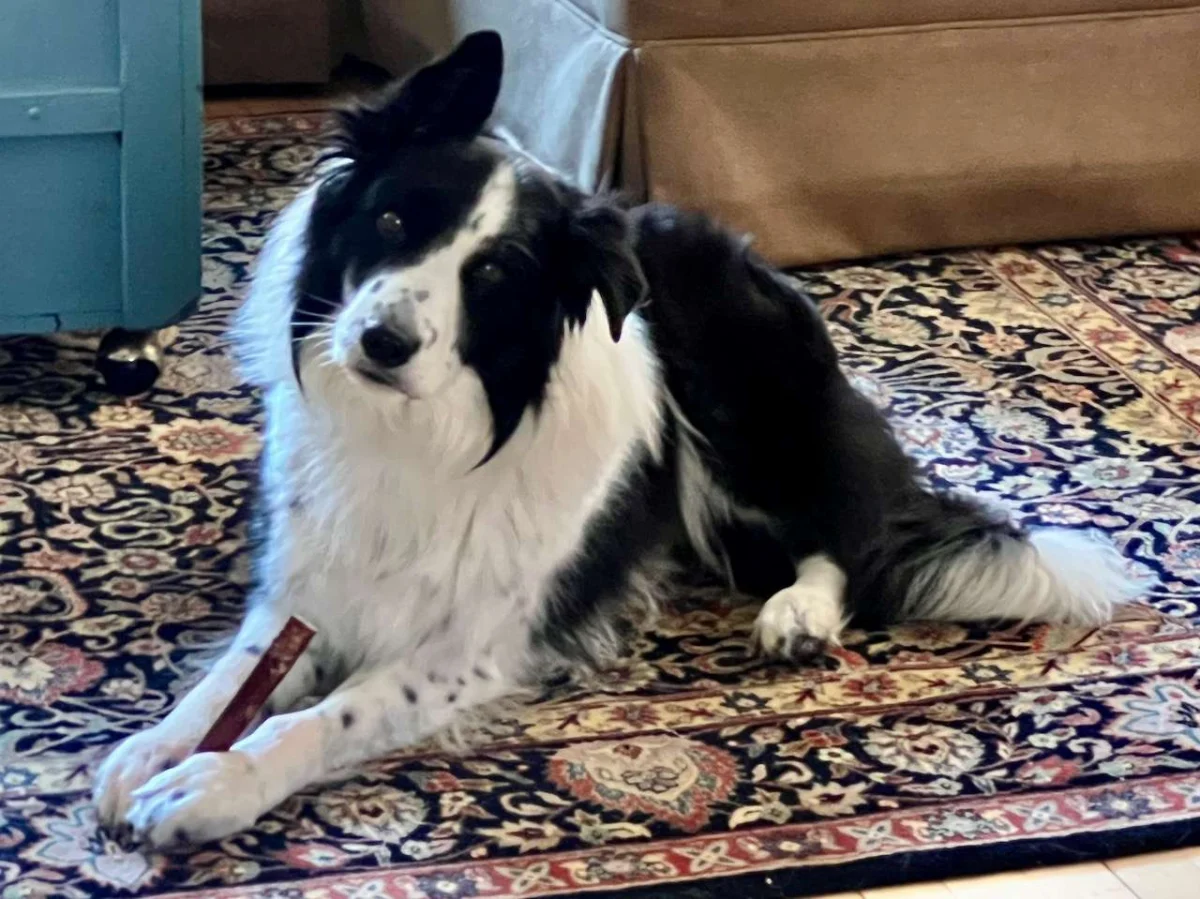
During these trials, the dog’s work is not a result of forced dominion, but a manifestation of a deeply honed, collaborative skill set. When a Border Collie maneuvers a flock of young, unpredictable sheep, the handler is not merely "owning" the dog; they are working as a team. The "outrun," the "lift," and the "fetch" are moments where the human and dog communicate in a language that transcends species.

Observations from the Field
- The Role of the Judge: Scribing for a judge provides a unique vantage point on the partnership. One sees the difference between a dog that is intimidated into action and one that is guided by a partner who understands the animal’s natural drives.
- The Challenge of Youth: Handling young, inexperienced sheep highlights the necessity of patience—a virtue that is central to the "guardian" ethos. Without the calming influence of older sheep, the lambs act out, testing the dog’s ability to remain composed and effective.
- The Human Experience: Beyond the trials, the festival showcases the broader community of animal enthusiasts—from spinners and weavers to families bonding with livestock. It is a reminder that the human connection to the animal kingdom is vast and multifaceted.
Implications for the Future
The implications of this shift are profound. If we stop viewing ourselves as "owners," we must reconsider the legal rights of dogs, the ethics of breeding, and the standards of care we provide.
If we are, in fact, guardians or partners, our primary responsibility is to understand the "dogness" of our companions. This means acknowledging that they have their own needs, their own ways of communicating, and their own perspectives on the world. It requires us to move away from anthropomorphizing them as "furry humans" and instead embrace them as the unique, species-specific beings they are.
As we look toward the future, the goal should be to foster a culture where the term used to describe our relationship is secondary to the quality of the relationship itself. Whether we call ourselves owners, parents, or guardians, the true measure of our role lies in how we honor the dignity of the dog.

As we prepare for the release of new educational resources and continue our personal journeys with our own companions, we are reminded that we are not the masters of our dogs; we are the fortunate participants in one of the most beautiful "biological miracles" on the planet.
For those interested in the evolving conversation regarding canine behavior and the human-canine bond, further discourse will be held at the upcoming CANIS conference. Attendees can look forward to exploring these themes alongside industry experts, with resources such as the updated "The Puppy Primer" providing a roadmap for the next generation of dog guardians.