By Industry Correspondent
Editor’s Note: This is a fluid, rapidly evolving situation. The number and geographical distribution of confirmed New World screwworm (NWS) cases are subject to daily change as state and federal agricultural agencies continue their surveillance efforts. For the most recent updates, owners and stakeholders are directed to the official monitoring portal provided by the U.S. Department of Agriculture (USDA).
The Return of a Biological Threat
As of June 8, 2026, the American agricultural and equine sectors have been placed on high alert following a series of confirmed detections of the New World screwworm (Cochliomyia hominivorax). This devastating, flesh-eating parasite, which was largely eradicated from the United States decades ago, has re-emerged, triggering immediate federal intervention, regional livestock movement restrictions, and stringent international trade embargoes.
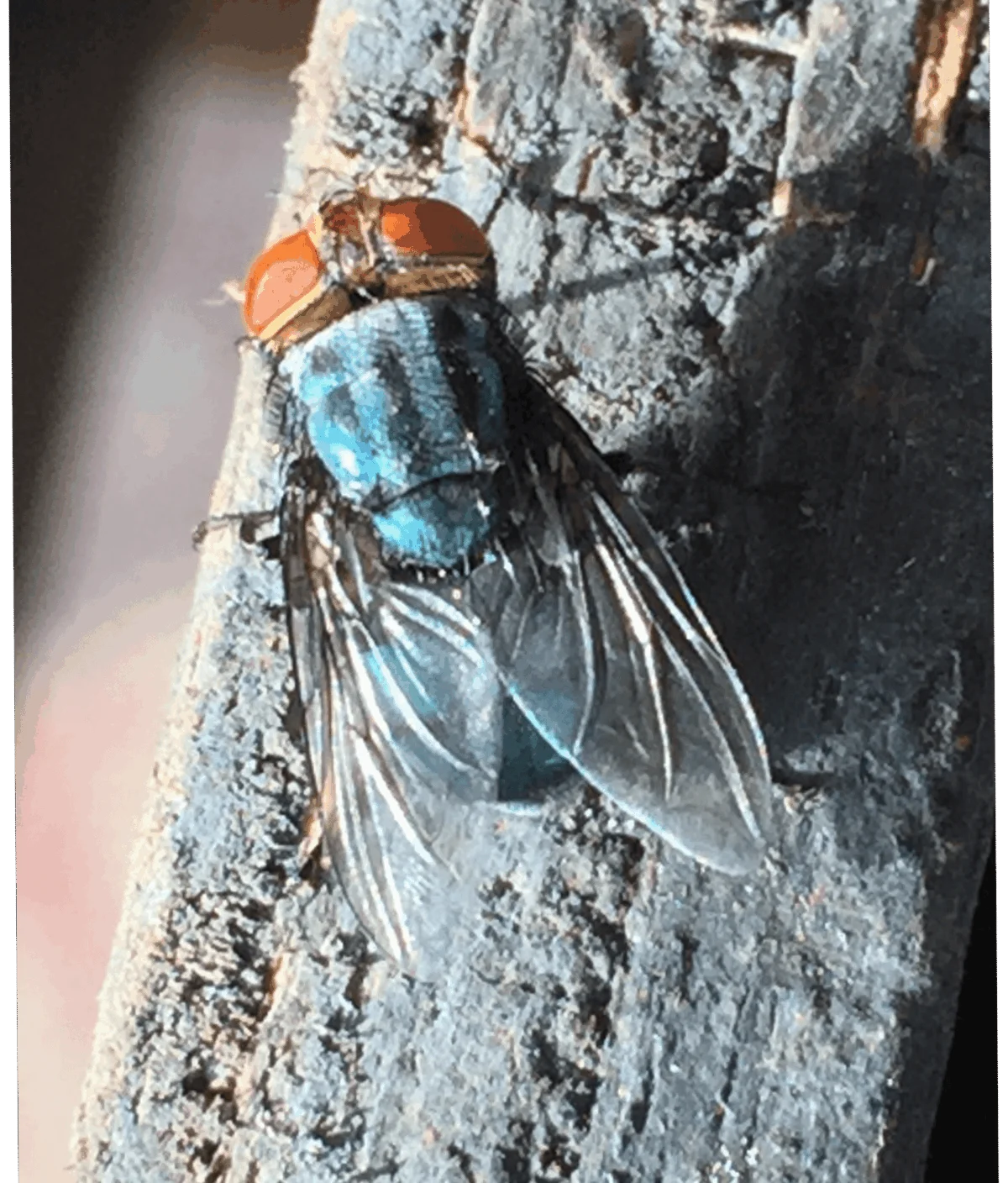
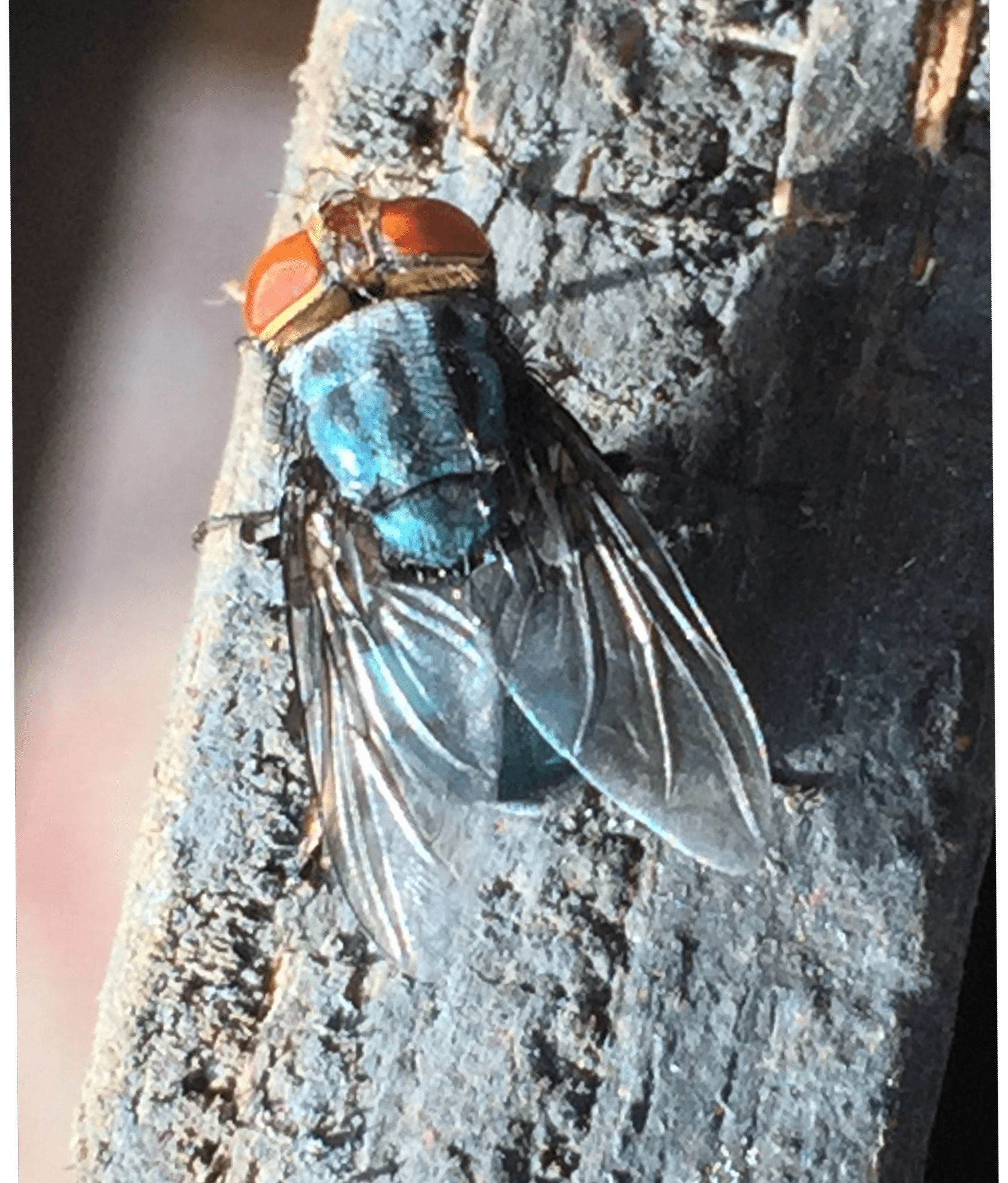
The New World screwworm is not a conventional pest; it is a profound threat to animal welfare and economic stability. Unlike common blowflies, the female screwworm fly lays her eggs in the open wounds of warm-blooded animals. Upon hatching, the larvae burrow into the living flesh of the host, feeding on tissue and causing severe, often fatal, damage. The parasite’s return to American soil has mobilized the U.S. Department of Agriculture’s Animal and Plant Health Inspection Service (APHIS) to deploy emergency containment protocols to prevent a widespread epidemic.
Chronology and Geographical Scope
The current outbreak is concentrated primarily in Texas, though the geographical footprint has already begun to shift. As of the latest reporting, the majority of the confirmed cases have been identified within cattle populations, with additional incidents reported in goats.
However, the threat is not limited to large-scale livestock. A significant development in the investigation occurred with the confirmation of an NWS case in a domestic dog. Initially misattributed to a Texas county bordering New Mexico, further forensic and epidemiological analysis clarified that the case originated in Lea County, New Mexico. This cross-border movement of the parasite underscores the urgency of the situation, as it indicates the potential for the infestation to spread rapidly across state lines.
State and federal officials are conducting trace-back investigations to determine the index case and the path of transmission. Because the screwworm is highly opportunistic, the primary challenge remains the constant movement of livestock, which serves as a vector for the parasite’s expansion.
Official Response and Biosecurity Measures
In response to the mounting evidence of an active infestation, the Texas Animal Health Commission (TAHC) has implemented strict quarantine and movement restrictions. These mandates are designed to isolate affected herds and prevent the further dissemination of infected animals into the supply chain or the general population. Livestock producers in the affected regions are encouraged to consult the TAHC website for specific guidance regarding animal transport and veterinary reporting requirements.
The federal government, through the USDA, is spearheading the national response. This includes public education campaigns, the deployment of diagnostic teams, and coordination with international agricultural partners. The USDA’s "Myth Buster" initiative serves as a critical resource for dispelling misinformation regarding the parasite, ensuring that owners understand the clinical signs of an infestation: deep, necrotic wounds that attract more flies, leading to a cycle of rapid deterioration.
The Economic Impact: A Trade Landscape in Flux
The presence of the New World screwworm has had immediate and far-reaching consequences for international trade. Because the parasite poses a significant risk to the health of livestock in neighboring countries, traditional trade routes have been effectively severed.
- US-Mexico Border: In a move to insulate the North American livestock industry, the border is currently closed to all livestock exports from the United States to Mexico. This prohibition applies to all categories of animals, including horses, which are often exempted from less severe restrictions. Simultaneously, all livestock imports from Mexico into the U.S. have been suspended to prevent the introduction of new parasite populations.
- Canadian Trade Restrictions: Canada, maintaining a zero-tolerance policy regarding the potential introduction of the screwworm, has imposed an immediate ban on the importation of all livestock from Texas. Furthermore, the restriction extends to any animal that has resided in or transited through Texas within the 21 days preceding their intended entry into Canada.
These trade disruptions are expected to place significant strain on the equine and livestock industries, creating logistical bottlenecks for those involved in breeding, racing, and commercial transport. The American Horse Council (AHC) has been working closely with government agencies to advocate for the industry’s interests while emphasizing the necessity of total compliance with these biosecurity measures.
Clinical Implications for Animal Owners
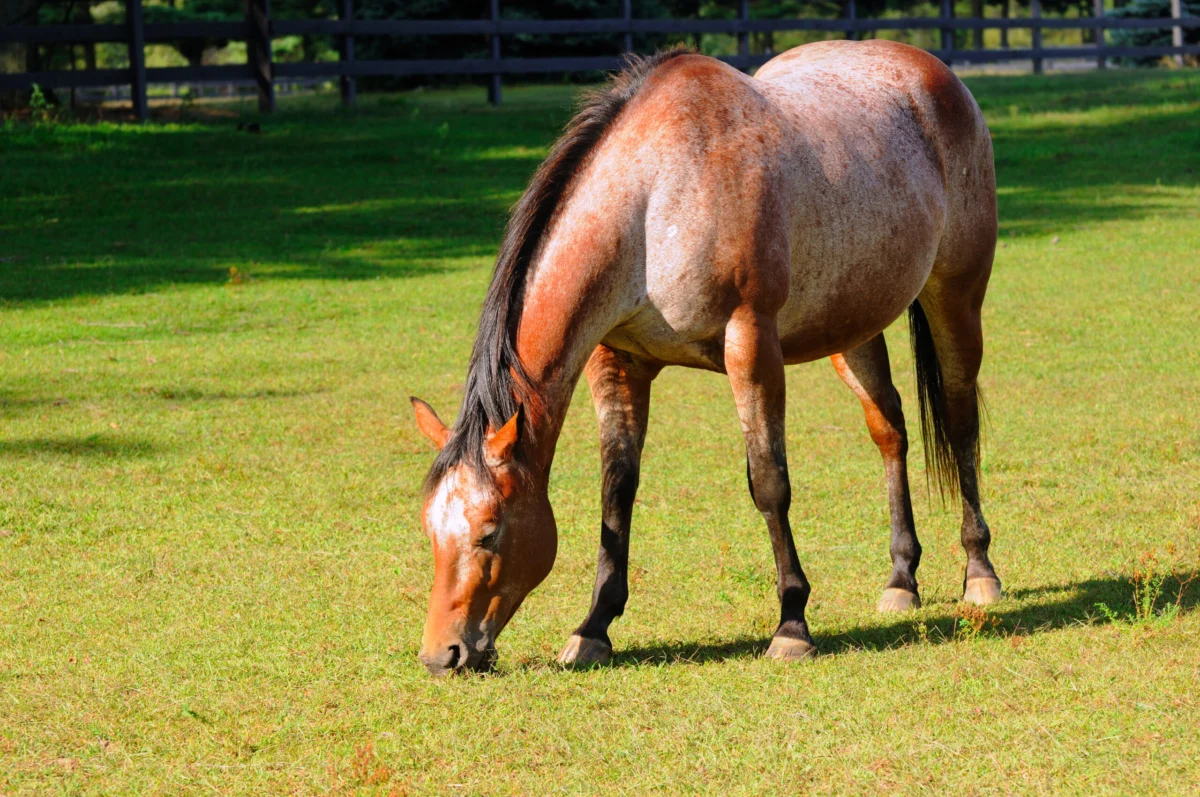
For those in the equine industry, the threat of the New World screwworm is particularly concerning. Horses are susceptible to the parasite, and because they are frequently transported for competition or breeding, they represent a high-risk group.
Owners are urged to implement rigorous biosecurity protocols immediately:
- Daily Inspections: Regularly inspect all animals for signs of wounds, lacerations, or matted hair.
- Report Suspicious Activity: Any unexplained wound that does not heal properly or appears to have larvae present must be reported to a local veterinarian or state agricultural authority immediately.
- Minimize Wounds: Ensure that fences and stalls are free of sharp protrusions that could cause skin tears, as these open wounds are primary targets for screwworm fly egg-laying.
- Vector Control: Manage fly populations in pastures and barns to reduce the likelihood of contact.
The AHC, as the primary advocate for the horse industry in Washington, D.C., is working to ensure that stakeholders have access to the most recent legislative updates and health resources. The organization’s mission—to protect the health and welfare of the horse while navigating the complex legislative and economic landscape—has never been more critical than during this public health emergency.
Additional Resources and Long-term Vigilance
Managing this crisis will require long-term vigilance. As the climate changes and seasonal migration patterns fluctuate, the risk of parasite introduction remains a constant variable. Industry professionals are encouraged to utilize the following resources to stay informed:
- The Screwworm Portal: www.screwworm.gov serves as the central hub for information regarding international animal movement and federal regulatory status.
- USDA Outbreak Map: The APHIS Status Page provides real-time mapping of confirmed cases, allowing producers to assess the risk in their specific geographic area.
- Educational Materials: The Equine Disease Communication Center (EDCC) provides a comprehensive Horse Owner Fact Sheet, which covers the life cycle of the screwworm and prevention strategies.
- Industry Webinars: The USDA’s recorded webinar for the animal industry is an invaluable tool for understanding the technical aspects of the containment effort and the specific responsibilities of industry participants.
Conclusion
The re-emergence of the New World screwworm serves as a stark reminder of the vulnerability of our domestic and agricultural animal populations. While the current situation is being managed through aggressive quarantine and trade restrictions, the ultimate resolution of this crisis will depend on the cooperation of the entire agricultural community. By adhering to the guidance of the USDA and state agricultural commissions, and by maintaining a high standard of clinical vigilance, owners can help contain this parasite and prevent a broader, more devastating impact on the American livestock and equine industries.
The American Horse Council and other industry bodies remain committed to providing the necessary support and advocacy to ensure the industry emerges from this crisis as quickly and safely as possible. As the situation develops, stakeholders are encouraged to check for daily updates, as the "fluid" nature of this outbreak means that guidance provided today may be modified as new information comes to light.