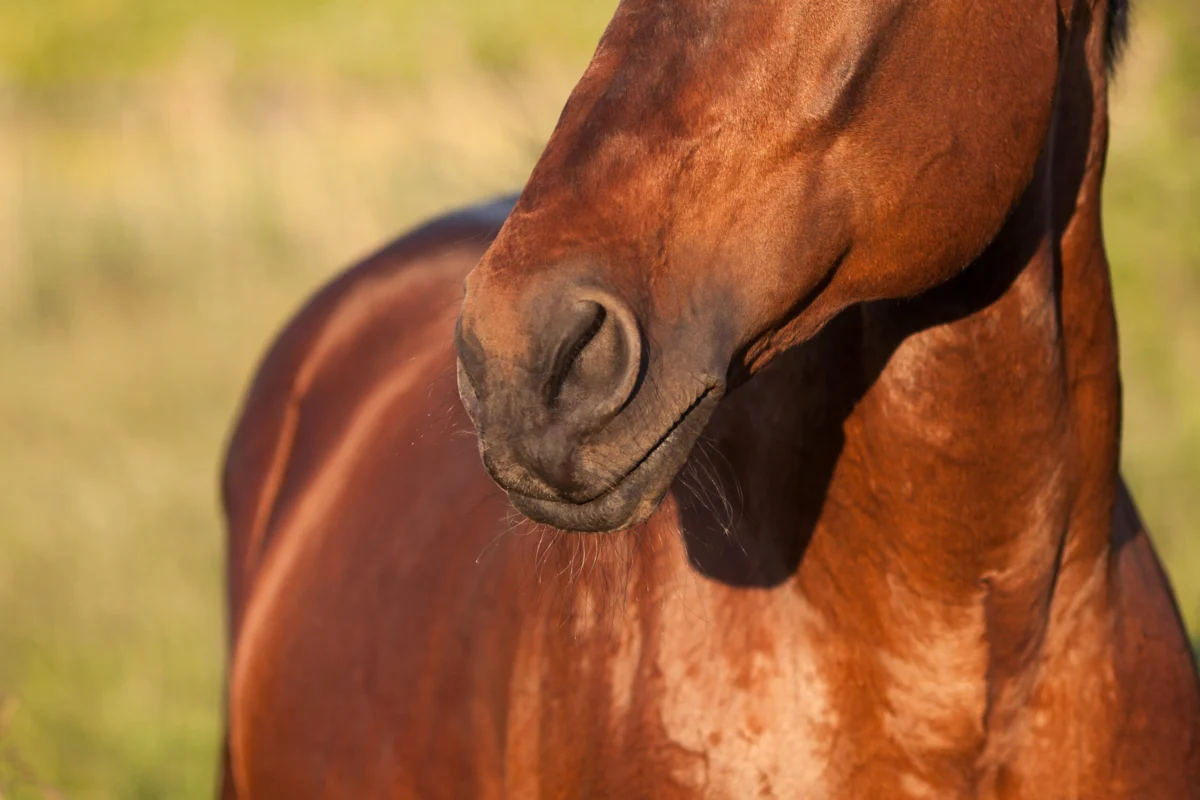
SEMINOLE COUNTY, Fla. – The Florida Department of Agriculture and Consumer Services (FDACS) has confirmed a new case of Eastern equine encephalitis (EEE) in a horse residing in Seminole County. The animal, which contracted the debilitating viral infection, was humanely euthanized following the onset of severe neurological symptoms. This marks the second confirmed case of the virus in the state for 2026, serving as a somber reminder of the persistent threat posed by mosquito-borne illnesses in the Sunshine State.
The confirmation comes as state veterinarians and public health experts urge horse owners to reassess their biosecurity and vaccination protocols. While EEE is rare, its high mortality rate and the potential for spillover into human populations make it a significant concern for animal health officials and public health departments alike.
The Chronology of the 2026 EEE Outbreak
The detection of this case in Seminole County follows a broader pattern of seasonal disease monitoring conducted by the EDCC (Equine Disease Communication Center) and state agricultural authorities.
- Early 2026: State veterinary labs increased surveillance as environmental conditions, including mild temperatures and periodic rainfall, created ideal breeding grounds for mosquito populations—the primary vectors for the EEE virus.
- The First Case: The initial confirmed case of EEE for 2026 was reported earlier this year, signaling the start of the virus’s active season in Florida’s humid climate.
- Current Status: With this second confirmation in Seminole County, officials have categorized the region as an active area of concern. The FDACS continues to monitor surrounding properties and equine populations to determine if further environmental risk factors are present.
The rapid progression of the disease in the Seminole County case highlights the importance of early detection. Clinical signs in horses often develop rapidly, and once neurological damage occurs, the prognosis for the animal is grim, leaving euthanasia as the most humane option to prevent further suffering.
Understanding Eastern Equine Encephalitis: A Biological Overview
Eastern equine encephalomyelitis (EEE) is caused by a virus transmitted primarily through the bite of infected mosquitoes. The virus operates within a complex ecological cycle involving wild birds, which serve as the natural reservoir.
The Transmission Cycle
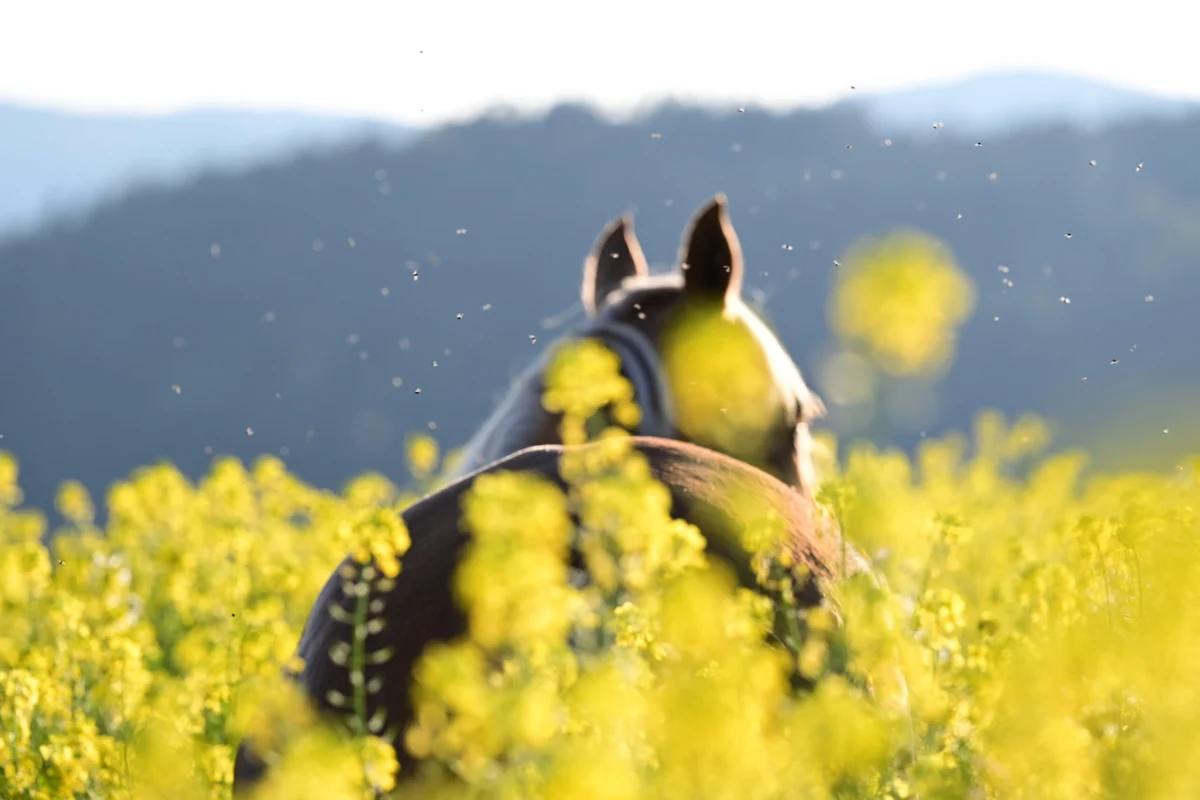
The transmission cycle is relatively straightforward but difficult to control. Mosquitoes—specifically species such as Culiseta melanura—feed on infected birds. These mosquitoes then transmit the virus to "dead-end hosts," which include horses, humans, and sometimes other avian species.
It is critical to note that horses do not develop high enough viral loads in their blood to transmit the disease to other animals or humans. A horse suffering from EEE is not contagious to its owner or other horses in the stable. However, because the virus attacks the central nervous system, it causes rapid inflammation of the brain and spinal cord, leading to the severe symptoms that characterize the disease.
Why EEE is So Dangerous
EEE is widely regarded as one of the most lethal mosquito-borne diseases in the United States. In horses, the mortality rate is estimated to be between 75% and 95%. In humans, the disease is equally concerning, as it can cause permanent neurological damage or death. Because there is no cure for the viral infection, treatment is purely supportive, making prevention the only viable strategy for equine management.
Official Responses and Public Health Implications
The Florida Department of Agriculture and Consumer Services remains the lead agency in responding to these outbreaks. Their protocol involves site inspections, epidemiological tracing to see if other animals in the vicinity have been exposed, and the issuance of public health alerts to regional veterinary practices.
"The identification of this case serves as a critical notification for the equestrian community," said a representative from the state veterinary office. "We are asking all owners to check their vaccination records immediately. If a horse has not been vaccinated against EEE within the last six months, they are effectively unprotected."
The EDCC, which works in tandem with the Equine Network, emphasizes that transparency is key to containment. By disseminating verified reports, they allow stable owners and veterinarians to adjust their management practices in real-time, effectively creating a "disease firewall" that slows the spread of the virus.
Comprehensive Prevention Strategies for Equine Owners
Given that there is no treatment for EEE, prevention is the cornerstone of equine health. Owners are encouraged to implement a multi-faceted approach to reduce the risk of exposure.
1. Vaccination Protocols
The most effective defense against EEE is the core vaccination program. Veterinarians recommend that horses in endemic areas like Florida receive an EEE vaccine at least twice a year. Because immunity can wane, booster shots are essential to maintain the necessary antibody titers. Owners should consult with their local veterinarian to tailor a vaccination schedule based on the horse’s age, health status, and regional risk factors.
2. Mosquito Abatement and Habitat Management
Since mosquitoes are the primary vector, reducing the mosquito population around the stable is paramount.
- Water Management: Eliminate standing water in troughs, buckets, tires, and drainage ditches. Mosquitoes require stagnant water to lay eggs; removing these breeding sites is the first line of defense.
- Physical Barriers: Where possible, use fans in stables, as mosquitoes are weak fliers and struggle to navigate air currents.
- Environmental Control: Clear heavy brush and tall grass around barns, as these areas provide shelter for mosquitoes during the heat of the day.
3. Personal Protection
- Equine Insecticides: Use EPA-approved fly sprays and repellents specifically formulated for horses. Many modern formulas include compounds that act as barriers against mosquitoes and biting flies.
- Protective Gear: Fly sheets and fly masks, while primarily used for nuisance insects, can provide an additional layer of protection against mosquito bites.
The Broader Context: Climate and Disease Vector Shifts
The recurrence of EEE in Florida is not an isolated event but rather part of a larger, ongoing challenge faced by the veterinary industry. Changing climate patterns, including shorter, warmer winters, have expanded the window during which mosquitoes are active. This extended season means that horses are at risk for a longer period throughout the year.
Furthermore, the migration of wild bird populations—the natural reservoirs for the virus—continues to introduce the virus into new geographical pockets. For the horse owner, this means that even if EEE has not been seen on a specific property in years, the risk is never truly zero.
Moving Forward: Surveillance and Vigilance
As we move further into 2026, the equestrian community must remain vigilant. The loss of a horse to EEE is not just a tragedy for the owner; it is an indicator of the environmental health of the region. By reporting symptoms early—such as fever, depression, lack of appetite, or signs of neurological distress like head pressing, circling, or muscle twitching—owners can help public health officials map the progression of the virus.
The EDCC Health Watch program continues to provide the data necessary for informed decision-making. Through their partnerships with local veterinary clinics and national agricultural databases, they ensure that news of an outbreak travels faster than the mosquitoes themselves.
For those in Seminole County and surrounding areas, now is the time to verify your horse’s health records and ensure that your biosecurity measures are up to date. Prevention is the only way to ensure that this second confirmed case of 2026 remains an outlier rather than the start of a widespread outbreak.
Disclaimer: This report is based on information disseminated by the Equine Disease Communication Center (EDCC) and the Florida Department of Agriculture and Consumer Services. For specific medical advice regarding your horse, please consult your primary veterinarian.