Road trips are the quintessential American adventure, a rite of passage that captures the spirit of freedom and exploration. For many, these memories are inextricably linked to the companions who occupied the passenger seat—the loyal dogs who kept watch as the landscape shifted from city skylines to rolling mountain ranges. As the “van life” movement continues to surge in popularity, pet owners are finding that the open road is more accessible than ever, provided one knows how to navigate the logistical challenges of traveling with four-legged friends.
Renting an adventure van offers a perfect middle ground for travelers who crave the intimacy of nature but aren’t quite ready to commit to the rigors of tent camping or the cumbersome size of a full-scale recreational vehicle (RV). Whether you are planning a weekend getaway or a cross-country odyssey, the modern campervan is designed to accommodate the dynamic needs of both human and hound.
Main Facts: Why Campervans Win the Road Trip War
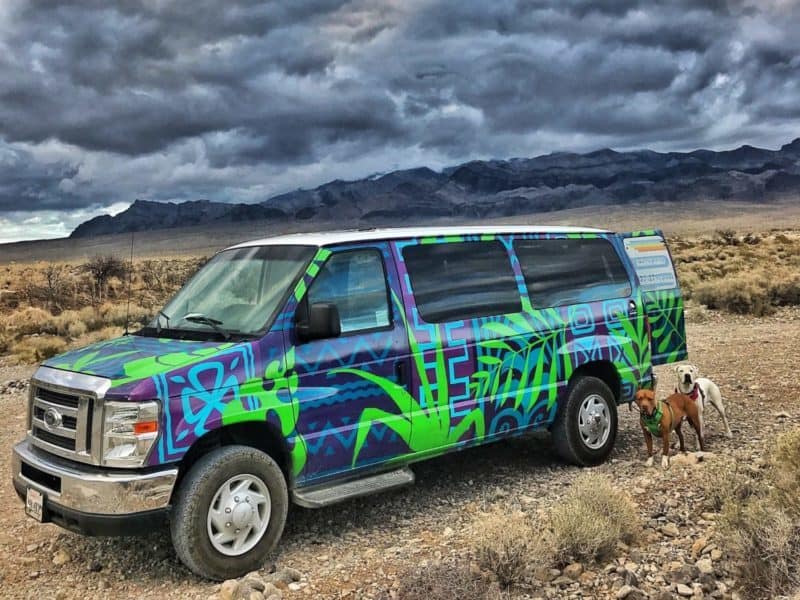
The appeal of the adventure van lies in its maneuverability and utility. Unlike massive motorhomes, which can be daunting to navigate through narrow mountain passes or tight urban parking spots, most campervans are built on standard van chassis. They offer enough interior volume to house your essential gear and a comfortable sleeping area, yet they remain compact enough to drive with ease.
Beyond the vehicle’s mechanics, the industry shift toward inclusivity has been transformative. A significant number of rental companies have recognized that, for many, a "family vacation" is incomplete without the inclusion of their pets. These companies now offer pet-friendly policies that remove the anxiety of finding pet-inclusive lodging, effectively turning your vehicle into a mobile home that follows your itinerary rather than dictating it.
The Chronology of Planning: From Booking to Departure
Successful travel with pets is a marathon of preparation rather than a sprint. To ensure a seamless journey, follow this suggested timeline:
- Phase One: Research and Policy Review (3–6 months out): Not all rental companies are created equal. You must begin by vetting companies based on their pet policies. Some firms impose weight limits, breed restrictions, or even seasonal blackout dates. For instance, some companies prohibit pets during peak summer months (July–September) to protect animals from the dangers of heat exhaustion in parked vehicles.
- Phase Two: The "Deep Dive" Consultation (2 months out): Never rely solely on a website’s FAQ page. Call the rental office directly. Ask specifically about their cleaning fees, security deposit adjustments for pets, and the availability of anchor points for safety harnesses.
- Phase Three: Gear Logistics (1 month out): Audit the van’s included inventory. Most rentals provide basic kitchenware and bedding, but your pet’s comfort is paramount. Identify what items are provided and supplement them with familiar objects from home, such as a favorite blanket or bed, to reduce travel-induced stress.
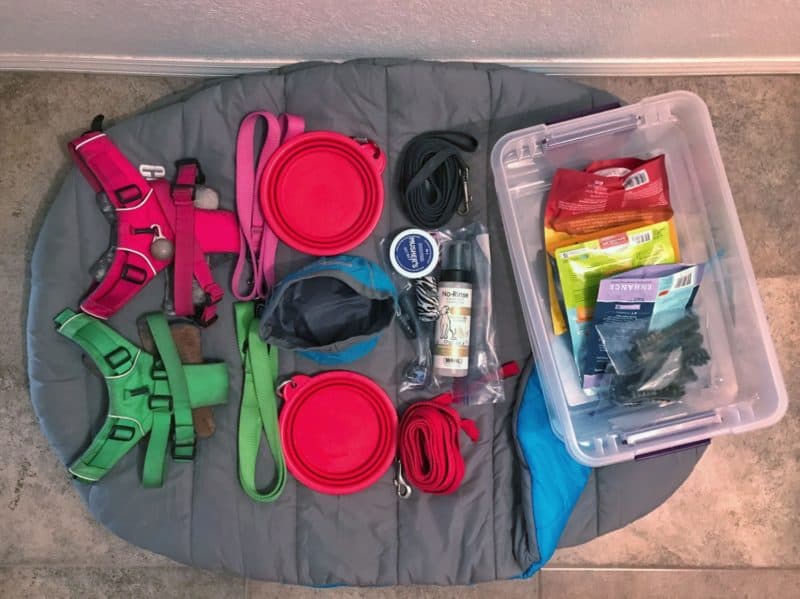
- Phase Four: Final Prep (1 week out): Pack your "emergency kit." This should include pet-specific first aid supplies, extra leashes, water purification, and high-quality cleaning agents.
Supporting Data: Ensuring Safety on the Open Road
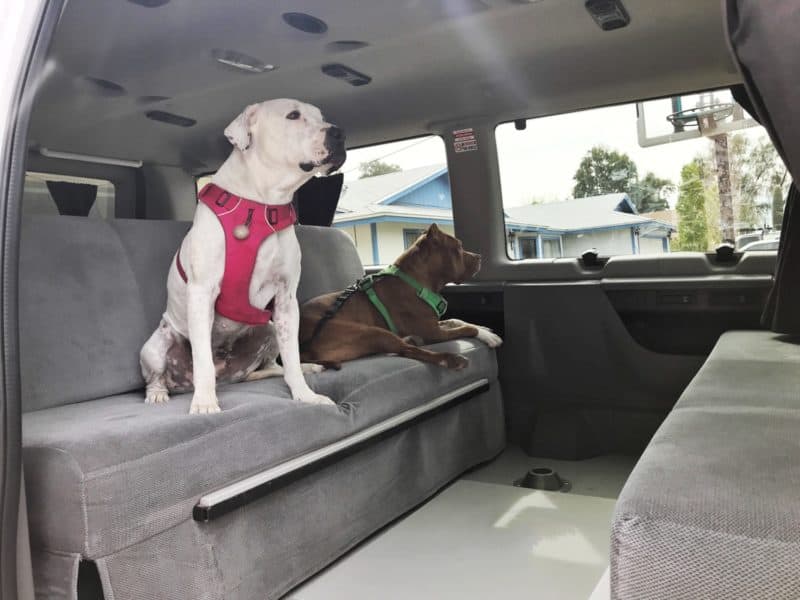
The most critical aspect of traveling with pets is ensuring their safety while the vehicle is in motion. Modern campervans often feature convertible back seats, which can double as a secure riding area. Utilizing crash-tested dog harnesses that connect to vehicle seatbelts is the gold standard for pet safety. If your dog is crate-trained, ensure the rental company allows for the floor space required to securely anchor a kennel.
The "Murphy’s Law" Packing List
Experience teaches that when you are miles from the nearest laundromat or hardware store, the unexpected will occur. Professional travelers recommend the following "essentials" for pet-friendly van life:
- Cleaning Supplies: Paper towels, enzymatic cleaners (to handle accidents), and fabric freshener.
- The "Zen" Toolkit: Old yoga mats act as exceptional, easy-to-clean door mats. They catch dirt and mud before it reaches the interior and provide a non-slip surface for your pet during meal times.
- Hygiene Essentials: Dry shampoo for pets is a necessity for keeping the van’s small, enclosed environment fresh during long trips.
Official Perspectives: Navigating Park Rules and Regulations
The "Where to Park" dilemma is perhaps the most significant hurdle for any van traveler. Options range from highly amenitized private campgrounds to the rugged, "off-the-grid" experience of Bureau of Land Management (BLM) land.
The Campground Hierarchy
- Private Campgrounds: Often the most expensive, these sites provide the most amenities, including high-speed Wi-Fi, laundry facilities, and secure showers—ideal for families needing to wash muddy paws frequently.
- State and National Parks: These locations offer unparalleled access to trails and scenery. However, rules regarding pets on hiking trails vary wildly. Always check the official National Park Service website for specific "pet-on-trail" regulations before booking.
- Dispersed Camping (BLM/National Forests): This is the ultimate "van life" experience. While it offers total solitude, it is also the most challenging. There are zero amenities, meaning you must be entirely self-sufficient regarding water, food, and waste disposal.
Implications: The Evolution of Pet-Inclusive Travel
The rise of pet-friendly van rentals is not merely a travel trend; it is a reflection of a societal shift that views pets as integral family members. As rental fleets continue to modernize, the industry is seeing a move toward more flexible booking windows and clearer, more transparent communication regarding pet safety.
However, this freedom comes with responsibility. The "Leave No Trace" principle is amplified when traveling with pets. Pet waste management and noise control in campgrounds are vital to ensuring that these rental companies maintain their pet-friendly status. If one traveler leaves a site in disarray, it jeopardizes the access of every other pet owner who follows.
Strategic Advice for the Road
- Storage Creativity: Use 15-quart plastic bins for gear. They are modular, easy to stack, and can be moved to the driver’s cabin at night to create more sleeping space in the rear.
- The "Food Thief" Protocol: Always store pet food in airtight, chew-proof containers. Adventure vans are small, and a determined dog can easily breach a bag of kibble, leading to digestive issues and a messy van.
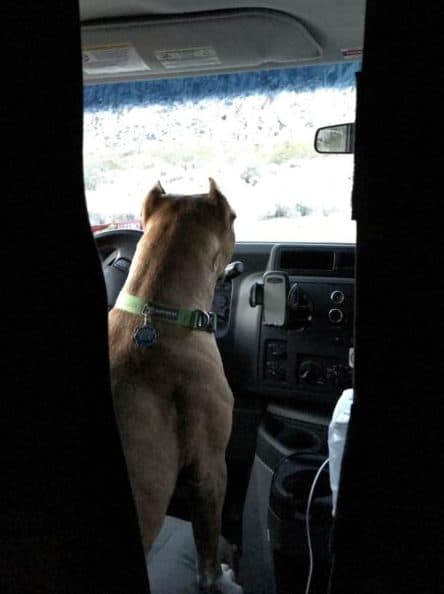
- The "Driver’s License" Myth: Despite what your dog’s personality might suggest, they should never be in the front seat while the vehicle is in motion. Keep them secured in the rear to avoid distractions and ensure that if an airbag deploys, your pet remains safe.
Conclusion
Renting an adventure van with your pet is an invitation to redefine how you experience the world. It requires patience, a meticulous approach to logistics, and a willingness to embrace the occasional chaotic moment. Yet, for those who value the bond between human and animal, there is no better way to travel.
As you plan your journey, remember that the van is simply the vessel; the memories you create with your pet in the quiet of a forest clearing or the beauty of a mountain sunrise are what truly define the adventure. Whether you are navigating the historic curves of Route 66 or finding a hidden gem in a local state park, the road is waiting. Pack the extra treats, secure the harness, and prepare to make some truly "pawsome" memories.
For those ready to take the leap, local and national rental companies are increasingly adopting these policies, providing the perfect platform for your next great escape. Safe travels to you and your four-legged co-pilot.