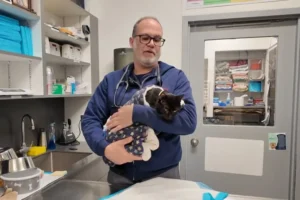
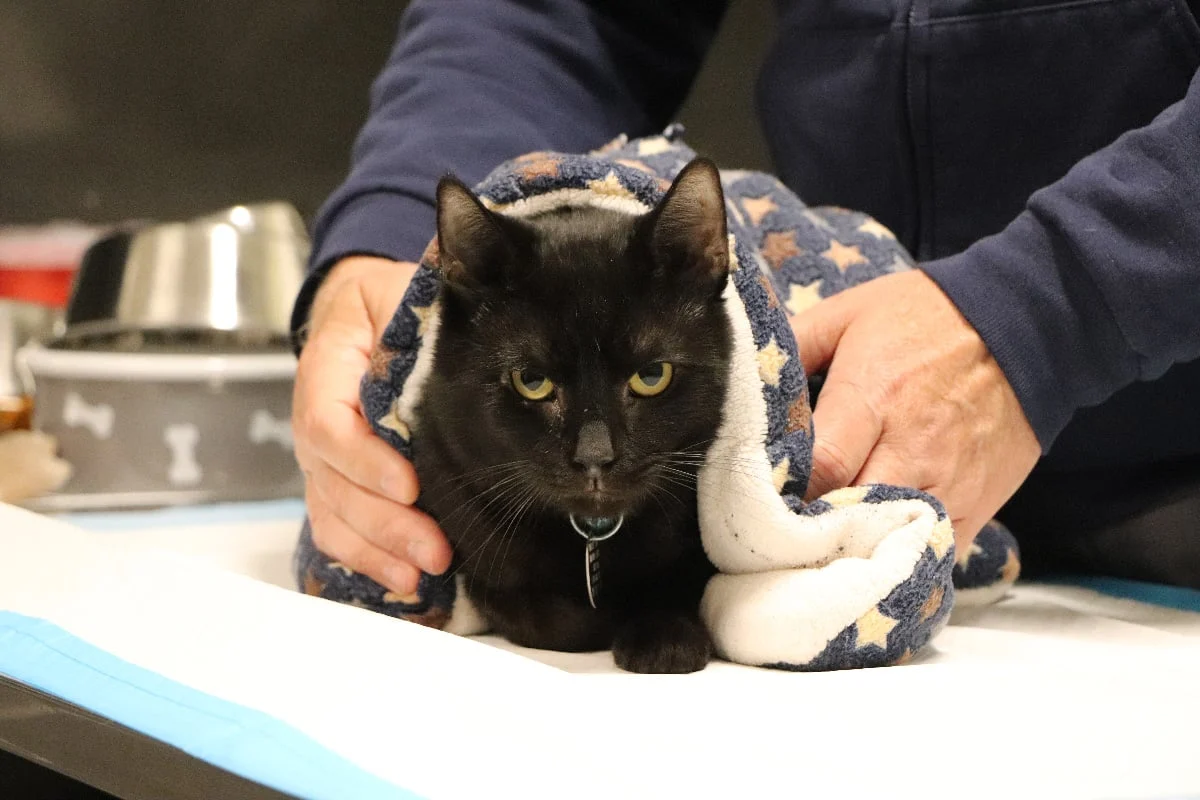
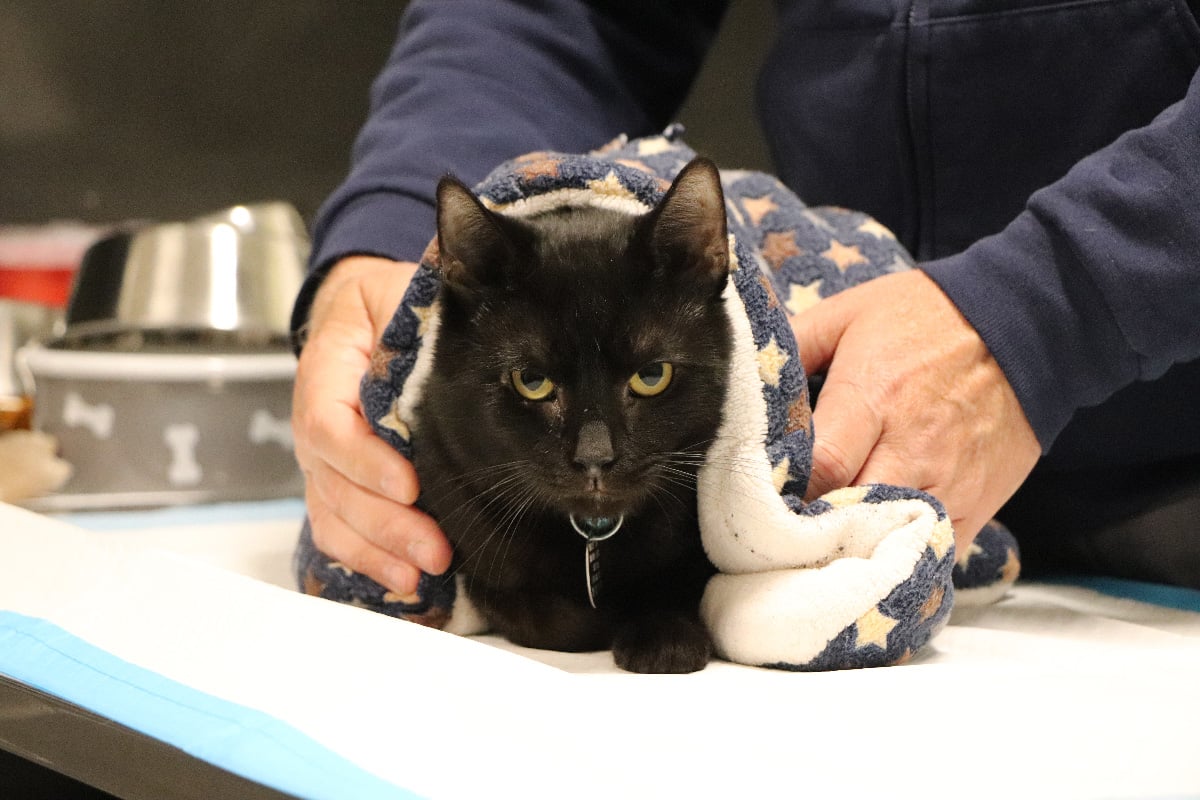
When Orzo, a shy black cat, arrived at North Shore Animal League America, his physical state told a harrowing story of neglect. Rescued from a hoarding situation in upstate New York, Orzo carried the heavy burden of both profound emotional trauma and a debilitating physical condition that had rendered his daily existence a cycle of chronic pain. His journey from a crowded, unsanitary hoarding environment to the specialized care of a world-class veterinary facility serves as a poignant case study in the intersection of animal welfare, complex medical intervention, and the long-term commitment required to rehabilitate animals who have known nothing but misery.
The Diagnosis: A Mouth in Crisis
Upon his intake, the rescue team immediately recognized that Orzo was not thriving. His behavior was guarded, his demeanor withdrawn, and his physical health was clearly failing. Following a comprehensive examination by the veterinary staff, he was diagnosed with feline stomatitis—a severe, immune-mediated inflammatory disease that wreaks havoc on the oral cavity.
For those unfamiliar with the condition, Dr. Mark Verdino, Chief of Veterinary Staff at Animal League America, offers a stark analogy: "Feline stomatitis is an immune-mediated disease that causes severe inflammation and ulceration in the oral cavity. The easiest way to explain it is that these cats are essentially having an allergic reaction to their own teeth."
In Orzo’s case, the disease had reached an advanced stage. The inflammation caused by his body’s rejection of his own dental structure led to ulcerations that made basic actions—eating, grooming, and even swallowing—exercises in agony. Without immediate intervention, Orzo faced a lifetime of dependence on high-dose medication, chronic infections, and a diminished quality of life that would have made him an unlikely candidate for adoption.
Chronology of Recovery: From Rescue to Rehabilitation
The timeline of Orzo’s recovery illustrates the intensive resources required to save an animal from such a neglected background.
- Intake and Assessment (Week 1): Orzo arrived in a state of high anxiety. Initial blood work and physical assessments were performed to stabilize him, but the primary barrier to his health was quickly identified as the severe oral inflammation.
- Pre-Surgical Stabilization (Weeks 2-3): Before he could withstand the rigors of a major procedure, Orzo required a period of "decompression." Coming from a hoarding environment, he had never known consistent human contact or a predictable routine. Behavioral staff worked to ensure he was calm enough to undergo anesthesia.
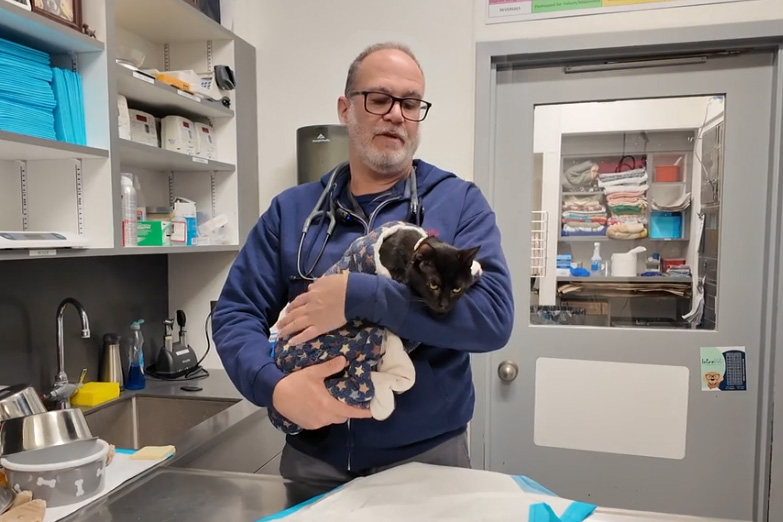
- The Procedure (Month 1): Orzo underwent a full-mouth extraction—a complex, two-hour surgical procedure performed in the organization’s specialized Fried Dental Suite. By removing all of his teeth, the veterinary team effectively removed the source of his immune-mediated agony.
- Post-Operative Recovery (Ongoing): The current phase of Orzo’s journey involves healing from surgery while simultaneously beginning his behavioral rehabilitation. He is being introduced to a soft-food diet and, more importantly, a life where he is not in constant physical pain, allowing his personality to finally emerge.
Advanced Veterinary Intervention: The Fried Dental Suite
The successful treatment of Orzo highlights a critical disparity in the animal rescue world. While many shelters provide basic spay/neuter services and routine vaccinations, they often lack the equipment and specialized personnel to handle advanced dental, orthopedic, or internal medicine cases.
A full-mouth extraction is not a standard shelter procedure; it requires specialized surgical tools, high-grade anesthesia monitoring, and a team trained in feline oral pathology. In the private sector, such an operation could cost pet owners thousands of dollars, effectively putting life-saving care out of reach for many animals without the backing of a large-scale organization. The existence of the Fried Dental Suite at Animal League America allowed the team to bypass these financial barriers, ensuring that Orzo received the same standard of care he would have received at a top-tier private specialty hospital.
The Psychological Toll of Hoarding
Physical health is only one half of the recovery equation for animals rescued from hoarding situations. Dr. Verdino and his team emphasize that Orzo’s behavioral needs are just as urgent as his dental ones.
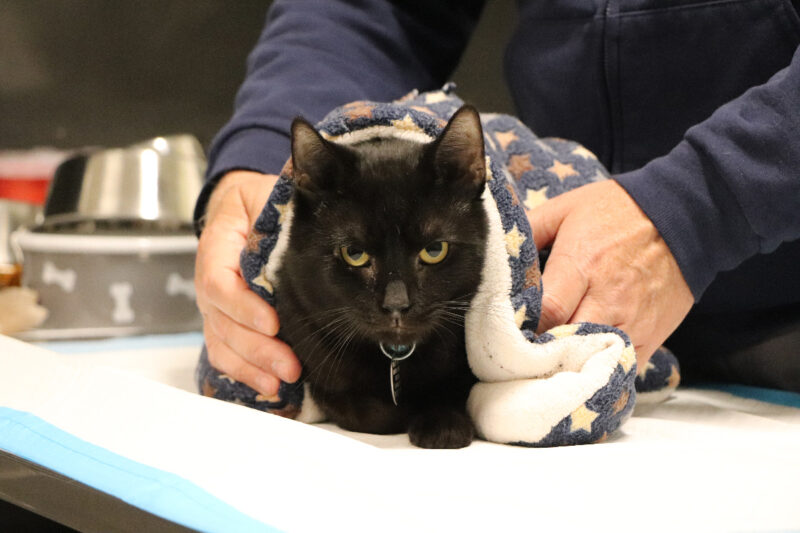
Hoarding environments are typically characterized by overpopulation, lack of stimulation, and an absence of human socialization. Cats in these settings often exist in a constant state of "fight or flight." When they are removed, they do not automatically transition to being "house cats." They must learn that a human hand is a source of comfort rather than a threat.
"He will need patience, stability and compassionate behavioral support as he learns to feel safe," the veterinary team noted. The feline behavior department is currently using positive reinforcement techniques, allowing Orzo to dictate the pace of his socialization. This ensures that he is not pushed beyond his current comfort level, preventing the regression that can occur when a traumatized animal is forced into interaction too quickly.
Implications for Animal Welfare Policy
Orzo’s story is far from an isolated incident. Each year, thousands of animals are surrendered or seized from hoarding situations, often presenting with "the trifecta of rescue": malnutrition, chronic untreated illness, and severe behavioral deficits.
The Financial and Emotional Burden
The cost of caring for an animal like Orzo—including intake, medical diagnostics, specialized surgery, weeks of recovery, and behavioral therapy—can be substantial. This raises a larger systemic question regarding how society supports the rescue organizations that take on these cases. Without private donations and the infrastructure of major Pet Health Centers, the fate of animals like Orzo would, in many instances, be euthanasia.
Shifting the Narrative
There is an increasing movement in the veterinary community to view "special needs" animals not as damaged goods, but as resilient survivors. By providing high-level medical care, rescues are changing the narrative around adoptability. An animal that is "shy" or "medically complex" can, with the right intervention, become a thriving companion.
A Future Beyond Pain
As Orzo continues his rehabilitation, he serves as a symbol of the progress being made in the field of animal rescue. He is no longer defined by the cage he once occupied or the pain that once governed his every movement. Instead, he is defined by the resilience of a creature that has been given a second chance.
For those looking to support these efforts, the takeaway is clear: the path to a healthy, happy life for a rescued animal is rarely a straight line. It is a complex process that requires advanced veterinary technology, dedicated behavioral staff, and a deep, institutional commitment to the idea that every animal deserves a life free from pain.
Orzo’s future is now one of possibility. Once he has fully recovered from his surgery and feels secure in his interactions with humans, he will be prepared for a permanent home. He will leave behind the trauma of the hoarding house and the agony of his dental disease, stepping into a world where he is safe, nourished, and loved. His journey is a testament to the fact that when we invest in the health and psychological well-being of the most vulnerable among us, the transformation is nothing short of extraordinary.