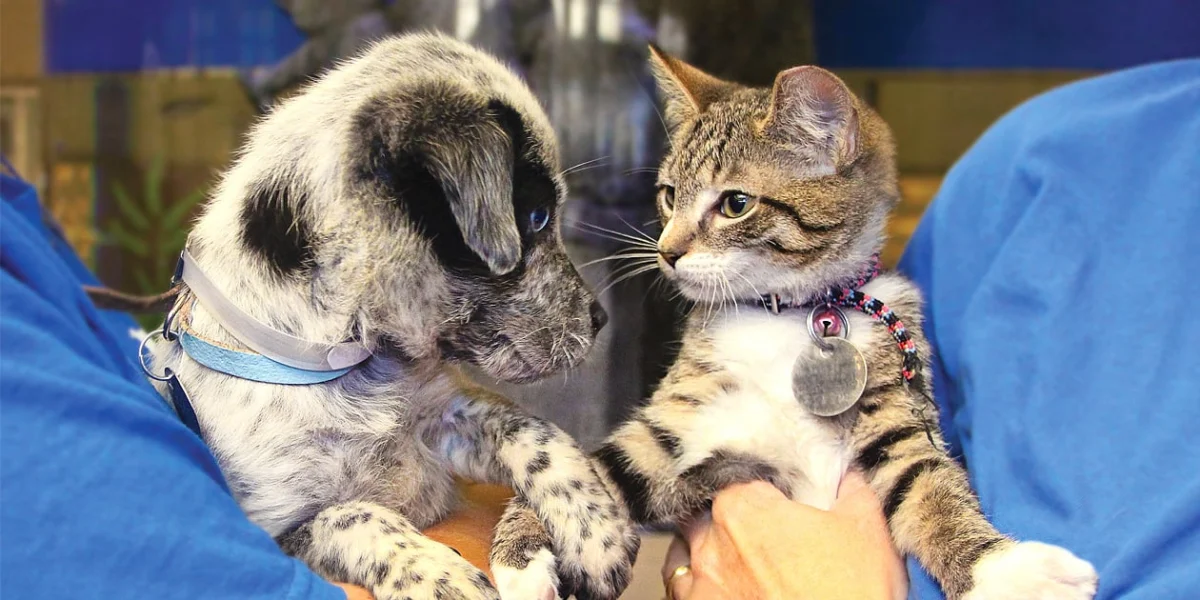

For nearly a decade, the Late Show with Stephen Colbert stage served as more than just a platform for political satire and celebrity interviews; it transformed into a makeshift sanctuary, a place where wagging tails and wet noses could steal the spotlight. As the show officially bids farewell to its beloved segment, "Rescue Dog Rescue," the team at North Shore Animal League America—the primary partner behind these heartwarming appearances—is reflecting on a journey that changed the landscape of animal advocacy.
What began as a whimsical experiment in television programming evolved into a powerful engine for adoption, proving that the intersection of humor and compassion could effectively combat the nationwide crisis of pet homelessness.
The Genesis of an Animal Advocacy Phenomenon
The partnership between The Late Show and the North Shore Animal League America was built on a simple yet profound premise: give shelter dogs a national stage and watch the public respond. The segment, "Rescue Dog Rescue," was designed to showcase puppies and dogs in need of forever homes, often featuring celebrity guests who would provide comedic commentary or adoptable-pet "auditions."
The collaboration was an immediate success. By leveraging the reach of late-night television, the segment bridged the gap between the shelter environment and the living rooms of millions of viewers. For the Animal League, this wasn’t just a PR opportunity; it was a strategic effort to normalize adoption and emphasize that shelter dogs are not "damaged goods," but rather individuals waiting for their second chance at a happy life.
A Decade of Milestones: A Chronological Retrospective
The trajectory of "Rescue Dog Rescue" can be mapped through its evolution from a recurring comedic bit to a cultural staple.
The Early Years: Finding the Formula
In its infancy, the segment focused on the pure, unadulterated chaos of puppies on a talk show stage. Stephen Colbert, known for his sharp wit, proved to be an unlikely but perfect foil for the unpredictable nature of puppies. Early episodes focused on the immediate need for adoptions, with the Animal League staff working tirelessly behind the scenes to facilitate the logistics of transporting, grooming, and preparing these dogs for their television debuts.
The Celebrity Factor
As the segment gained traction, the production team began integrating celebrity guests. High-profile actors, musicians, and comedians were brought into the fold, lending their star power to the cause. This served two purposes: it amplified the reach of the segment to new demographics and humanized the stars themselves, showing a softer side of Hollywood as they bonded with the rescues.
The Pandemic Shift and Digital Resilience
During the height of the COVID-19 pandemic, the segment faced logistical challenges, yet it remained a priority. The "Rescue Dog Rescue" team pivoted to remote appearances and highlighting the importance of pet companionship during lockdowns. This period underscored the segment’s emotional resonance; viewers weren’t just looking for entertainment—they were looking for hope.
The "Where Arf They Now?" Finale
The recent wrap-up, titled "Where Arf They Now?", served as a retrospective, bringing back dogs who had appeared on the show as puppies. Seeing these animals fully grown, thriving in loving homes, provided a poignant "full circle" moment that validated the years of effort invested by the show and the shelter staff.
The Data Behind the Wag: Why It Worked
While the laughter and the adorable visuals were the hooks, the success of "Rescue Dog Rescue" was rooted in measurable impact.
Adoption Rates and Public Interest
According to data provided by the North Shore Animal League America, segments featuring shelter dogs correlated with immediate spikes in inquiries regarding adoption. While quantifying the exact number of adoptions linked solely to television appearances is complex, the "halo effect" was undeniable. Shelters nationwide reported that the visibility created by the segment helped destigmatize rescue animals, leading to higher adoption rates for breeds and ages that were previously overlooked.
The "Colbert Effect"
Marketing experts point to the "Colbert Effect" as a case study in cause-related marketing. By keeping the tone lighthearted, the show avoided the "sad shelter" tropes that often alienate viewers, opting instead for a celebratory, aspirational narrative. This approach successfully shifted the public perception of rescue dogs from "animals in need" to "desirable family companions."
Voices from the Frontlines: Official Responses
The decision to conclude the segment has been met with a mixture of sadness and immense gratitude from those who worked on the front lines.
"We are deeply grateful to the many celebrities who so generously shared their time to make these segments unforgettable," stated a spokesperson for the North Shore Animal League America. "Endless appreciation goes to our dedicated staff and volunteers who helped ensure everything went smoothly. To the adopters who opened their hearts to give each animal a loving home, we wish you all many years of unconditional love."
Stephen Colbert himself has long maintained that the segment was one of the highlights of his tenure. In internal discussions, the production team noted that the segment provided a necessary break from the often-heavy political climate of the show. For Colbert, the segment wasn’t just about the ratings; it was about using his platform to effect tangible change.
"Their commitment to using their platform for good created something truly special," the Animal League representative noted. "Through humor, compassion, and a whole lot of adorable chaos, they helped shine a national spotlight on the importance of animal rescue."
Implications: The Lasting Legacy of the Segment
The legacy of "Rescue Dog Rescue" extends far beyond the stage at the Ed Sullivan Theater. Its conclusion marks the end of an era, but its implications for animal advocacy are long-lasting.
Shifting the Narrative
The primary success of the segment was its ability to change the conversation around animal adoption. By showcasing diverse breeds—from purebreds to complex "mutts"—the show helped dismantle the myth that you have to visit a breeder to find a specific type of companion.
A Blueprint for Advocacy
For other non-profits, the partnership offers a blueprint for how to collaborate with media powerhouses. The key, experts suggest, was the authenticity of the partnership. The Animal League wasn’t just a guest; they were an integrated partner, ensuring that the animal welfare standards were never compromised for the sake of the gag.
Inspiring a New Generation of Adopters
Perhaps the most significant legacy of the segment is the ripple effect it created. For a generation of viewers, "Rescue Dog Rescue" served as their introduction to the concept of ethical pet acquisition. Many who watched the segment as children or teenagers are now entering the phase of their lives where they are considering pet ownership, and they are doing so with the understanding that adoption is the first and best option.
Conclusion: A Toast to Lives Changed
As the lights dim on the final "Rescue Dog Rescue" segment, the focus shifts from the theater to the thousands of homes where these dogs now sleep soundly. The impact of this decade-long endeavor is not measured in television ratings, but in the unconditional love exchanged between rescue animals and their forever families.
The Late Show may have moved on to new comedic segments, but the momentum created by this partnership remains. The North Shore Animal League America continues its mission, fueled by the awareness generated during those years of "adorable chaos."
To the team at The Late Show, the celebrities who participated, the shelter staff who worked the long hours, and—most importantly—the dogs themselves: thank you. The world is a kinder, more compassionate place because of the ten years you spent reminding us that every dog deserves a home, a name, and a second chance. While we will miss the segments, the lives changed are the greatest tribute to a project that proved, unequivocally, that humor and humanity make a perfect pair.