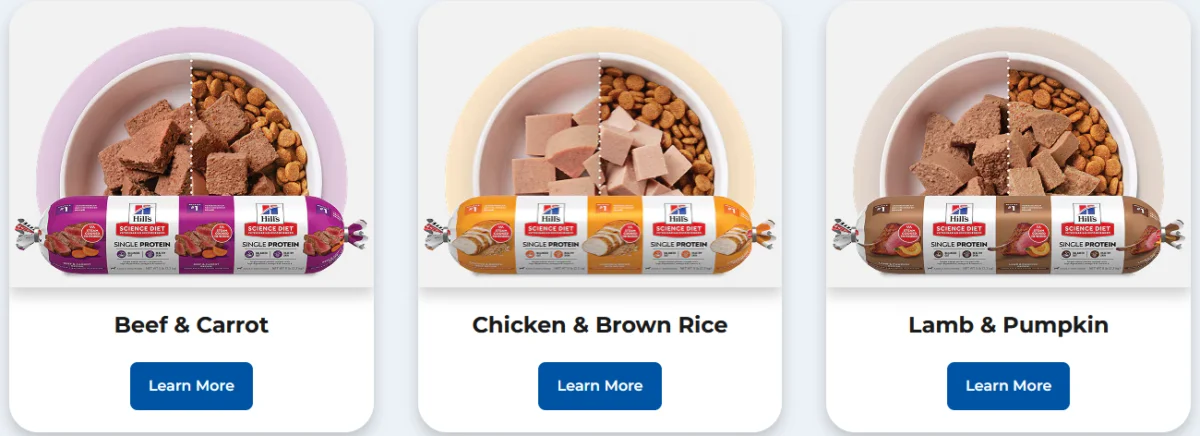
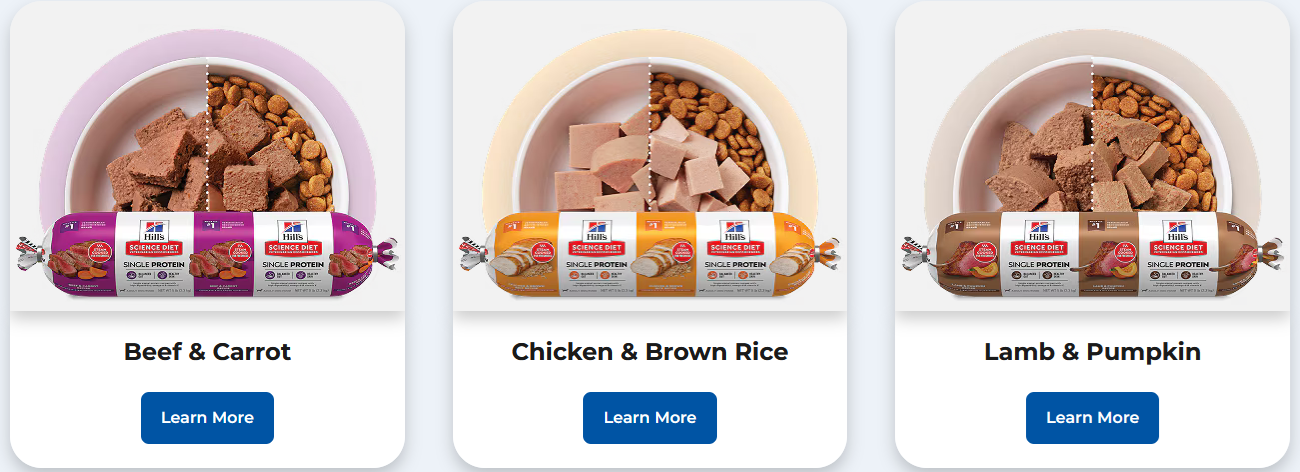
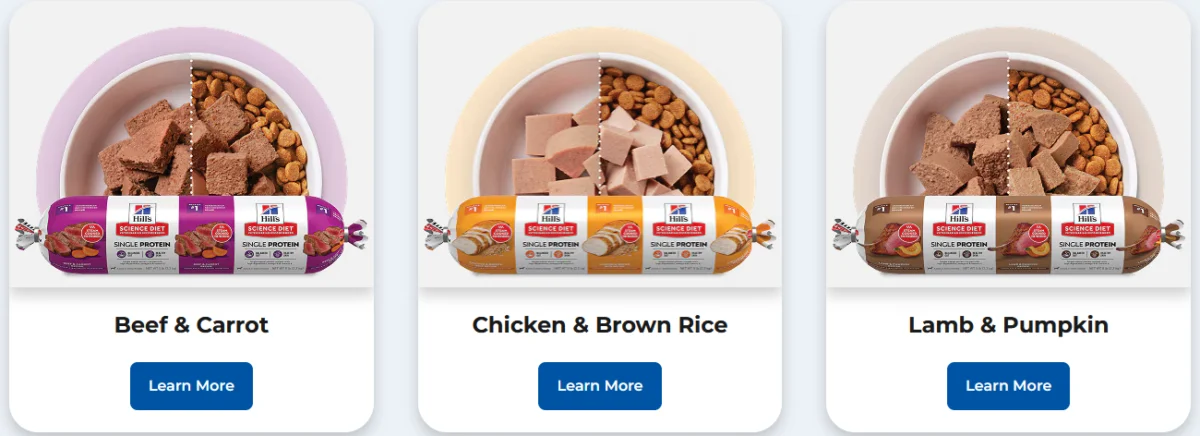
In a significant strategic pivot that signals a new era for legacy pet food manufacturers, Hill’s Pet Nutrition has officially announced its entry into the "fresh" dog food category. The company, a subsidiary of Colgate-Palmolive and a long-standing titan in the veterinary-recommended pet food space, has unveiled three new products under its Science Diet brand. This move represents more than just a product launch; it is a calculated response to the explosive growth of the refrigerated pet food sector, which has been dominated by direct-to-consumer startups and a few early-moving conglomerates.
However, the launch has already ignited a debate among consumer advocates and industry watchdogs. While the packaging features vibrant imagery of prime cuts of steak, chicken breast, and roasted lamb, the products themselves do not carry a "human-grade" certification. This discrepancy, coupled with a lack of legal definitions for the term "fresh" in the pet food industry, raises critical questions about transparency, marketing ethics, and the evolving role of veterinarians in the commercial pet food supply chain.
Chronology: The Evolution of the "Fresh" Pet Food Movement
To understand the weight of Hill’s entry into this market, one must look at the trajectory of the pet food industry over the last two decades. For much of the 20th century, the industry was defined by shelf-stable convenience: dry kibble and canned "wet" food.
The Early 2000s: The Premiumization Wave
The mid-2000s saw the rise of "premium" kibble, with brands like Blue Buffalo challenging the status quo by highlighting "real meat" as the first ingredient. This period established the "humanization" of pets, where owners began viewing their animals as family members deserving of higher-quality nutrition.
2010–2020: The Rise of the Disruptors
The last decade saw the emergence of "fresh" pet food companies such as Freshpet, The Farmer’s Dog, and Nom Nom. These companies bypassed traditional retail shelves, opting for refrigerated sections in grocery stores or subscription-based home delivery. They marketed their products as less processed alternatives to kibble, often emphasizing human-grade ingredients and gently cooked formulations.
2021–Present: The Corporate Response
Seeing the massive shift in consumer spending—refrigerated pet food is currently one of the fastest-growing segments in the industry—the "Big Four" (Mars, Purina, Hill’s, and General Mills/Blue Buffalo) began their counter-offensives. Mars Petcare and Blue Buffalo were among the first of the legacy giants to experiment with refrigerated rolls and fresh pouches.
Hill’s Pet Nutrition remained noticeably absent from the refrigerated aisle until now. Their recent introduction of the Science Diet Single Protein Dog Food Rolls marks their official entry into the fray, strategically timed to coincide with a period where pet owners are increasingly skeptical of ultra-processed "burnt" kibble.
Supporting Data: Market Trends and the "Fresh" Fallacy
The market data supporting this shift is staggering. According to industry reports, the "fresh" and frozen pet food category has seen double-digit year-over-year growth, significantly outpacing the growth of traditional dry food. This is driven by a demographic of "pet parents" who are willing to pay a premium for what they perceive to be "real" food.
The Definition Vacuum
The primary controversy surrounding Hill’s—and the industry at large—is the definition of the word "fresh." In the human food industry, the FDA maintains relatively strict guidelines on what can be labeled "fresh." In the pet food world, the regulatory landscape is far more permissive.
Currently, neither the Food and Drug Administration (FDA) nor the Association of American Feed Control Officials (AAFCO) has established a legal definition or a rigorous standard for the term "fresh" as it applies to pet food. In the absence of a legal framework, manufacturers are free to use the term as a marketing descriptor. This allows for a wide range of interpretations, ranging from "never frozen" to simply "refrigerated at the point of sale."
Imagery vs. Reality: The Human-Grade Divide
A focal point of criticism from consumer advocates like Susan Thixton of TruthaboutPetFood.com is the use of "halo imagery." The labels on Hill’s new Science Diet rolls prominently feature high-quality proteins:
Steak: Suggesting a high-end beef cut.
Chicken Breast: Implying lean, white meat.
Roasted Lamb: Evoking a home-cooked meal.
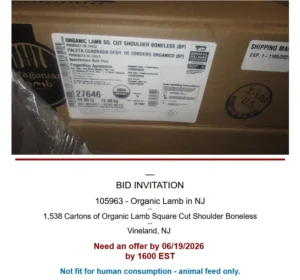
Despite these visuals, the ingredients are classified as "feed-grade." In the regulatory hierarchy, feed-grade ingredients are legally allowed to include materials that would be rejected for human consumption, including "4D" meat (animals that were dead, dying, diseased, or disabled before reaching the slaughterhouse). While Hill’s maintains rigorous quality controls, the lack of "human-grade" status means the ingredients are processed under different safety and sanitation standards than the food pictured on the label would suggest.
Official Responses and Corporate Positioning
Hill’s Pet Nutrition is not marketing these products primarily through traditional television commercials or social media influencers. Instead, they are leveraging their strongest asset: the veterinary community.
The Hill’s Perspective
In a recent press release, Hill’s emphasized the "science-backed" nature of their new refrigerated rolls. The company stated:
"Veterinarians want to feel confident when recommending fresh food and our Science Diet Single Protein Dog Food Rolls give them a science-backed option they can trust."
This positioning is a direct attempt to differentiate themselves from "fresh" startups that may lack the decades of clinical research and the massive R&D budgets of a company like Hill’s. By framing the product as a "science-backed" alternative, Hill’s aims to capture the segment of the market that wants fresh food but is wary of the nutritional completeness of boutique brands.
The Purina Approach
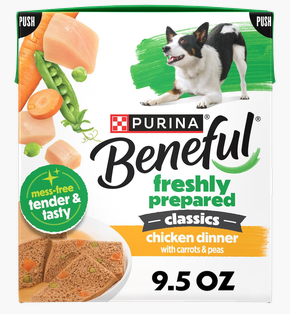
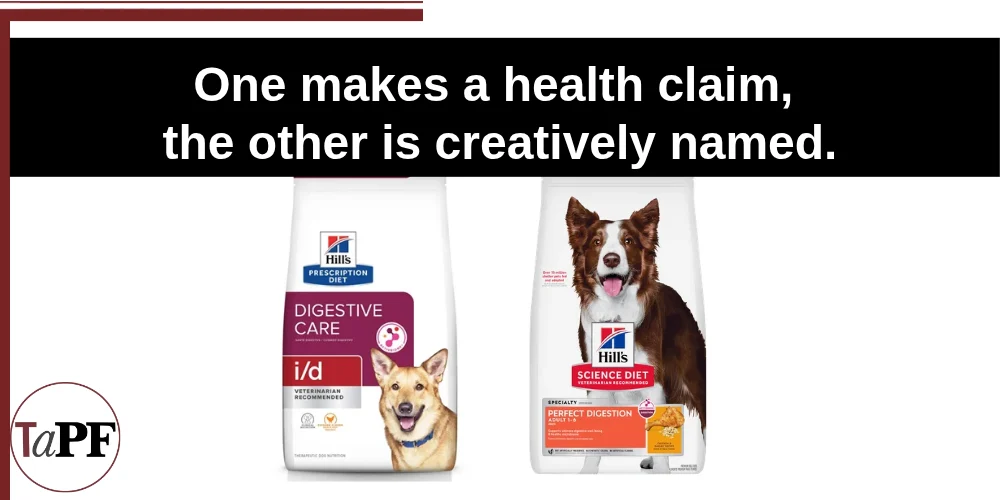
While Purina (Nestlé) has not yet launched a dedicated refrigerated "fresh" line to rival Hill’s new rolls, they have begun utilizing similar nomenclature. The "Beneful Freshly Prepared" line uses the term "freshly prepared" in its product names. This is a subtle but distinct linguistic maneuver. By using "freshly prepared" rather than "fresh," Purina can market a shelf-stable or wet product while benefiting from the positive connotations of the word "fresh."
Regulatory Stance
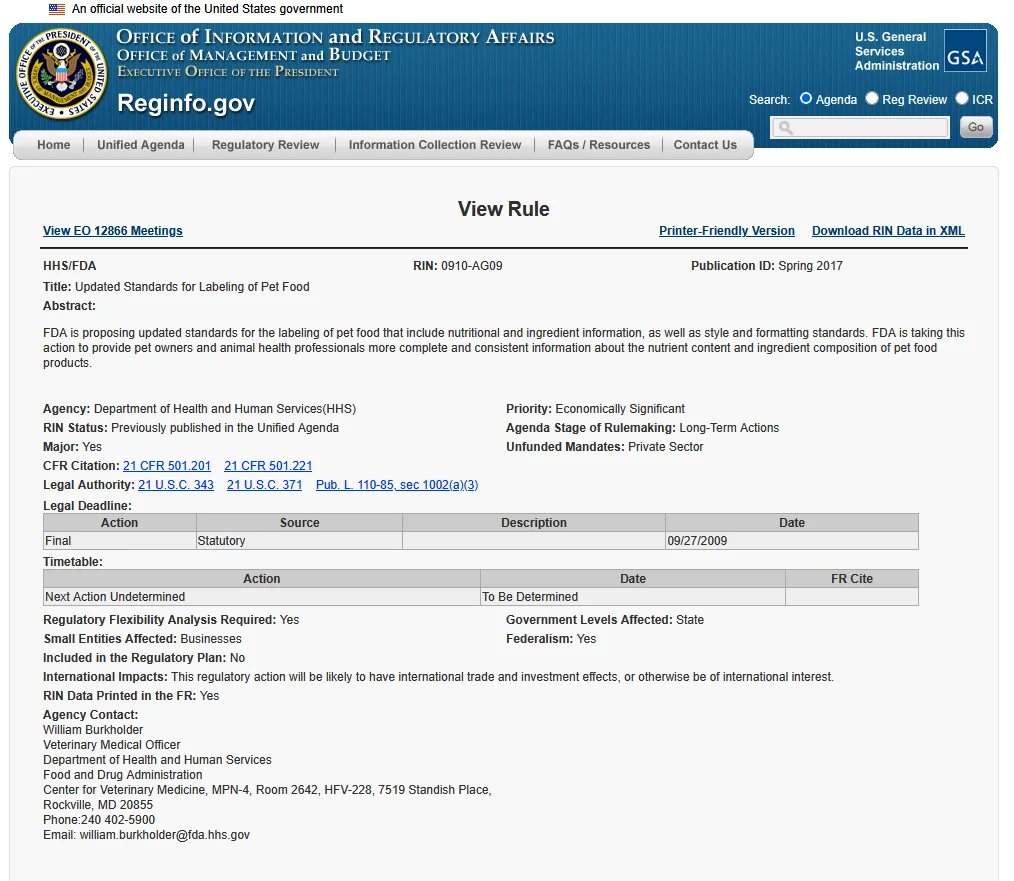
The FDA and AAFCO have remained largely silent on the specific petitioning for a "fresh" definition. Traditionally, AAFCO definitions focus on the composition of ingredients (e.g., "chicken meal" vs. "chicken"). The "fresh" descriptor is currently treated more as a marketing claim than a nutritional guarantee, leaving the burden of discernment on the consumer.
Implications: The Future of Pet Nutrition and Consumer Trust
The entry of Hill’s into the fresh food market has several long-term implications for the industry, veterinarians, and pet owners.
1. The Professionalization of Fresh Food
By targeting veterinarians, Hill’s is attempting to legitimize the fresh food category within the medical community. For years, many veterinarians were skeptical of fresh food diets, often citing concerns about nutritional balance and pathogens. If Hill’s can convince the veterinary community that their refrigerated rolls are the "safe" way to feed fresh, they could effectively monopolize the recommendations given in clinics across North America.
2. The Erosion of Marketing Transparency
The use of "steak" and "chicken breast" imagery on feed-grade products highlights a growing gap in labeling transparency. If a consumer sees a picture of a steak but the product contains feed-grade "beef by-products" or "meat meal," the potential for confusion is high. As more legacy brands enter the space, advocate groups are expected to push for stricter AAFCO guidelines regarding "truth in labeling" to ensure that the pictures on the bag match the quality of the contents.
3. Price vs. Value
Fresh pet food is significantly more expensive than traditional kibble. With Hill’s entering the market, "fresh" food is no longer a niche product for the wealthy or the "ultra-health-conscious." It is becoming a mainstream expectation. However, consumers will eventually have to decide if they are paying for the convenience of refrigeration and the Hill’s brand name, or if the nutritional profile of these "rolls" truly offers a health benefit over traditional premium wet foods.
4. A New Regulatory Battleground
The lack of a legal definition for "fresh" cannot persist indefinitely. As the market share of these products grows, so too will the pressure on the FDA and AAFCO to establish clear parameters. This could lead to a tiered system where "Fresh" (never frozen), "Refrigerated" (processed but chilled), and "Human-Grade Fresh" are clearly distinguished.
Conclusion
Hill’s Pet Nutrition’s launch of the Science Diet Single Protein Dog Food Rolls is a watershed moment for the pet food industry. It validates the "fresh" movement as a permanent fixture of the market rather than a passing fad. Yet, the move also shines a harsh light on the regulatory loopholes that allow major corporations to use evocative imagery and ambiguous terminology to sell feed-grade products at premium prices.
As Hill’s leverages its relationship with veterinarians to dominate this new category, the responsibility falls on the consumer to look past the "roasted lamb" on the label and demand greater transparency regarding what "fresh" truly means in the bowl. For advocates like Susan Thixton and the Association for Truth in Pet Food, the battle for clear definitions and honest labeling is only just beginning.