For the modern traveler, a vacation is rarely complete without the presence of their four-legged companion. As the pet tourism industry continues to surge, cities across the United States are vying for the title of "most pet-friendly," but few manage to balance urban accessibility with true, off-leash freedom as effectively as San Diego, California. At the heart of this coastal oasis lies a hidden gem that has become a pilgrimage site for dog lovers: Fiesta Island.
Main Facts: The Fiesta Island Experience
Fiesta Island, located within the sprawling Mission Bay Park, is not merely a park; it is a massive, multifaceted recreational area that serves as one of the most expansive off-leash dog areas in the country. Situated just seven miles north of downtown San Diego, the island offers a unique geography that caters to a diverse array of visitors.
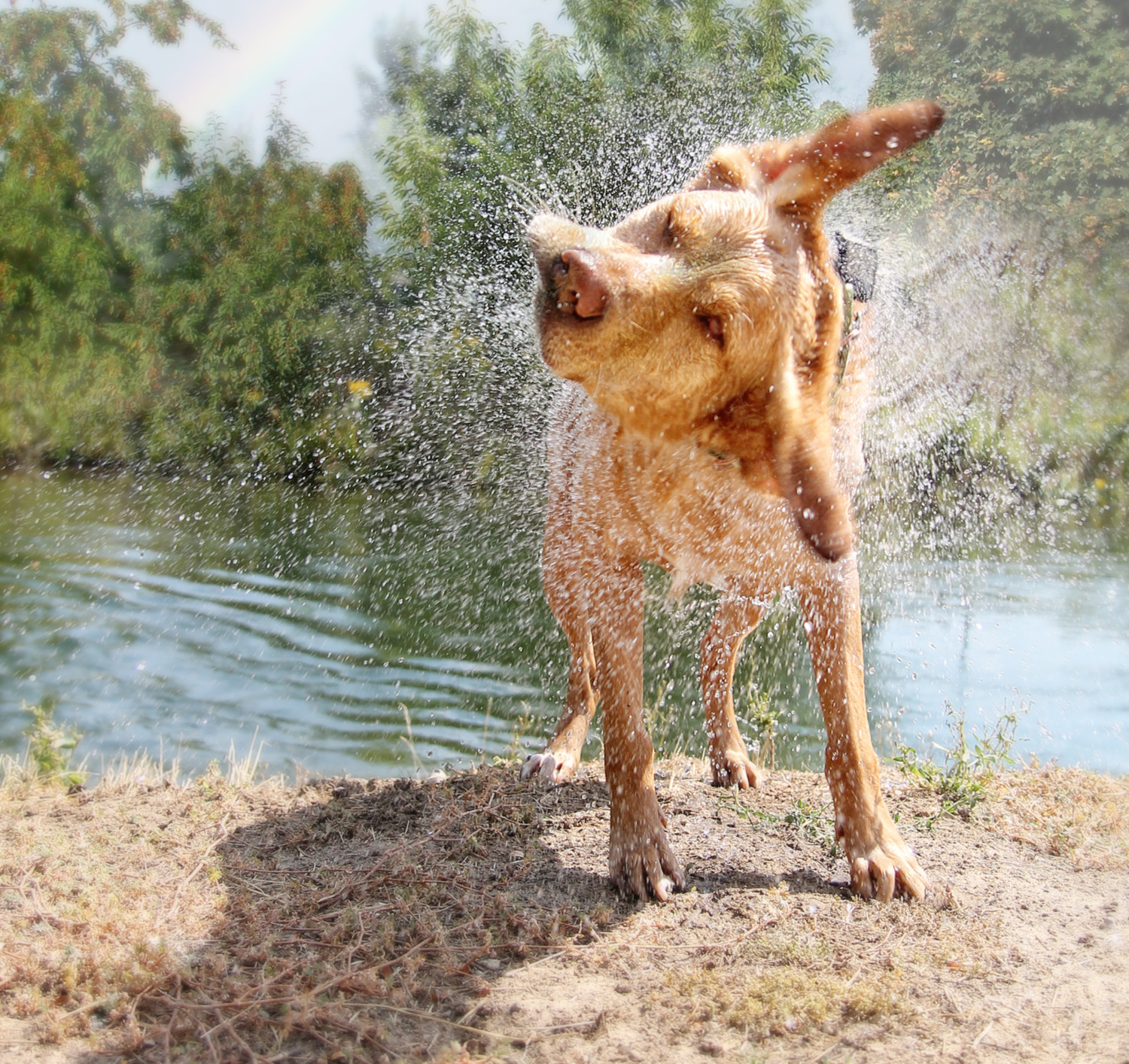
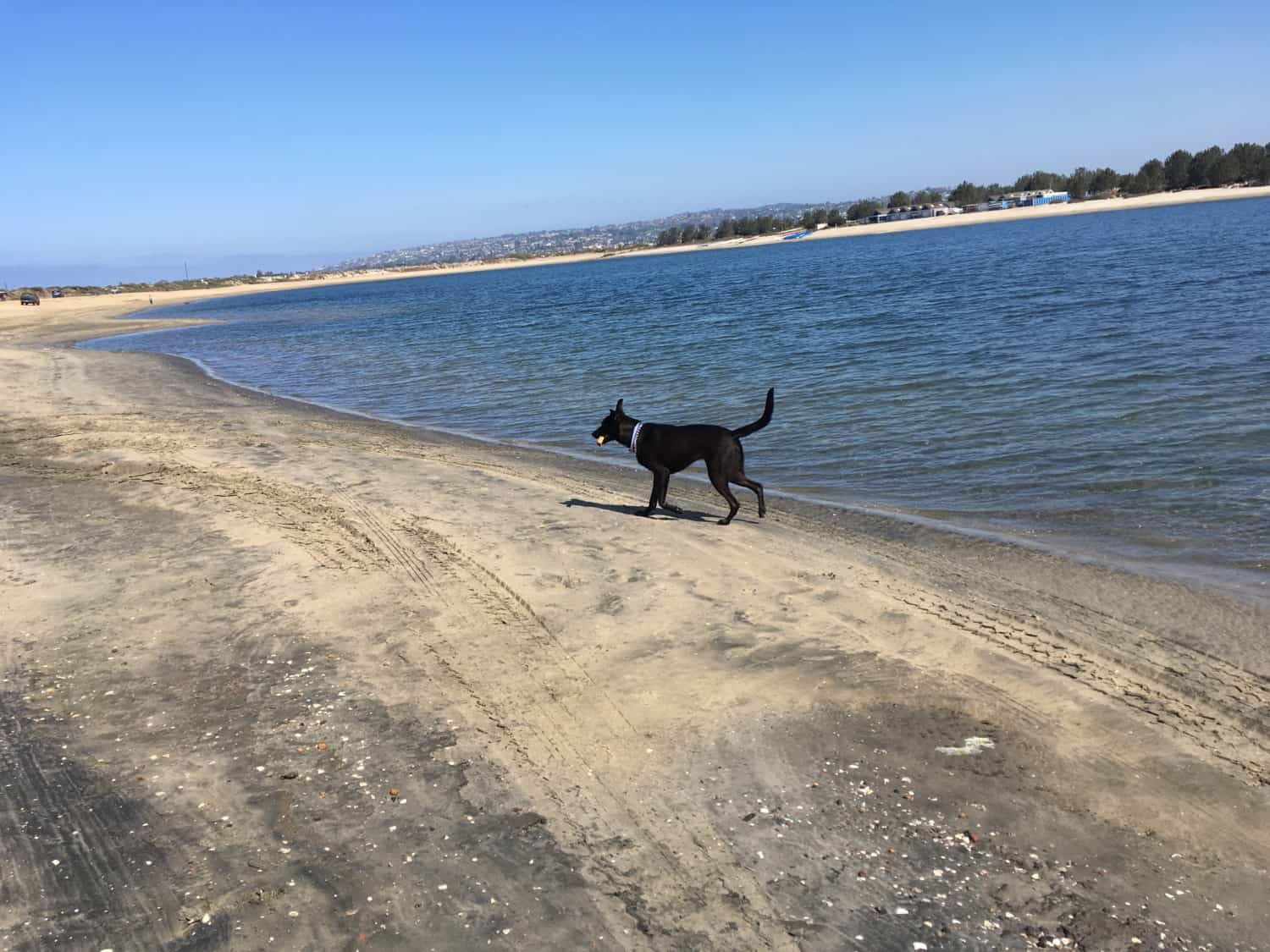
From a regulatory standpoint, Fiesta Island is a rare "no-leash" zone, meaning dogs are permitted to roam freely across the majority of the island’s sandy shores and interior trails. The island is essentially a large, man-made landmass connected to the mainland by a single causeway, creating a contained environment that provides peace of mind for owners worried about their pets wandering toward busy traffic.
Key logistical highlights include:

- Accessibility: Open daily to the public with no entry fees.
- Parking: Extensive free parking is available, either along the perimeter road or in designated dirt lots, allowing visitors to drop their gear right next to the beach.
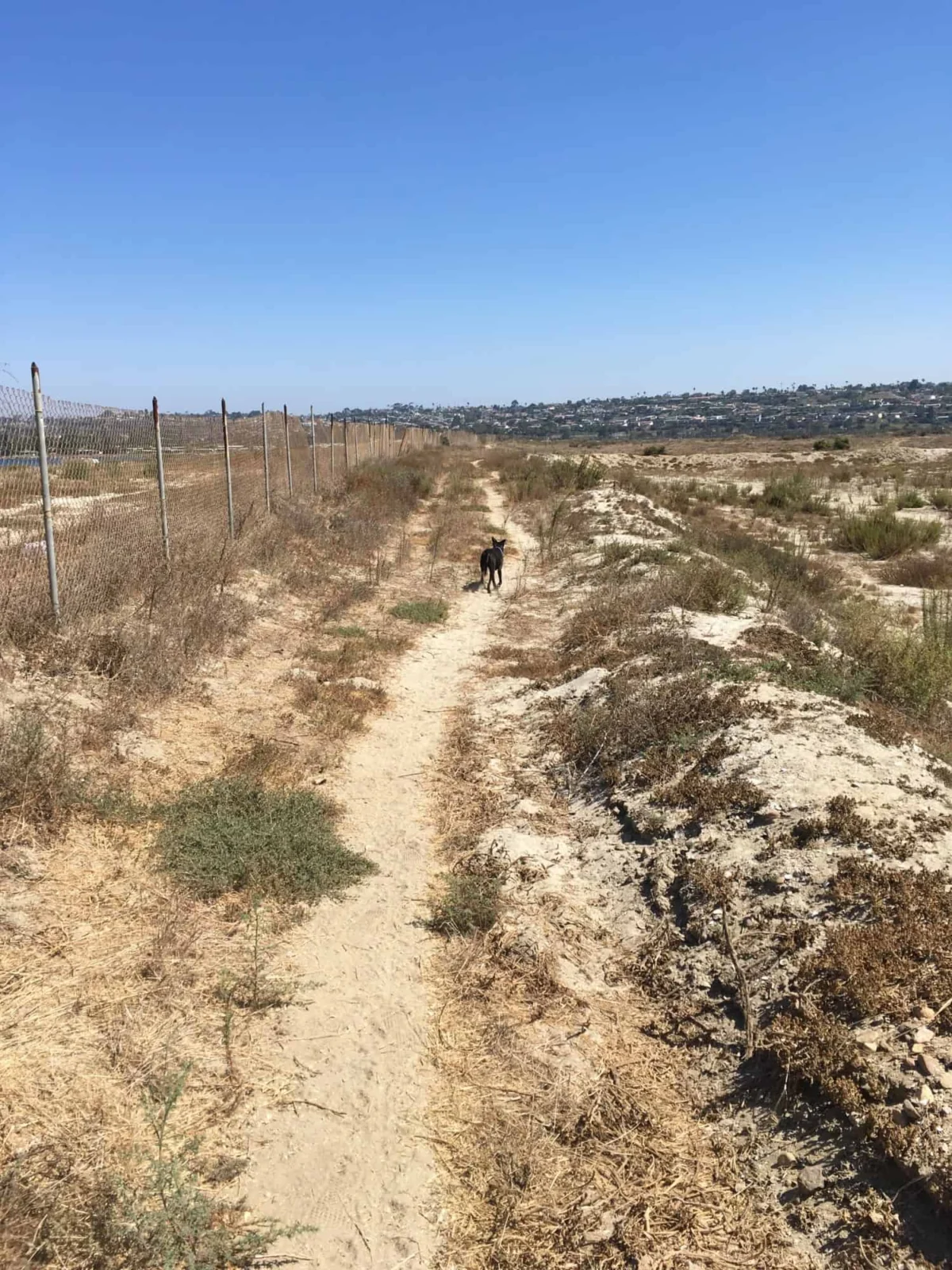
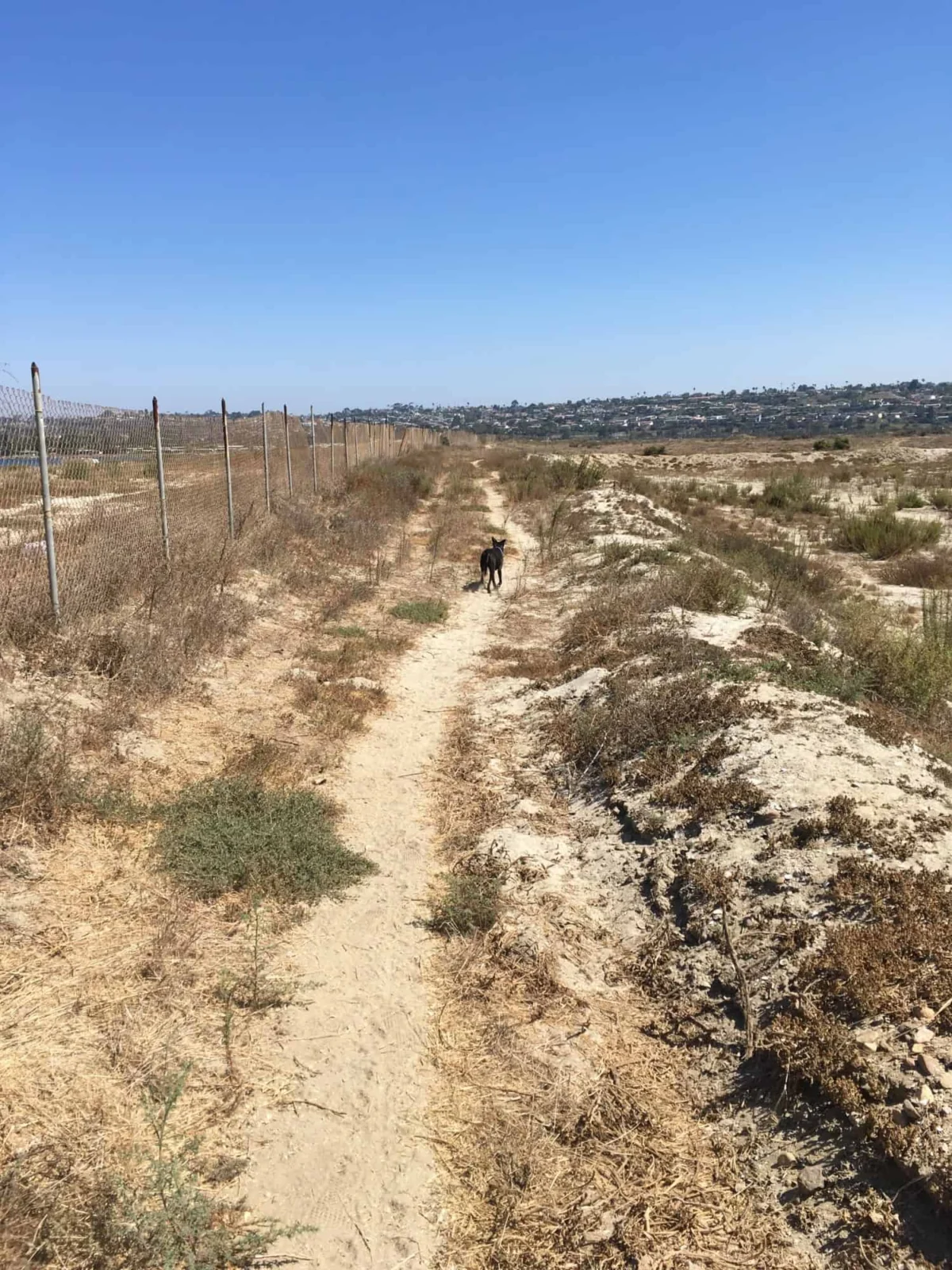
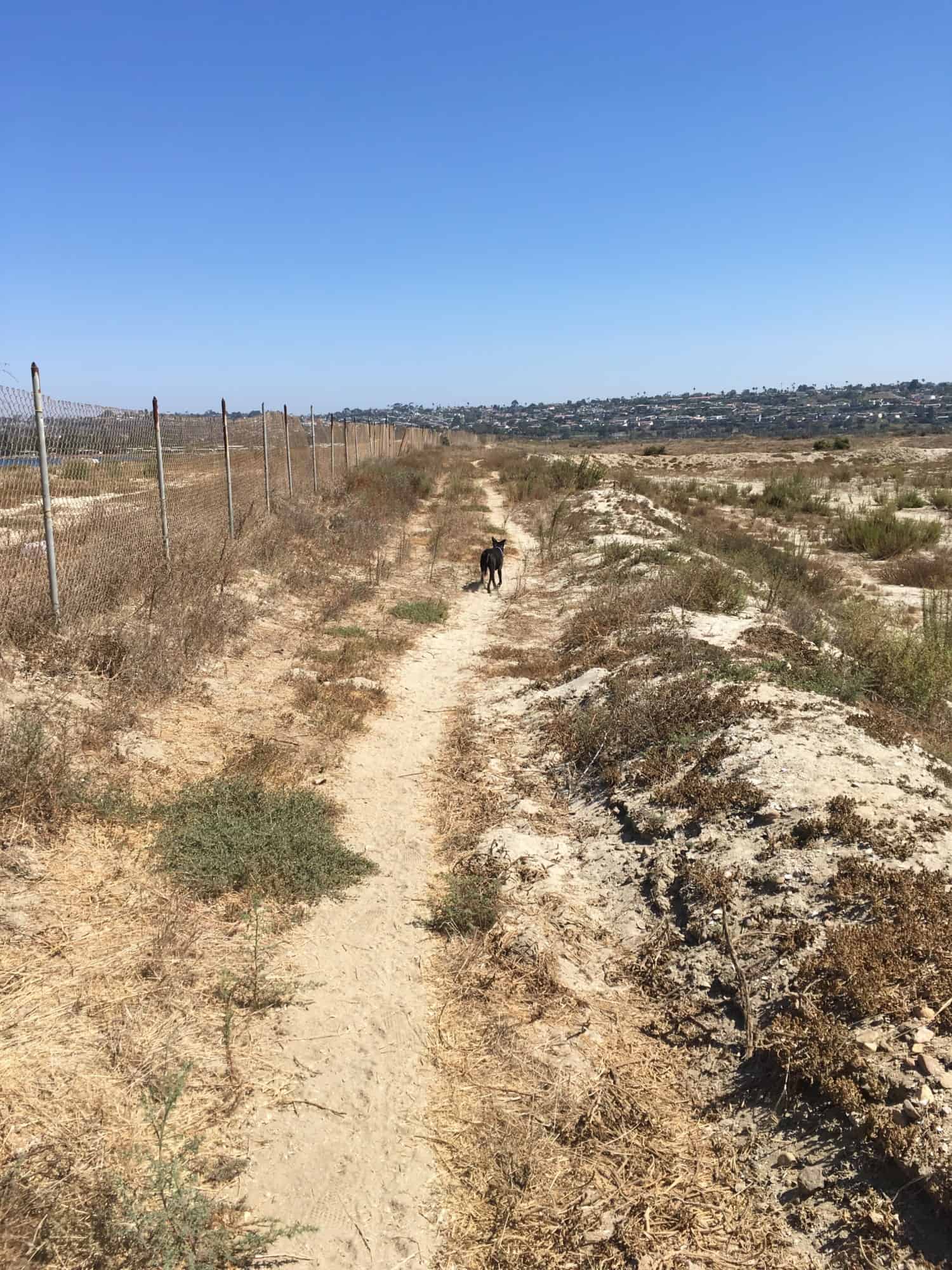
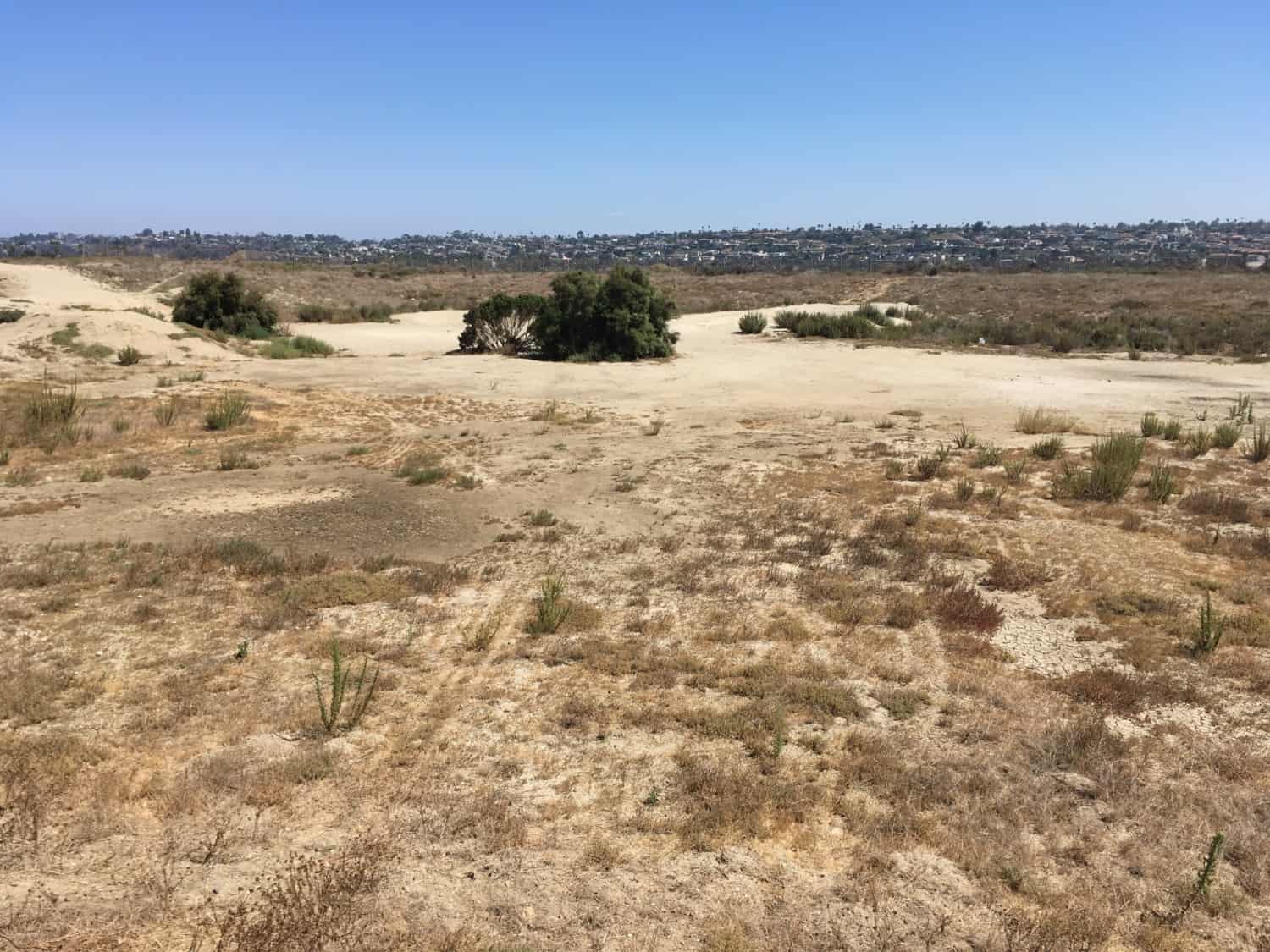
- The Terrain: The island features a six-mile loop that encompasses sandy beaches, interior dunes, and rolling hills, providing a varied workout for both high-energy breeds and leisurely walkers.
- Facilities: Visitors should be advised that the island is "rustic." While portable restrooms are provided, there is a lack of potable water and permanent amenities. Travelers are strongly encouraged to bring ample hydration for both themselves and their pets.
Chronology of a Perfect Day: A Dog-Centric Itinerary
For those planning a trip, a typical day at Fiesta Island is often structured to maximize comfort and enjoyment. Local enthusiasts, such as pet-travel expert Jane Forrester and her rescue pup, Koa, suggest starting early.
08:00 AM – Arrival and Orientation: Arriving early ensures the best choice of parking spots along the shoreline. As you drive across the bridge, the vista opens up to a panoramic view of the bay.
09:00 AM – The Interior Trek: Most casual visitors stick to the beach. However, for a more private experience, heading to the center of the island offers rugged, hilly terrain. This area is often overlooked, providing a quiet space for training or quiet bonding with your pet.
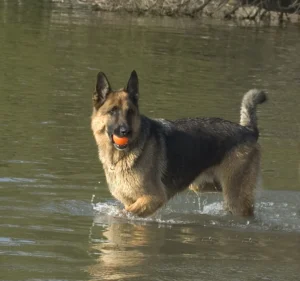
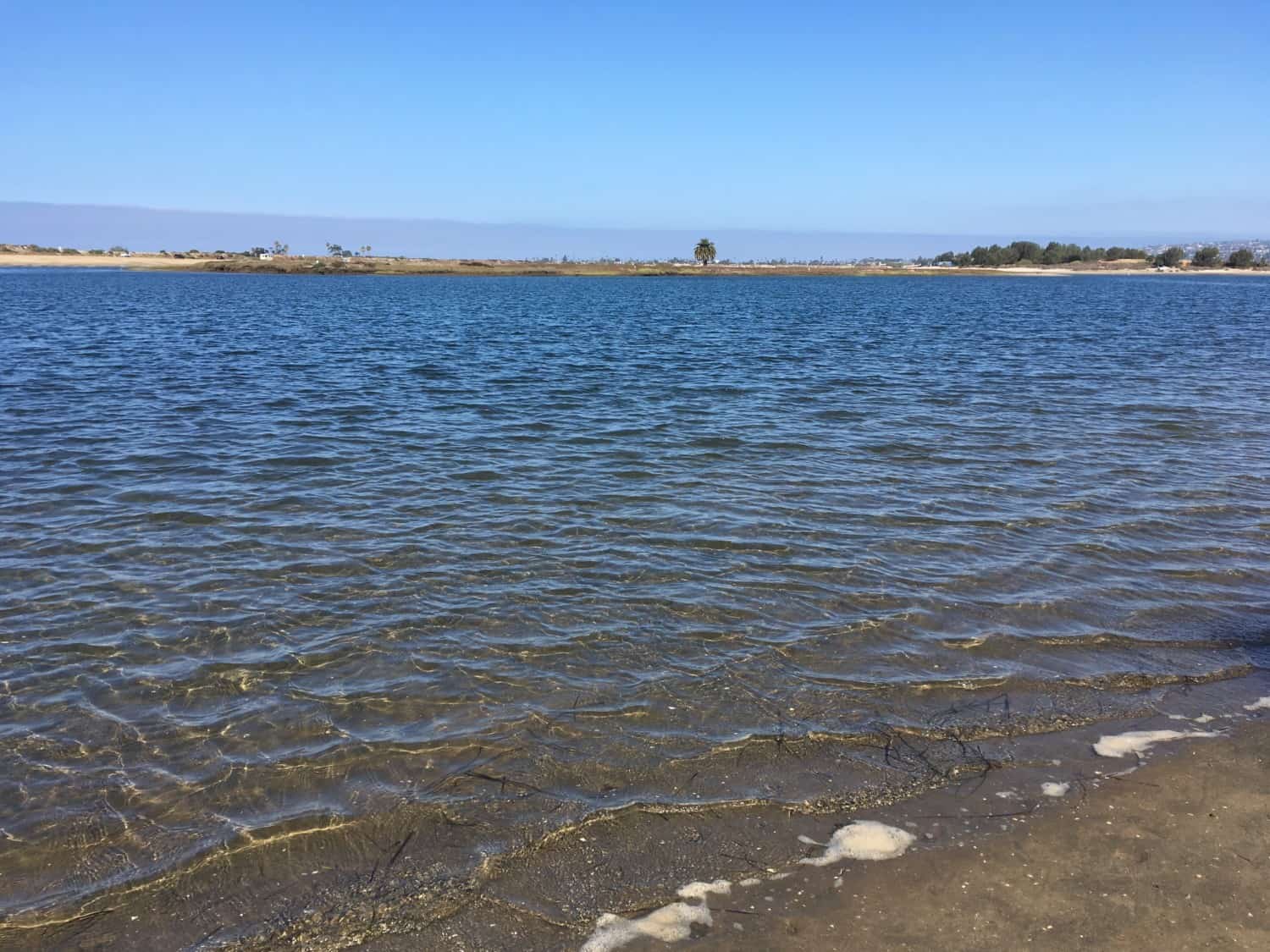
11:00 AM – Shoreline Socialization: By late morning, the beach becomes a hub of activity. This is the time to engage with other pet owners, let your dog wade in the calm waters of the bay, and enjoy the cooling sea breeze.
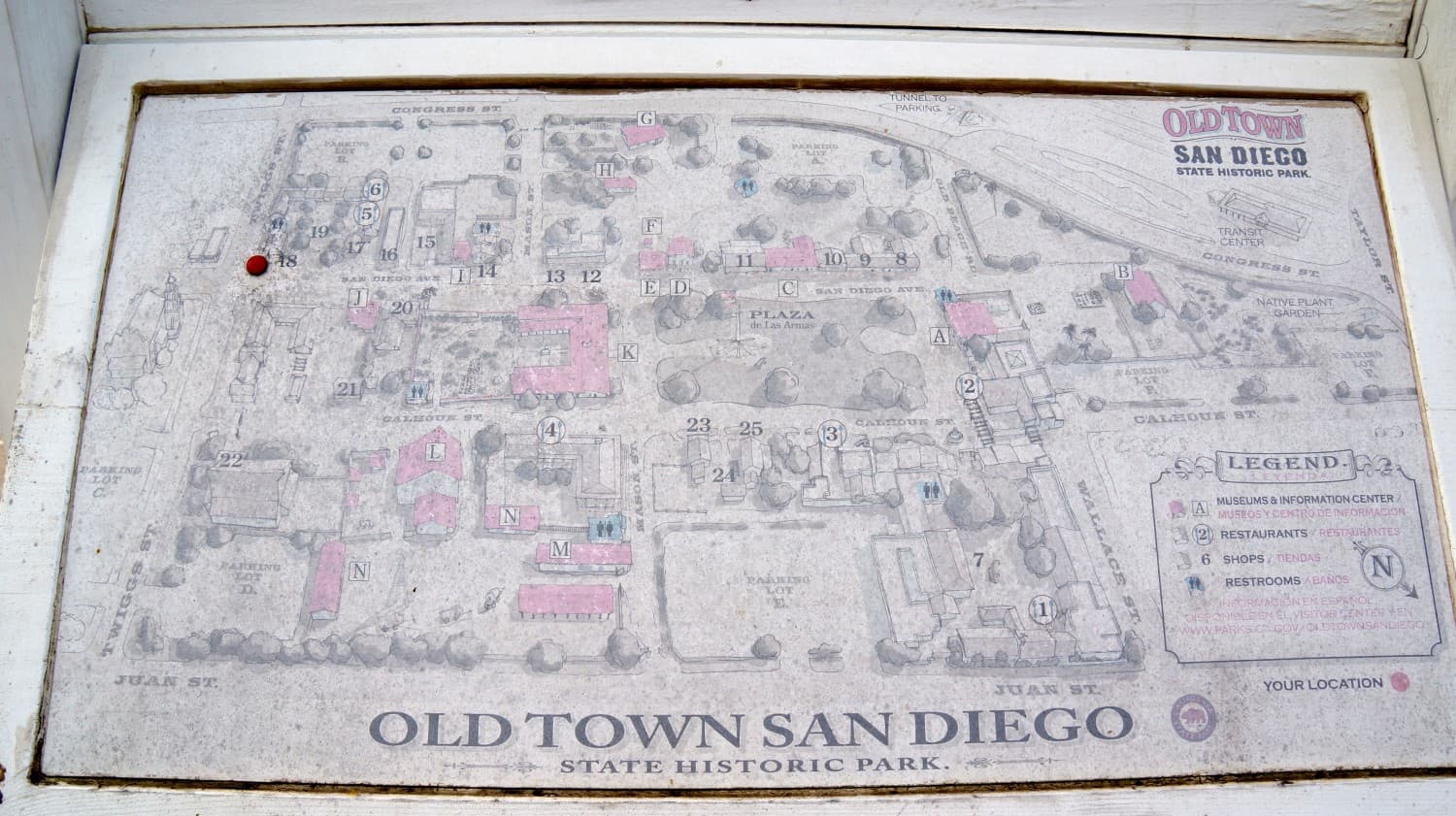
01:00 PM – Transition to Culture: After burning off energy at the island, a common afternoon pivot is to the Old Town San Diego State Historic Park. Located just a short drive away, this site offers a historical contrast to the natural beauty of the bay.
Supporting Data: Why San Diego Leads the Nation
San Diego’s reputation as a pet-friendly destination is backed by data and community infrastructure. According to regional tourism statistics, pet-inclusive travel contributes millions to the local economy, as owners are increasingly choosing destinations based on the quality of their dog parks and pet-welcoming dining options.
The unique draw of Fiesta Island is its size. While many urban dog parks are fenced-in enclosures of less than an acre, Fiesta Island spans roughly 100 acres of usable space. This allows for natural social distancing between dogs, which is critical for reactive pets or those undergoing socialization training.
Furthermore, the diversity of the environment—combining water, sand, and hill trails—satisfies the "enrichment needs" of various breeds. Whether your dog is a swimmer who enjoys the shallow bay waters or a retriever who prefers the vast, open dunes, the island offers a customizable experience that most municipal parks cannot replicate.
Official Guidelines and Safety Implications
While the island offers significant freedom, it is governed by specific "Voice Command" regulations. Because the park is largely unfenced toward the water and the perimeter road sees vehicle traffic, the city of San Diego mandates that owners maintain strict verbal control over their pets at all times.
Safety Protocols for Pet Owners:
- Voice Control: Before visiting, ensure your dog has a reliable recall. If your dog is prone to wandering or chasing wildlife, a long-lead training leash is recommended until they are comfortable in open-space environments.
- Environmental Awareness: The island is a shared space. Cyclists, kayakers, and horses (which are also permitted on the island) share the proximity. Awareness of one’s surroundings is essential to avoid conflicts.
- Waste Management: As a high-traffic area, the environmental impact of dog waste is a concern for the local ecosystem. The City of San Diego Parks and Recreation Department emphasizes the "Leave No Trace" policy. Visitors must bring their own waste bags, as dispensers are not always stocked in every location.
- Speed Limits: Drivers on the island are restricted to low speeds. However, with pets running freely, drivers should remain vigilant, especially when pulling into or out of parking areas.
Implications for Future Travel
The success of the Fiesta Island model has broader implications for urban planning. As more Americans treat pets as integral family members, the demand for "Pet-Friendly Urbanism" is increasing. San Diego’s commitment to keeping this massive space open to dogs demonstrates a progressive approach to land management—prioritizing public health and wellness by providing spaces where active living is encouraged.
For the traveler, the primary implication is one of preparation. Because of the lack of amenities like water fountains or dog-washing stations, visitors must come self-sufficient. This "pack-in, pack-out" mentality is a small price to pay for the level of freedom afforded by the space.
Beyond the Beach: Cultural Integration
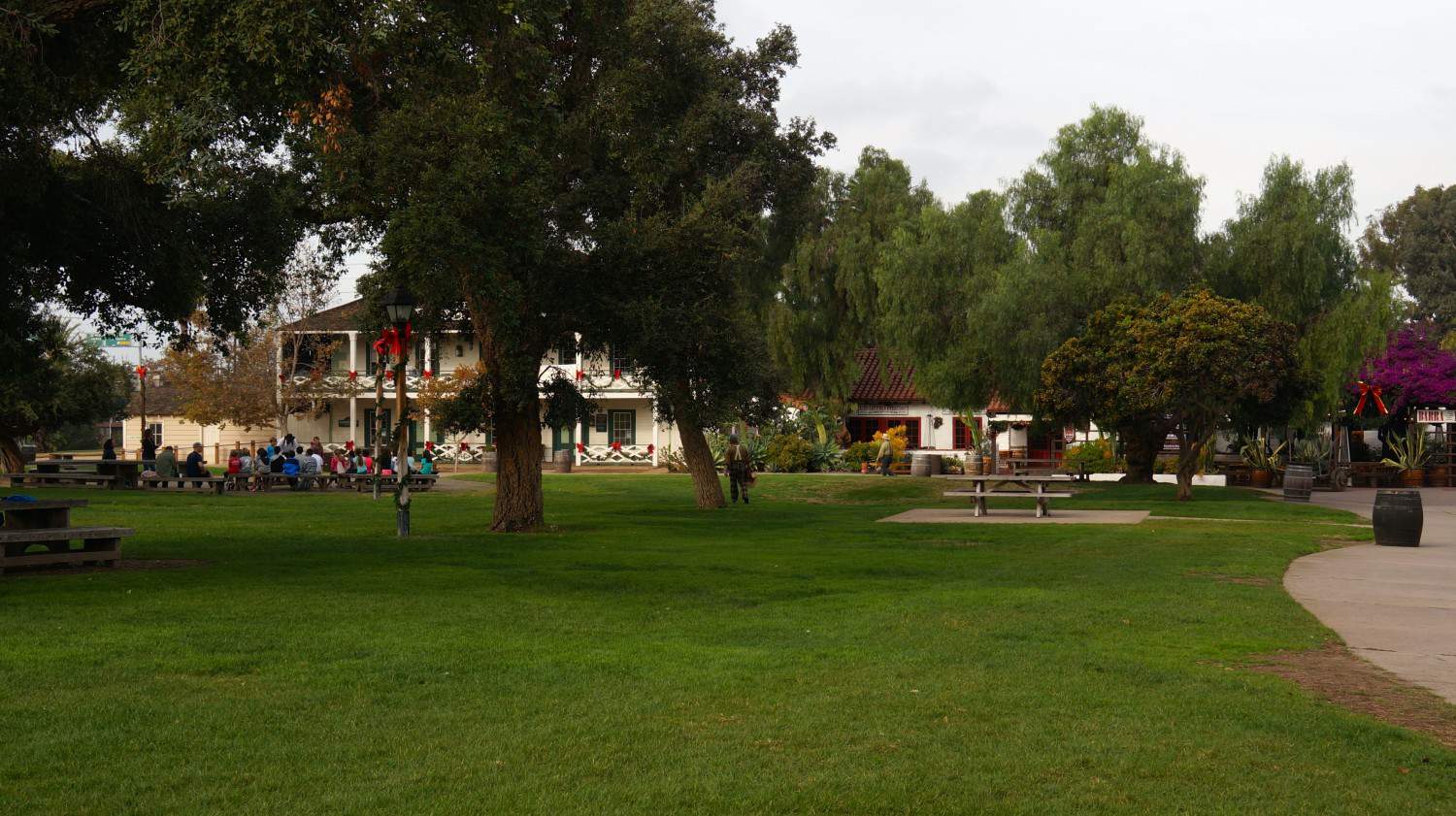
Concluding a day of adventure in Old Town San Diego provides a perfect cultural balance. While pets are not permitted inside the restored adobe structures or museums, the sprawling exterior plazas of the Old Town State Historic Park are fully accessible.
Walking through these historic grounds, where the city’s transition from a Kumeyaay village to a Mexican pueblo is memorialized, offers a peaceful, scenic end to a high-energy day. The presence of roaming, leashed dogs in the historic plaza is a common sight, making it a perfect spot for an outdoor lunch at one of the many pet-friendly restaurants that line the perimeter.
Conclusion
Fiesta Island stands as a testament to what is possible when a city embraces the bond between humans and their canine companions. By providing a safe, expansive, and natural environment, San Diego has solidified its place as a top-tier destination for pet travelers. Whether you are a local looking for a weekend escape or a visitor planning a cross-country trek, the island, followed by a cultural stroll through Old Town, offers an unparalleled itinerary that celebrates the best of Southern California living.
As you plan your visit, remember the cardinal rule of pet travel: be a good ambassador for the community. By practicing responsible ownership, keeping the island clean, and respecting the shared space, we ensure that these "hidden gems" remain open and welcoming for generations of dogs and their humans to come.
Quick Links for Travelers: