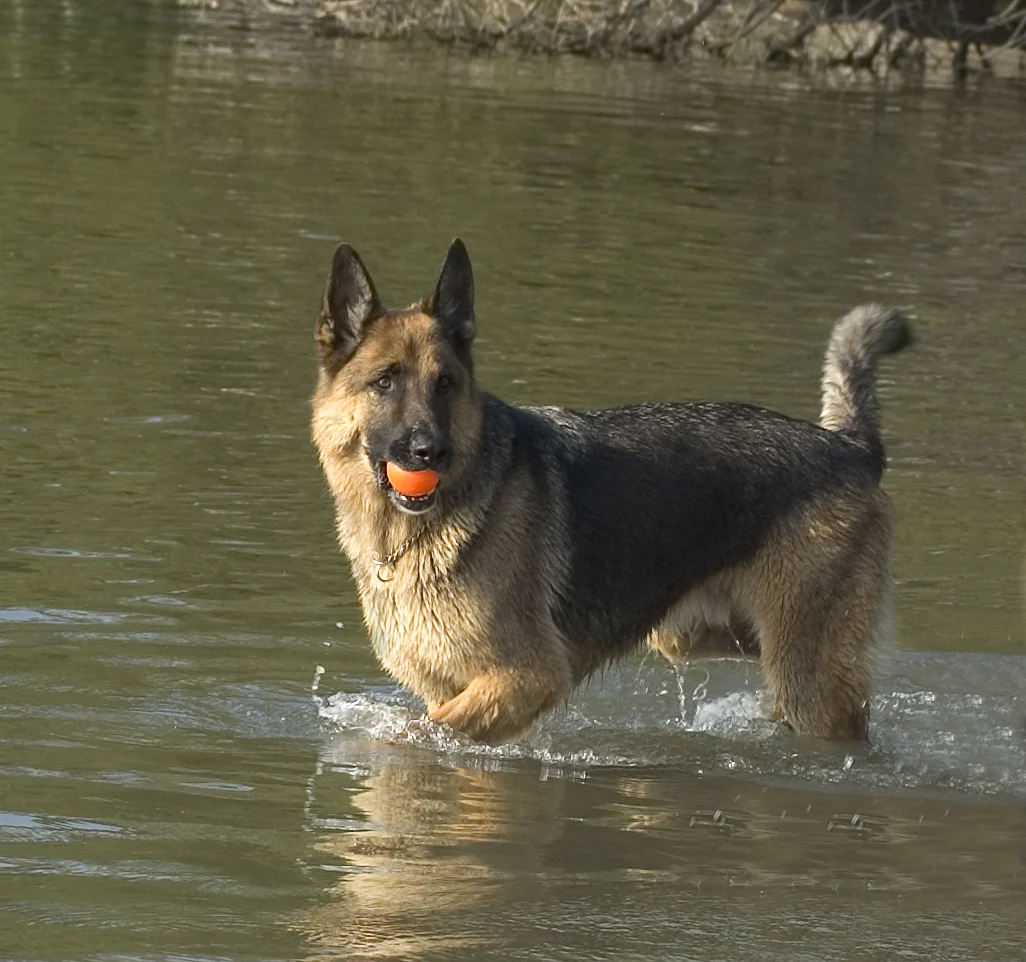
It is a common misconception that all dogs are natural-born swimmers. While the "doggie paddle" is an instinctual movement, not every canine possesses the coordination, confidence, or physical build to navigate deep water safely. As summer approaches and pet owners head to lakes, pools, and beaches, understanding the nuances of canine aquatic safety is not just a leisure consideration—it is a matter of life and death.
The Critical Need for Aquatic Education
Every year, an estimated 10,000 dogs drown in the United States. These heartbreaking incidents are largely preventable and often occur in residential swimming pools where a dog, having fallen or jumped in, is unable to locate the stairs or becomes exhausted while trying to stay afloat.
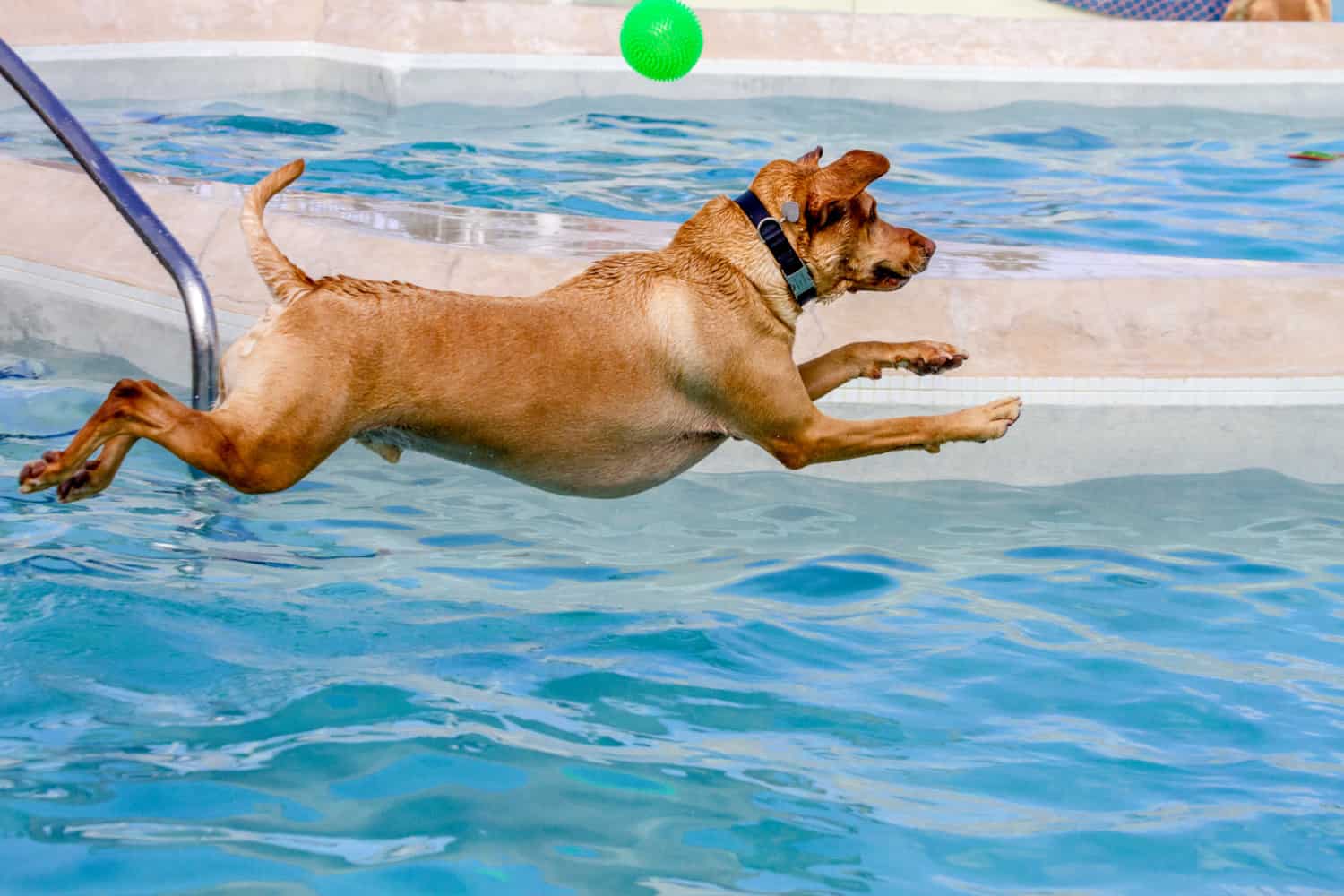
Just like humans, dogs can quickly succumb to fatigue when struggling in the water. For a dog that has never been taught how to exit a pool or swim efficiently, the panic that sets in upon hitting the water can lead to rapid exhaustion. Teaching your dog to swim is one of the most vital safety skills an owner can provide. By demystifying the water and providing controlled, positive experiences, you are not only deepening your bond with your pet but also equipping them with the skills necessary to survive a potential accidental submersion.
The Physiological and Developmental Benefits
Beyond the obvious safety implications, swimming offers a wealth of therapeutic and physical benefits. For dogs suffering from chronic conditions such as canine arthritis, hip dysplasia, or degenerative spinal issues, swimming acts as a form of low-impact physical therapy. The buoyancy of the water supports the dog’s weight, allowing them to engage in aerobic exercise that strengthens the muscles surrounding their joints without the jarring impact of running on hard surfaces.
Furthermore, swimming is an unparalleled way to manage weight and burn excess energy. For high-drive, performance-oriented dogs—such as those involved in agility, flyball, or dock diving—swimming provides a rigorous cardiovascular workout that keeps them in peak physical condition. It allows these energetic breeds to work their muscles in a controlled environment, often resulting in a calmer, more focused companion once they are back on dry land.
Assessing Your Dog’s Swimming Aptitude
Before heading to the nearest body of water, it is important to understand your dog’s natural relationship with swimming. Breed genetics play a significant role here. While retrievers and spaniels have long been associated with water work, brachycephalic (short-nosed) breeds like Bulldogs, Pugs, or Boxers often struggle to keep their airways clear when submerged due to their heavy chests and shortened muzzles.
The "Splash or Sink" Scale
To determine where your dog falls on the swimming spectrum, start with a simple, controlled observation:
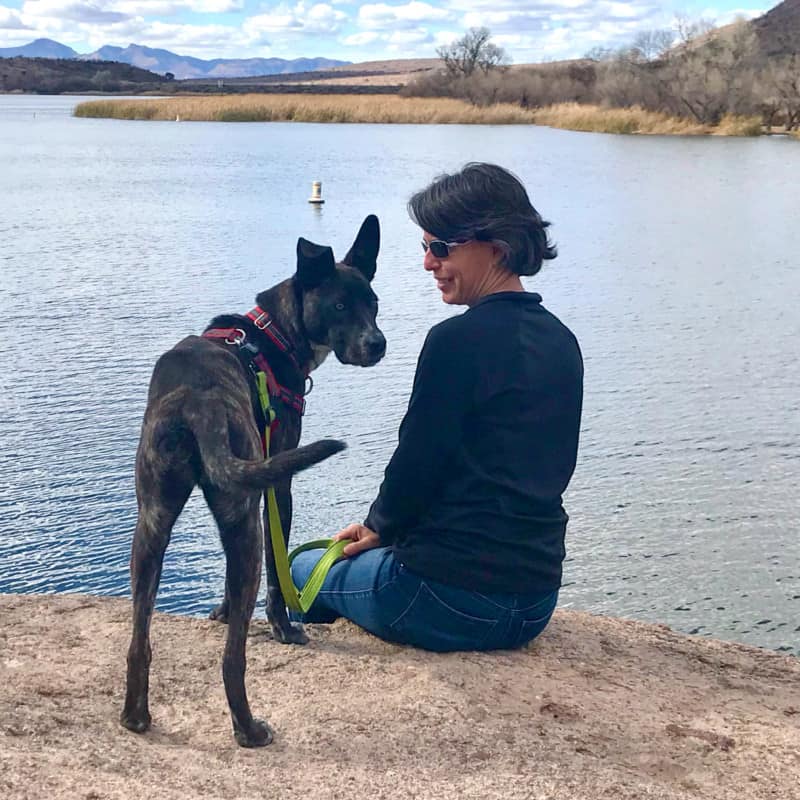
- The Land-Lover: Some dogs, much like the famous "Myles" from the GoPetFriendly community, simply have no interest in the water. They may avoid puddles and show clear signs of distress near the shoreline. For these dogs, forcing them into the water is counterproductive and stressful.
- The Hesitant Beginner: These dogs may paddle, but only with their front legs, resulting in a "splashing" motion where the hindquarters sink. These dogs have the drive but lack the technique. With patience, guidance, and perhaps a canine life jacket, they can learn to engage their rear legs for propulsion.
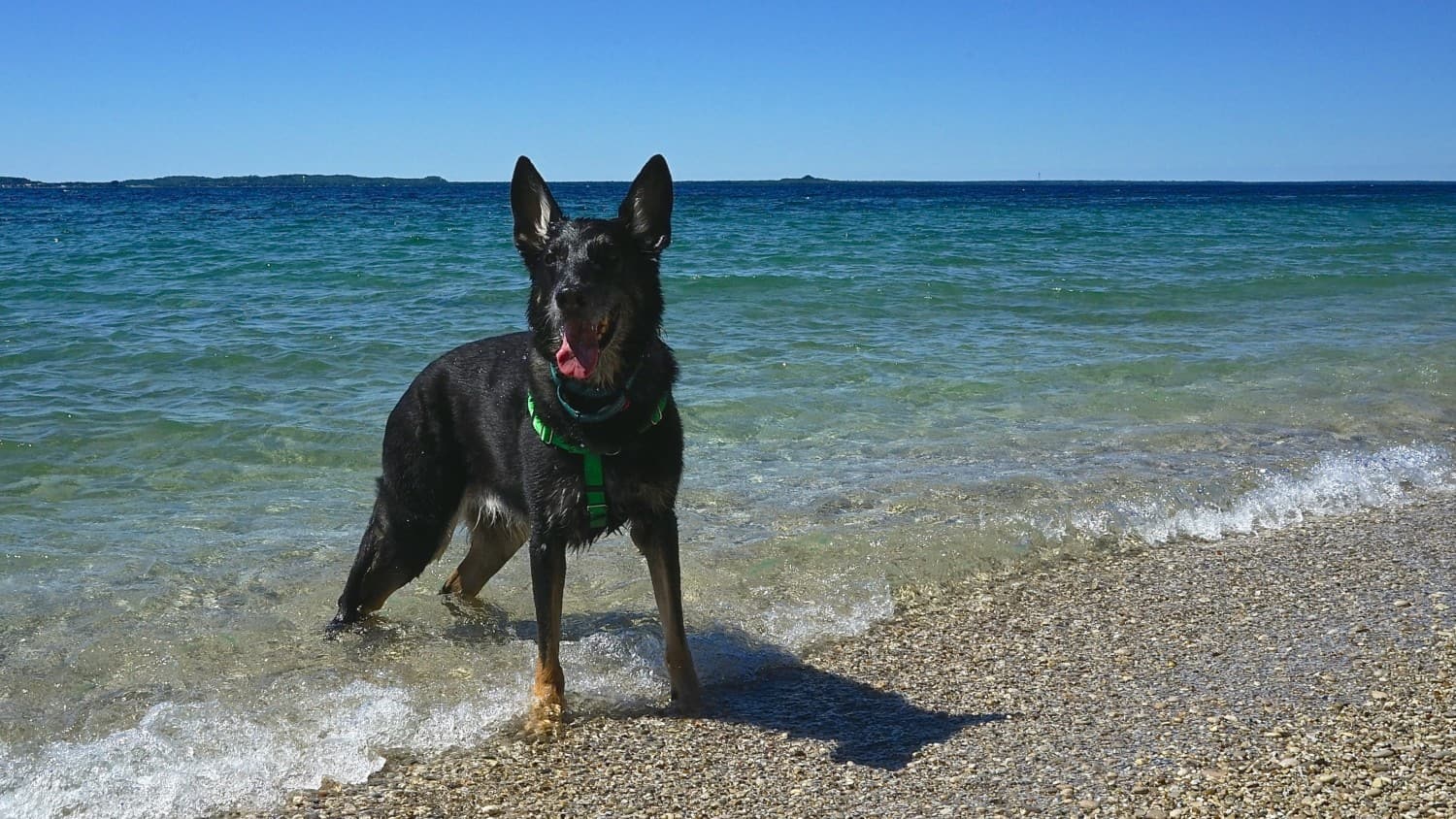
- The Natural Athlete: These dogs intuitively coordinate their entire body, using their legs and tail to remain buoyant and efficient.
If your dog struggles to return to land or seems panicked, do not force the issue. The goal is to build confidence, not to create a phobia.
A Chronology of Training: Step-by-Step Guidance
Teaching a dog to swim should be a gradual, positive process. The following chronology outlines a safe approach to introducing your dog to the water.
Phase 1: The Introduction (The "Shoreline" Approach)
Start in shallow water where the dog can feel the bottom. Never push, throw, or drag a dog into the water. This is the fastest way to create a negative association. Instead, use high-value treats or their favorite floating toy to lure them into the shallows. Let them get their paws wet on their own terms.
Phase 2: Building Buoyancy
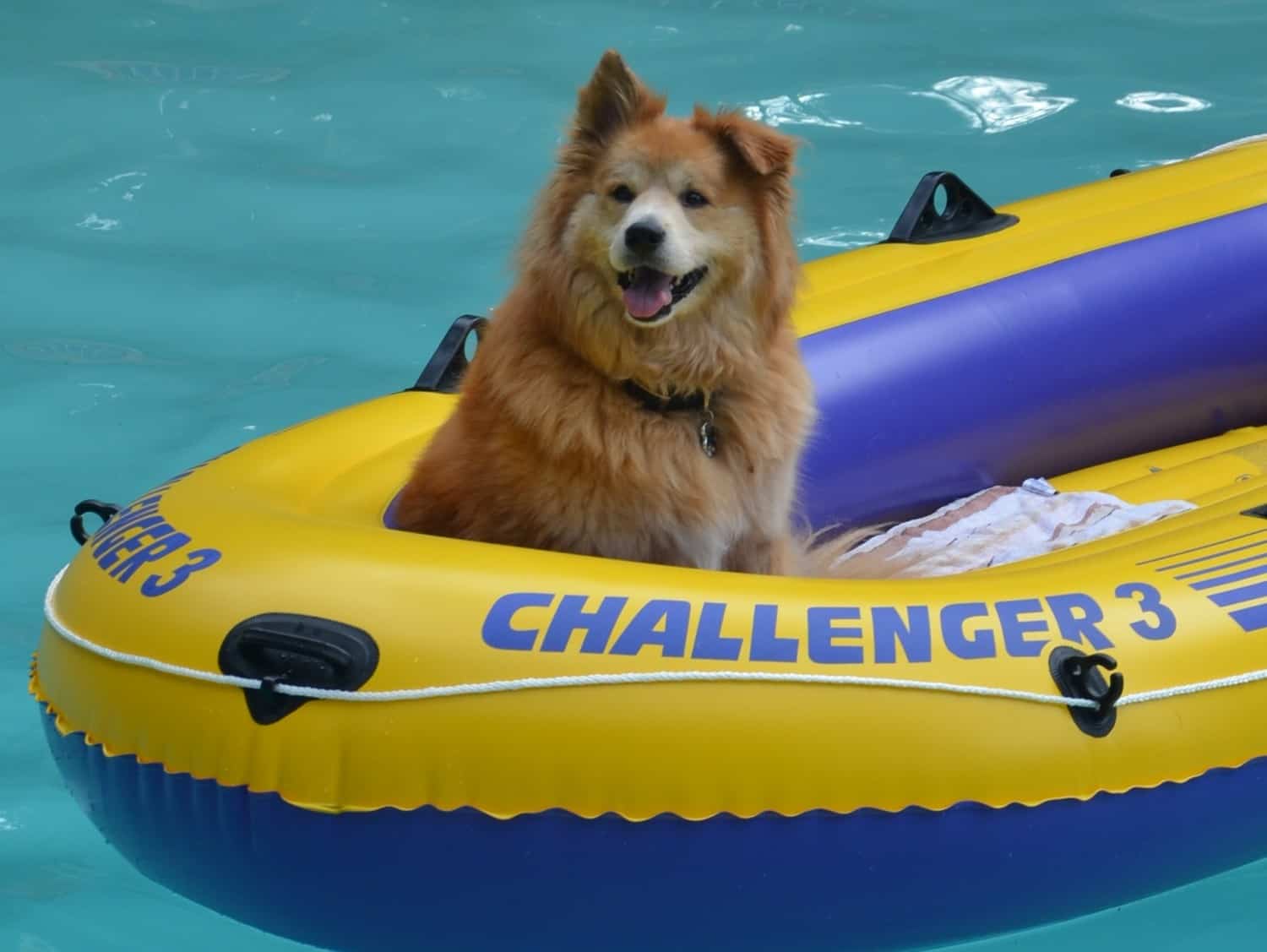
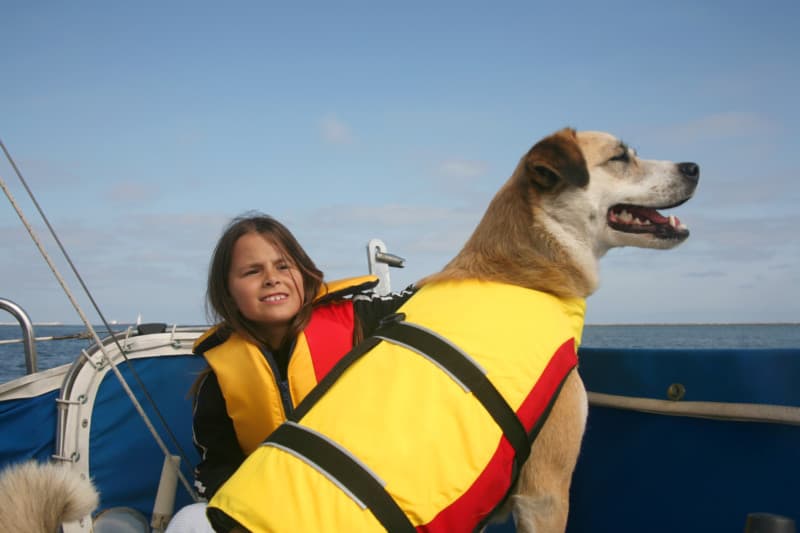
If your dog seems nervous, invest in a properly fitted canine life vest. These vests provide a sense of security and help keep the dog’s back level with the water, which encourages them to use their hind legs. Practice in a calm environment—a calm lake or a shallow kiddie pool—before moving to larger bodies of water.
Phase 3: Encouraging the "Paddle"
As the dog gains confidence in the shallows, gradually move to slightly deeper water where they must lift their paws off the ground. Support them gently under the belly if they seem to be losing their balance. Reward them heavily when they begin to move their legs in a coordinated fashion.
Phase 4: Finding the Exit
The most important lesson a dog can learn is where the exit is. If you are using a pool, take the dog to the steps repeatedly. Place them on the steps and reward them for walking out. Do this until the dog can find the exit point from anywhere in the pool without your guidance.
Supporting Data and Expert Perspectives
Experts in animal behavior, such as noted pet safety advocate Denise Fleck, emphasize that water safety is a foundational aspect of responsible ownership. Data suggests that dogs who are exposed to water under controlled conditions early in their lives are significantly less likely to experience "panic-drowning" if they fall into a body of water unexpectedly.
Furthermore, the American Veterinary Medical Association (AVMA) often highlights the importance of keeping a dog’s ears clean and dry after swimming. Water trapped in the ear canal is a leading cause of secondary ear infections (otitis externa) in water-loving dogs.
Official Best Practices for Water Safety
When engaging in water sports with your dog, adhere to the following safety protocols:
- Avoid Cold Water: Hypothermia is a real risk for dogs, especially small breeds or those with thin coats. If the water is too cold for you, it is likely too cold for them.
- Frequent Breaks: Swimming is an intense exercise. Watch for signs of fatigue, such as heavy panting, lagging behind, or the tail stopping its rhythmic motion.
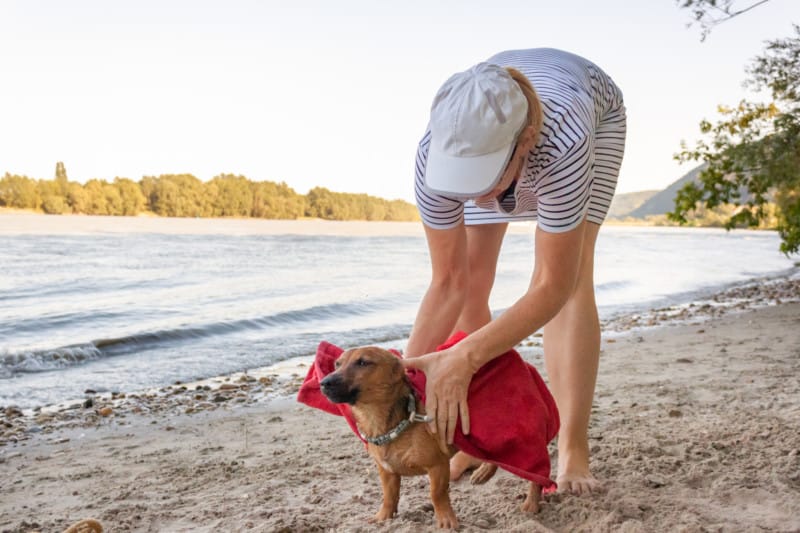
- Post-Swim Hygiene: Chlorine in pools can dry out a dog’s skin and irritate their eyes. Always rinse your dog with fresh water after a swim. In lakes and rivers, be wary of blue-green algae, which can be toxic to dogs.
- Emergency Preparedness: Know where your nearest 24-hour emergency veterinarian is located. Familiarize yourself with basic pet CPR and first aid, as swimming environments—especially those in nature—can hide sharp rocks, broken glass, or underwater hazards.
Implications for Long-Term Pet Health
Integrating swimming into your dog’s lifestyle has profound implications for their longevity. By maintaining an active, aquatic-based exercise routine, owners can mitigate the risks of obesity, which is currently an epidemic among domestic pets. Furthermore, the mental stimulation provided by learning a new skill—swimming—helps keep a dog’s mind sharp as they age.
For those who find that their dogs truly excel in the water, the horizon of possibilities is vast. Activities such as dock diving, where dogs compete to jump the furthest distance into a pool, or accompanying their owners on kayaks and paddleboards, can turn a simple day at the lake into a lifelong passion.
Conclusion: A Lifetime of Splashing
Ultimately, the goal of teaching your dog to swim is not to create an Olympic athlete, but to ensure that your companion is safe, confident, and capable of enjoying the world alongside you. Whether your dog becomes a water-loving retriever or a casual wader in a backyard kiddie pool, the process of teaching them is a testament to the trust between human and animal.
Be patient, keep your training sessions short and upbeat, and always prioritize your dog’s comfort level. With the right approach, you will be setting the stage for years of fun, adventure, and shared memories in the water. Remember, the best part of the journey is not the final result, but the joy of discovery you and your pet share as you learn to navigate the water together.