In the early months of 2026, a story of survival and resilience captured the hearts of animal lovers in Oregon. A litter of nine newborn puppies, abandoned in the cold near a dumpster, was rescued against all odds. Yet, the true tragedy began not in the dumpster, but in the very bottles used to save their lives. What followed was a catastrophic failure of quality control by a major pet health manufacturer, leading to a nationwide FDA recall and a protracted legal battle that highlights the vulnerabilities of the pet supplement industry.
Executive Summary: A Crisis of Formulation
On April 17, 2026, the U.S. Food and Drug Administration (FDA) announced a voluntary recall of Breeder’s Edge Foster Care Canine and Shelter’s Choice Canine Milk Replacers, manufactured by Revival Animal Health LLC. The recall was triggered by reports of "elevated levels of Vitamin D" and, more critically, severe deficiencies in essential minerals required for neonatal growth.
The human and animal cost of this manufacturing error is best exemplified by the "Brady Bunch" litter at Hazel House Animal Rescue. After being fed the formula exclusively, the puppies developed nutritional rickets—a painful and debilitating metabolic bone disease. Despite the clear link between the product and the injuries, the manufacturer and its private equity owners, Incline Equity Partners, have reportedly refused to cover the mounting medical costs, forcing the rescue to seek justice through the court system.
Chronology of a Catastrophe
The timeline of this incident reveals a harrowing transition from a successful rescue mission to a medical nightmare.
January 13, 2026: Discovery and Rescue
A Good Samaritan in Oregon discovered nine newborn puppies abandoned near a dumpster. Many still had their umbilical cords attached, indicating they were only hours or days old. Hazel House Animal Rescue immediately stepped in, naming the litter after the Brady Bunch: Carol, Alice, Peter, Greg, Mike, Bobby, Jan, Cindy, and Marcia. Because they were orphaned neonates, they required 24-hour bottle feeding. The rescue chose Breeder’s Edge Foster Care Puppy Milk Replacer, a premium product marketed as providing "complete nutrition with digestive and immune support."
February 2026: The Onset of Symptoms
At approximately four weeks of age, the puppies began to show signs of physical distress. What began as a slight limp in one puppy quickly spread to the others. Greg, one of the males, lost the ability to walk entirely. The rescue initially feared isolated injuries, but as four more siblings began to struggle with mobility, it became clear that the issue was systemic.
March 2026: Diagnostic Breakthrough
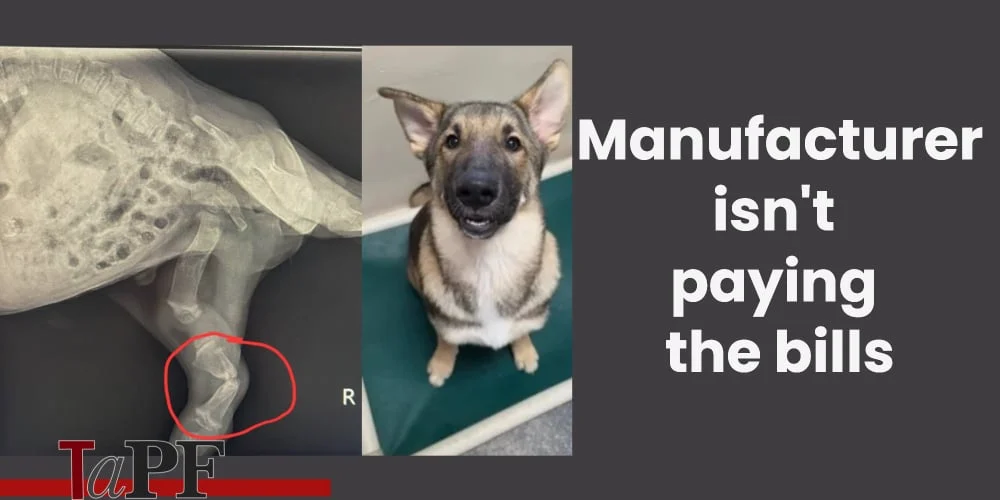
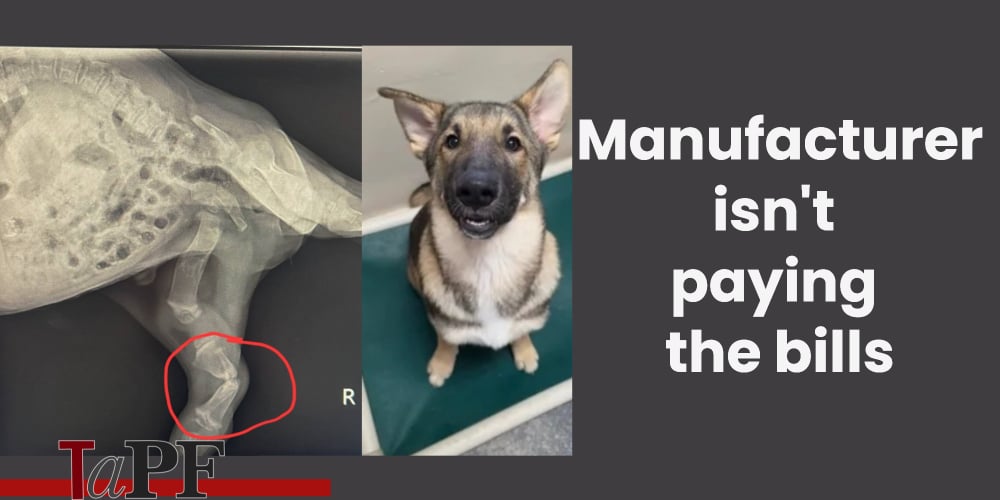
Following a battery of tests—including X-rays, specialist consultations, bloodwork, and genetic testing—veterinarians and endocrinologists reached a startling conclusion. The puppies were suffering from nutritional rickets. Their bones were so catastrophically weak that they were developing fractures under their own body weight. The FDA was notified, sparking an investigation into the puppies’ sole source of nutrition: the Breeder’s Edge formula.
April 17, 2026: The Official Recall
The FDA issued a formal recall notice for Breeder’s Edge Foster Care Canine and Shelter’s Choice Canine Milk Replacers. The investigation confirmed that the product was improperly formulated, lacking the basic building blocks of skeletal development.
June 2026: Legal Action
After months of unsuccessful private negotiations with Revival Animal Health to cover the puppies’ surgeries and rehabilitation, Hazel House Animal Rescue filed a formal lawsuit against the company and its parent firm, Incline Equity Partners.
Supporting Data: The Science of Skeletal Collapse
The severity of the "Brady Bunch" puppies’ injuries is rooted in the specific nutritional deficiencies identified by the FDA. According to the lawsuit filed by Hazel House, the FDA’s analysis of the recalled formula revealed staggering deviations from the standards set by the Association of American Feed Control Officials (AAFCO).
Critical Nutrient Deficiencies
The FDA identified deficiencies in six vital nutrients:
- Calcium: Measured at approximately 35% of the AAFCO minimum requirement.
- Phosphorus: Measured at approximately 39% of the AAFCO minimum requirement.
- Copper
- Iron
- Magnesium
- Potassium
The Role of Calcium and Phosphorus
For a neonatal puppy, calcium and phosphorus are not merely supplements; they are the foundation of life. During the first few weeks of growth, puppies undergo rapid skeletal mineralization. When a formula provides less than 40% of the required levels of these minerals, the body begins to pull minerals from the existing bone structure to maintain vital organ function.
This process leads to metabolic bone disease. In the case of the "Brady Bunch" litter, the lack of mineralization meant their bones remained soft and pliable, eventually leading to "folding fractures" and the collapse of joints. The presence of elevated Vitamin D—as noted in the initial recall—can further complicate mineral absorption and lead to toxicity, creating a "perfect storm" of nutritional failure.
The Financial and Emotional Toll on Animal Rescue
Hazel House Animal Rescue, a non-profit organization, now faces an astronomical financial burden. The cost of treating nine puppies for nutritional rickets is far beyond the scope of standard rescue operations.

Current Medical Status
As of mid-2026, five of the puppies require extensive orthopedic surgeries to repair the damage caused by the rickets. This includes stabilizing fractures and potentially correcting bone deformities that occurred during their primary growth phase. The rehabilitation process involves physical therapy, specialized diets, and long-term monitoring to ensure they do not suffer from permanent mobility issues.
The $100,000 Recovery Goal
The rescue has launched a GoFundMe campaign with a goal of $100,000. These funds are designated for:
- Advanced orthopedic surgeries.
- Specialized veterinary consultations and endocrinology reviews.
- Long-term rehabilitation and physical therapy.
- The high costs of specialized, corrective nutrition.
The emotional toll on the volunteers cannot be quantified. After saving these puppies from a dumpster, the caregivers find it "heartbreaking and heartless" that the very product designed to nurture them instead caused them agonizing pain.
Official Responses and Corporate Accountability
The crux of the current controversy lies in the response—or lack thereof—from the manufacturer and its investors.
Revival Animal Health and Incline Equity Partners
Revival Animal Health is a major player in the pet health market, manufacturing everything from vaccines to supplements. Incline Equity Partners, a private equity firm, owns the company. Despite the FDA recall and the documented medical evidence linking the formula to the puppies’ rickets, the companies have reportedly refused to provide the necessary funding for the puppies’ care.
In a statement, Hazel House Animal Rescue noted:
"For months, Hazel’s House Rescue attempted to resolve this matter privately… Unfortunately, no agreement has been reached with the company that would provide all of the necessary funding for the surgeries… these puppies require due to the lasting effects of the imbalanced formula."
The Lawsuit
The lawsuit filed by the rescue aims to hold the manufacturer strictly liable for the defective product. In legal terms, the "Breeder’s Edge" formula failed to meet the "implied warranty of fitness for a particular purpose." When a company markets a product as a "milk replacer" for neonatal puppies, there is a legal and ethical expectation that the product contains the nutrients necessary to sustain life.

Consumer advocates, including Susan Thixton of TruthAboutPetFood.com, have been vocal in their criticism. They argue that the corporate structure of pet food companies—often owned by private equity firms focused on profit margins—can lead to a degradation of quality control and a reluctance to accept financial responsibility when products fail.
Broader Implications for the Pet Product Industry
The "Brady Bunch" case serves as a warning for the entire pet care industry and the regulatory bodies that oversee it.
The Regulatory Gap
While the FDA eventually issued a recall, the delay between the puppies falling ill in February and the recall in April suggests a gap in real-time monitoring. For neonatal animals, a two-month delay in identifying a toxic or deficient formula is often a death sentence. This incident has sparked calls for more rigorous pre-market testing of "complete nutrition" products, particularly those intended for vulnerable, growing animals.
The Role of Private Equity
The involvement of Incline Equity Partners highlights a growing trend in the pet industry: the acquisition of family-owned or niche brands by large investment firms. Critics argue that this shift often prioritizes "efficiency" and "scale" over the meticulous safety protocols required in nutritional formulation. When a crisis occurs, the legal resources of a private equity firm can be used to delay settlements, even as the affected animals require immediate medical intervention.
Advice for Veterinarians and Consumers
The advocacy group Association for Truth in Pet Food has urged pet owners and veterinarians to remain vigilant.
- Product Awareness: Veterinarians are encouraged to review their inventory for any Revival Animal Health products, including dewormers and vaccines, given the recent history of formulation errors.
- Symptom Monitoring: Owners of neonatal puppies using milk replacers should watch for signs of "shifting leg lameness," reluctance to move, or abnormal limb posture, which can be early indicators of metabolic bone disease.
- Direct Action: Advocates are encouraging the public to contact Revival Animal Health and Incline Equity Partners directly to demand they fulfill their ethical obligation to the Hazel House puppies.
Conclusion: A Call for Justice
The story of the "Brady Bunch" puppies is not just a story about a bad batch of puppy formula; it is a story about the responsibility of those who profit from the bond between humans and animals. While Hazel House Animal Rescue continues to fight for the health of Carol, Alice, Peter, Greg, Mike, Bobby, Jan, Cindy, and Marcia, the broader pet-owning public is left questioning the safety of the products on their shelves.
As the lawsuit progresses, the focus remains on the immediate needs of the puppies. Whether Revival Animal Health will "do the right thing" and "write the check" remains to be seen. In the meantime, the rescue community continues to rally around nine small dogs who, despite being failed by a multi-million dollar corporation, continue to fight for a chance at a normal life.