Taking on the responsibility of pet-sitting—or adopting—a parrot is an exciting endeavor. However, for those who value a pristine living environment or suffer from respiratory sensitivities, the prospect of avian companionship comes with a practical question: How much of a mess, specifically regarding dust, should one expect?
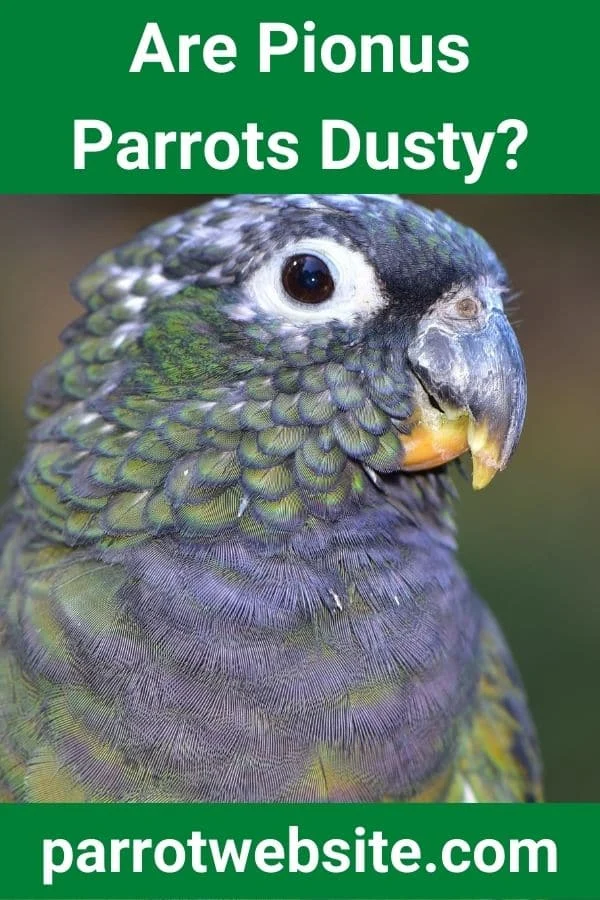
Among the various species kept in captivity, the Pionus parrot is frequently cited as a balanced choice. While they are not "dust-free," they represent a middle ground in the avian world. This report explores the biological reality of parrot dander, the specific dust profile of the Pionus, and the necessary maintenance protocols for maintaining a healthy home environment.
Main Facts: The Reality of Avian Dander
To understand why Pionus parrots produce dust, one must first understand the biology of the bird. All parrots produce "feather dust," also known as dander. This substance is a fine, powdery byproduct of the keratin sheath that protects new feathers as they emerge. As the bird preens—a natural, instinctive grooming behavior—the sheath breaks down into a fine, talc-like powder.
The Function of Dust
This powder is not a defect; it is a vital tool for avian health. Parrots distribute this dust across their plumage to maintain water-repellent properties, keep feathers clean, and prevent parasites from colonizing their skin. In the wild, this is essential for flight efficiency and thermoregulation. In the home, however, this powder becomes an environmental factor that owners must manage.
The Pionus Profile
When categorized by dust production, parrots typically fall into three tiers:
- High-Dust Species: Cockatoos and African Greys are known for producing significant amounts of dander, often visible as a fine white film on nearby surfaces.
- Moderate-Dust Species: Species like the Pionus, Amazons, and Conures fall into this middle category.
- Low-Dust Species: Macaws and some smaller parakeets are generally considered to produce less dander, though they are not entirely dust-free.
The Pionus is widely regarded as a "moderate" producer. They do not generate the heavy, continuous "snowfall" associated with Cockatoos, but they do require consistent cleaning routines to prevent accumulation.
Chronology of Care: Managing the Environment
For the prospective caretaker, the arrival of a bird necessitates a shift in household management. Establishing a routine is the most effective way to mitigate the spread of particulates.
Phase 1: Preparation (The Pre-Arrival Stage)
Before the bird arrives, the habitat must be optimized. Position the cage in an area with good airflow but away from direct air conditioning vents, which can circulate dust throughout the house. Choosing an appropriate substrate for the cage bottom is critical; using paper-based liners or specific avian-safe bedding makes daily cleanup significantly more efficient.
Phase 2: Daily Maintenance (The Sustained Care Stage)
Once the parrot is in residence, daily cleaning is non-negotiable.
- The Bottom Tray: By replacing the tray liners every 24 hours, you prevent the buildup of dried droppings, food scraps, and dander.
- Wiping Surfaces: A simple wipe-down of the immediate area around the cage prevents dust from settling into carpets or upholstery.
- Mist and Manage: One of the most effective professional tips for bird owners is the use of a fine water mister. By gently misting the air or the cage bedding before cleaning, you weigh down the dust particles, preventing them from becoming airborne during your maintenance routine.
Supporting Data: Comparative Analysis of Bird Dander
While empirical scientific data on the exact weight of dander produced by a Pionus vs. a Cockatoo is limited, anecdotal evidence from avian veterinarians and long-term owners remains consistent.
The primary difference lies in the rate of production and the nature of the feather structure. Pionus parrots are generally calmer birds than the high-strung Cockatoo. Because they are less prone to frantic wing-flapping—which acts as an aerosolizer for dust—they naturally disperse less powder into the room’s atmosphere.
Furthermore, the Pionus’s temperament plays a role. These birds are often described as "stoic." They are less likely to engage in the constant, manic preening seen in more anxious or poorly socialized birds, which can lead to excessive dust release.
Official Perspectives: The Medical and Veterinary Consensus
Avian medical experts emphasize that while bird dust is a natural occurrence, it can trigger clinical issues for susceptible individuals.
The Risk of Hypersensitivity Pneumonitis
The most serious concern for human health is a condition known as "Bird Fancier’s Lung" (Hypersensitivity Pneumonitis). This is an inflammatory reaction of the lungs caused by the inhalation of avian proteins found in dander and droppings.
According to respiratory health organizations, symptoms include:
- Chronic cough.
- Shortness of breath.
- Wheezing or tightness in the chest.
Medical professionals advise that individuals with pre-existing asthma, COPD, or compromised immune systems should consult an allergist before introducing any parrot species into their home. Even if the Pionus is less dusty than other species, the "less dusty" classification does not equate to "hypoallergenic."
Veterinary Advice on Bathing
Veterinarians strongly recommend regular bathing for all parrots. A bathing schedule—ideally two to three times per week—serves two purposes. First, it satisfies the bird’s biological need to preen and clean. Second, it physically removes excess dander before it has the chance to drift into the home. For the Pionus, who may be particular about their bathing preferences, offering a shallow bowl or a gentle misting spray is often sufficient to encourage this grooming behavior.
Implications: Is the Pionus Right for Your Lifestyle?
When considering whether to care for a Pionus parrot, one must balance the joy of companionship with the reality of living with a living, breathing, and dander-producing animal.
The "Cleanliness" Expectation
If your definition of a clean home is a sterile environment, no parrot—regardless of species—will be a perfect fit. However, if you are a methodical cleaner who enjoys a structured routine, the Pionus is an excellent candidate. Because they are not "manic" producers, their dust remains largely localized to the cage vicinity, provided the owner remains disciplined.
Long-Term Considerations
- Air Filtration: Many owners of moderate-dust species choose to invest in high-quality HEPA air purifiers. Placed near the cage, these devices can capture a significant percentage of airborne dander, keeping the surrounding air quality high.
- Social Dynamics: Pionus parrots are independent creatures. They require social interaction, but they are not as "clingy" as other species. This independence is a benefit to the owner, as it often means less time spent in high-energy, dust-releasing activities.
Conclusion
The Pionus parrot stands as a middle-ground solution for those who love birds but are concerned about household cleanliness. They produce dander, as do all parrots, but they are far from the most problematic species in this regard.
By implementing a rigorous cleaning schedule, investing in air filtration, and ensuring the bird is bathed regularly, the dust produced by a Pionus can be effectively managed. For the healthy individual, the presence of a Pionus in the home is rarely an issue. However, for those with known respiratory conditions, the decision should be made in consultation with a medical professional. With the right expectations and preparation, the companionship of a Pionus is a rewarding experience that far outweighs the minor chore of daily dusting.