Winter is widely regarded as the most demanding season for horse owners and facility managers. While the rhythmic routine of daily care—blanketing, mucking, and feeding—becomes second nature for experienced equestrians, the season is defined by its inherent volatility. Between plummeting temperatures, diminished daylight hours, and the logistics of managing heavy gear, the "learning curve" for winter horse keeping is famously steep.
However, even the most seasoned caretaker can be blindsided by the unpredictable nature of the season. From record-breaking snowfall to sudden supply chain disruptions and equine health crises, the winter months present "curveballs" that require rapid, informed, and calm decision-making. Preparing for the known is the easy part; preparing for the unexpected is what separates a manageable winter from a disastrous one.
The Reality of Seasonal Risks: Main Facts and Considerations
The fundamental challenge of winter is the maintenance of homeostasis—not just for the horse, but for the farm’s infrastructure. When temperatures drop, the metabolic demands of the horse increase, yet their environmental stressors, such as lack of movement and decreased hydration, rise concurrently.
According to veterinary consensus, the primary threats to horses during winter are not necessarily the cold itself, but the secondary consequences of the cold: restricted movement, ice-related injuries, and digestive impactions. Preparation, therefore, must focus on three pillars: mobility, hydration, and accessibility.
Chronology of a Winter Crisis
While every farm’s timeline is unique, most winter emergencies follow a predictable progression:
- The Pre-Storm Phase: This is the window for proactive maintenance. It involves checking structural integrity, ensuring emergency access routes are clear, and stockpiling critical resources.
- The Event Phase: This is the period of active management, where the focus shifts to ensuring the horse can move safely and maintain hydration.
- The Recovery Phase: Post-storm, the priority turns to assessing the health of the herd, checking for injuries sustained during the event, and replenishing supplies that were depleted during the crisis.
Challenge 1: Managing Significant Snowfall
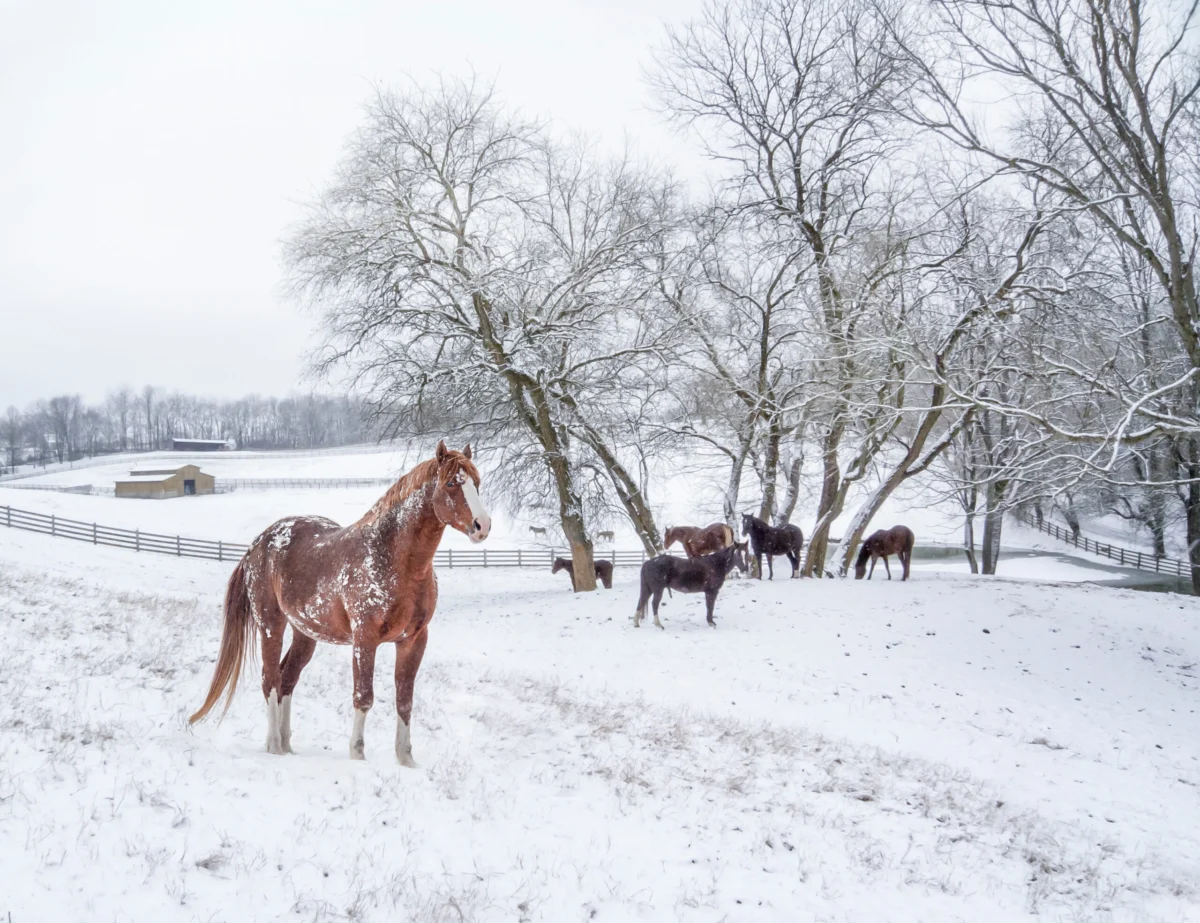
Snowfall is rarely a problem when it remains at a depth that a horse can navigate comfortably. However, once accumulation exceeds the "hoof-deep" threshold, management must shift.
Movement and Mobility
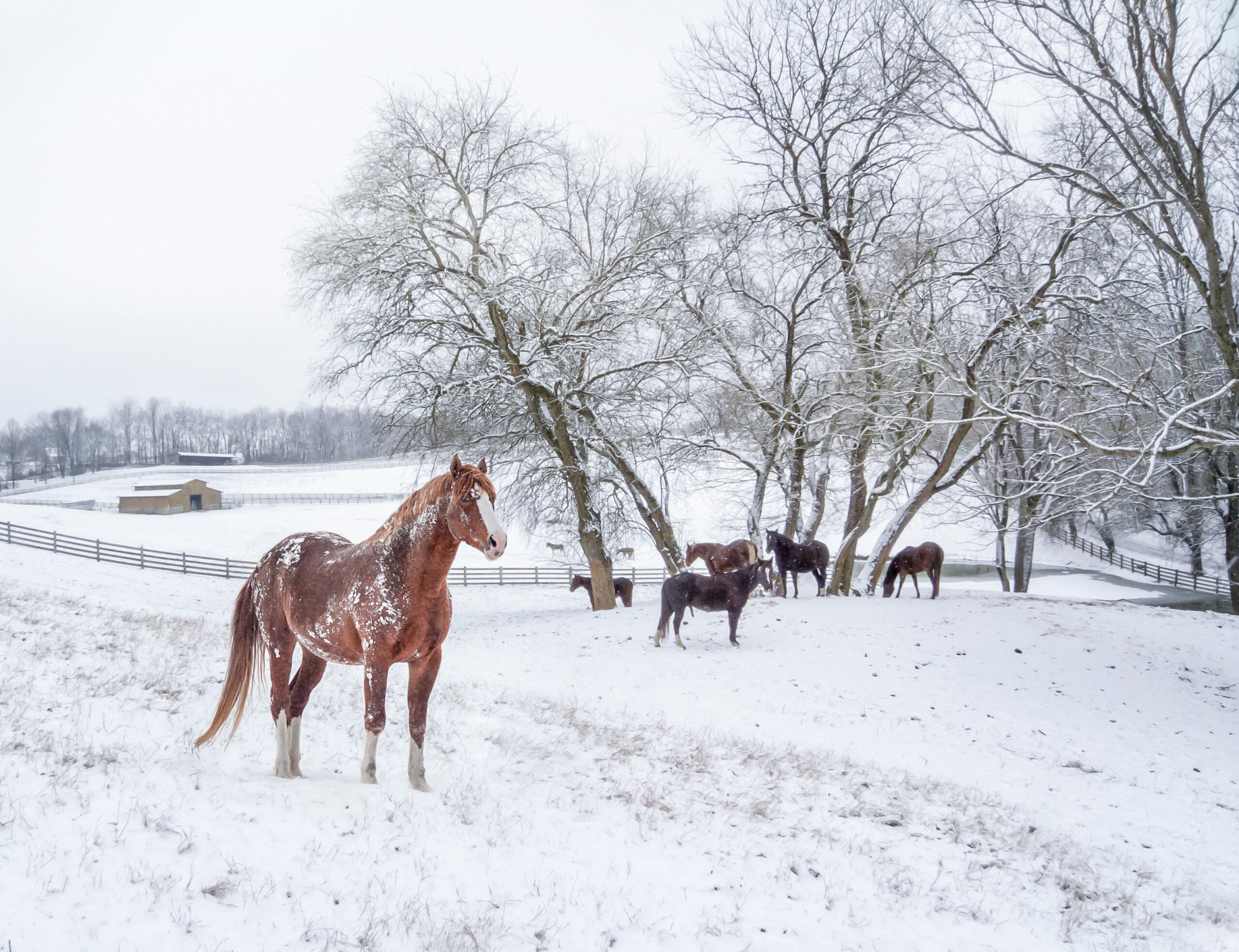
A healthy, mobile horse can handle snow reasonably well, but deep drifts create significant fatigue. The most effective strategy is to encourage movement as the snow accumulates. By turning horses out while it is still snowing, they naturally create pathways to vital resources like hay, water, and shelter.
For the elderly or arthritic horse, this is not sufficient. Extended periods of standing in a stall—often caused by an owner’s fear of slippery conditions—can lead to severe stiffness, colic, and respiratory complications. Facility managers should aim to provide consistent movement, even if it means clearing a small loop in a paddock with a tractor or utilizing an indoor arena for hand-walking sessions.
Infrastructure and Safety
The danger of snowfall is not limited to the ground. Structural collapse of barns, sheds, and riding arenas is a legitimate threat during heavy, wet snow events. Owners must treat any audible structural distress—creaking, popping, or cracking—as an immediate emergency. If a building’s integrity is in question, the only safe course of action is to evacuate the structure, even if it means the horses must endure the cold outdoors.
Challenge 2: The Treachery of Ice
Ice represents a higher risk profile than snow due to the unpredictable nature of surface friction. Even without a fall, the simple act of a horse tensing its muscles to regain balance on a slick surface can result in severe strains to tendons and ligaments.
Traction and Treatment
While salt is common for human walkways, it is often detrimental to the barn environment, as it can burn the paws of barn cats and dogs and damage surrounding vegetation. Experts recommend sand, wood ash, or non-clumping kitty litter as superior alternatives for creating traction.
For horses in work, it is vital to remember that shod horses are at a significant disadvantage on ice. Owners should consult with their farrier about traction aids, such as borium, well before the first freeze. Furthermore, when snow covers ice, the risk of injury increases exponentially. As the horse breaks through the crust, the jagged edges of the ice can cause deep lacerations to the coronary bands and pasterns. Frequent hoof checks and the application of protective barriers like petroleum jelly are essential during these "hybrid" conditions.
The Plumbing Factor
Perhaps the most overlooked element of winter management is the water supply. Frozen pipes can occur overnight, and in the winter, a horse that stops drinking is a horse on the verge of an impaction. If your primary water system fails, you must have a pre-established plan for hauling water. Relying on snow consumption for hydration is a fatal misconception; it is insufficient and can actually lower the horse’s body temperature.
Challenge 3: Addressing Colic
The incidence of impaction colic rises during the winter months due to a combination of decreased water intake and reduced gut motility.
Clinical Management
When a horse shows signs of distress, the "wait and see" approach is the enemy. Every hour lost is an hour of potential tissue damage.
- Avoid Unauthorized Analgesics: Do not administer painkillers like Banamine without direct authorization from a veterinarian. Doing so can mask the severity of the colic, potentially delaying a life-saving diagnosis.
- Emergency Readiness: Always maintain a clear, snow-free path to your horse trailer. In a crisis, the ability to transport the horse to a referral facility without navigating unplowed driveways is paramount.
Preventive Strategies
The best defense against winter colic is keeping the horse hydrated and moving. Heated buckets or insulated waterers are considered "gold standard" equipment for encouraging water intake. When coupled with a consistent turnout schedule, these tools maintain the natural rhythm of the horse’s digestive system.
Challenge 4: Supply Shortages and Logistics
Winter often disrupts the supply chain, whether through blocked roads or regional shortages of forage.
Strategic Feed Management
If grain deliveries are delayed, the average healthy horse can safely miss several days or even weeks of grain, provided they have adequate forage. Increasing the hay ration is a safe and effective way to maintain body condition and energy levels.
Forage Integrity
Running low on hay is a more critical emergency. If you are forced to source hay on short notice, perform a rigorous quality check. Moldy or dusty hay is not only poor nutrition but a significant respiratory health risk. If supply is critically low, consider transitioning to high-quality alfalfa cubes or chopped forage, but ensure the transition is gradual to prevent further digestive upset.
Medication Protocols
Unexpected shortages of necessary medication require immediate veterinary consultation. Never attempt to use expired or contaminated medication, and strictly avoid "borrowing" prescriptions intended for other animals. Your veterinarian is the only reliable source for determining if a substitute is safe or if the dosage can be safely adjusted during a shortage.
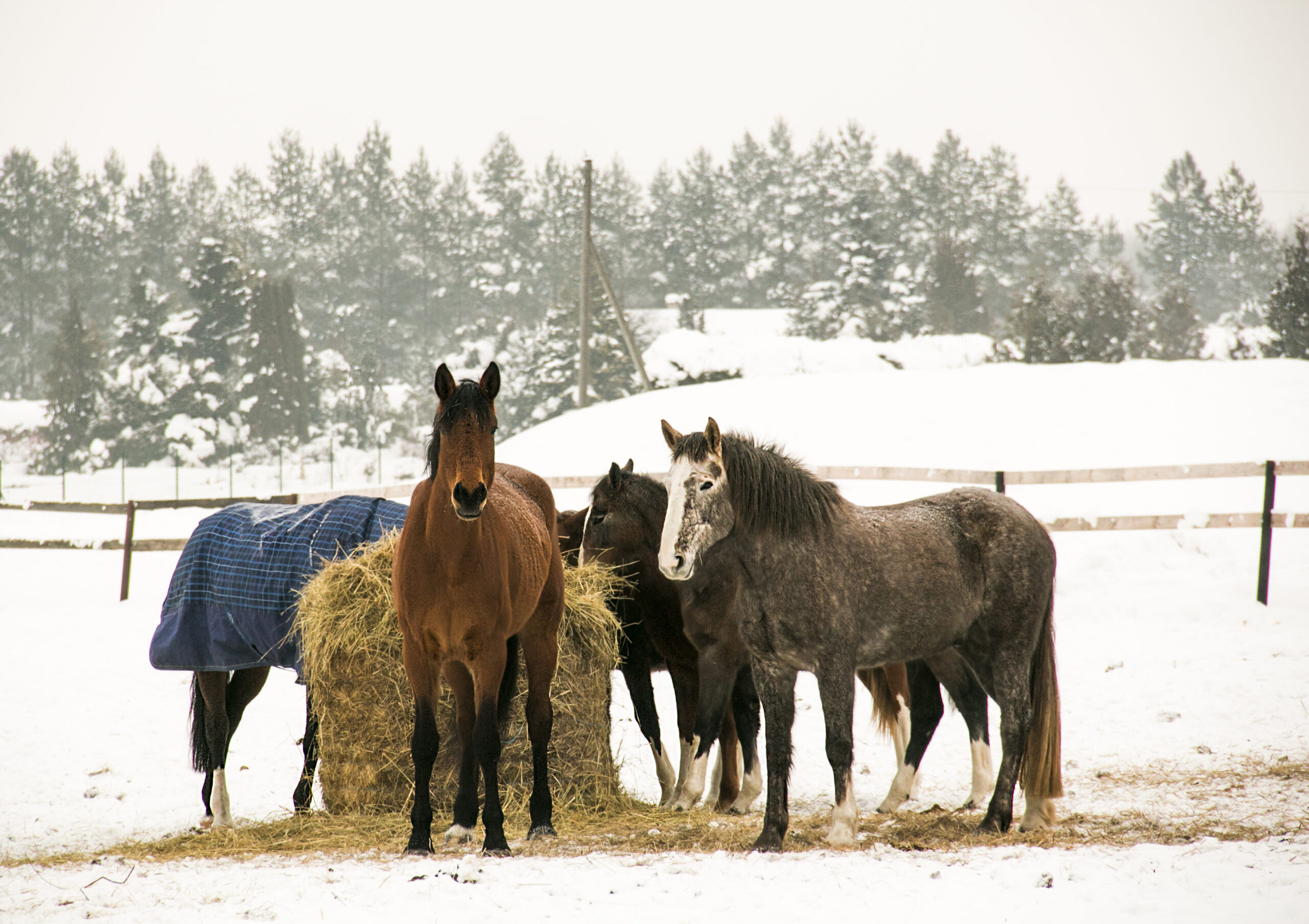
Implications for the Future
The modern equine caretaker must view winter not as a static season, but as a series of evolving challenges. The implications of poor preparation are clear: increased veterinary bills, potential loss of life, and significant personal stress.
By integrating these strategies—proactive path clearing, consistent movement, rigorous hydration monitoring, and strategic supply management—owners can build a framework of resilience. As you prepare for the coming winter, remember that the goal is not to eliminate risk entirely, but to ensure that when the "curveballs" arrive, you are positioned to hit back.
Summary Checklist for Winter Preparedness:
- Access: Ensure driveway and trailer parking are plowed.
- Hydration: Test and clean all heaters for water buckets.
- Safety: Stockpile traction materials (sand/ash) and check roof load limits.
- Nutrition: Keep at least two weeks of extra hay on hand.
- Medical: Update your emergency contact list and verify your trailer is road-ready.