The perception of pet grooming has undergone a seismic shift over the past five decades. Once dismissed as a menial task relegated to the backrooms of pet shops, professional grooming has blossomed into a sophisticated, respected, and highly profitable sector of the multi-billion-dollar pet care industry. Today’s groomers are no longer just maintenance workers; they are recognized as skilled artisans, wellness advocates, and essential touchpoints in the lifecycle of pet health.
This transition from an undervalued trade to a cornerstone of modern pet retail represents a significant economic evolution. As the industry matures, established grooming professionals are finding themselves at a crossroads: remain strictly service-based, or leverage their existing client base to capture the lucrative retail market.
The Chronology of a Profession: From Stigma to Status
The 1970s: The Era of Misunderstanding
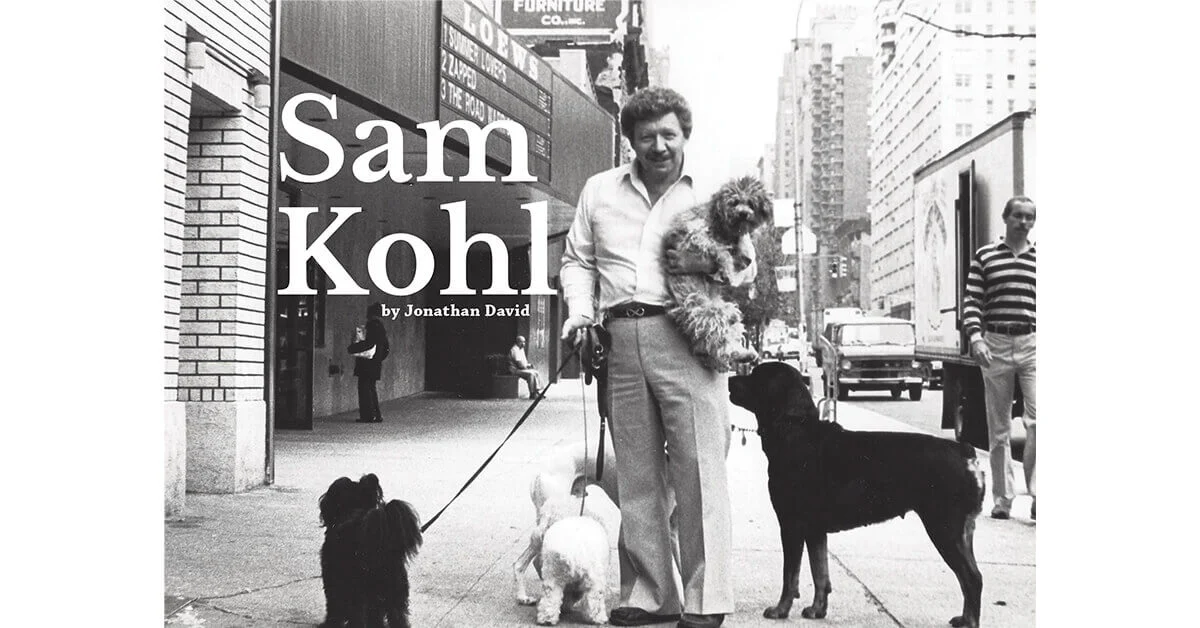
To understand the current state of the industry, one must examine its humble and often difficult beginnings. In the early 1970s, the role of a "groomer" was frequently conflated with that of a general animal caretaker. Many groomers were hired by pet shops with the understanding that they would be practicing their craft, only to be redirected to the less-glamorous duties of cleaning soiled cages, scrubbing floors, and managing animal feed schedules.
When skilled groomers pushed back against these duties, citing their professional qualifications, shop owners often characterized them as "flakes" or unreliable employees. This cycle of exploitation and frustration led to high turnover rates, which shop owners erroneously blamed on the character of the groomers rather than the poor management practices of the time.
The Veterinary Integration
The first significant shift in professional legitimacy occurred when veterinary practices began to embrace grooming services. Veterinarians, possessing a more clinical understanding of the value of regular physical examinations, recognized that a grooming station served as a high-frequency traffic driver.
By integrating grooming into their clinics, veterinarians provided a stable, professional environment for groomers. This symbiotic relationship allowed for a monthly cadence of client interaction. Pet owners who visited for a trim were suddenly within reach of medical advice, vaccinations, and high-quality diagnostics, significantly bolstering the revenue streams of veterinary practices across the nation.
The Big-Box Awakening
It took several years for large-scale retail chains to recognize the potential that veterinarians had already successfully monetized. Eventually, big-box retailers began installing glass-encased grooming salons within their stores. This architectural choice was strategic: it made the grooming process visible to the public, transforming a "behind-the-scenes" service into an interactive, theatrical experience. By training internal staff or poaching established professionals, these retailers successfully captured a significant share of the grooming market.
Supporting Data and Economic Implications
The pet industry is famously "recession-resistant." According to industry data from organizations like the American Pet Products Association (APPA), spending on pet services—including grooming—has seen a steady, year-over-year increase.
The economic shift is clear: the modern pet owner views their animal as a family member, not property. This shift in sentiment has led to the "humanization" of pet products. Groomers occupy a unique position in this economy. They possess what retail experts call "high-frequency, high-trust" relationships with their clients. While a retail store may see a customer once a quarter, a groomer sees that customer’s pet every four to six weeks.
The Franchise Boom
In recent years, the market has seen a surge in franchise models that bundle grooming services with curated retail offerings. These models are designed to capture the "one-stop-shop" consumer who values convenience above all else. For the independent groomer, this trend serves as both a threat and a blueprint.
Implications for the Modern Groomer: The Retail Opportunity
For the independent groomer, the current landscape offers a unique "golden opportunity." Many groomers currently operate in a service-only vacuum. They have the expertise, the physical space, and, most importantly, the trust of their clientele. However, they are often missing the retail component that could double their revenue per customer.
Why Groomers Are Ideally Positioned
- Existing Traffic: You already have the customers walking through your door. There is no need for massive marketing spends to acquire new leads; you simply need to convert your existing client base.
- The Knowledge Gap: Most pet owners are currently purchasing their food, treats, and grooming supplies from big-box stores or e-commerce giants. By curating a selection of products that you actually use and trust, you provide a level of expertise that a website or a general retail clerk cannot match.
- Defense Against Competition: As franchises move into local territories, they aim to dominate the entire "pet lifecycle." By expanding your business to include retail, you create a "moat" around your existing grooming service, making it harder for competitors to displace you.
Strategic Implementation: How to Build Your Retail Presence
The transition from a service provider to a retailer does not require a massive capital expenditure. In fact, many successful independent shops have achieved growth through lean, creative strategies.
1. Leverage Industry Partnerships
Do not attempt to build a retail inventory in isolation. Pet product manufacturers are often eager to help independent business owners succeed. They provide training, display materials, and educational resources. However, it is vital to maintain your autonomy. Beware of manufacturers or distributors looking to "oversell" inventory. Your retail space should be a curated boutique, not a warehouse.
2. The Power of Aesthetic Appeal
In the age of social media and visual retail, "eye appeal" is everything. You do not need to perform expensive renovations to create an attractive retail space. Use your professional artistic eye—the same eye you use to create a perfect breed-standard cut—to design your retail floor.
- Lighting: Proper lighting can make even a small space feel high-end.
- Curated Displays: Don’t clutter the space. Focus on high-quality, specialty items that aren’t found in every grocery store aisle.
- The "Groomer’s Pick": Use signage to highlight items that you personally use on your clients. This creates social proof and deepens the bond between you and your customer.
3. Start Small, Scale Smart
There is no need to launch a massive inventory overnight. Begin with high-turnover items: premium treats, specialized shampoos, or tools that you use during the grooming process. Monitor what your clients ask for, what they complain about, and what they are currently buying elsewhere. Use this data to refine your inventory.
Challenges and Official Responses
Industry associations and business consultants have noted that the biggest hurdle for groomers moving into retail is the "mindset shift." Grooming is a labor-intensive service; retail is a capital-intensive inventory game.
- Inventory Management: The most common failure in small retail is "dead stock"—products that sit on the shelf and tie up cash flow. Experts recommend focusing on a niche, such as organic, hypoallergenic, or locally sourced products, rather than trying to compete with the wide inventory of a national chain.
- Staffing: As you expand, your focus must shift from solely grooming dogs to managing a business. This may require hiring administrative help or a retail-focused staff member, allowing you to focus on the high-ticket grooming services while the retail operation runs in parallel.
Conclusion: Seizing the Future
The history of the grooming profession is a testament to the grit and skill of those who perform the work. From being treated as glorified janitors to being recognized as the backbone of the pet service economy, groomers have proven their resilience.
The next chapter for the industry is not just about grooming more dogs; it is about owning the client relationship in its entirety. The opportunity to add a retail component to your business is not merely about making more money—it is about securing your business’s future in an increasingly competitive landscape. You already have the eye of an artist and the trust of your community. Now, it is time to use those assets to build a comprehensive, sustainable, and profitable retail operation.
The tools are available, the market is ready, and your customers are already waiting for you to offer them the expertise they deserve. Go get it.