
While popular culture often depicts dogs as natural-born swimmers, the reality is far more nuanced. For many pet owners, the dream of a summer spent lakeside or at the beach with a canine companion is a goal, but it is one that requires careful preparation and education. Not every dog is born with the “doggie paddle” instinct, and for those that are, confidence in the water is not a guarantee.
Teaching your dog to swim is not merely an exercise in recreation; it is a vital safety skill that can prevent tragic accidents, enhance physical rehabilitation, and deepen the emotional bond between pet and owner.
Main Facts: The Reality of Canine Water Safety
The primary driver for teaching a dog to swim is, quite simply, survival. According to pet safety statistics, an estimated 10,000 dogs drown in the United States every single year. These heart-wrenching accidents often occur in residential swimming pools where dogs, having fallen or jumped in, become exhausted while trying to locate an exit.
Just like humans, dogs can suffer from muscle fatigue in the water. Once they become tired, their coordination fails, and their ability to keep their head above the surface diminishes rapidly. By introducing a dog to the water in a controlled, supervised environment, owners can teach them not only how to move through the water but also how to locate and utilize steps, ramps, or shallow entry points to safely exit.
Beyond safety, swimming offers unparalleled health benefits. For dogs suffering from chronic conditions such as canine arthritis, hip dysplasia, or degenerative spinal issues, the water provides a buoyant environment that relieves joint stress while allowing for rigorous aerobic activity. For overweight dogs, it provides a high-calorie-burn workout without the impact forces of running on concrete or rough terrain.
Chronology: The Evolution of Water Training
The process of turning a land-loving pup into a confident swimmer does not happen overnight. It is a progressive journey that begins with desensitization and moves toward mastery.
- The Introduction Phase: The first step is exposing the dog to water in a non-threatening way. This might involve a shallow kiddie pool or a calm shoreline. The goal is to build positive associations using treats and toys.
- The Exploration Phase: Once the dog is comfortable standing in shallow water, they begin to explore their own buoyancy. This is when the "doggie paddle" naturally emerges in many dogs, though others may struggle to find the rhythm of their hind legs.
- The Proficiency Phase: As the dog gains confidence, they learn to coordinate their movements. This involves the use of the entire body, including the tail, to maintain stability and direction.
- The Mastery Phase: At this stage, the dog is comfortable entering and exiting the water independently, responding to recalls even when distracted by water, and showing signs of physical endurance.
Supporting Data: Breed Variations and Physical Limitations
Not all breeds are built for the aquatic life. Anatomy plays a significant role in a dog’s buoyancy and ability to maintain a horizontal posture in the water.
The Natural Swimmers
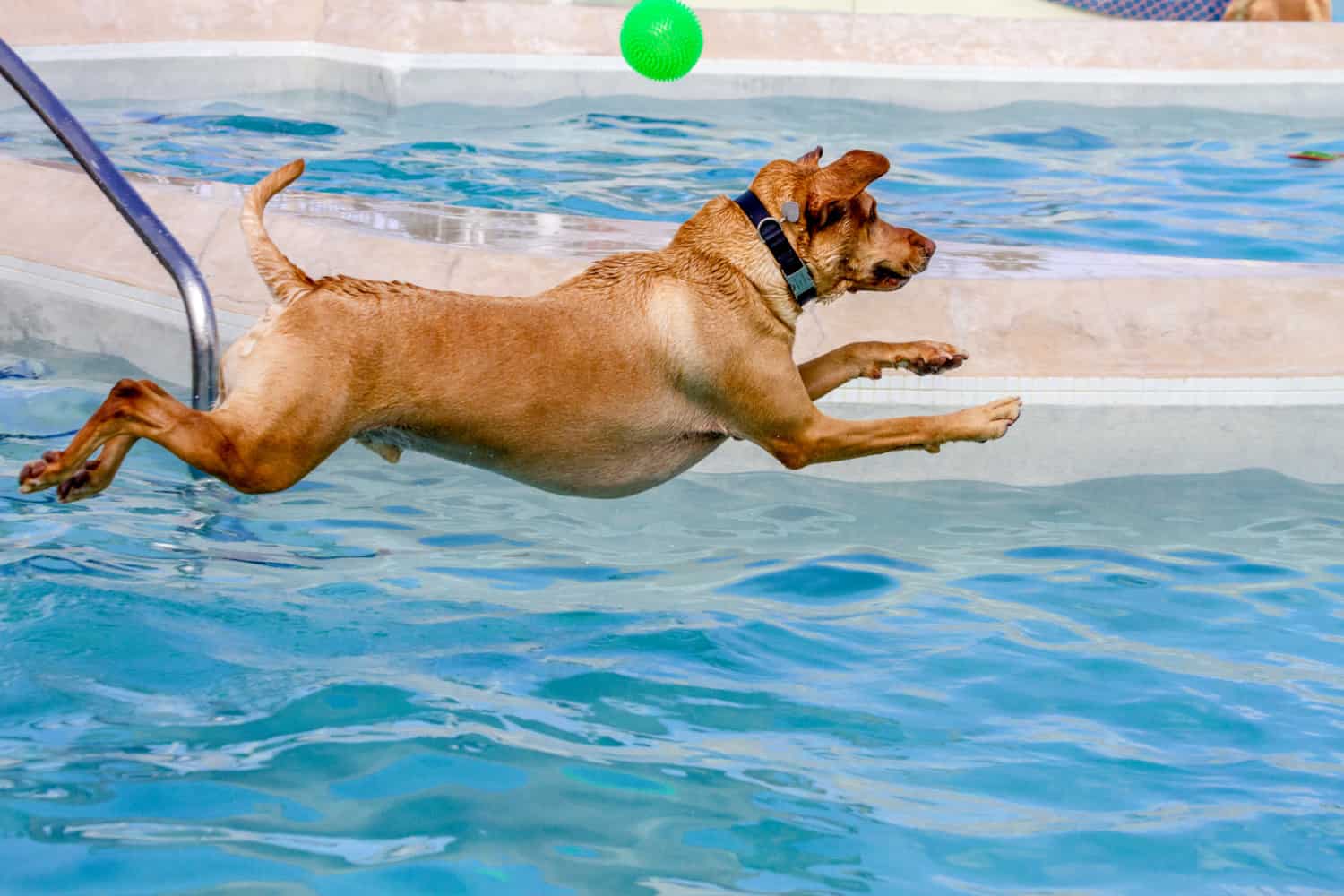
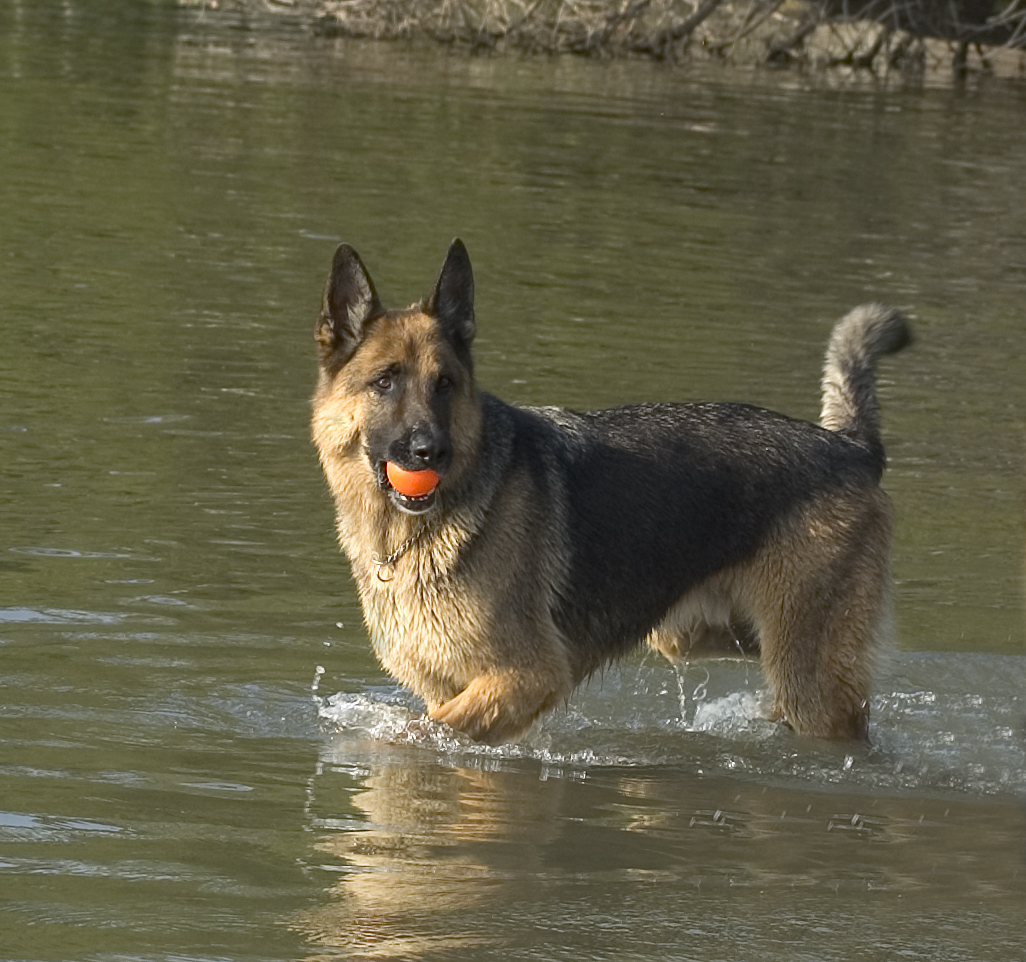
Retrievers and Spaniels were historically bred to work in water, and their physical structure—often including water-resistant coats and webbed paws—reflects this. These breeds typically exhibit a natural aptitude for swimming, often showing an immediate urge to jump into the water to retrieve an object.
The At-Risk Breeds
Conversely, dogs with short muzzles (brachycephalic breeds) like Bulldogs, Pugs, and Boxers often struggle significantly in the water. Their large, dense chests and short legs make it difficult to keep their heavy heads above the surface for extended periods. Similarly, breeds with very low body fat and heavy muscle mass, such as Greyhounds, may find it harder to float, leading to rapid fatigue.
Behavioral Indicators
Assessment is key. Before assuming your dog is ready for a deep-water excursion, observe their behavior. If a dog refuses to enter the water or only stays in the extreme shallows, they may be suffering from anxiety. A "fear-free" approach is essential; forcing a frightened dog into the water can cause trauma and may lead to a dangerous panic reaction, where the dog flails and potentially swallows water.
Official Guidance and Professional Perspectives
Experts in animal behavior and pet safety, such as renowned pet first-aid educator Denise Fleck, emphasize that "safety first" is the golden rule of water play.
The "No-Force" Policy
Professional trainers universally advise against "throwing" or "pushing" a dog into the water. This method, often misguidedly used to "get them over their fear," is counter-productive and dangerous. It destroys the trust between the pet and the owner and often creates a lifelong phobia of water. Instead, trainers recommend using high-value treats and floating toys to lure the dog into the water at their own pace.
The Role of Physical Support
When a dog is first learning, owners should be in the water with them. Providing support under the belly—not grabbing the dog by the scruff—helps them understand the sensation of buoyancy. Once the dog realizes the water will hold them up, their anxiety typically begins to subside.
Emergency Preparedness
Because accidents can happen, owners should be aware of the nearest emergency veterinary clinic, especially when traveling to new beaches or lakes. Knowing the signs of "water intoxication" (hyponatremia) or secondary drowning is also critical for any responsible pet owner.
Implications: The Long-Term Benefits
Teaching your dog to swim has profound implications for your relationship and the quality of your dog’s life.
Enhanced Bond
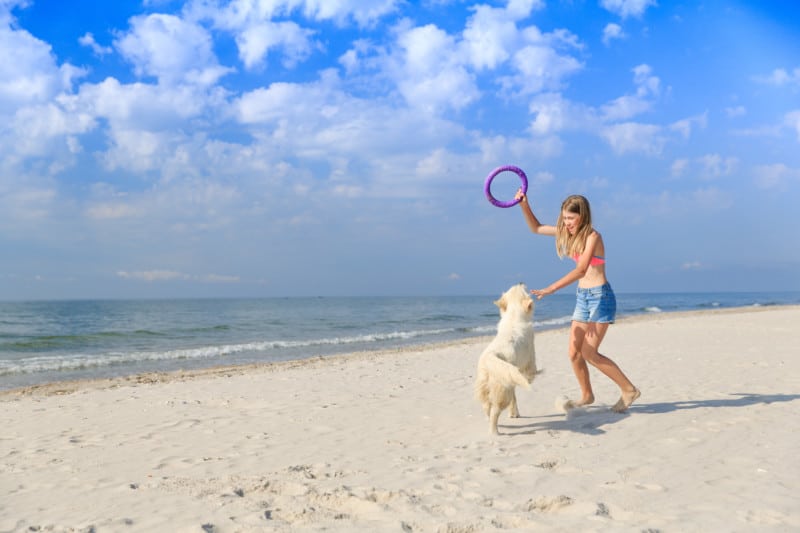
The process of teaching a dog to swim is a collaborative effort. It requires clear communication, patience, and mutual trust. As the dog learns to rely on their owner’s guidance in the water, the bond is inevitably strengthened.
Expanding Recreational Horizons
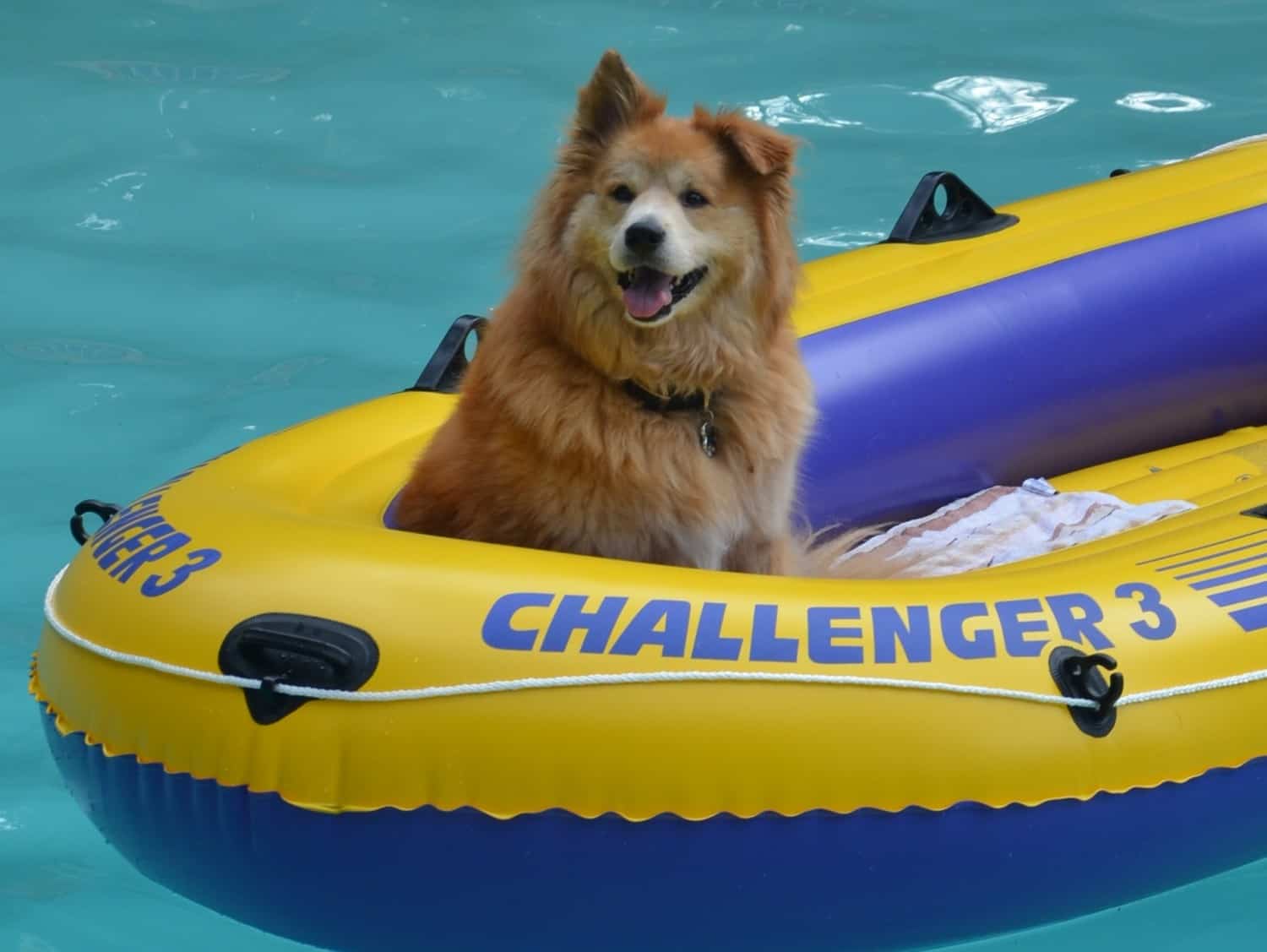
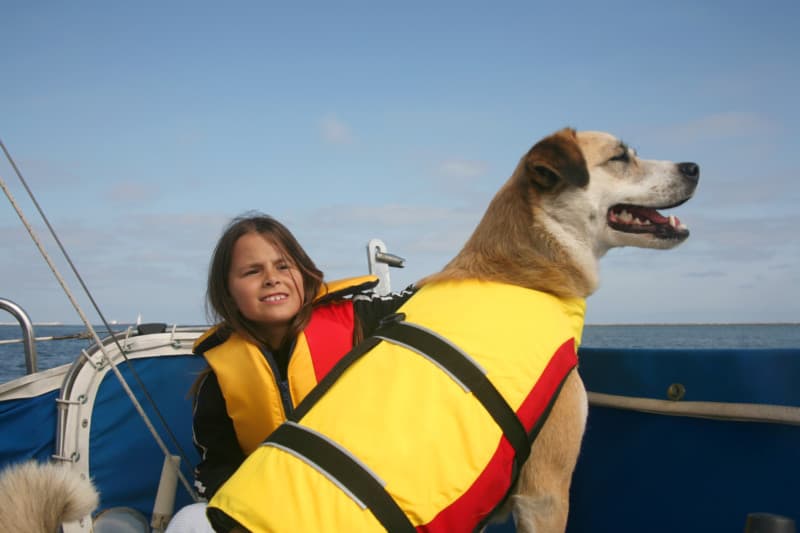
Once a dog is a competent swimmer, a new world of "pet-friendly" travel opens up. Canoeing, kayaking, and paddleboarding become accessible activities. Many owners find that their dogs become the perfect companions for outdoor adventures, turning a simple beach trip into a full day of exercise and bonding.
Physical Longevity
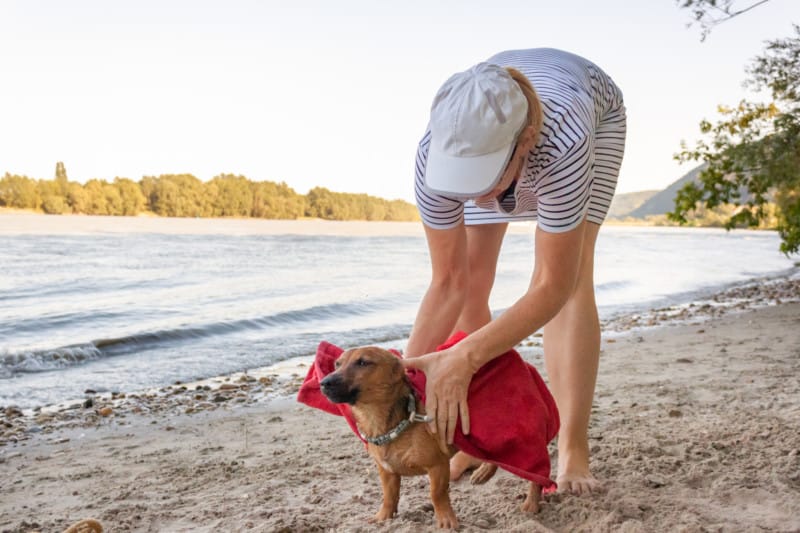
For the aging dog, the ability to swim can extend their years of activity. By allowing them to remain active in a zero-impact environment, owners can keep their dogs mobile and fit well into their senior years. This not only aids in weight management but also helps maintain muscle mass, which is critical for joint stability in older dogs.
Conclusion: Patience is the Key
It is important to remember that not every dog will become a champion swimmer. Some dogs, like the famously water-averse "Myles" mentioned by pet travel experts, will always prefer to keep their paws dry, and that is perfectly acceptable. Forcing a dog to participate in an activity they find stressful is never the goal.
However, for the dogs that take to the water, the journey is one of the most rewarding experiences a pet owner can have. Start slowly, keep your lessons brief, ensure you have an exit strategy, and always monitor your dog for signs of fatigue. By prioritizing safety and keeping the atmosphere light and fun, you set the stage for a lifetime of splashing, swimming, and shared adventures. Whether it is a dock-diving competition or a quiet paddle on a calm lake, the time you invest in your dog’s water education will pay dividends in their health, safety, and happiness for years to come.