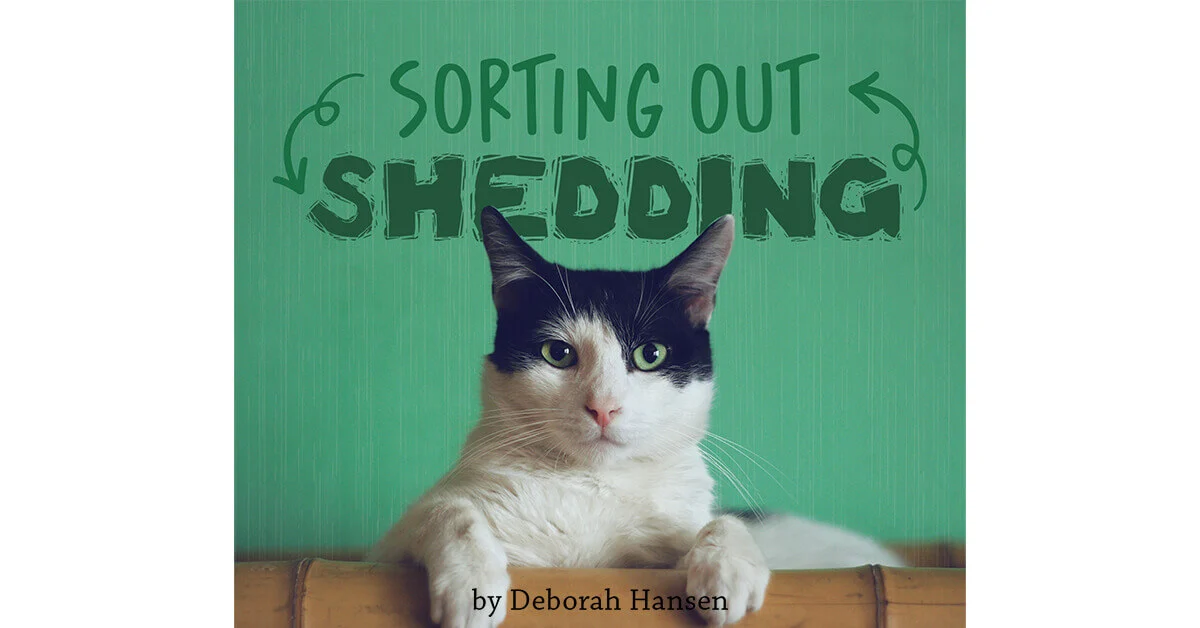
For many cat owners, the sight of a stray tumbleweed of fur drifting across the living room floor is a mundane, if annoying, fact of life. However, for professional groomers, this "shedding season" represents a complex biological rhythm that requires careful management, client education, and a proactive approach to feline health. Misconceptions regarding why cats shed, combined with a lack of awareness regarding the medical risks of excessive shedding, have created a significant gap in the feline care industry.
By deconstructing the biological, environmental, and behavioral drivers of shedding, groomers can transform from simple service providers into essential partners in a cat’s long-term wellness.
The Biological Clock: Why Cats Shed
The most prevalent myth in the pet care industry is that temperature is the primary driver of feline shedding. While owners often blame the summer heat for a sudden influx of loose hair—often leading to the seasonal demand for the "lion cut"—the reality is dictated by the photoperiod.
The Role of Sunlight (Photoperiodism)
Feline hair growth is primarily governed by the number of hours of daylight an animal is exposed to. As days lengthen in the spring or shorten in the fall, the cat’s endocrine system responds to these shifts in light intensity and duration. This biological cue triggers the hair follicle to cycle through its natural stages: growth (anagen), transition (catagen), and rest (telogen).
Professional groomers often note a predictable timeline: when the days reach a peak of "always light" or "always dark," the shedding cycle begins. Within four weeks of these environmental milestones, groomers report a sharp uptick in dead coat volume. By the six-to-eight-week mark, these cycles often manifest as severe matting or pelting, resulting in a surge of appointments for intensive de-shedding or corrective grooming.
The Stress Factor
Beyond the natural biological cycle, stress acts as a significant, albeit unpredictable, catalyst for shedding. A cat’s coat condition can change overnight due to acute stress. Common triggers include:
- The Grooming Journey: The stress of being captured, the anxiety of a car ride, or the unfamiliar environment of a salon can cause a sudden release of hair, often leading owners to mistakenly believe the groomer failed to address the issue.
- Home Environment Disruptions: Significant household changes—such as the arrival of a new pet, the presence of house guests, relocation, or even a sudden shift in the family’s daily routine—can trigger a "stress shed."
It is vital for both groomers and owners to recognize that if a cat is shedding excessively despite a consistent routine, it may be a behavioral symptom of an underlying stressor in the home.
The Medical Implications: Why Shedding Matters
While most families prioritize shedding control for aesthetic reasons—keeping clothes and furniture fur-free—the professional groomer must emphasize the health risks associated with a neglected coat.
The Dangers of Ingestion
Cats are fastidious self-groomers. During periods of heavy shedding, they consume vast quantities of loose hair. While some of this is regurgitated as the classic "hairball," this is not a benign process. Ingested hair follows one of three paths:
- Regurgitation: The expulsion of a hairball, which, while common, indicates an excessive buildup in the stomach.
- Digestion: Passing through the intestinal tract, often appearing in fecal matter.
- Obstruction: The most dangerous outcome, where the hair binds with other contents to form a solid mass that cannot pass through the digestive system.
An internal blockage is a life-threatening medical emergency. If not treated via surgical intervention, these blockages can be fatal. By framing professional grooming as a preventative medical service rather than a cosmetic luxury, groomers provide a necessary health check for the feline.
The Onset of Pelting
When dead hair is not removed, it remains trapped in the healthy, living coat. This creates a scaffolding of debris that leads to matting. As these mats grow, they pull on the cat’s skin, causing pain, restricting blood flow, and creating a breeding ground for skin infections. Once a coat reaches the "pelted" stage—a solid mat covering the skin—it is no longer a grooming issue, but a clinical one that necessitates professional intervention.
The Professional Groomer’s Role: Strategies for Success
To effectively manage shedding, the groomer must offer a tiered approach, educating the client on the limitations of nature and the benefits of professional intervention.
Defining the "Full-Coat Groom"
Confusion often exists regarding the definition of a "full-coat groom." Professionals must clarify that this is not merely a superficial brush-out. A standard of care includes:
- The Prep: A comprehensive comb-out to remove loose debris before the bath.
- The Bath: A minimum of two complete shampooing cycles to ensure the skin is cleaned and the hair follicles are loosened.
- The Drying Process: Utilization of a high-velocity force dryer to push out remaining dead coat that would otherwise stay trapped in the fur.
- The Finish: A final, meticulous comb-out to ensure the coat is free of any remaining dead hair.
The "De-Shed" Add-On
In addition to the standard groom, many professionals are now offering specialized "suction de-shed" services. This involves the use of specialized vacuum-assisted grooming tools that remove hair directly from the follicle during the brushing process.
Visual proof is a powerful tool in client retention. Groomers who present a photo of the cat alongside the resulting pile of fur—demonstrating the volume of dead coat removed—help the owner understand the value of the service. This tangible evidence builds trust, proving that the groomer is actively preventing future health issues.
The Role of the Lion Cut
For cats prone to severe matting or those whose owners struggle to maintain a grooming schedule, the lion cut remains a viable solution. It is essential, however, that owners understand that a lion cut does not stop the hair growth cycle. The hair will continue to grow and shed; the lion cut simply removes the volume of hair available to be shed, providing a 10-to-12-week buffer for the owner.
Bridging the Gap: The Professional-Client Relationship
The groomer’s role is ultimately one of an educator. Because the biological cycle of shedding is a "natural process," there is no singular cure. Instead, the focus should be on management.
Frequency and Customization
Groomers should provide customized schedules based on the cat’s specific coat type and genetics. A short-hair exotic, for instance, may require grooming every two weeks to remain "shed-free," while other breeds may thrive on a ten-week schedule. By analyzing the cat’s coat density and texture, the groomer can set realistic expectations.
Veterinary Collaboration
While grooming can address most shedding concerns, groomers must recognize when a situation requires a veterinarian. If a cat is shedding in patches (alopecia) or shows signs of skin inflammation or discomfort, the groomer’s professional responsibility is to refer the owner to a veterinary clinic. Medical issues, such as hormonal imbalances, nutritional deficiencies, or parasites, can mimic natural shedding and require clinical diagnosis.
Implications for the Future of Feline Care
As the pet care industry continues to evolve, the distinction between "pet grooming" and "pet wellness" is narrowing. The groomer who understands the science behind the shedding cycle is better equipped to handle the emotional and physical needs of the cat.
By shifting the conversation from "getting rid of fur" to "maintaining a healthy integumentary system," groomers can increase the frequency of appointments, improve the quality of life for their feline clients, and provide owners with the peace of mind that comes from proactive, expert care. Ultimately, the groomer’s ability to communicate these complex biological rhythms directly correlates to the longevity of the groomer-client relationship and, more importantly, the comfort and health of the cat.