The pet industry is undergoing a profound cultural shift. No longer viewed merely as functional companions or backyard guardians, pets have been elevated to the status of central family members. This "humanization of pets" has triggered a massive consumer trend: pet owners are increasingly demanding the same level of care, nutrition, and wellness services for their dogs that they prioritize for themselves.
For grooming salon owners, this shift represents more than just a change in preference; it is a significant business opportunity. By transitioning from a standard grooming salon to a specialized "pet spa," business owners can differentiate themselves, increase their service prices, and foster deeper client loyalty.
The Human-Pet Parallel: Understanding the Market Shift
The evolution of the pet industry consistently mirrors human lifestyle trends. As society pivoted toward organic nutrition, high-end skincare, and a focus on holistic wellness, the pet market followed suit. Today’s pet owners are hyper-conscious of the ingredients in their dog’s food and the products used on their fur.
This behavior is not merely vanity; it is an extension of the deep emotional bond between owner and pet. When an owner dresses a dog in a designer outfit or opts for an organic shampoo, they are expressing a desire to provide the "best life possible." Recognizing this psychological driver is the first step for any groomer looking to pivot their business model toward a luxury spa experience.
Creating the Atmosphere: A Sensory Approach
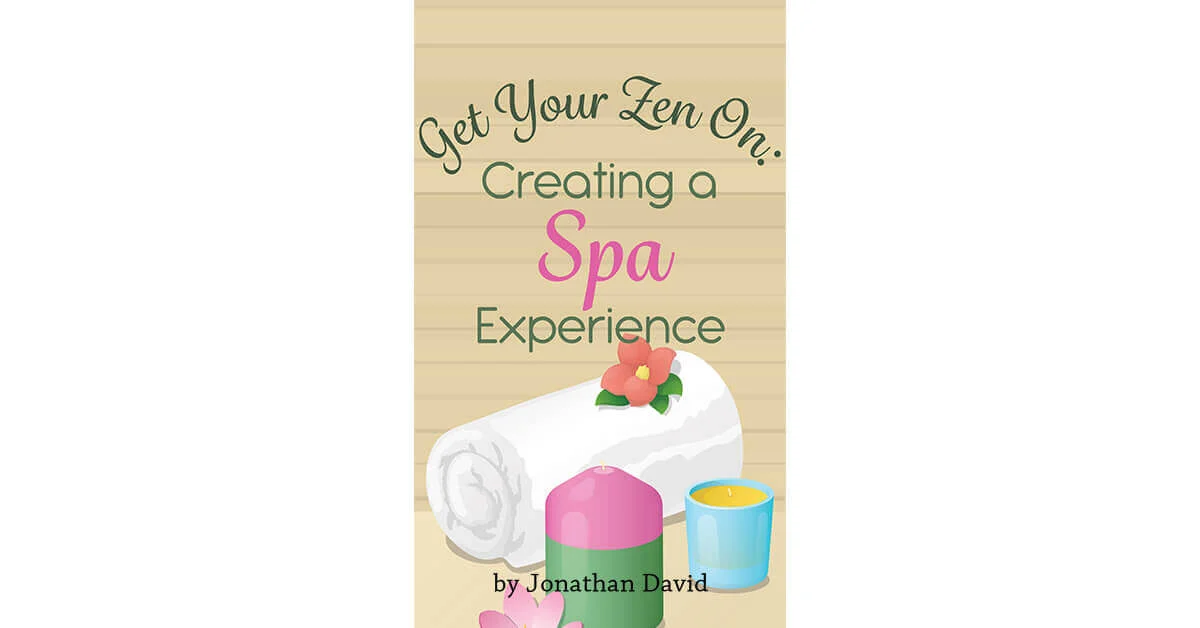
A spa is not defined by its equipment, but by the emotional response it evokes. When a client walks through your door, the experience must trigger three specific states of mind: calm, relaxation, and comfort.
Soundscapes for Serenity
The auditory environment is often the most overlooked aspect of pet retail. Harsh clippers, barking, and industrial fans can create a high-stress environment. Introducing soft, rhythmic, or ambient background music does more than just mask the noise of the salon; it helps regulate the nervous system of both the pet and the owner. The music choice should be curated to be non-intrusive—think classical, lo-fi, or instrumental nature sounds—to ensure that the salon feels like a sanctuary rather than a factory.
The Science of Scent
While a clean, sanitized environment is a baseline requirement, the "sterile" smell of chemical cleaners can be off-putting. The goal is to introduce natural, calming scents that are specifically chosen with canine biology in mind.
It is vital to remember that a dog’s olfactory sense is exponentially more powerful than a human’s. What smells "fresh" to a human might be overwhelming or toxic to a canine. Research suggests that scents like vanilla, coconut, valerian, and ginger have documented stress-reducing properties for dogs. Utilizing high-quality diffusers to introduce these scents can transform a lobby from a transactional space into a therapeutic one.
Professional Expertise: The Role of the Groomer as Consultant
Transitioning to a spa model requires moving beyond the traditional role of a "hair cutter" to that of a "pet wellness consultant." Clients are increasingly looking for guidance on skin health, coat maintenance, and chronic issues like dry pads or plaque buildup.
By positioning yourself as an expert, you create a consultative relationship. When a groomer identifies an ear infection or a skin irritation, the immediate instinct may be to refer the client to a veterinarian. However, many of these issues can be mitigated or managed through consistent, specialized grooming schedules and the application of high-grade, dermatological-focused products. This shift in service—from "cleaning" to "treating"—is where the true value of the spa experience lies.
Supporting Data: Why Spa Services Drive Revenue
The financial implications of adopting a spa-centric business model are significant. Industry data indicates that salons offering tiered service levels—such as basic grooms versus "spa packages"—see a marked increase in the average ticket size.
- Increased Profit Margins: Premium products (mud masks, essential oil treatments, and specialized conditioners) come with higher price points that consumers are willing to pay for perceived added value.
- Customer Retention: Once a client experiences the benefits of a specialized skin treatment or a calming massage for their dog, they are less likely to return to a budget-based groomer. The "niche" nature of your services acts as a moat against local competition.
- Cross-Selling Opportunities: A spa environment naturally lends itself to retail. When a groomer uses a specific therapeutic shampoo, they create a natural bridge to sell that product for home use, creating a secondary revenue stream.
Strategic Implementation: How to Build Your Spa
To successfully implement a spa transition, consider the following chronological roadmap:
- Phase 1: Audit your environment. Remove visual clutter and replace harsh lighting with softer options. Ensure that the lobby is free of strong chemical odors and replace them with natural, pet-safe aromatics.
- Phase 2: Curate your menu. Select three core "spa" services—such as a deep-cleansing mud bath, a paw-moisturizing treatment, or a therapeutic massage—and master them.
- Phase 3: Educate your clientele. Use social media, in-salon signage, and direct conversation to explain the why behind your services. Don’t just sell a "paw treatment"; sell "relief for cracked, painful pads."
- Phase 4: Consistent communication. Every time a pet is dropped off, remind the owner of the available wellness upgrades. Repetition is key to changing consumer behavior.
Implications for the Industry
The shift toward the "pet spa" is not a temporary trend; it is a permanent adjustment in the standard of care. As groomers, the industry is moving away from a high-volume, low-cost model toward a boutique, experience-driven model. This requires a higher level of education, a commitment to high-quality ingredients, and a dedication to the holistic health of the animals in your care.
For business owners, the implication is clear: those who fail to innovate and offer these specialized, wellness-oriented experiences risk losing their share of the market to competitors who understand that today’s pet owners are no longer buying a haircut—they are buying a sense of peace, health, and luxury for their most cherished companions.
Final Thought: The Bottom Line
Ultimately, the success of the spa-inspired salon rests on the genuine care provided to the animal. When the groomer takes the time to perform a thorough skin assessment, applies a soothing, moisturizing treatment, and works in a calm, controlled environment, the pet feels the difference. The owner notices the difference in the pet’s mood and coat quality, and the business sees the difference in the bottom line.
By embracing this professional evolution, groomers are not just improving their own businesses—they are elevating the quality of life for the pets they serve. Whether it is through a hot-oil treatment for a dog with dry skin or simply creating an atmosphere where a nervous dog can finally relax, the "spa" label is a promise of quality that is currently defining the next era of the pet industry.