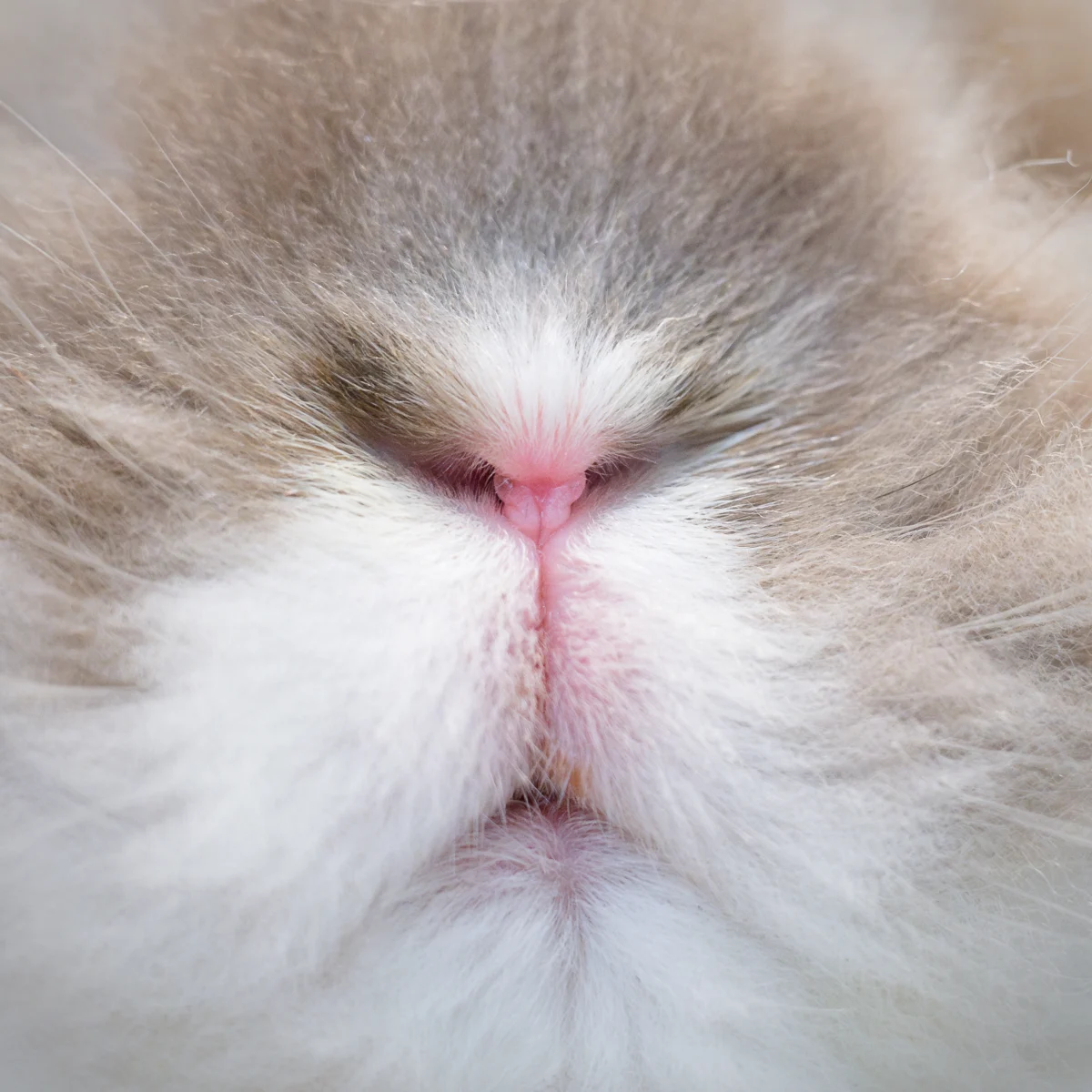
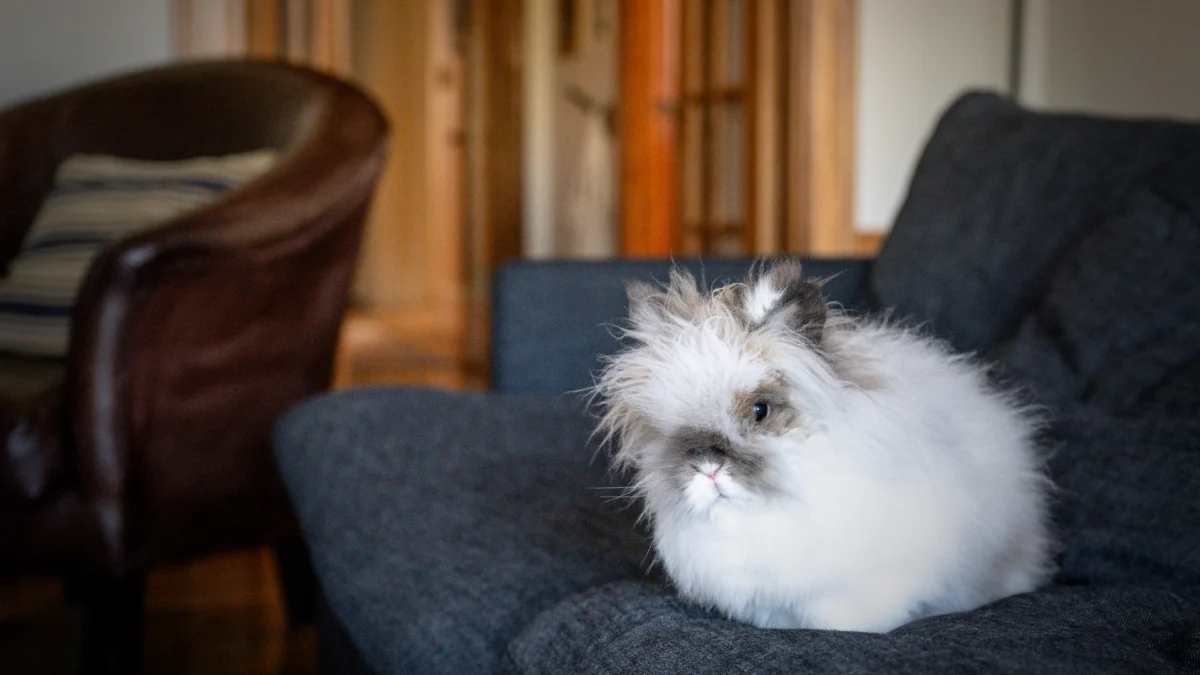
The Lionhead rabbit, with its distinctive halo of fur and expressive, gentle demeanor, has become a staple of social media feeds and pet store windows. Yet, beneath this irresistibly "storybook" appearance lies a complex, high-maintenance reality that many prospective owners are woefully unprepared for. As rescue organizations across the country grapple with an influx of surrendered, matted, and medically neglected Lionheads, the rabbit welfare community is sounding an urgent alarm: the impulse-buy culture surrounding these animals is fueling a quiet, yet devastating, welfare crisis.
Main Facts: The Burden of Beauty
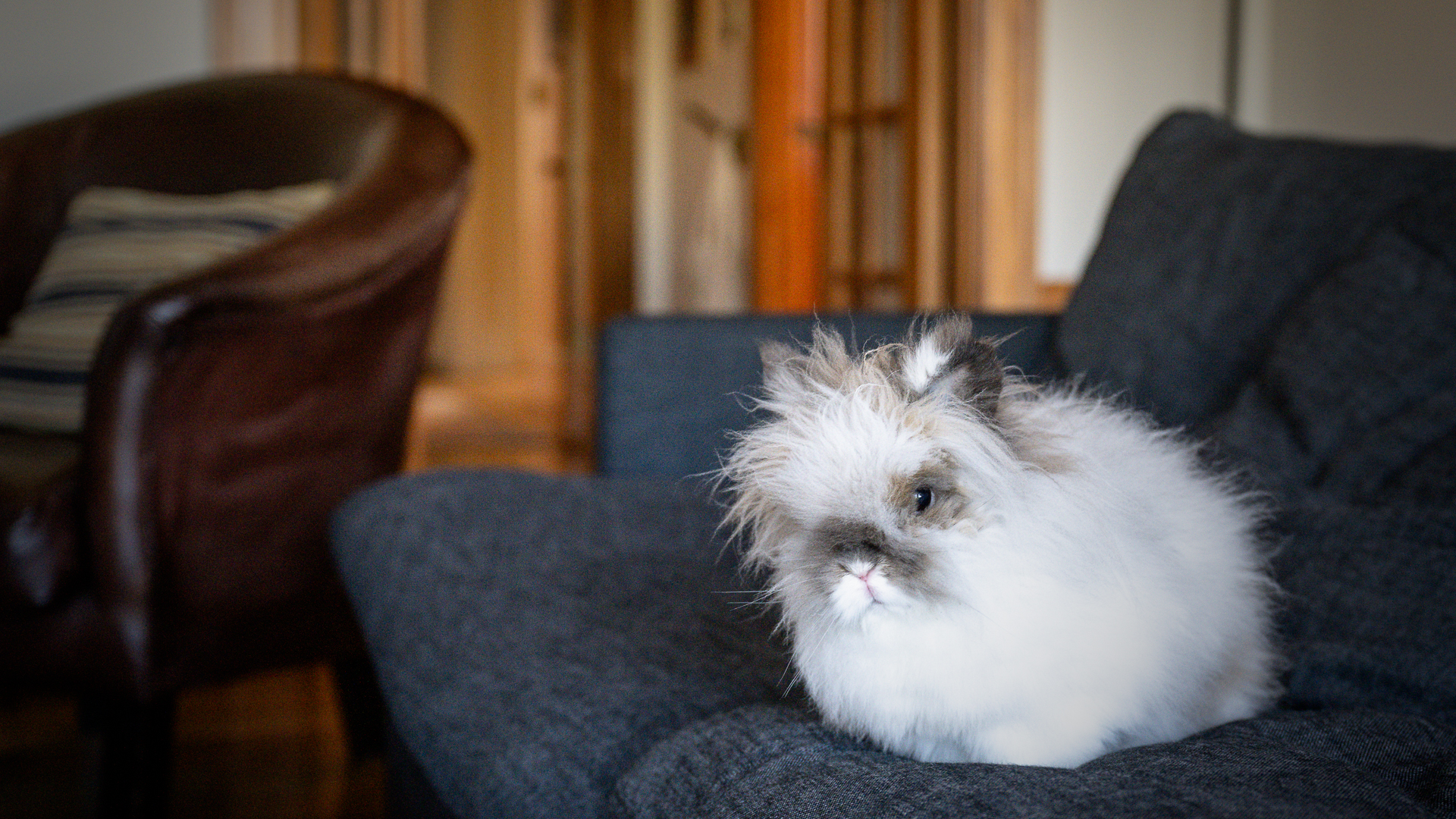
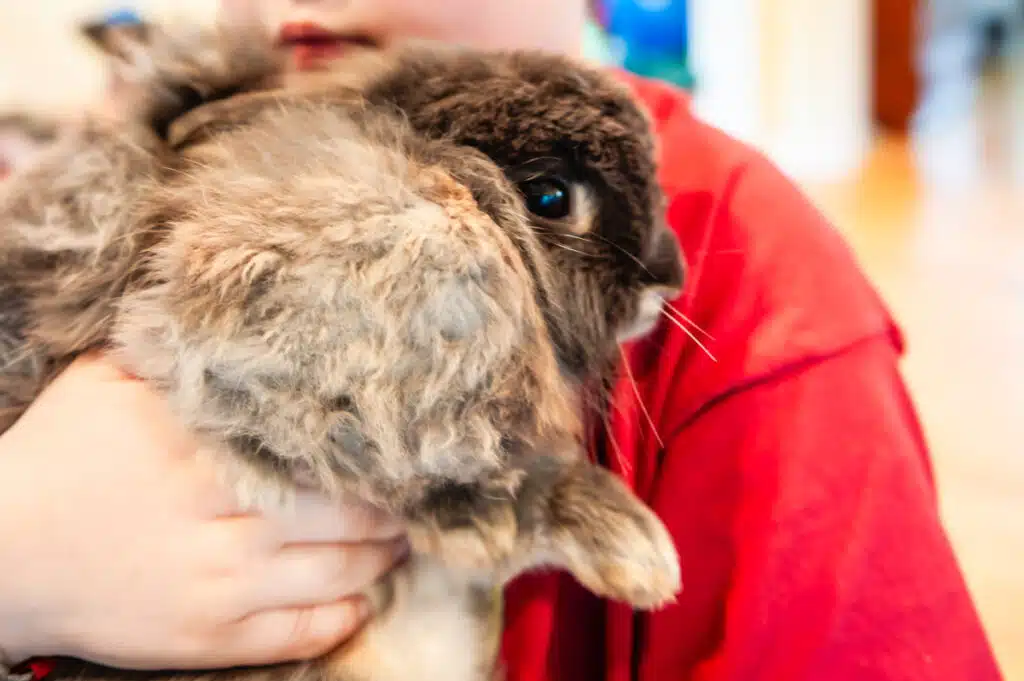
The Lionhead breed is defined by its genetic mutation, which creates a dense "mane" of woolly fur around the head, and often, a "skirt" of longer hair around the flanks. While visually stunning, this specialized coat is a significant departure from the grooming needs of standard rabbit breeds.
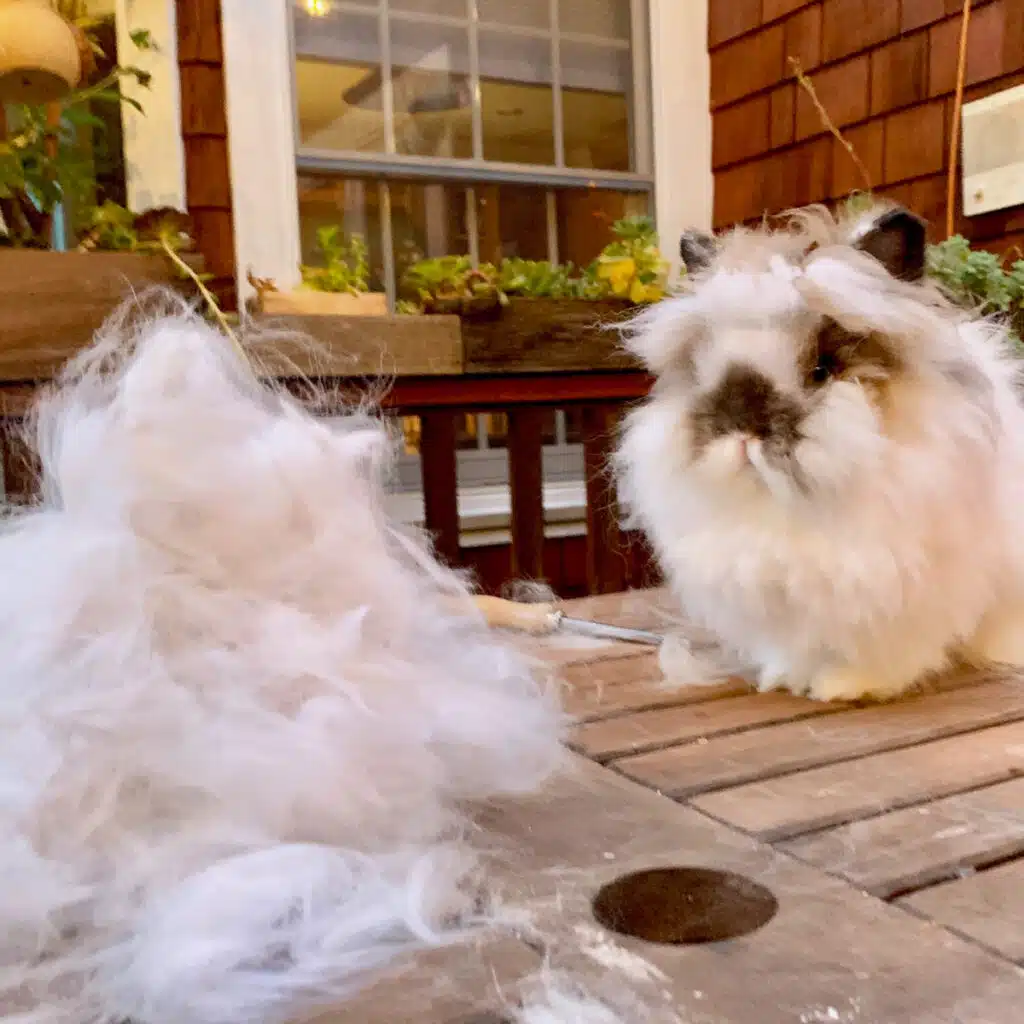
Unlike shorthaired rabbits, which are largely self-grooming, the Lionhead requires an intensive, daily commitment from its human guardian. If left unbrushed, their fine, long fur quickly mats. These mats are not merely aesthetic flaws; they are painful, tight knots of hair that pull against the rabbit’s delicate, paper-thin skin. Over time, these mats can become so severe that they restrict movement, trap feces and urine, and mask underlying skin infections or parasitic infestations like flystrike—a lethal condition where flies lay eggs in damp, matted fur, leading to tissue necrosis.
Chronology: The Lifecycle of an Impulse Buy
To understand the crisis, one must look at the typical trajectory of a "store-bought" Lionhead:
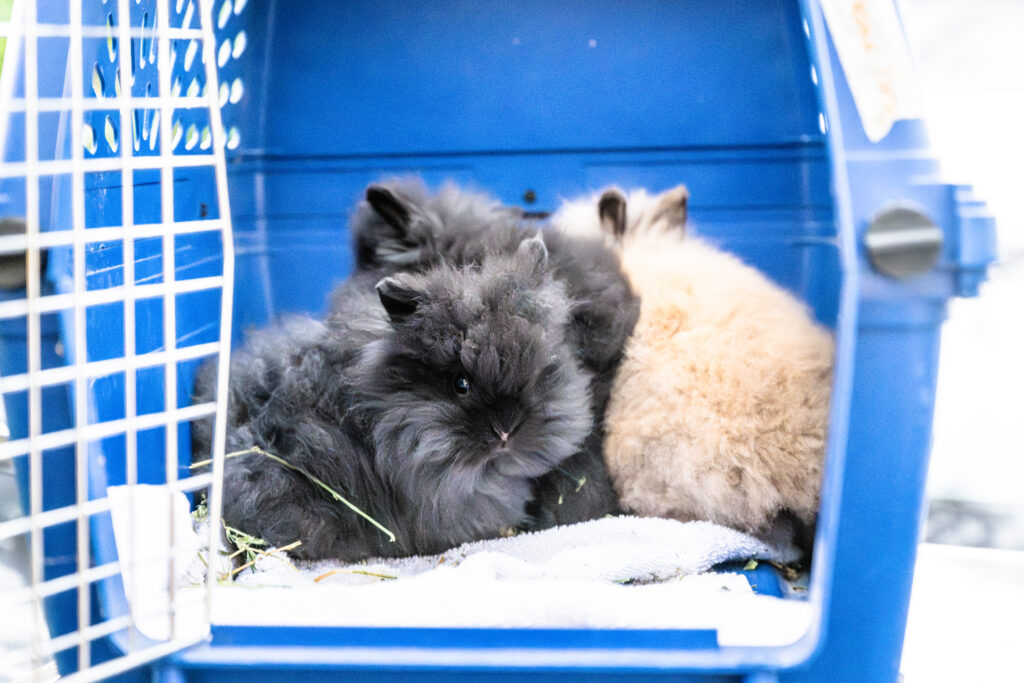
- The Impulse Purchase: A customer enters a retail environment, often a big-box pet store or a high-volume chain, and is immediately drawn to the "cuddly" appearance of a young, baby Lionhead.
- The Information Gap: Retail staff, often incentivized by sales targets, frequently fail to disclose the specialized grooming, dietary, and space requirements. The rabbit is sold as a "starter pet" or an "easy" animal for a child.
- The Adolescence Crisis: As the rabbit reaches maturity, its coat changes texture and thickness. The owner, unprepared for the time commitment, begins to skip brushing sessions.
- The Physical Decline: Within months, the rabbit develops mats. These mats cause pain, which in turn leads to behavioral changes—the rabbit may become aggressive or "grumpy" due to chronic discomfort.
- The Surrender: Unable to manage the animal’s needs or unwilling to pay for professional veterinary care to treat the resulting health issues, the owner surrenders the rabbit to a local rescue or, in tragic cases, abandons it.
Supporting Data: The Scale of the Problem
According to data from national rabbit welfare organizations, the Lionhead population in shelters has spiked significantly over the last five years. In many urban rescue centers, Lionheads and other long-haired breeds (such as Angoras and Jersey Woollies) now constitute a disproportionate percentage of incoming rabbits.
Veterinary professionals report that the cost of rehabilitating a severely matted, neglected Lionhead can exceed $500–$1,000 per animal. This includes sedation for safe removal of pelted fur, treatment for secondary skin infections, and the standard spay/neuter surgeries that many pet stores fail to provide prior to sale. The economic burden falls almost exclusively on non-profit, volunteer-run rescues, which operate on thin margins and depend entirely on community donations.
Official Perspectives: The Retail Conflict
The debate over the sale of rabbits in retail stores has reached a fever pitch. Organizations like the House Rabbit Society have long campaigned against the mass-market sale of rabbits, citing the inherent incompatibility between the needs of the animal and the business model of the pet industry.
"When you buy a rabbit from a pet store, you are participating in a cycle of overbreeding," says Paige K. Parsons, a prominent advocate in the field. "These stores often procure animals from large-scale commercial breeders who prioritize quantity over health and temperament. The rabbits are frequently weaned too early, under-socialized, and suffer from the stress of transit, which weakens their immune systems before they even arrive at the store."
Retail chains such as Petland and Tractor Supply have faced increasing scrutiny for their continued sale of small animals. Activists argue that these establishments rarely provide the specialized education required to keep a long-haired rabbit healthy. The advocacy group "Stop Petland Rabbit Sales" has spearheaded a Change.org petition, urging these corporations to replace the sale of live animals with adoption partnerships with local shelters. This transition would not only alleviate the burden on rescues but would also ensure that prospective owners receive the necessary counseling and education before taking a life home.
The Reality of Living with a Lionhead
Despite the challenges, proponents of the breed emphasize that with the right care, Lionheads make exceptional, highly intelligent companions. "They are not ‘cage pets,’" explains one rescue coordinator. "They are social, curious, and deeply affectionate animals that thrive when they are integrated into the home environment."
For those committed to the breed, the requirements for success are clear:
- Daily Grooming: A dedicated session every day to prevent matting.
- Specialized Tools: Access to high-quality grooming brushes and, in some cases, professional-grade clippers for maintenance.
- Indoor Housing: Large, safe enclosures that allow for free-roaming and social interaction.
- Dietary Precision: Unlimited access to fresh timothy hay, which is essential for digestive health, supplemented by high-quality pellets and leafy greens.
Implications: A Call to Action
The crisis facing the Lionhead rabbit is a microcosm of a larger issue in modern society: the commodification of living creatures. When animals are treated as seasonal toys or shelf-ready products, their complex biological and psychological needs are relegated to an afterthought.
The path forward requires a multi-pronged approach:
- Legislative Reform: Increasing local and state regulations on the sale of small animals in retail environments.
- Consumer Education: Shifting the cultural narrative from "buying a pet" to "adopting a companion." Potential owners must understand that a rabbit is a 10-year commitment that requires as much, if not more, attention than a dog or cat.
- Institutional Accountability: Holding major pet retailers responsible for the animals they sell and encouraging them to adopt a "rescue-first" model.
Ultimately, the goal is to ensure that the Lionhead is valued for its sentience rather than its aesthetic appeal. The "mane" that makes them so beloved should not be the reason for their suffering. By choosing to adopt through reputable rescues, prospective owners gain more than just a pet; they gain a partner in education, ensuring that the rabbit receives the care it deserves and the guardian receives the support they need.
For those ready to make that commitment, the reward is a life-long bond with one of the most charming and affectionate creatures in the animal kingdom. But the decision must be made with eyes wide open—understanding that the beauty of the Lionhead is a responsibility, not a luxury.