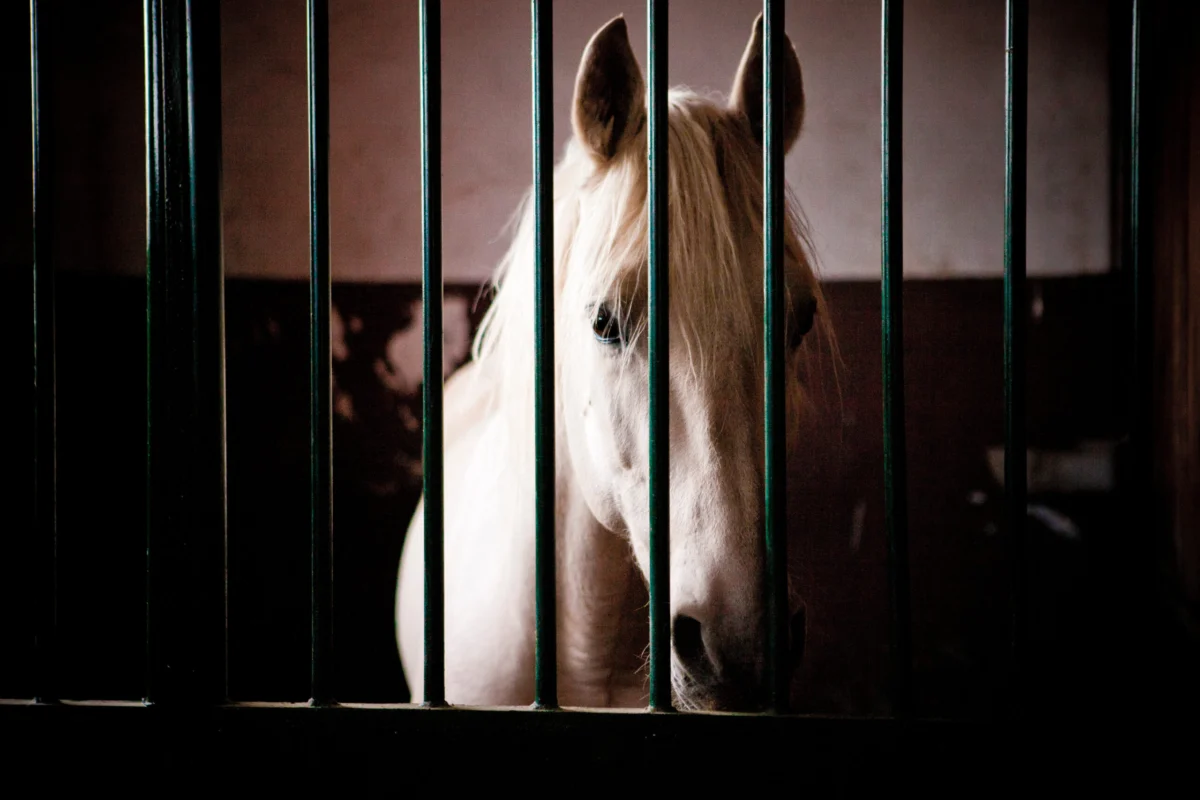
OSCEOLA COUNTY, FL – The Florida Department of Agriculture and Consumer Services (FDACS) has confirmed a tragic and sobering development in the state’s ongoing battle against mosquito-borne pathogens. A horse located in Osceola County has been euthanized following a confirmed diagnosis of Eastern equine encephalitis (EEE). This latest incident marks the third confirmed case of the virus in Florida for the 2026 calendar year, serving as a stark reminder of the persistent threat posed by the disease to the equine population.
The report, disseminated through the Equine Disease Communication Center (EDCC) Health Watch program, highlights the critical intersection of environmental conditions and veterinary public health. As Florida enters a period often associated with increased vector activity, equine owners and facility managers are being urged to heighten their vigilance and review their preventative care protocols.
Main Facts: A Preventable Tragedy
Eastern equine encephalitis is a viral disease that remains a significant concern for veterinarians and animal owners across the United States, particularly in the Southeast. The virus is transmitted through the bite of infected mosquitoes, which serve as the primary vector. In the case of the Osceola County horse, the severity of the neurological symptoms—a hallmark of EEE progression—left veterinarians with no viable treatment options, leading to the difficult decision of euthanasia.
It is important to note that horses do not transmit the virus to other horses, nor can they pass the infection to humans. The virus requires a complex cycle involving wild birds and specific species of mosquitoes. When a mosquito feeds on an infected bird and subsequently bites a horse or a human, the virus can be introduced into the host. Because horses and humans are considered "dead-end hosts," the virus does not reach high enough concentrations in the bloodstream to be further transmitted to others. Despite this, the mortality rate for EEE in unvaccinated horses is staggering, frequently exceeding 90%.
Chronology of the 2026 Outbreak
The confirmation of this case in Osceola County follows a pattern of localized outbreaks that have historically plagued Florida’s equestrian landscape. While the state’s agricultural authorities have not yet released the specific date of the initial onset of symptoms, the notification confirms that 2026 is trending similarly to previous years regarding the timing of EEE activity.
- Early Season Monitoring: Throughout the winter months, state entomologists and veterinary officials monitored mosquito populations, noting that warmer-than-average temperatures in parts of the state likely contributed to early vector activity.
- The First and Second Cases: Prior to the Osceola County diagnosis, two other cases were confirmed in different jurisdictions earlier this year. These early reports triggered increased surveillance by the FDACS.
- The Osceola Incident: Upon the presentation of clinical signs consistent with encephalitis—such as loss of coordination, head pressing, depression, and eventual recumbency—the attending veterinarian initiated testing protocols. The confirmation from state laboratories followed, resulting in the immediate notification of local authorities and the public.
Supporting Data: Understanding the Vector-Host Cycle
To grasp the gravity of this situation, one must understand the ecological dynamics of EEE. The virus is maintained in nature through a cycle involving the Culiseta melanura mosquito and various passerine bird species. These birds are the natural reservoir for the virus, typically showing no signs of illness.
However, when environmental factors—such as heavy rainfall followed by warm, stagnant weather—lead to an increase in mosquito populations, the virus can "bridge" to other species. Bridge vectors, such as Coquillettidia perturbans and Aedes species, are responsible for transmitting the virus from birds to mammals.
The Role of Vaccination
The single most effective tool in the equine owner’s arsenal is vaccination. Unlike some equine viruses that offer partial protection, the EEE vaccine is highly effective and widely considered a core vaccine by the American Association of Equine Practitioners (AAEP). The standard protocol usually involves an initial series followed by annual or semi-annual boosters, depending on the geographical risk. In regions like Florida, where the virus is endemic and mosquitoes are active year-round, many veterinarians recommend more frequent, semi-annual vaccination schedules.
Official Responses and Public Health Protocols
Following the confirmation in Osceola County, the Florida Department of Agriculture and Consumer Services has reiterated its commitment to public education and disease surveillance. While the department does not typically release the precise location of private farms to protect the privacy of owners, they do provide county-level data to help other horse owners in the region assess their own risk levels.
Veterinary professionals are emphasizing that owners should not wait for an outbreak to occur before contacting their veterinarian. "Vaccination is not a one-time event," says one local equine health expert. "It is a continuous strategy. If your horse’s vaccine status is unknown, or if they have not been vaccinated in the last six months, they are effectively unprotected against this lethal virus."
The EDCC, which facilitates these health alerts, operates as an independent nonprofit organization. By providing a centralized hub for disease information, they ensure that veterinarians, horse owners, and state officials are operating from a shared knowledge base, which is vital for limiting the spread of infectious diseases.
Implications for Equine Management
The presence of EEE in Osceola County has profound implications for how horse owners should manage their properties during the remainder of the year. Beyond vaccination, the following mitigation strategies are recommended:
1. Vector Control
Reducing mosquito breeding grounds is essential. This includes:
- Drainage: Removing standing water in old tires, buckets, troughs, and clogged gutters.
- Maintenance: Keeping grass trimmed and clearing brush where mosquitoes may harbor during the heat of the day.
- Facility Improvements: Installing fans in stalls to create high-airflow environments, as mosquitoes are generally weak fliers and struggle to navigate in windy conditions.
2. Physical Barriers
Utilizing fly sheets, masks, and environmental repellents can provide an additional layer of protection. While these are not a substitute for vaccination, they reduce the overall number of mosquito bites, thereby lowering the cumulative risk of pathogen transmission.
3. Vigilance and Reporting
Horse owners must become adept at recognizing the early clinical signs of EEE. Because the virus affects the central nervous system, symptoms often manifest as behavioral changes. These can include:
- Hyperexcitability or extreme depression.
- Ataxia (stumbling or loss of coordination).
- Head pressing or circling.
- Inability to swallow or drooling.
- Paralysis and death.
Any horse exhibiting these symptoms should be isolated immediately, and a veterinarian must be contacted without delay. Early reporting allows state officials to track the spread of the virus and alert neighboring farms, potentially saving other animals from infection.
Conclusion: The Path Forward
The death of a horse due to EEE is a painful event for any owner and a reminder of the fragility of animal health in the face of zoonotic threats. As we look ahead through 2026, the data suggests that EEE will remain a constant presence in the Florida landscape.
The combination of climate change, which may be extending the breeding season for mosquitoes, and the constant migration of avian reservoirs means that the risk of EEE is likely to persist. However, through rigorous vaccination schedules, proactive mosquito management, and a commitment to shared information, the equine community can significantly mitigate these risks.
The EDCC Health Watch remains an essential resource for the industry. By remaining informed and acting decisively, owners can ensure that they are doing everything in their power to protect their horses from this devastating, yet preventable, disease. The third case of 2026 serves not as a cause for panic, but as a call to action: check your vaccination records, consult your veterinarian, and secure your facilities against the mosquito threat.