By the Travel & Lifestyle Desk
Published: October 2023
Main Facts
The prospect of boarding an aircraft with a domestic animal can induce a wave of anxiety in even the most seasoned globetrotters. Navigating the labyrinth of airline restrictions, veterinary requirements, and the fundamental concern for animal welfare during transit often leads pet owners to reconsider flying altogether. However, when time constraints or vast geographical distances make driving impractical or impossible, air travel becomes the primary option.
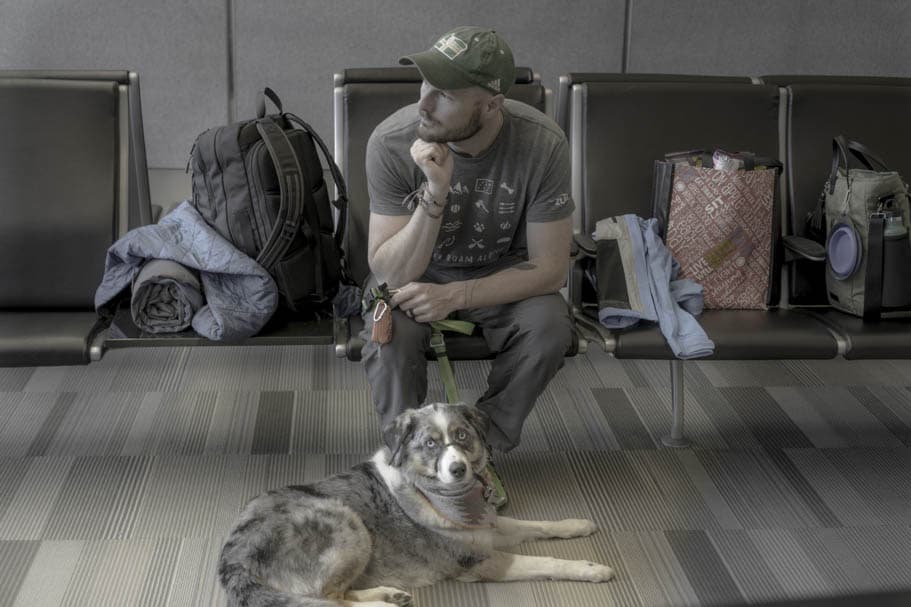
Industry data indicates that millions of pets travel safely via commercial airlines annually within the United States alone. While media coverage frequently highlights isolated incidents or rare mishaps, the overwhelming majority of animals arrive at their destinations without incident. Ensuring a secure and comfortable journey begins well before arriving at the airport terminal. Comprehensive research into specific airline policies, proactive consultations with veterinary professionals, and meticulous preparation form the foundation of a successful trip. By adhering to established best practices from experienced pet owners and aviation experts, travelers can significantly mitigate stress for both themselves and their animal companions.
Chronology: The Timeline of Preparation
Preparing an animal for commercial air travel cannot be done overnight. A structured, chronological approach is critical to ensuring compliance with regulations and reducing the psychological toll on the animal.
Months to Weeks Before Departure: Research and Booking
- Initial Veterinary Consultation: The journey begins in the veterinarian’s office. Owners must verify that their pet is in optimal physical health to endure the stresses of air travel.
- Booking Early: Airlines enforce strict quotas on the number of animals permitted per flight—both in the cabin and in the cargo hold. Securing reservations months in advance is vital, particularly for international flights or destinations with complex quarantine and import regulations, such as Hawaii.
- Breed Restrictions Check: Owners must immediately verify whether their pet’s breed is permitted to fly. Brachycephalic (short-nosed) breeds—such as French Bulldogs, Pugs, and Persian cats—face stringent seasonal or permanent bans due to respiratory vulnerabilities at high altitudes.
Weeks to Days Before Departure: Acclimation and Paperwork
- Kennel Training: Introduce the travel carrier weeks in advance. The goal is to transform the kennel into a portable "safe space" or den. Owners should feed the pet inside the crate, add familiar bedding and toys, and gradually increase the duration the door remains closed.
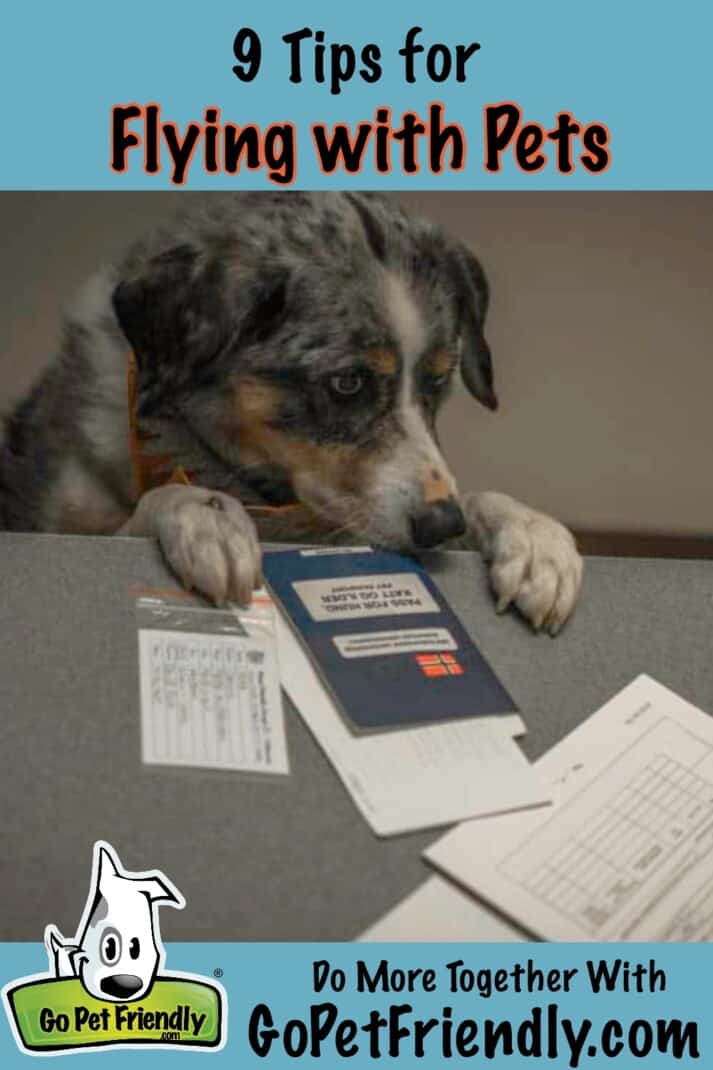
- Health Documentation: Schedule a final veterinary appointment close to the departure date. Many carriers mandate a health certificate issued within ten days of the flight. Cross-reference these requirements with the state veterinarian’s office at the final destination.
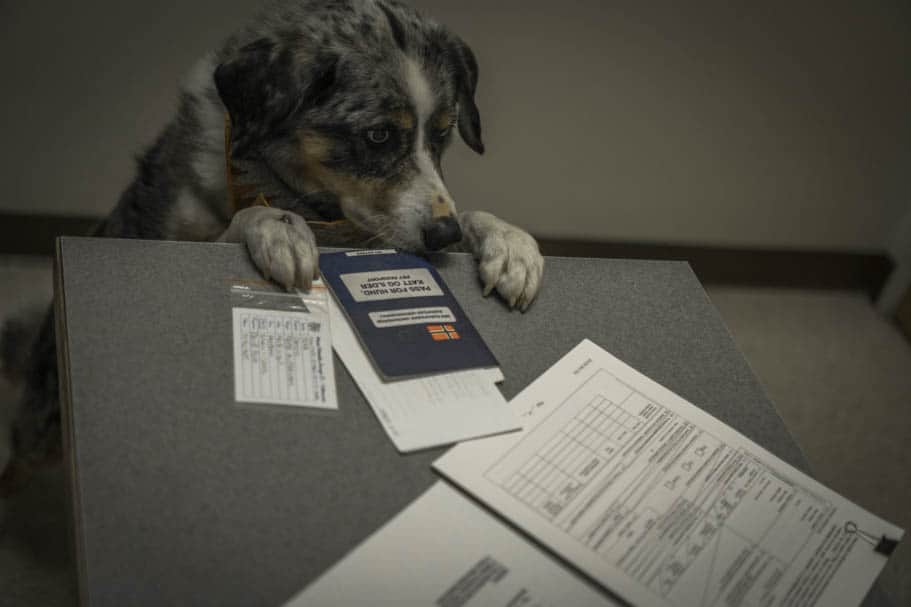
- Pre-Flight Packing: Organize all health records, vaccination certificates, and airline-required permits into an easily accessible folder or document pouch to present during check-in and security screenings.
Supporting Data & Regulatory Landscape
Understanding the operational metrics and policies of commercial aviation regarding live animals helps contextualize the importance of preparation.
Airline Policies and Cabin vs. Cargo
Commercial carriers generally divide pet travel into two categories: in-cabin and checked baggage/cargo.
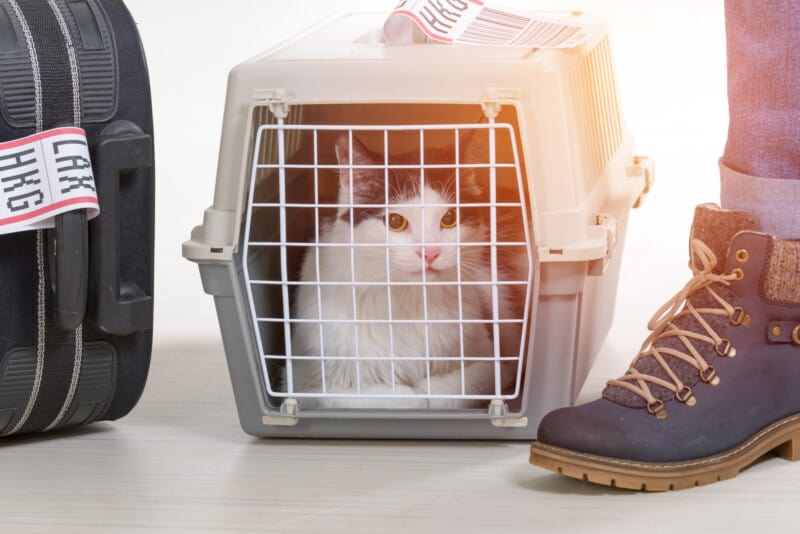
- In-Cabin Travel: Typically restricted to small dogs and cats that can comfortably fit inside an approved soft-sided or hard-sided carrier beneath the seat in front of the passenger. Weight limits usually range between 20 to 30 pounds, inclusive of the carrier.
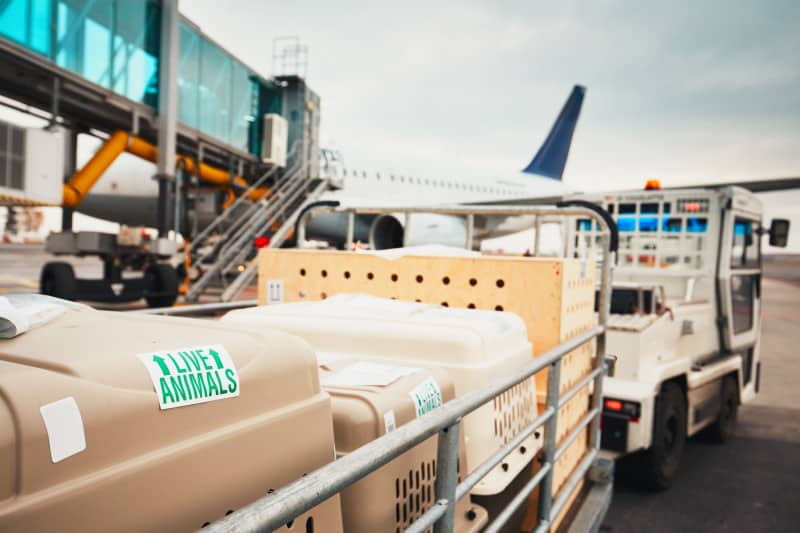
- Cargo Hold Travel: Designated for larger animals. Modern cargo holds on commercial aircraft are typically pressurized and temperature-controlled, mirroring the conditions of the main cabin. However, environmental variables on the tarmac during boarding and deplaning make timing and weather critical factors.
Veterinary Statistics on Sedation
According to the American Veterinary Medical Association (AVMA), veterinarians strongly discourage the routine use of sedatives or tranquilizers for pets flying in cargo or the cabin. Sedation can impair an animal’s natural ability to regulate its body temperature at high altitudes and can negatively impact cardiovascular and respiratory function. Instead, behavioral conditioning and natural calming aids are recommended.
Official Responses and Expert Recommendations
Aviation authorities, veterinarians, and animal welfare organizations offer unified guidance on optimizing safety and comfort during transit.
The Stance on Sedation and Anxiety Management
The Federal Aviation Administration (FAA) and major veterinary bodies maintain that tranquilizers should only be administered under very specific, direct instructions from a licensed veterinarian who has evaluated the animal’s fitness for flight.
Dr. Sarah Jenkins, an avian and exotic animal practitioner who consults on travel logistics, notes:
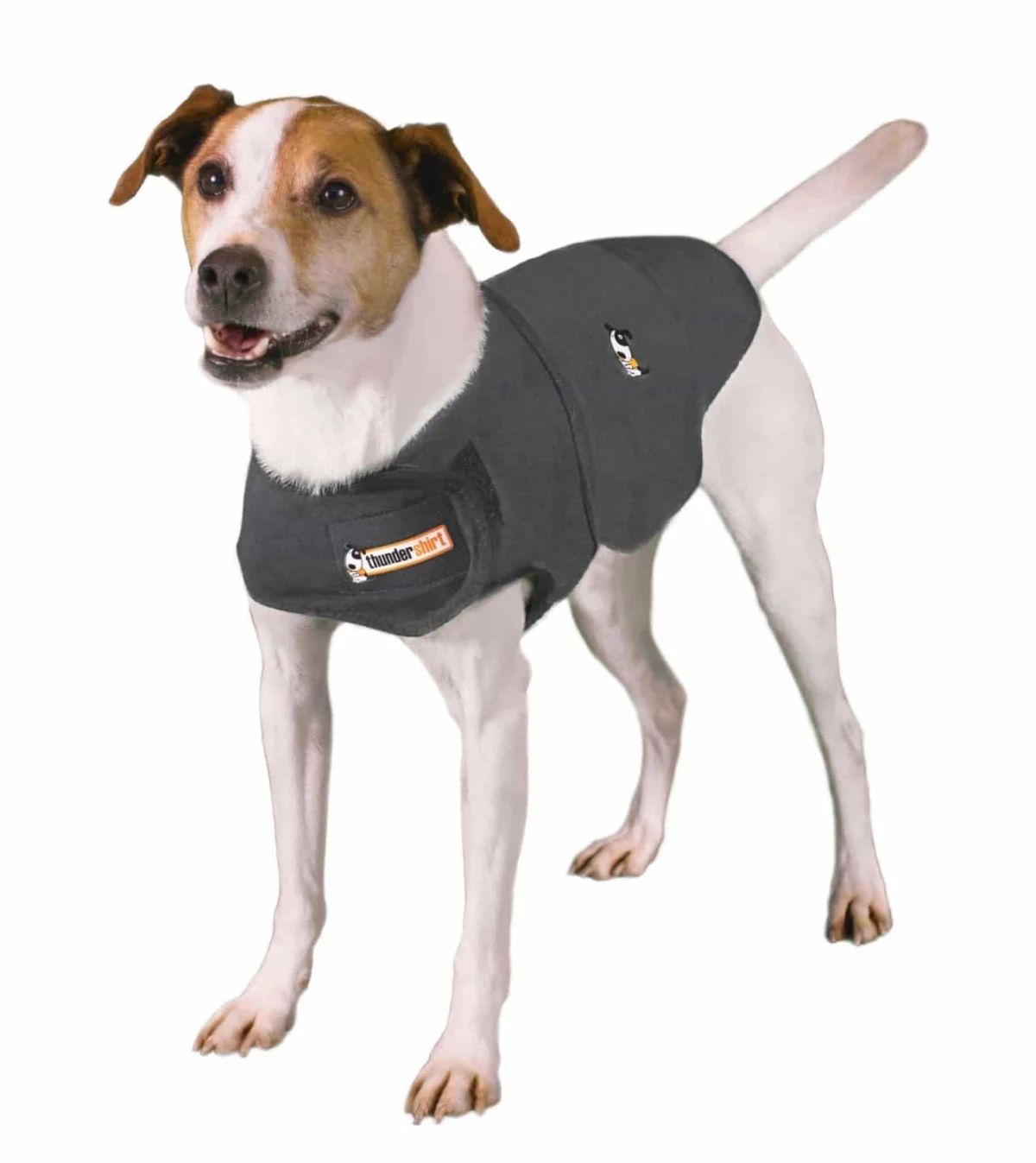
"The physiological stress of flight combined with central nervous system depressants creates an unpredictable risk profile. We encourage owners to rely on gradual desensitization to the carrier, anti-anxiety wraps like thunder shirts, or natural calming supplements rather than pharmaceutical knock-outs."
Airport Infrastructure and Pet Relief
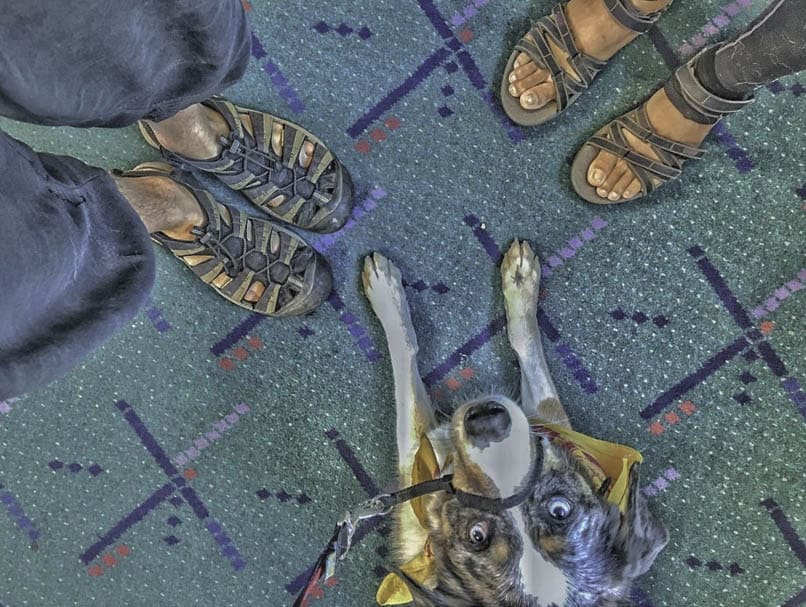
Major international and domestic airports have increasingly invested in animal welfare infrastructure. Federal regulations mandate that commercial service airports provide accessible animal relief areas inside the secure terminal areas. These spaces allow animals to eliminate waste during layovers without forcing passengers to exit security and re-enter through TSA checkpoints.
Implications for Travelers
Adopting a methodical, proactive approach to flying with pets transforms a daunting logistical challenge into a manageable, predictable experience.
Minimizing In-Flight Discomfort
Just as human passengers experience barotrauma—pressure equalization issues in the inner ear during ascent and descent—pets face the same physiological sensation. Giving a dog or cat a durable chew toy or specialized chewy treat during takeoff and landing encourages swallowing, which naturally equalizes ear pressure and reduces distress.
Logistics at the Terminal
- Early Boarding Requests: Travelers with pets should proactively speak with gate agents upon arrival at the terminal. Many airlines permit pre-boarding for passengers traveling with animals, providing the necessary time to navigate carry-on luggage, secure the pet carrier under the seat, and settle the animal before the rush of general boarding.
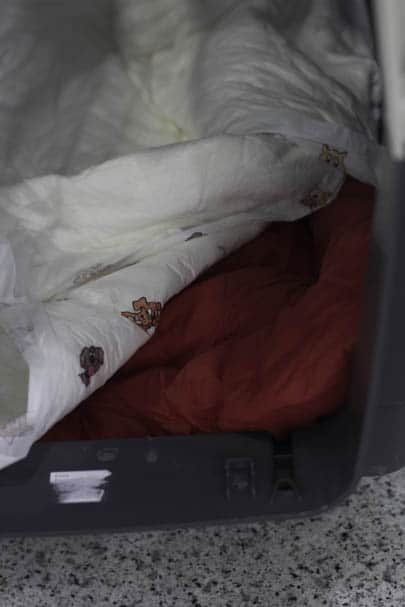
- Contingency Planning: Accidents happen, regardless of how well-trained an animal is. Lining the bottom of the pet carrier with absorbent puppy pads beneath a comfortable pet bed ensures that any unexpected digestive or urinary accidents can be managed swiftly and cleanly mid-flight.
- Accessibility of Documents: Keeping health certificates, vaccination records, and airline reservation confirmations in an outer pocket of the carry-on prevents bottlenecks during check-in, security checks, and gate inquiries.
By respecting the timeline of preparation, honoring veterinary guidelines regarding health and behavioral conditioning, and familiarizing oneself with airport infrastructure, pet owners can ensure a safe, efficient, and relatively stress-free journey across the skies.