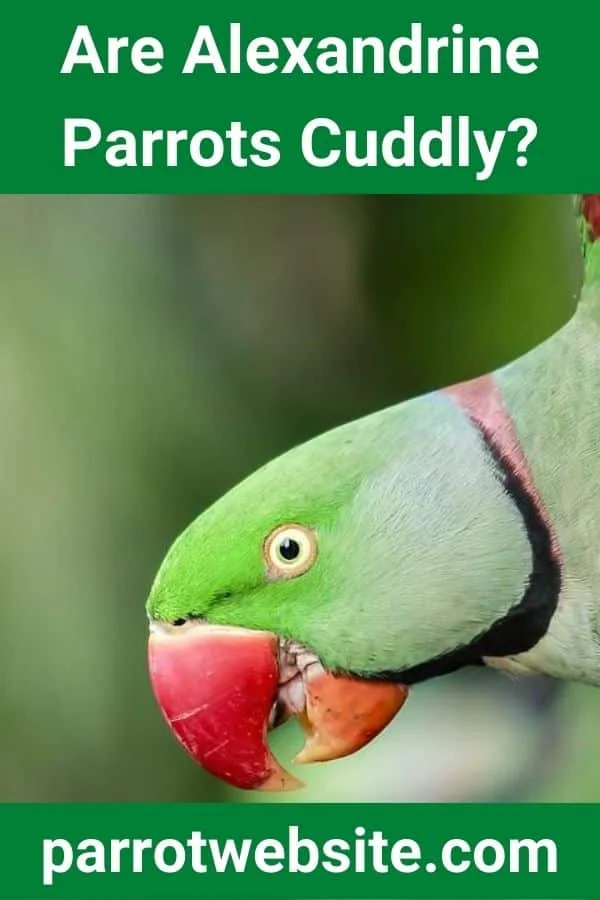
Losing a long-term avian companion is a profound experience that leaves a silence in the home that is difficult to fill. For many bird enthusiasts, the search for a new companion is not merely about finding a pet, but about seeking a personality that complements their lifestyle and emotional needs. Among the species often considered by prospective owners, the Alexandrine parakeet (Psittacula eupatria) stands out for its regal appearance, intelligence, and vibrant vocalizations.
However, a common question arises among prospective owners: Are Alexandrine parrots cuddly? To understand this breed, one must look beyond simple affection and delve into the complex psychology of one of nature’s most intelligent social creatures.
Main Facts: Understanding the Alexandrine Temperament
The Alexandrine parakeet is a large, striking bird known for its impressive tail feathers and the iconic ring around the necks of the males. Native to South and Southeast Asia, these birds are renowned for their high intellect and capacity for speech.
In terms of temperament, the primary fact to establish is that affection and "cuddliness" are not synonymous. Alexandrine parrots are deeply affectionate creatures that crave the presence of their "flock"—their human caregivers. They express this through proximity, vocal engagement, and playful interaction. However, unlike species such as the cockatoo or the conure, which may actively seek out physical contact or "nestle" into a human’s neck, the Alexandrine typically prefers a more independent form of affection. They are often reluctant to have their feathers ruffled or to be held in restrictive ways, which many humans interpret as a lack of love. This is a misunderstanding of their biological inclination toward autonomy.
Chronology: The Evolution of the Human-Parrot Bond
Building a relationship with an Alexandrine is not an overnight occurrence; it is a life-long developmental process.
- The Arrival (Days 1–30): The initial phase is characterized by observation. Upon bringing an Alexandrine home, the bird is assessing its new environment for threats. Professional advice dictates a "hands-off" approach initially. By simply existing in the same room, speaking softly, and allowing the bird to become comfortable with your presence, you lay the foundation for trust.
- The Engagement Phase (Months 1–6): Once the bird is settled, the transition to active engagement begins. This includes cage-side interaction and guided out-of-cage time. During this period, the parrot begins to identify the owner as a stable element of its social hierarchy.
- The Maturation Phase (Year 1 and Beyond): As the bird matures, the bond solidifies. This is when the parrot’s true personality emerges. It is at this stage that the owner can determine if their specific bird has a propensity for physical touch. For many, this is the point where they stop trying to force "cuddles" and start appreciating the bird’s unique ways of saying, "I value your company."
Supporting Data: Intelligence and Social Needs
The Alexandrine parrot’s behavioral profile is dictated by its high level of cognitive function. Research into psittacine intelligence suggests that these birds possess the mental capacity of a human toddler. This high intelligence comes with a caveat: the need for constant, meaningful stimulation.
- Social Dependency: As flock-oriented animals, Alexandrines suffer significantly in isolation. Data from avian behaviorists indicates that lack of interaction leads to "feather destructive behavior" (FDB) and self-mutilation.
- The "Flock" Mentality: In the wild, these birds live in structured social groups. In captivity, the owner must fulfill the role of the flock. This means the bird expects to participate in household activities. If the bird feels neglected, its capacity for affection diminishes, leading to aggression or withdrawal.
- Individualism: Studies on parrot personality traits show that no two Alexandrines are identical. While species-wide generalizations exist, an individual bird’s history—whether it was hand-reared, its early social experiences, and its environmental enrichment—will dictate its comfort level with physical touch.
Official Perspectives: Expert Insights on Avian Handling
Avian behaviorists often caution against the anthropomorphization of parrots. While we interpret a "cuddle" as an act of love, for a bird, being held can sometimes trigger a stress response.
According to experts, the Alexandrine is a "look-at-me" bird rather than a "touch-me" bird. Their beauty and their voice are their primary tools of engagement. Official recommendations from organizations like the Association of Avian Veterinarians emphasize that the "cuddliness" of a pet is often a reflection of the owner’s ability to read the bird’s body language. If an Alexandrine exhibits signs of agitation—such as pinned eyes, flared tail feathers, or a lowered head—it is a clear signal that the bird is not in a mood for physical closeness. Forcing interaction during these moments can severely damage the bond of trust that is essential for a healthy long-term relationship.
Implications: Is the Alexandrine Right for You?
The decision to adopt an Alexandrine should be based on a realistic assessment of what a companion animal provides.
The Implications of Ownership
If your primary goal is to have a pet that sits on your lap while you watch television, you may find the Alexandrine to be a mismatch. They are high-energy, demanding, and often independent. The implications for the owner are clear: you must be prepared to provide at least three to four hours of active social interaction daily. If you cannot provide this, the bird will become a source of frustration rather than a source of joy.
Alternatives for the "Cuddle-Seeker"
If physical affection is a non-negotiable requirement for your household, consider other species known for higher tactile tolerance:
- Cockatiels: Widely considered the "golden retriever" of the bird world, they are generally much more amenable to physical contact.
- Conures: Specifically Green-Cheeked Conures, which are known for their "clownish" behavior and desire to be tucked into shirts or pockets.
- Budgerigars: While small, they are highly social and often enjoy close proximity to their owners.
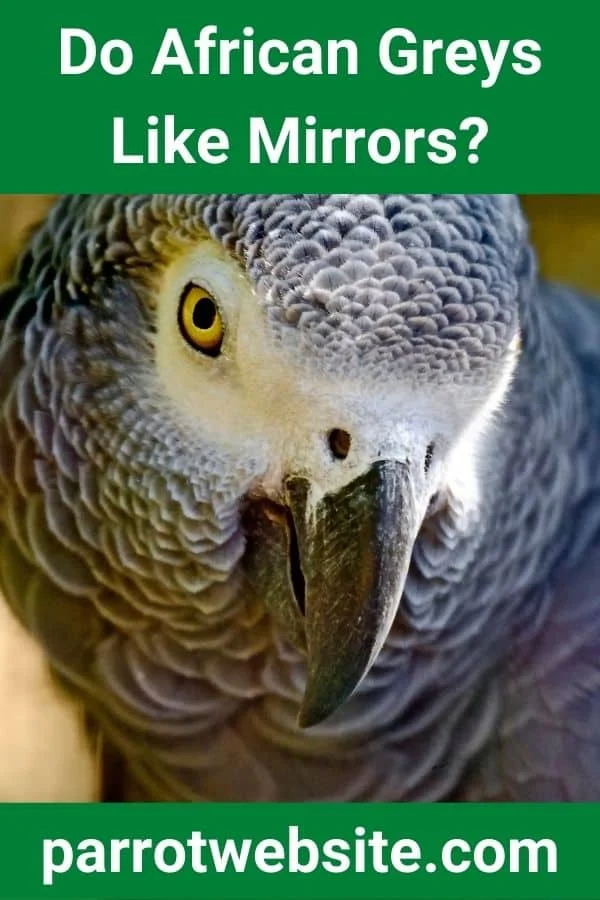
- African Greys: Highly intelligent and often form deep, physically affectionate bonds with their primary caretakers, though they require a significantly higher level of expertise.
Conclusion: Redefining Affection
The Alexandrine parrot is an extraordinary creature, capable of deep loyalty and profound intelligence. While they may not fit the traditional mold of a "cuddly" pet, their affection is expressed in more subtle, complex ways: the way they greet you with excitement, the way they mimic your voice to get your attention, and the way they choose to perch near you while you go about your day.
If you are looking for a companion that challenges you, engages you, and offers a unique, highly intelligent perspective on life, the Alexandrine is a magnificent choice. However, approach this relationship with the understanding that affection is a currency that must be earned, not demanded. By respecting the bird’s autonomy and providing the necessary social and mental enrichment, you will find that the bond you forge is more rewarding than a simple cuddle ever could be.
Owning an Alexandrine is not just about having a pet; it is about entering a partnership with an intelligent, sentient being that requires patience, respect, and a lifetime of dedication. If you are prepared to tick those boxes, you will be rewarded with a bond that lasts a lifetime.