In the professional grooming industry, few breeds command as much attention and require as much precision as the Bichon Frisé. Known for their spirited personalities and iconic, cloud-like coats, these dogs are a canvas for the creative groomer. However, achieving that "perfect" round, sassy look—whether on a show-ring champion or a beloved family pet—requires a disciplined approach, an eye for anatomy, and a mastery of tool manipulation.
Industry luminary and educator Blake Hernandez, star of Netflix’s DOGS documentary series and co-creator of Groomsource, recently shared a comprehensive guide to achieving the modern, manageable Bichon modification. This approach balances the aesthetic demands of the breed standard with the practical needs of pet owners who require a low-maintenance, high-style finish.
The Philosophy of the Modern Bichon Trim
The appeal of the Bichon lies in its silhouette. The goal of this modification is to create a "round, cute face" paired with a manageable, functional body. This style has gained significant traction because it addresses a common pain point for owners: the desire for the classic Bichon look without the exhaustive daily maintenance of a full show-length coat.
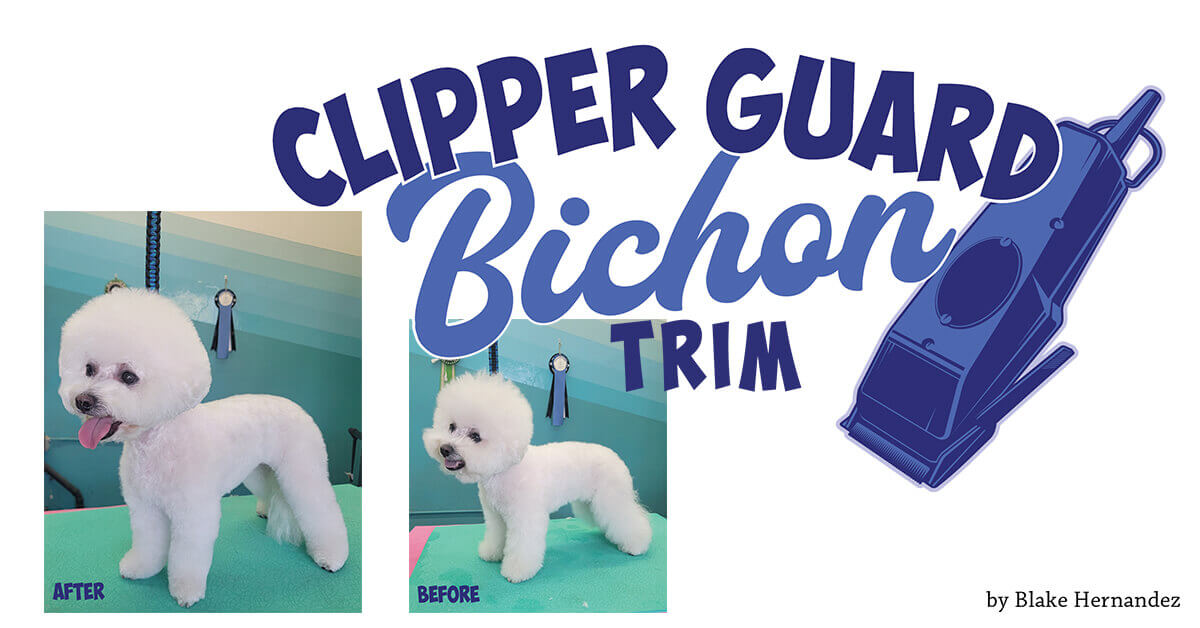
Hernandez notes that this style is remarkably versatile. While he honed his techniques on purebred Bichons, he emphasizes that the fundamentals are equally effective on "curly mixed breeds." By focusing on structure and balance rather than just fluff, groomers can provide a high-quality finish for a wide variety of clients, ensuring that even the most rambunctious mutt can sport a polished, salon-quality look.
Chronological Breakdown: A Step-by-Step Grooming Protocol
For groomers looking to replicate this look, Hernandez provides a meticulous, step-by-step roadmap. The process is divided into body preparation, structural enhancement, and the critical finishing work on the face.
Phase 1: Setting the Foundation (The Body)
The process begins at the topline. Hernandez advises starting where the shoulder blades meet, using a 1/2" guard comb over a #30 blade for clients on a standard six-to-eight-week grooming cycle. This ensures consistency and manageability.

- The Torso: After setting the topline, the same length is transitioned around the ribs and underneath the brisket, creating a seamless, uniform base.
- The Throat Latch: To define the neck and head transition, groomers should switch to a #5F blade, clipping in reverse from the Adam’s apple up toward the throat latch. This provides the clean, tight foundation necessary to make the head appear distinct and rounded.
Phase 2: Enhancing Structure (Angulation and Legs)
A common mistake in pet grooming is neglecting the dog’s underlying skeletal structure. Hernandez emphasizes the importance of showing angulation in the rear.
- Rear Assembly: Using a shorter length—specifically a 1/4" guard—the groomer clips from the pin bone down to behind the knee. This creates a visual "tuck" that highlights the dog’s natural anatomy.
- The Legs: To provide contrast and balance, the legs must be left longer than the body. Hernandez suggests a 1" guard comb for both the front and rear legs. This creates a fluffy, substantial appearance that anchors the dog visually, providing a sturdy, well-proportioned look.
- The Feet: With the Bichon, it is perfectly acceptable to maintain a natural stance while scissoring. The goal is to craft a rounded foot with a tight, clean bevel, which keeps the dog looking tidy even after long walks.
Phase 3: The Finishing Touches (Tail and Face)
The tail is an extension of the dog’s topline and should be handled with care. With the tail held over the back, groomers should carefully remove any excess hair that draws the eye away from the center of the dog, maintaining a streamlined, balanced silhouette.
The face is the most technical aspect of the Bichon groom. Hernandez’s technique involves:

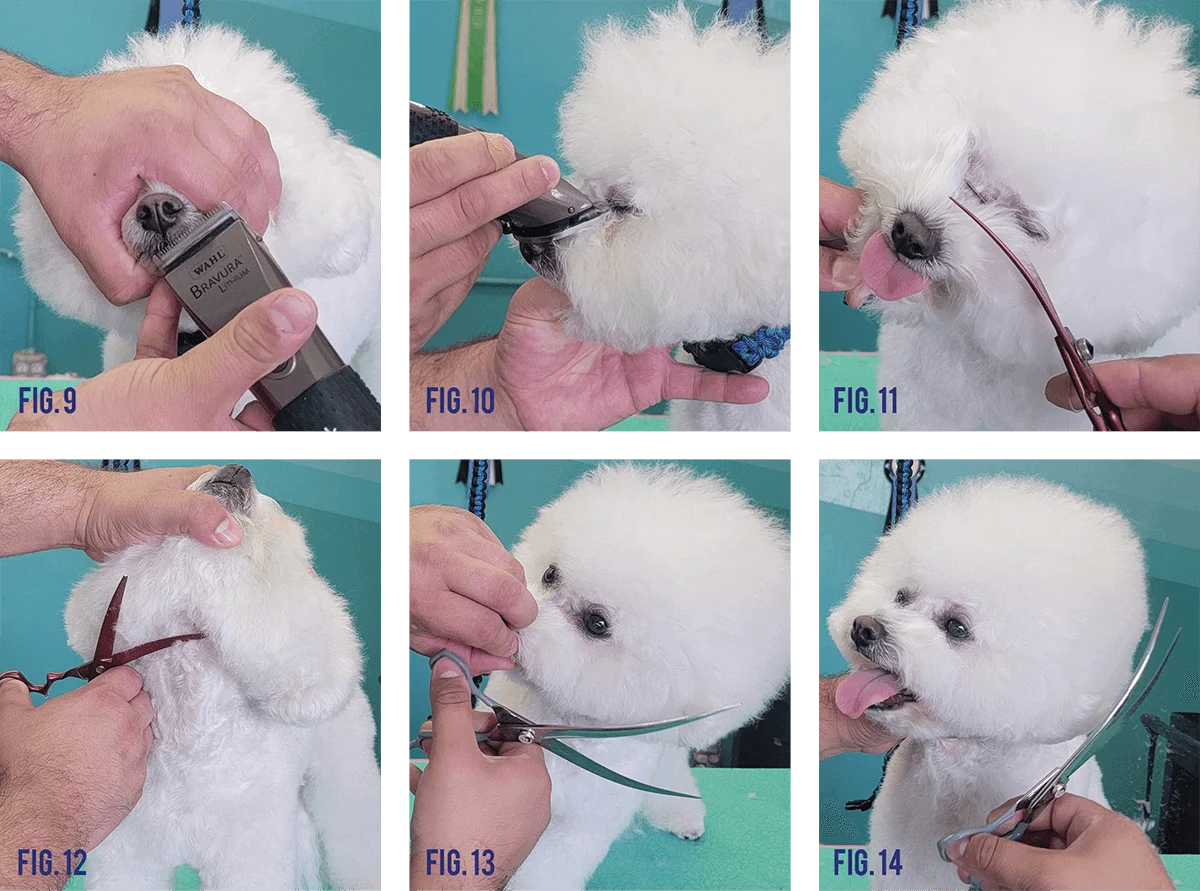
- Lips and Nose: Shaving the top lip and carefully trimming one or two lines of hair just beneath the nose.
- The Stop: Using a #10 blade to clip the stop, which helps the eyes "pop" and creates a more expressive, alert appearance.
- Eye Angles: Combing the hair toward the eyes and trimming at a 45-degree angle ensures a clean, non-irritating, and aesthetically pleasing finish.
- Sculpting the Head: Using curved shears in reverse at the throat latch, the groomer separates the head from the body. From the bottom of the head, the groomer shapes a tight lip, rounding out toward the ears. At eye level, the shears are turned upward to ensure the head is perfectly round from every angle.
Professional Insights: Supporting Data and Best Practices
The efficacy of this trim lies in the transition between lengths. By using specific guard combs for the body (1/2") and legs (1"), the groomer creates a deliberate "layering" effect that is far more sophisticated than a simple all-over shave.
Hernandez emphasizes that the "curved scissor" is the most vital tool in this protocol. Unlike straight shears, which can leave harsh lines, curved shears follow the natural contours of the Bichon’s skull and muzzle, allowing the groomer to sculpt the coat into a sphere rather than forcing it into a box. Furthermore, the practice of shaving the stop with a #10 blade is a professional standard that significantly reduces the time spent on "eye-rounding," which is often the most stressful part of the groom for both the dog and the stylist.
Implications for the Grooming Industry
This style serves as a bridge between high-maintenance show grooming and practical pet grooming. For salon owners, adopting this standardized protocol has several implications:

- Increased Productivity: By following a set guide, groomers can reduce the "decision fatigue" that often occurs during the scissoring phase. This improves turnaround times without sacrificing the quality of the finished product.
- Client Satisfaction: The "manageable" aspect of the trim ensures that owners are more likely to return for regular appointments. When a groom is designed to grow out gracefully, the owner feels more in control, leading to higher retention rates.
- Education and Skill Development: Hernandez’s focus on mixed breeds highlights a shift in the industry toward valuing grooming skill over pedigree. As the demand for doodle-mixes and rescue dogs continues to rise, the ability to apply breed-standard techniques to non-standard coat types is a crucial skill set for the modern groomer.
About Blake Hernandez: The Man Behind the Scissors
Blake Hernandez is more than just a talented stylist; he is an ambassador for the grooming profession. Known for his "Mr. Approachable" persona and his signature vibrant fashion sense, Hernandez has spent years demystifying the grooming process.
His work as the 2020 Barkleigh Honors Seminar Speaker of the Year and his role as co-creator of Groomsource have cemented his status as a leading voice in grooming education. Beyond his technical prowess, Hernandez is committed to fostering a positive industry culture. Whether he is representing Foxy Roxy’s Supply Co. or demonstrating a difficult technique, his goal remains the same: to inject energy, positivity, and high-level education into a profession that often goes underappreciated.
For those looking to follow his work or learn more about his specific techniques, Hernandez remains active on social media, particularly via Instagram (@blakemhernandez), where he shares daily tips, salon management advice, and his ongoing passion for Poodle and Bichon styling.

By embracing this modern, structured approach to the Bichon trim, groomers can ensure that they provide a service that is as functional as it is beautiful, setting a new standard for excellence in the salon environment.