Introduction: A Monthly Ritual of Grooming and Grumbles
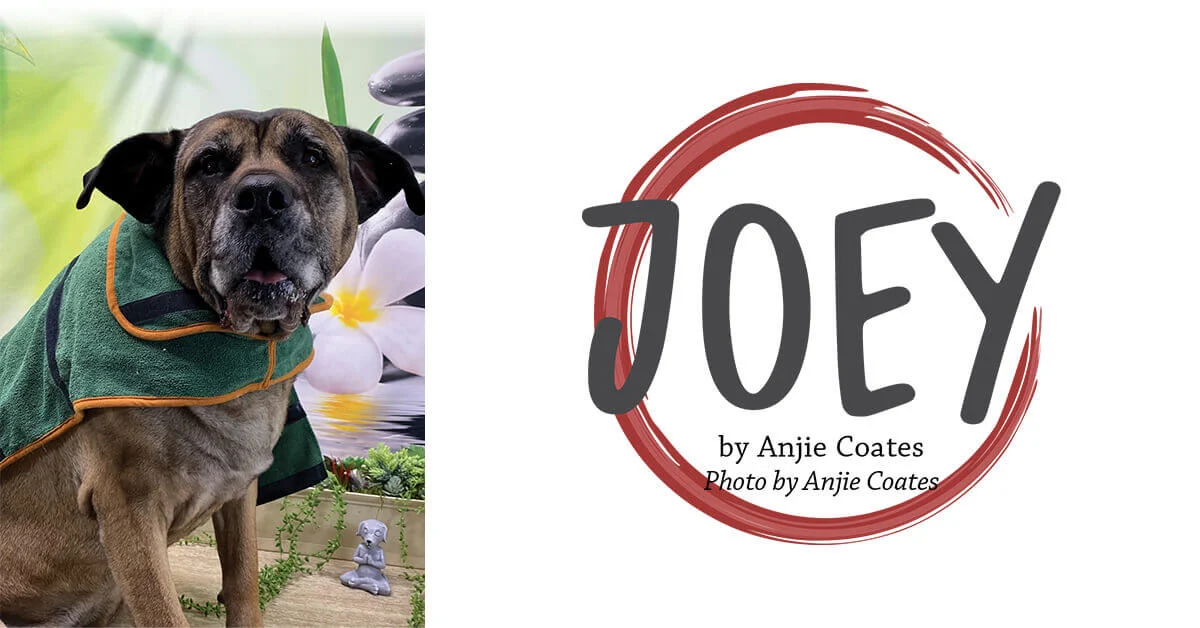
In the specialized world of pet care, few relationships are as enduring or as communicative as the one between a dedicated groomer and their long-term clients. Among the most anticipated appointments at the salon is the monthly visit of Joey, an 11-year-old Boerboel whose larger-than-life personality is matched only by his formidable stature. As an aging member of a breed known for its power and loyalty, Joey’s monthly grooming sessions have evolved from simple maintenance into a sophisticated dance of health management, behavioral negotiation, and, quite frankly, a healthy dose of comedic banter.
Chronology: A Session with Mr. Tickletoes
The appointment begins as it always does: Joey climbs onto the grooming table with a heavy, deliberate grace. In a display of comfort that defies his size, he promptly sits on his haunches, stretching his front paws forward like a yoga enthusiast.
"Comfy?" the groomer asks, to which Joey—at least in the imaginative narrative of their bond—replies with an enthusiastic, "Oh yes, very comfy. I love table time."
The process is methodical. The groomer begins by shaving the fuzz from the pads of Joey’s feet. It is a safety measure, critical for an aging Boerboel, as excess hair can lead to slipping on hardwood floors—a dangerous prospect for a dog of his weight. Joey, ever the vocal participant, protests, wiggling his way through the process while complaining that the clippers tickle.
"I know, Mr. Tickletoes," the groomer reassures him. "I have to do this so you don’t throw out a hip."
Joey, maintaining his characteristic confidence, retorts that his slips are not accidents but rather "gliding done on purpose." The banter continues through the nail filing, the ear cleaning, and the inevitable, slobber-filled affection that defines the Boerboel temperament. By the time the session concludes, the focus shifts to the final, and perhaps most contentious, stage: the post-grooming photoshoot.
Supporting Data: The Health Implications of the Aging Boerboel
While the dialogue between Joey and his groomer provides a whimsical look into their relationship, there are underlying health realities being addressed during these sessions. The Boerboel, or South African Mastiff, is a giant breed. At 11 years of age, Joey is a senior citizen in dog years, putting him well into the upper echelon of his breed’s life expectancy.
The Weight Management Challenge
During the session, Joey brings up a recent, less-than-pleasant encounter with his veterinarian, who labeled him "fat." While Joey views this as an insult, the groomer—and veterinary science—view it as a critical health intervention.
- Joint Stress: For a dog of Joey’s frame, excess weight places exponential pressure on the joints, particularly the hips and elbows.
- Mobility: The "gliding" that Joey jokes about is, in reality, a symptom of poor traction and potential musculoskeletal weakness.
- Hygiene: As dogs age, they often struggle to groom themselves. The accumulation of "road dirt" in Joey’s ears is a common issue for senior dogs who can no longer comfortably reach or shake out debris, necessitating professional intervention to prevent secondary infections.
The groomer’s insistence on "road work" (walking) and the implementation of calorie-restricted treats are not merely disciplinary actions; they are clinical recommendations aimed at extending Joey’s quality of life.
Professional Perspectives: The Role of the Groomer
The groomer’s role has shifted from mere aesthetic maintenance to a comprehensive wellness check. By tracking Joey’s physical condition month-to-month, the groomer acts as a frontline observer for the owner and the veterinarian.
"I suppose there may be a bit extra Joey to love," the groomer admits during the session, "but exercise is good for you. You want to be here to have lots more spa days, don’t you?"
This sentiment reflects a growing trend in the pet care industry: the "holistic groomer." These professionals are increasingly trained to spot early signs of arthritis, dermatological issues, and metabolic changes. When the groomer notes that Joey’s ears are unusually dirty, it serves as a prompt for the owner to monitor for underlying allergies or systemic issues related to his diet and weight.
Implications: Building Longevity Through Routine
The implications of Joey’s monthly visits extend far beyond a clean coat and trimmed nails. They represent a structured routine that provides mental stimulation and physical monitoring for an aging dog.
The Psychology of Positive Reinforcement
The negotiation over treats—specifically the "three-piece trick" where one treat is partitioned to satisfy Joey’s psychological need for rewards without compromising his caloric intake—is a masterclass in behavioral management. By rewarding Joey for his cooperation, the groomer ensures that the dog remains excited for his sessions, reducing the stress that typically accompanies medical or grooming interventions.
The Social Contract of Pet Care
Joey’s belief that "Love is drool" highlights the emotional bond that defines the human-animal connection. For the owner, the groomer, and the dog, these sessions are a social contract. The owner provides the care, the groomer provides the expertise and the physical labor, and the dog provides the character.
Conclusion: The Path Forward for Joey
As the session wraps up, Joey finds himself on the photo platform, ready for his portrait. He remains fixated on the promise of treats, showing that while his body may be slowing down, his spirit remains as sharp and demanding as ever.
When Joey asks if he can return to "regular-sized treats" if he puts in the work and maintains his exercise, he is essentially negotiating his own health plan. The groomer’s final, affirmative response serves as a commitment to Joey’s long-term wellness.
In the life of an 11-year-old Boerboel, every day is a gift, and every grooming session is a milestone. Through the combined efforts of a concerned owner, a vigilant veterinarian, and a dedicated groomer, Joey continues to thrive. He may be a "heavyweight," but he is, by all accounts, the best boy—and his commitment to "road work" may just ensure that he has many more spa days to look forward to in the years to come.