The modern home is often a sanctuary, but for pet owners, it can be a landscape riddled with invisible dangers. For many, house plants are the ultimate aesthetic touch, yet the line between a beautiful interior and a medical emergency is often thinner than we realize. This was the hard lesson learned by renowned animal behaviorist Patricia McConnell, whose dog, Maggie, recently found herself in the center of a harrowing health crisis triggered by a seemingly innocuous house plant.
What began as a routine day at the farm quickly spiraled into a nightmare, sparking a dialogue with the ASPCA Animal Poison Control Center (APCC) that offers vital lessons for pet owners everywhere.

The Anatomy of an Emergency
The catalyst for this ordeal was a Zamioculcas zamiifolia, commonly known as the ZZ plant. While popular for its resilience and striking foliage, the plant carries a secret: it is rich in insoluble oxalate crystals. When ingested, these microscopic, needle-like structures penetrate the soft tissues of the mouth, esophagus, and stomach, causing significant pain and immediate physical distress.
For Maggie, the experience was visceral. After consuming a significant quantity of the plant while left unsupervised, she suffered from intense gastrointestinal distress, characterized by severe vomiting and visible signs of agony. As the irritation in her digestive tract increased, a secondary, dangerous behavior took hold: in an instinctive attempt to soothe the burning sensation in her stomach, the dog continued to consume more of the plant. This created a toxic feedback loop, where the remedy for the pain was, in fact, the very cause of it.

A Chronology of a Crisis
The timeline of the incident illustrates how quickly a situation can escalate from a minor nuisance to a full-blown medical crisis.
- Initial Discovery: Upon finding the remains of the plant and observing Maggie’s distress, an emergency veterinary clinic was consulted. The initial assessment was that the situation, while painful, was not life-threatening.
- The Escalation: As evening approached, the expected resolution did not materialize. The pain intensified, and the dog’s behavior shifted from simple discomfort to apparent physical suffering.
- The Search for Expertise: Feeling the limitations of general veterinary advice, the owner turned to the ASPCA Animal Poison Control Center. However, technical difficulties—manifesting as a "call failed" notification—left the owner isolated during the most acute phase of the crisis.
- Intervention: Relying on existing veterinary guidance and previously prescribed medication (Tramadol), the owner was able to manage the acute pain at home, allowing the dog to sleep.
- The Follow-up: Weeks later, an unexpected bridge was built. The APCC’s leadership reached out after identifying the "abandoned" call, leading to a comprehensive post-mortem review of the incident that provided clarity for both the owner and the organization.
Understanding Toxicity vs. Irritation
A critical takeaway from this event is the semantic trap that many pet owners fall into when assessing household hazards. In the horticultural and retail worlds, "non-toxic" often implies that a plant will not cause death or serious organ failure. However, as medical professionals point out, the term "irritation" is grossly understated in this context.

When a plant causes "mild irritation," it is often interpreted by the layperson as a fleeting annoyance. In reality, for a dog, the biological response to insoluble oxalates can be the equivalent of having one’s entire digestive lining raked by microscopic glass shards. The incident serves as a stark reminder that even plants categorized as "non-lethal" can cause severe morbidity. As Dr. Catherine Dzienisiewski, a board-certified toxicologist, noted, the concept of toxicity is dose-dependent; even benign substances can become dangerous depending on the quantity ingested.
The Role of the ASPCA Poison Control Center
The ASPCA’s Poison Control Center is a vital, yet often underutilized, resource. Founded in 1978, it has become the gold standard for veterinary toxicology. Handling over 400,000 cases annually, the center serves as a massive repository of data. This research is not merely administrative; it is responsible for the modern understanding of diverse hazards, including the toxicity of xylitol, macadamia nuts, grapes, and the lethal potential of lilies for feline populations.

The center’s engagement with the public—and its proactive response to failed communication attempts—highlights its commitment to efficacy. The facility maintains a database of over 5 million cases, which allows toxicologists to identify trends, such as the rising popularity of specific houseplants that may pose previously unidentified risks to household animals.
The Hidden Consequences: A Liver Health Scare
The ordeal did not end with the resolution of the gastrointestinal symptoms. Several weeks later, Maggie underwent a diagnostic scare. Routine blood work revealed significantly elevated liver values—specifically ALP, ALT, and TBL—raising fears of a more permanent, systemic injury or even malignancy.

For ten days, the household existed in a state of high anxiety, waiting to see if the organ damage was permanent or a delayed secondary response to the massive toxin load she had ingested during the initial incident. Fortunately, the body’s regenerative capabilities prevailed, and her levels returned to normal. This serves as a cautionary tale: the effects of a poisoning event can ripple through a pet’s physiology long after the initial vomiting and pain have ceased.
Implications for Pet Owners
The primary lesson is clear: vigilance is the only true form of prevention. Pet owners should consider the following steps to safeguard their homes:

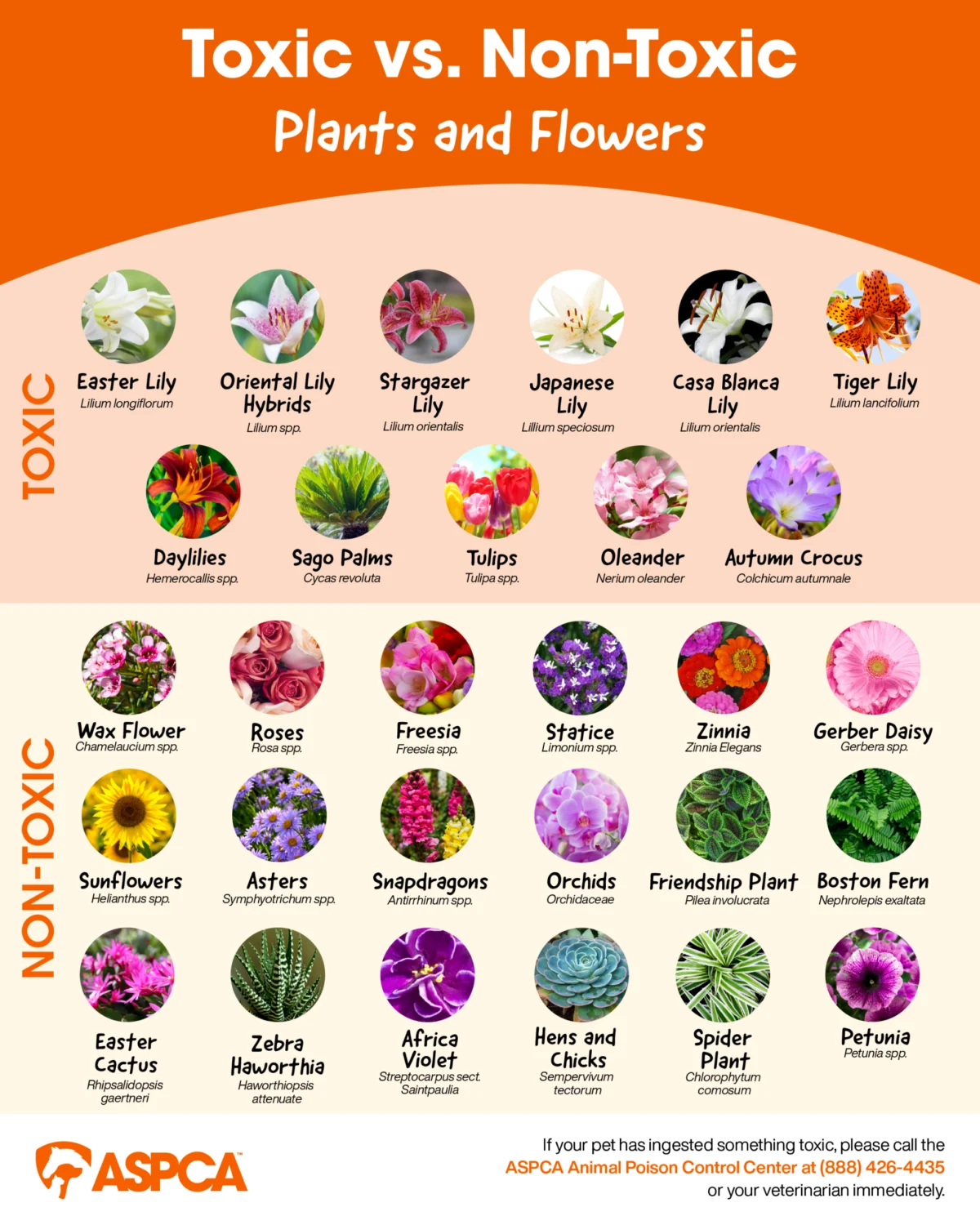
- Re-evaluate the "Safe" List: Do not rely on nursery labels. Use the official ASPCA database to cross-reference every plant brought into the home, regardless of its classification.
- Know Your Resources: Keep the ASPCA Poison Control number (888-426-4435) saved in your phone. Understand that this is a specialized service staffed by board-certified toxicologists, which may be more effective than a general emergency vet for specific poisoning protocols.
- Recognize the Loop: Be aware that dogs often eat plants to soothe an upset stomach. If you see your dog grazing on a house plant, do not assume it is harmless; it may be the start of a self-perpetuating cycle of ingestion and distress.
- Monitor Post-Event Health: As demonstrated by the liver value spike, a pet that seems "back to normal" may still be dealing with metabolic fallout. Always follow up with your veterinarian for blood work after a significant ingestion event.
Conclusion: A New Standard of Vigilance
The narrative of Maggie’s adventure with the ZZ plant is more than a cautionary tale about interior design; it is an examination of the symbiotic, yet often perilous, relationship between our pets and our environment. While the beauty of nature adds life to our homes, we must acknowledge that for our four-legged companions, the home is a sensory space where everything is subject to exploration—and consumption.
By fostering better communication between pet owners and the experts at organizations like the ASPCA, we can ensure that when the inevitable "oops" occurs, we are equipped with the knowledge, the resources, and the foresight to prevent a minor snack from becoming a life-altering disaster. As we move into the winter months and spend more time indoors, take a moment to look at your surroundings through the eyes of your pet. A little bit of research today could save your companion from a world of hurt tomorrow.