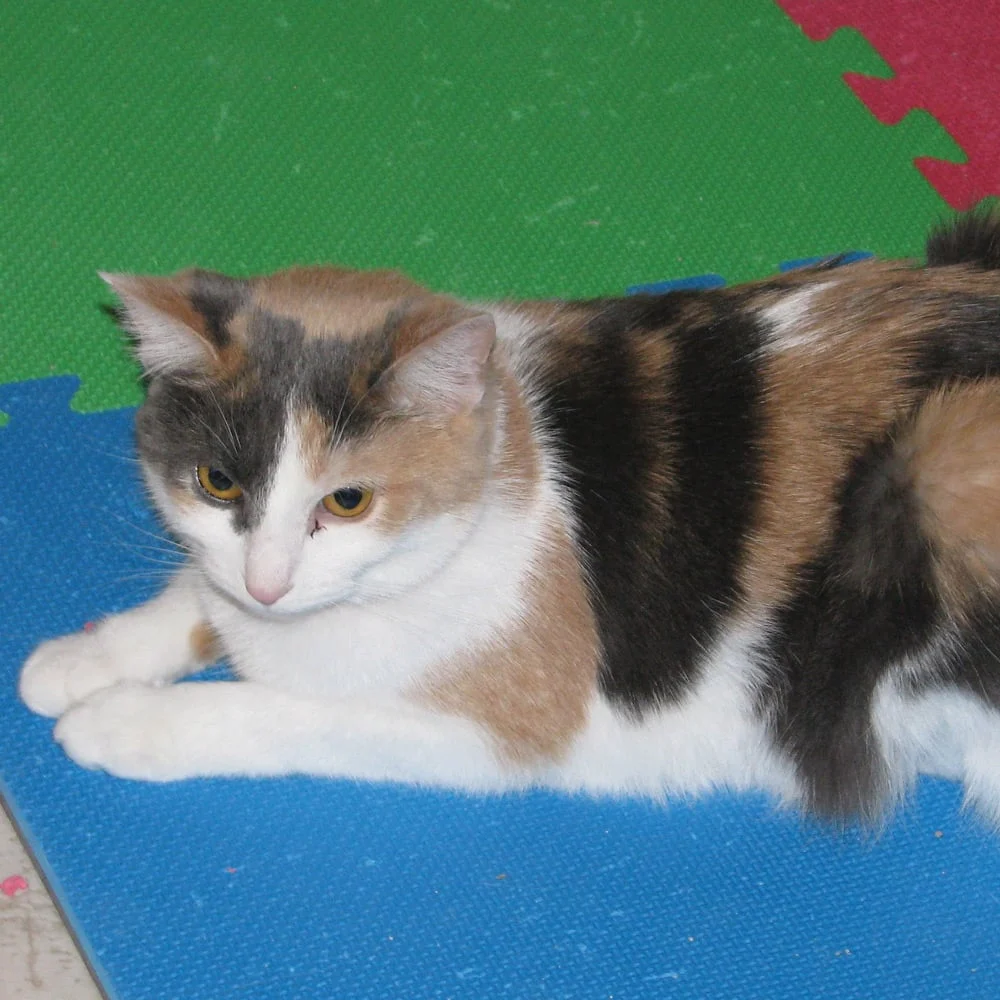
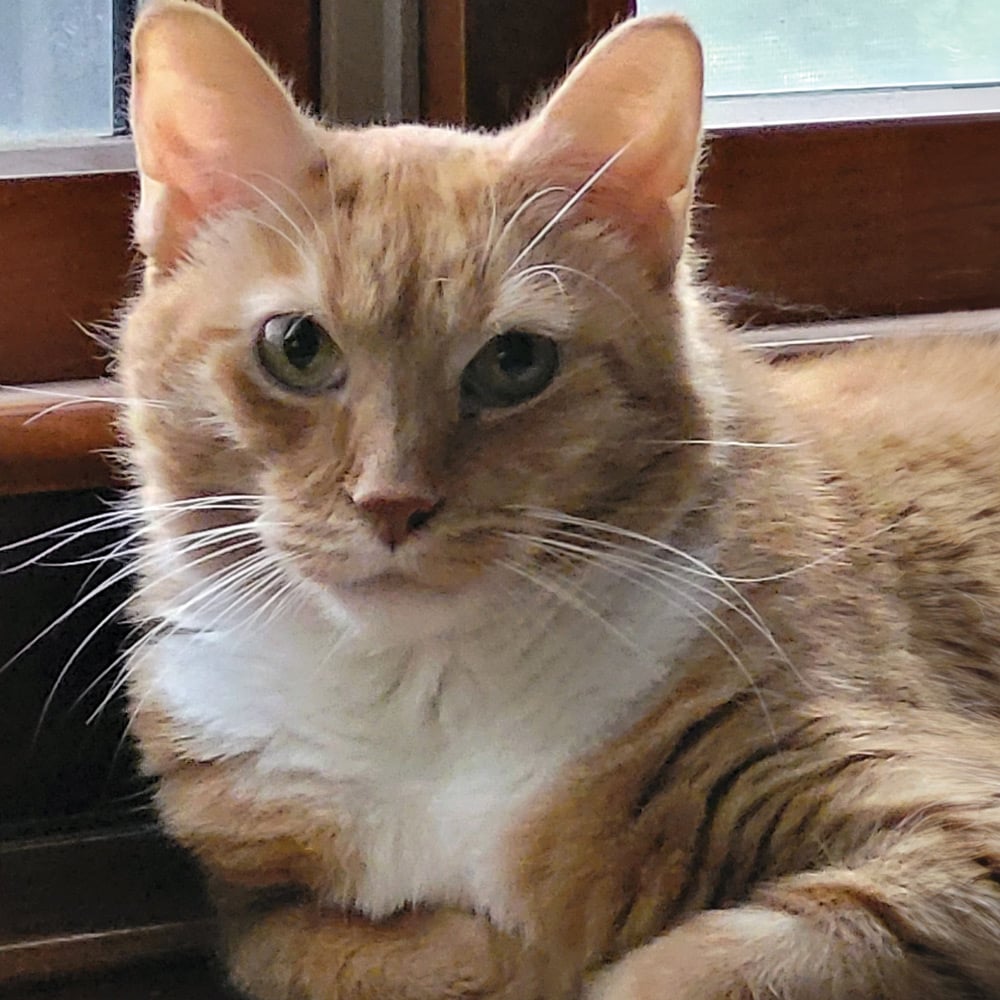
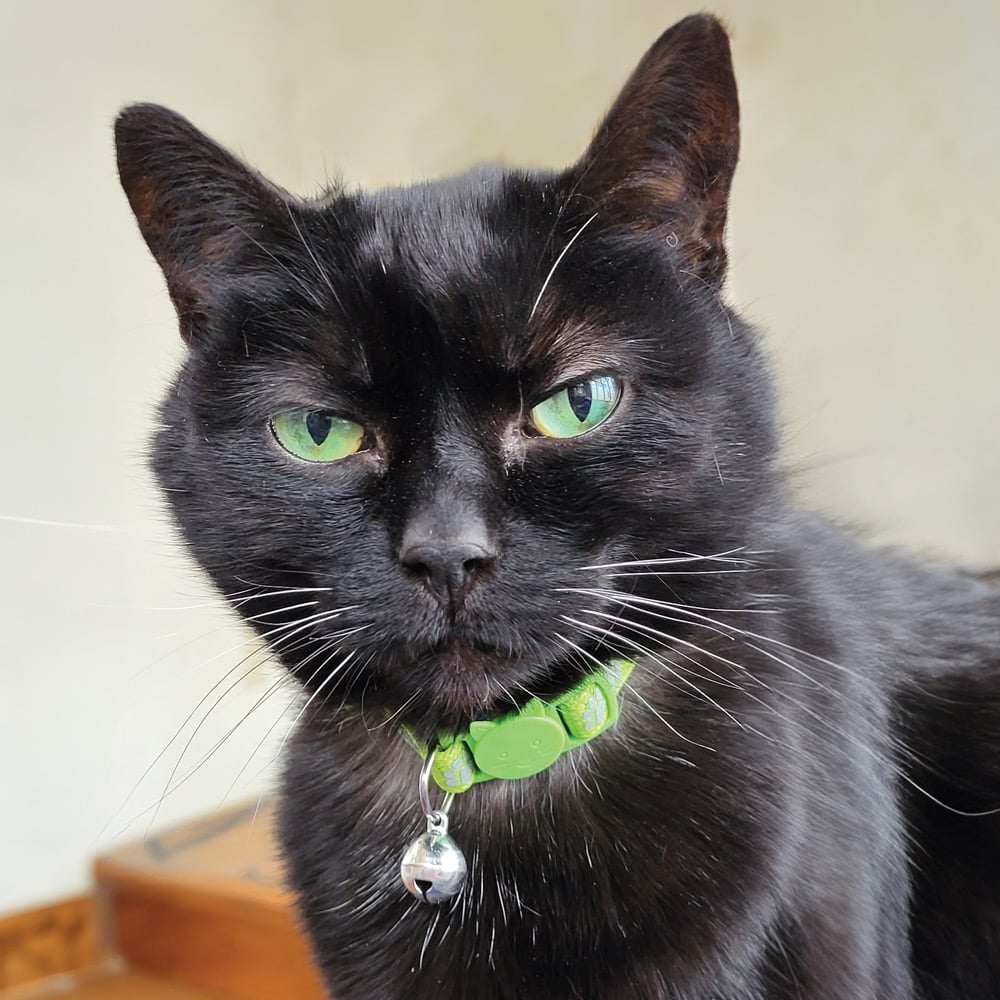
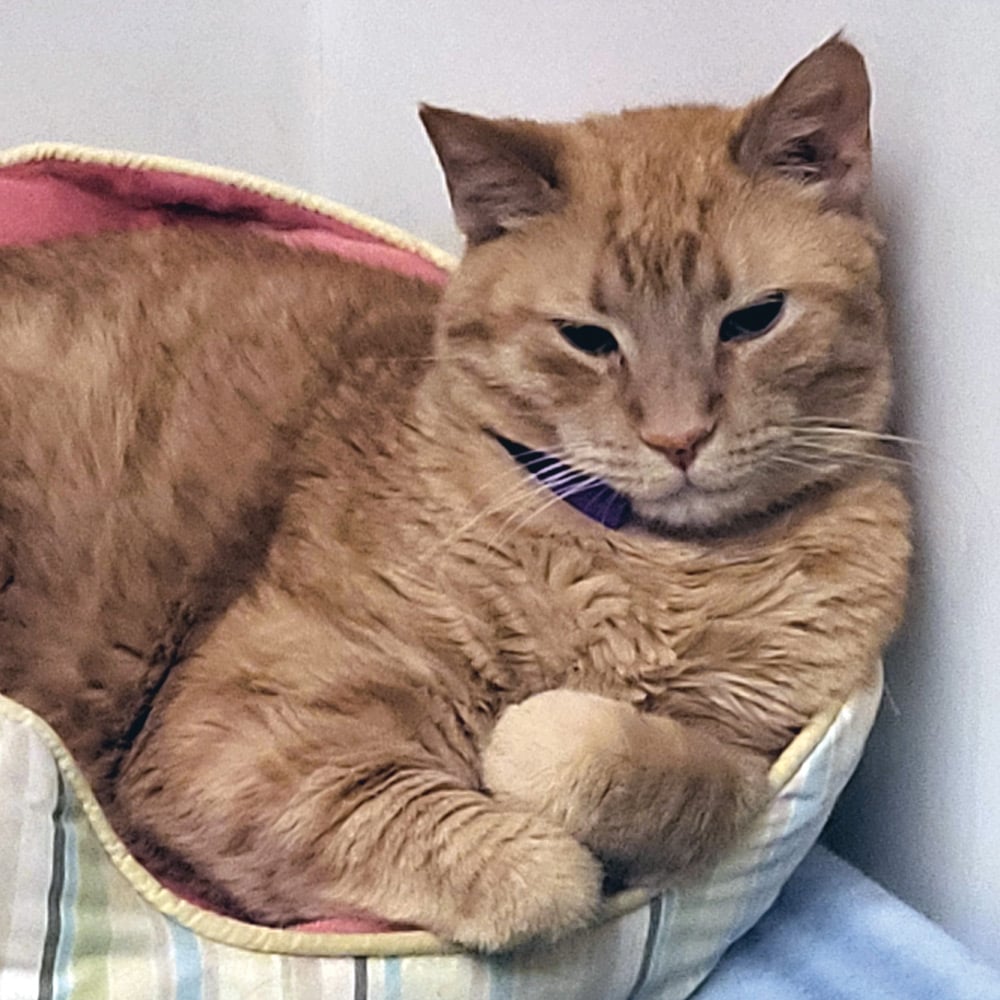
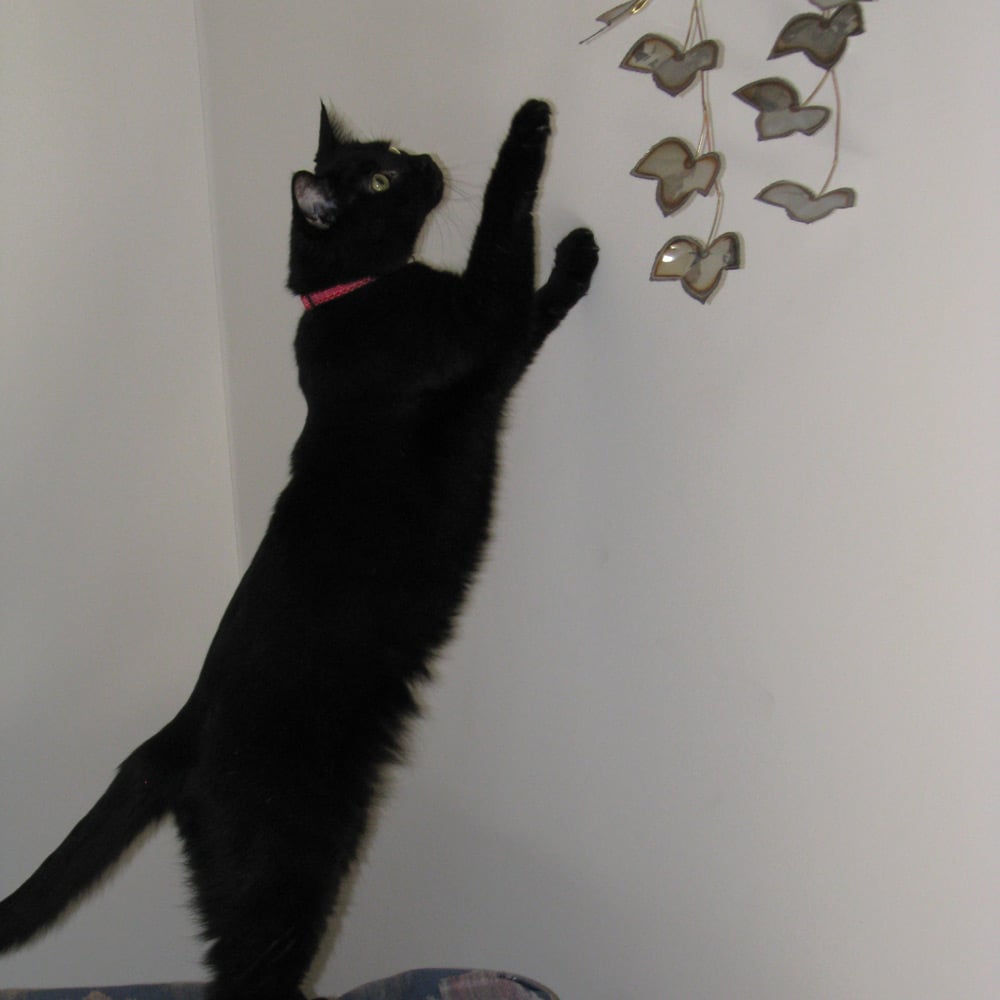
For many, a pet is more than just an animal; they are the anchors of our daily lives, the silent confidants in our moments of solitude, and the source of unconditional joy. For Margaret, a dedicated animal advocate living in Indiana, her home is graced by the presence of six feline companions: Mindy, Peanut, Faith, Sunshine, Midnight, and Pandora. When asked to identify a favorite among them, she offers a swift, firm, and maternal, “Nope.”
Like many devoted pet parents, Margaret’s life is inextricably woven with the needs and personalities of her animals. However, as the years progress, a sobering question begins to loom for every pet owner: Who will care for them when I no longer can?
For Margaret, the answer lies in a proactive approach to legacy and care—a decision rooted in historical trust and a commitment to animal welfare that spans decades.
The Foundation of Compassion: A Life of Fostering
Margaret’s home has long been a sanctuary for cats in need. Her journey into animal rescue was organic, often beginning with the simple act of opening her door to those who had nowhere else to go. Over the years, she has served as a foster parent, a role that frequently transformed into permanent adoption.
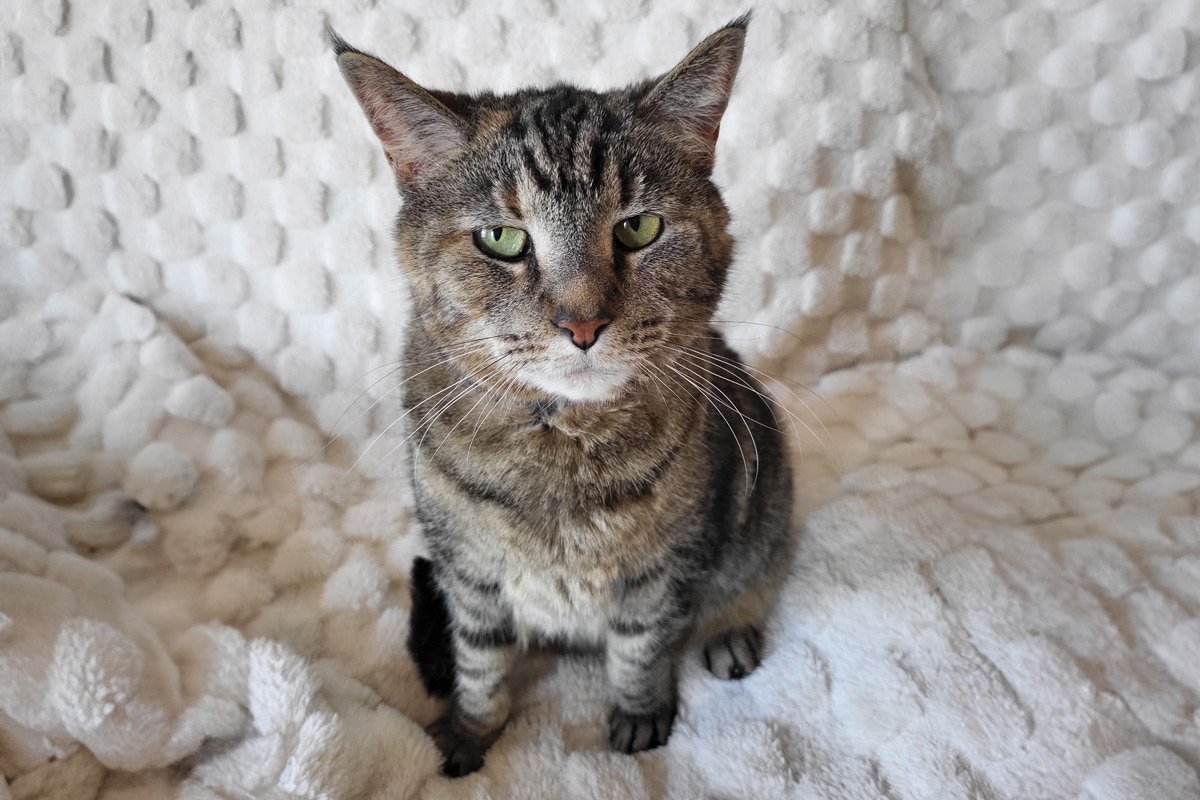
“In fact, all of the animals that I’ve had as an adult probably were due to fostering issues,” she admits with a knowing smile. “I frequently kept the ones that struggled to get adopted.”
This pattern—taking in the “hard-to-place” animals, the ones who required extra patience, medical attention, or socialization—speaks to a profound depth of empathy. For Margaret, fostering was never about a temporary arrangement; it was about ensuring that every cat she encountered found a sense of belonging. Yet, this lifetime of caretaking inevitably led her to consider the long-term future of her six beloved cats.
A Legacy of Bravery: The Scarlett Connection
Margaret’s deep-seated trust in North Shore Animal League America did not emerge overnight. It was forged in the collective memory of the animal welfare community during the mid-1990s.
In 1996, the world was captivated by the story of Scarlett, a stray mother cat in Brooklyn who exhibited an act of heroism that defied instinct. When a fire broke out in the abandoned garage where she was sheltering her five kittens, Scarlett didn’t flee to safety. Instead, she braved the smoke and flames repeatedly, carrying her kittens out of the inferno one by one.
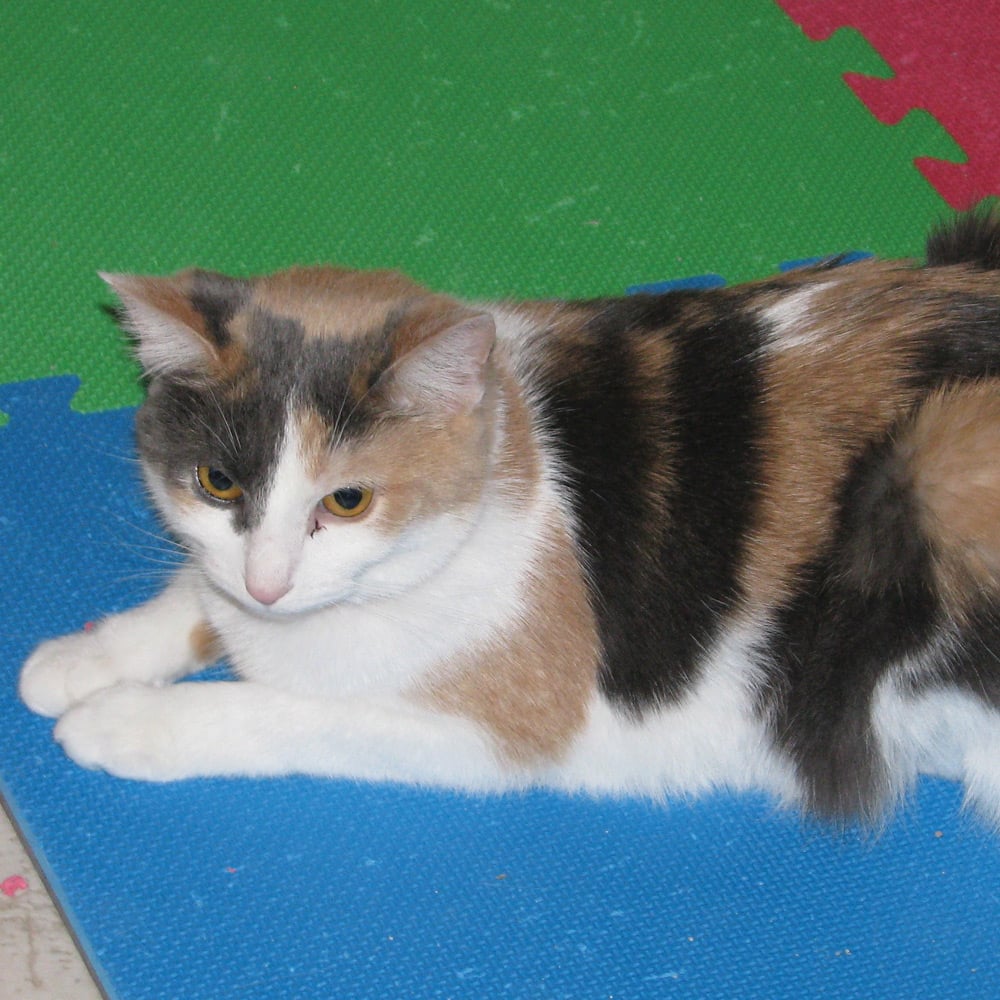
By the time she rescued the last kitten, Scarlett had suffered severe burns, her eyes were blistered shut, and her ears were singed. Her devotion became a global symbol of the maternal bond. “When I heard the story about Scarlett rescuing her kittens from a fire, it really just stuck in my mind,” Margaret recalls.
That narrative of resilience and the organization that championed Scarlett’s recovery—Animal League America—left an indelible mark on Margaret. It established a standard of care that she would later seek out for her own feline family.
The Safe Haven Surviving Pet Care Program
As Margaret began to navigate the complexities of estate planning, the challenge of “pet guardianship” emerged as a primary concern. Many pet owners face the distressing reality that family members may be unable or unwilling to take on the responsibility of a household of cats.
This is where the Safe Haven Surviving Pet Care Program® serves as a critical bridge. The program is designed specifically for individuals who wish to guarantee that their pets are never abandoned or left to the uncertainty of a local shelter.
How the Program Operates:
- Estate Integration: Supporters work with their legal counsel to include the program in their estate plans.
- Nationwide Logistics: Should a participant pass away or become unable to care for their pets, Animal League America coordinates the safe, professional transport of the animals from anywhere in the country to their flagship campus in Port Washington, New York.
- The Transition: Once the animals arrive, they are provided with immediate medical and behavioral assessments.
- Lifetime Care: The pets are cared for in a secure environment until a responsible, permanent home is found that meets the organization’s stringent adoption criteria.
Why Longevity Matters in Animal Advocacy
When Margaret searched for an organization to entrust with her cats’ future, she looked for more than just a mission statement; she looked for institutional stability.
“There are a lot of shelters,” Margaret noted, “but I wanted someplace I knew would be around in the future.”
Animal League America has been operating since 1944. In the volatile world of non-profit animal rescue, eight decades of consistent, high-level operation is rare. This longevity provides donors like Margaret with the "peace of mind" that their legacy will be honored long after they are gone. For someone who has spent a lifetime rescuing cats, the stability of the organization is the ultimate safeguard for her life’s work.
The Implications of Proactive Estate Planning
The reality of pet ownership is that our animals often outlive our ability to provide for them. Veterinary professionals and animal behaviorists frequently point out that the most common cause of senior pets entering the shelter system is the death or incapacitation of their owners.
By formalizing a plan through the Safe Haven program, individuals move beyond "hope" and into "certainty." The implications of such planning are twofold:
- For the Animal: The pet avoids the trauma of a sudden, forced surrender to a municipal shelter, which can be an environment of high stress. Instead, they move into a pre-arranged support system that understands their history and needs.
- For the Owner: It alleviates the "end-of-life anxiety" that plagues many pet owners. Knowing that there is a concrete plan in place allows the owner to focus on enjoying the remaining years with their pets, rather than worrying about the hypothetical "what if."
Expert Perspectives on Pet Trust and Estate Planning
Legal and veterinary experts increasingly emphasize that pets should be considered "family" in estate documents. While pets are technically classified as property under the law, the rise of "pet trusts" and specialized programs like Safe Haven represents a shift in how society views these relationships.
According to animal welfare advocates, the most successful transition programs are those that emphasize:
- Continuity of Routine: Maintaining familiar habits and diets.
- Medical Transparency: Ensuring the new guardians have full access to medical records.
- Emotional Stewardship: Acknowledging that the loss of a primary owner is a major psychological event for a pet.
Programs like those offered by Animal League America are designed to handle these nuances, ensuring that the transition is not just a change in location, but a continuation of the care the animal has always known.
A Hope for the Future, A Plan for the Present
Margaret’s hope, of course, is that her six cats will never have to utilize the Safe Haven program. She wants them to spend their lives in the comfort of her Indiana home, surrounded by the familiar sights and sounds of the life she has built for them.
“Of course I’m hoping they never have to go there,” she admits. However, the absence of a plan is a risk she is no longer willing to take. By making the necessary arrangements today, she has transformed an abstract fear into a tangible security blanket.
For many, the act of planning for a pet’s future is the final, ultimate gesture of love. It is a promise that, no matter what happens, the cat who once relied on you for food, warmth, and affection will never be left without a soft place to land.
Conclusion: Securing a Legacy of Love
The story of Margaret and her six cats is a reminder that the bond between human and animal transcends time. Whether it is the heroic tale of Scarlett, who saved her kittens from a burning building, or the quiet, daily devotion of a foster parent in Indiana, the common thread is the same: the desire to protect the most vulnerable among us.
As the population of pet owners ages, the need for robust programs like Safe Haven will only continue to grow. Through foresight, professional coordination, and a deep, abiding love for animals, we can ensure that the love we share with our pets is not lost, but preserved, long after we are gone. For Margaret, that means that Mindy, Peanut, Faith, Sunshine, Midnight, and Pandora will always be safe—and that is a comforting thought to carry through the years ahead.