In a decisive move to stave off the extinction of some of North America’s most elusive reptiles, the U.S. Fish and Wildlife Service (USFWS) has officially granted federal endangered status to two non-venomous snakes native to Florida: the Key ring-necked snake (Diadophis punctatus acricus) and the rim rock crowned snake (Tantilla oolitica).
These two species, which occupy highly specialized ecological niches in the limestone-rich landscapes of South Florida, have faced decades of habitat fragmentation and environmental pressure. By elevating their status to "Endangered" under the Endangered Species Act (ESA), federal authorities are signaling an urgent, science-led initiative to preserve the biodiversity of the Sunshine State’s unique pine rockland ecosystems.
The Endangered Duo: Profiles of the Rare Reptiles
The two snakes in question are not merely local curiosities; they are indicators of the health of Florida’s vanishing pine rockland and tropical hardwood hammock habitats. Despite their diminutive size, their presence—or absence—serves as a barometer for the environmental integrity of the region.
The Key Ring-Necked Snake (Diadophis punctatus acricus)
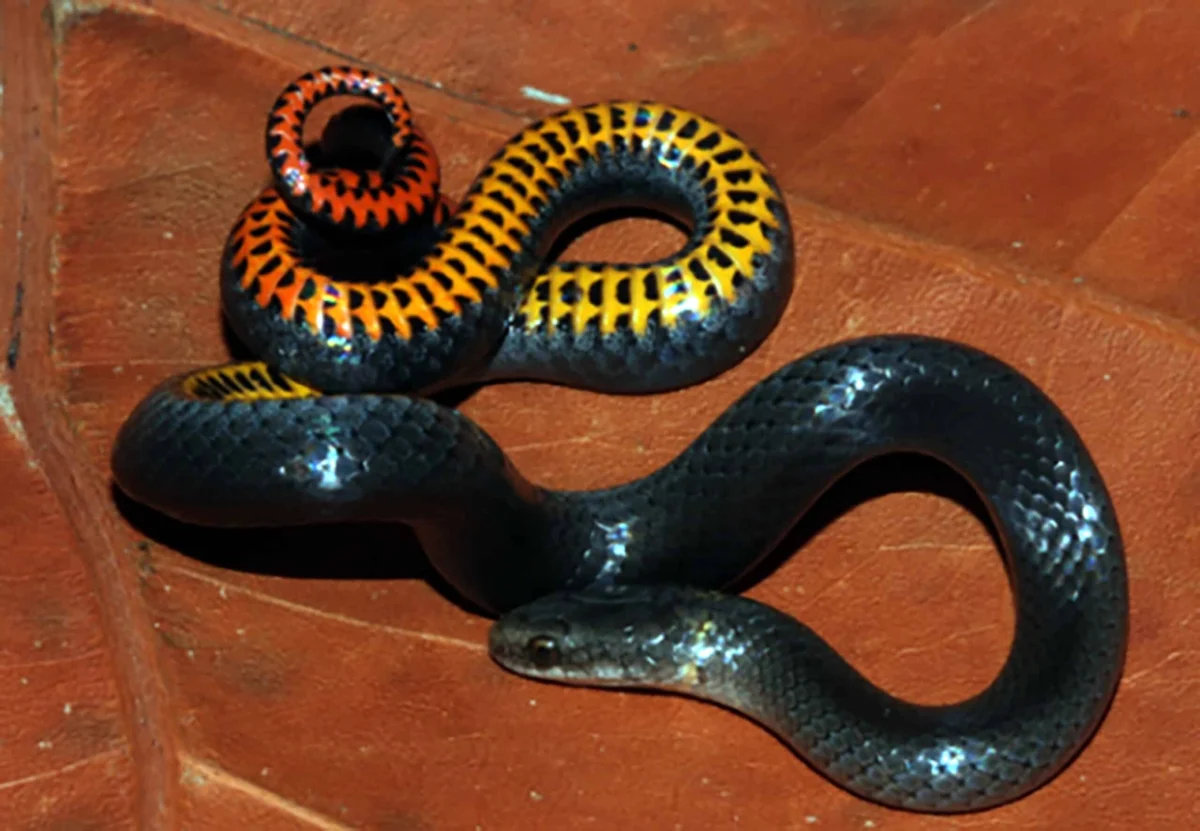
A master of camouflage and subtlety, the Key ring-necked snake is an incredibly small serpent, rarely exceeding six inches in length. Its physical appearance is striking yet understated: a slate-gray dorsal surface contrasted by a vibrant red-and-yellow belly. A signature "muted" orange ring typically encircles the neck, though, in some individuals, this feature may be faint or entirely absent.
This subspecies is geographically restricted to a narrow range within the Florida Keys. Because of its limited habitat and reclusive nature, data on population trends has been notoriously difficult to collect, making its federal protection a critical milestone for its survival.
The Rim Rock Crowned Snake (Tantilla oolitica)
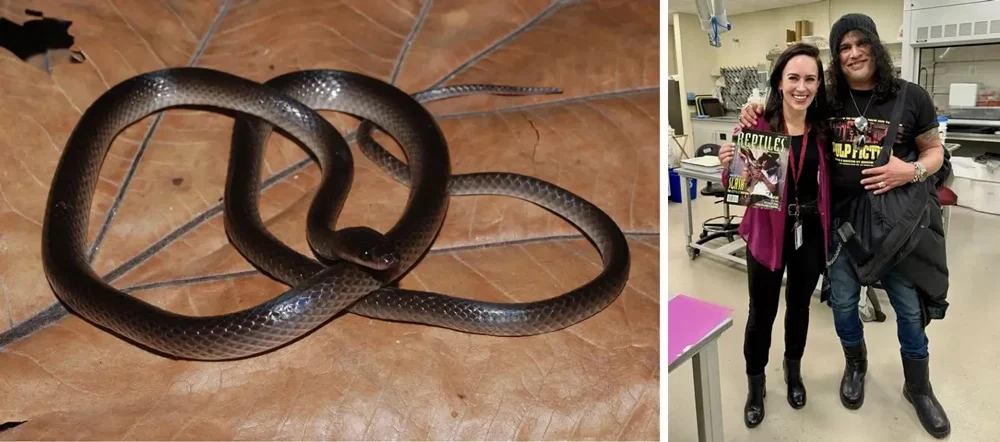
Slightly larger than its ring-necked counterpart, the rim rock crowned snake can grow to approximately 11.5 inches. It possesses a distinctively dark, black head that contrasts with a tan and beige body. Its name is derived from the "Miami rim rock," a geological formation of oolitic limestone that characterizes the region.
The rim rock crowned snake is a specialized insectivore, preying on an array of invertebrates including centipedes, spiders, scorpions, and various insect larvae. Once found throughout Central Florida, its range has contracted significantly due to urban development. Today, it is primarily identified within Miami-Dade County and portions of the Florida Keys. It has long been recognized as endangered by the International Union for Conservation of Nature (IUCN), and this federal listing finally aligns national protections with the reality of its critical status.
Chronology of Conservation Efforts
The road to federal protection has been a multi-year journey involving years of biological surveys, legal petitions, and intense public debate.
- Pre-2020: Both species were already recognized as threatened under Florida state law. Conservationists and biologists repeatedly raised alarms regarding the rapid loss of pine rockland habitats in Miami-Dade and the Keys.
- 2021–2023: As data suggested that local state-level protections were insufficient to stop the decline, the USFWS began conducting internal status reviews. During this period, the IUCN heightened its warnings regarding the rim rock crowned snake.
- 2025 (Proposed Listing): The USFWS officially proposed the listing of both snakes as endangered, opening a window for public comment. The proposal emphasized that the "imminent threat" of habitat loss outweighed current conservation efforts.
- July 2026: Following a comprehensive review of the scientific literature and environmental impact assessments, the USFWS finalized the rule, granting both species the full protection of the Endangered Species Act. This move ensures that any federally funded or permitted projects in the region must undergo rigorous consultation to ensure no "jeopardy" to these species.
Supporting Data: Why the Habitat Matters
The plight of these snakes is inextricably linked to the fate of Florida’s limestone outcroppings. These ecosystems are found nowhere else on Earth, extending only into parts of the Bahamas.
The oolitic limestone substrate provides essential micro-habitats for these snakes. Unlike more mobile species, these snakes rely on the subterranean crevices and rock-strewn surfaces of the pine rocklands to regulate their temperature, hunt for prey, and escape predators.
The Threat of Fragmentation
Data from the Florida Fish and Wildlife Conservation Commission (FWC) indicates that the pine rockland habitat has been reduced to a fraction of its historical range. Urban sprawl, particularly in the Miami metropolitan area, has paved over the very limestone foundations that these snakes require.
"When we talk about the loss of these species, we are really talking about the loss of the pine rockland ecosystem," noted one lead researcher during the listing process. "The snakes are the survivors of a fragmented landscape. Without federal intervention, the connectivity required for their breeding and foraging will vanish entirely."
Official Responses and Strategic Vision
The announcement by the U.S. Fish and Wildlife Service has been met with broad support from the scientific community, though it highlights the complex challenge of balancing development with conservation.
U.S. Fish and Wildlife Service Southeast Regional Director Mike Oetker underscored the importance of collaborative governance in his statement:
"Florida’s extraordinary wildlife and habitats are found nowhere else in the world, and protecting them takes strong partnerships and sound science. This listing reflects our commitment to working with landowners, tribes, state and local agencies, and other partners to conserve these species and the ecosystems they depend on, ensuring they remain part of Florida’s natural heritage for future generations."
The emphasis on "partnerships" is key. Much of the land in the Florida Keys and parts of Miami-Dade is privately owned or managed by municipal agencies. The USFWS intends to provide technical assistance to landowners to implement "safe harbor" agreements, which encourage habitat management without penalizing property owners for the presence of the endangered snakes.
Implications of the Endangered Listing
The federal listing of the Key ring-necked snake and the rim rock crowned snake carries significant legal and practical implications:
1. Regulatory Oversight
Under Section 7 of the Endangered Species Act, all federal agencies must ensure that any action they authorize, fund, or carry out is not likely to jeopardize the continued existence of these species. This means that infrastructure projects, road expansions, and commercial developments in known habitats will now require formal biological assessments.
2. Research Funding
The designation unlocks federal grant opportunities dedicated to the study and recovery of endangered species. Biologists expect a surge in research regarding the reproductive habits of these snakes, as very little is currently known about their breeding cycles or population dynamics in the wild.
3. Habitat Restoration
The listing mandates the identification and protection of "critical habitat." This does not mean the immediate cessation of all activity, but it does mean that restoration of degraded pine rockland will become a priority. This includes the removal of invasive plant species—such as Brazilian pepper and Australian pine—that choke out the native vegetation essential for the snakes’ prey base.
4. Cultural and Educational Awareness
Finally, the listing serves as a massive public awareness campaign. By bringing these obscure, non-venomous snakes into the national spotlight, the USFWS hopes to change the public perception of these animals. Often feared or disregarded as pests, these snakes are now recognized as essential components of Florida’s biological heritage.
Conclusion: A Future for Florida’s Hidden Jewels
The path forward for the Key ring-necked snake and the rim rock crowned snake will not be easy. As the human population of Florida continues to grow, the pressure on land will remain intense. However, the federal listing provides a necessary shield against the encroachment of development.
By prioritizing the protection of the limestone outcroppings and the unique pine rockland ecosystems they represent, the U.S. Fish and Wildlife Service is attempting to ensure that these "hidden jewels" of Florida are not lost to history. Success will depend on the continued integration of rigorous science, the cooperation of private landowners, and a sustained commitment to ecological stewardship. For now, the future of these two rare snakes is slightly more secure, offering a glimmer of hope that the natural character of South Florida can be preserved in the face of rapid environmental change.