Main Facts: A Story of Digital Serendipity
In an era where social media algorithms are often criticized for creating echo chambers, they are simultaneously serving as a lifeline for the most vulnerable members of society: rescue animals. The story of Bobby, a dog whose journey from an uncertain future to a loving home was facilitated by persistent digital visibility, serves as a poignant case study in modern pet adoption.
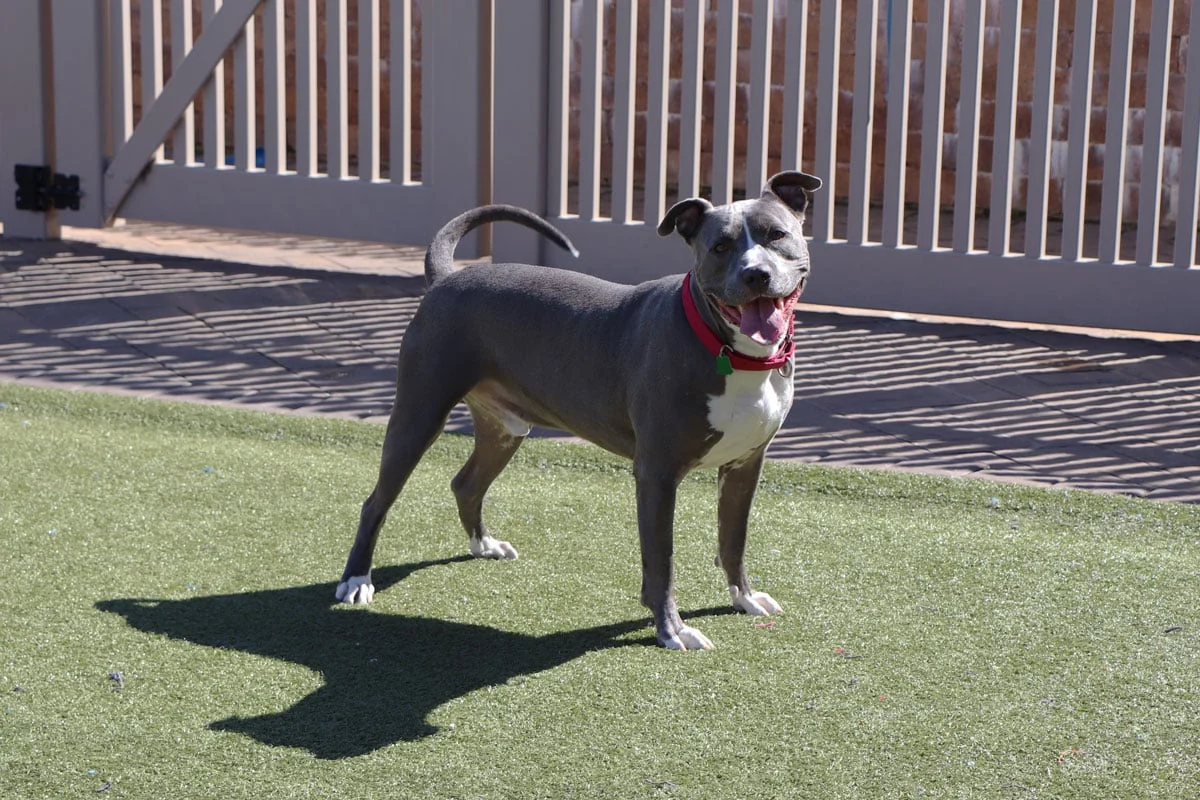
Bobby, whose past was marked by the kind of instability that often leads to long-term shelter stays, became a recurring face on the social media feeds of a local animal rescue organization. His story highlights a paradigm shift in animal welfare—a transition from traditional brick-and-mortar shelters to hyper-connected digital networks where "scrolling" can lead to life-saving decisions. His eventual adopters, Christine and her daughter, did not stumble upon Bobby by chance; they were drawn to him by the sheer frequency and emotional resonance of his online presence.
Chronology: The Journey to Connection
The Digital Presence
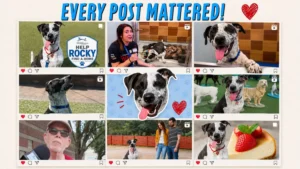
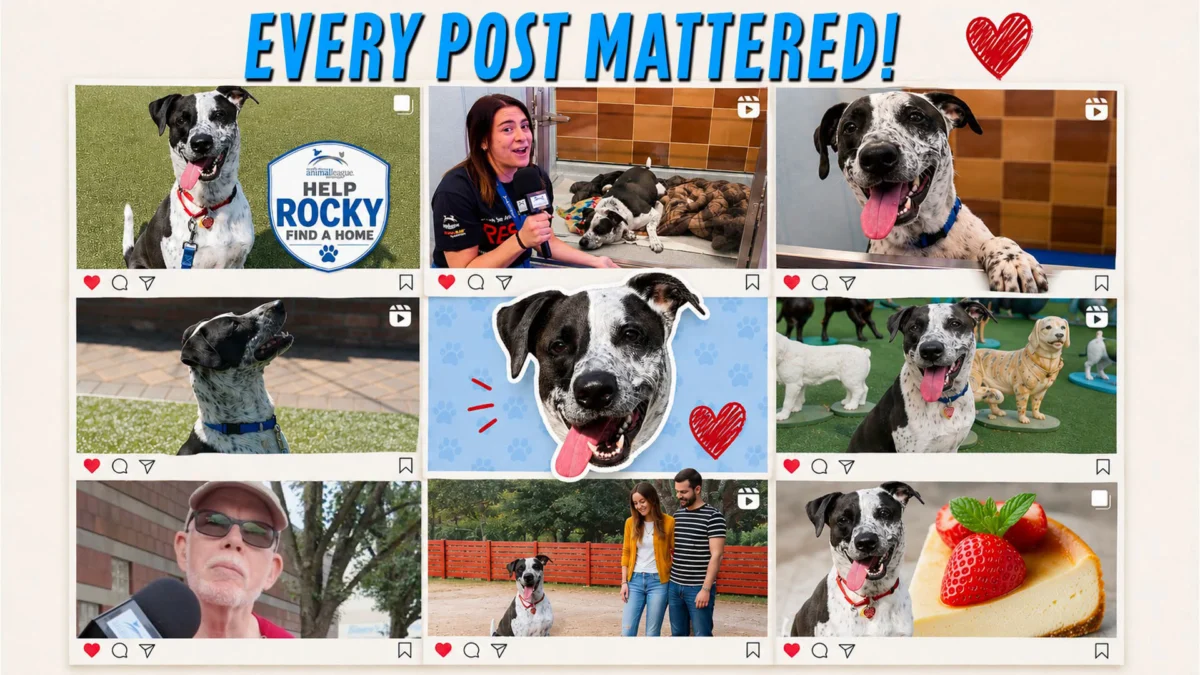
For months, Bobby remained in the care of rescue workers. Despite his charming demeanor, he was frequently overlooked. The rescue organization, recognizing that his personality wasn’t translating through static kennel photos, pivoted their strategy. They began sharing high-quality, candid videos and stories that showcased Bobby’s quirks, his temperament, and his longing for companionship.
For Christine, the transition from passive viewer to active adopter was subtle. "Every time his picture popped up, I’d think, ‘Oh my god, he is so adorable,’" she recalled. The algorithm—often a subject of skepticism—acted as a persistent matchmaker.
The Decisive Moment
The pivotal moment occurred on an unremarkable weekday when Christine shared the social media post with her daughter. The emotional impact was immediate. "The first time I showed him to my daughter, she started to cry," Christine shared. "She said, ‘We have to adopt him.’ It wasn’t a request; it was a realization."
The First Meeting
The physical meeting between Bobby and his new family served as the final validation of a digital connection. When they met at the shelter, the chemistry was immediate. For the staff who had watched Bobby wait for months, it was the culmination of a deliberate advocacy campaign. The "meant to be" sentiment expressed by the family was not merely sentimental; it was the result of a carefully nurtured digital bond that bridged the gap between the shelter and the home.
Supporting Data: The Impact of Digital Advocacy on Adoption
To understand why Bobby’s story is significant, one must look at the broader trends in animal rescue. According to the American Society for the Prevention of Cruelty to Animals (ASPCA), approximately 6.3 million companion animals enter U.S. animal shelters nationwide every year. The challenge for these organizations is visibility.
The Algorithm Advantage
Research suggests that animals featured on social media platforms are adopted significantly faster than those that rely solely on in-person foot traffic. The "frequency effect," as seen in Bobby’s case, is a well-documented phenomenon in digital marketing. When a prospective adopter sees an animal repeatedly, it builds a parasocial relationship—a sense of familiarity that lowers the barrier to adoption.
The Shift in Demographics
Data indicates that millennials and Gen Z, who represent the largest demographic of current pet adopters, rely almost exclusively on digital platforms to find their pets. By moving the "adoption floor" to Instagram, Facebook, and TikTok, shelters are meeting adopters where they already spend their time.
Official Responses: The Philosophy of Commitment
The adoption of Bobby was not just a successful transaction; it was a testament to a shift in how we perceive pet ownership. When asked about Bobby’s history—which included behavioral hurdles that might have discouraged less dedicated adopters—Christine’s perspective was unwavering.
"When you adopt a pet and bring them into your family, they’re part of your family," she explained. "You figure it out. Pets aren’t perfect. Neither are people. You’re not going to return your child because they misbehave."
Perspectives from Animal Welfare Professionals
Local rescue directors echo this sentiment. Many organizations are now moving toward "open adoption" models, which focus on conversational counseling rather than rigid background checks. The goal is to facilitate long-term success by matching animals with families who understand the nuances of the transition period.
"The most successful adoptions happen when the family understands that there is an adjustment phase," says a regional rescue coordinator. "When an adopter adopts the mindset that this is a ‘for-life’ commitment, the animal feels that security. That’s when the personality really shines."
Implications: A New Era for Shelter Animals
Redefining "Perfect"
Bobby’s story challenges the narrative that animals must be "perfect" or "easy" to be worthy of adoption. By emphasizing that animals, like humans, have histories and complexities, the narrative shifts from "finding a pet" to "welcoming a family member." This shift is vital for animals with trauma histories or behavioral needs.
The Responsibility of the Digital Age
The success of digital advocacy brings with it a responsibility for shelters to provide accurate representations of their animals. Misleading or overly curated content can lead to "return-to-shelter" situations if the animal does not meet the expectations set by social media. Therefore, the rise of digital advocacy must be paired with transparent communication regarding the animal’s needs and limitations.
Building Resilient Communities
The ripple effect of Bobby’s adoption extends beyond one dog and one family. When success stories like his are shared, they inspire others to consider adoption over purchasing from breeders. It fosters a culture of compassion that views rescue animals not as damaged goods, but as resilient companions capable of deep attachment.
Conclusion: The Power of Persistent Love
The story of Bobby is more than a heartwarming anecdote; it is a blueprint for the future of animal welfare. By leveraging digital connectivity to showcase the authentic, often imperfect lives of shelter animals, organizations can create deep, meaningful connections that transcend the physical walls of a kennel.
Christine’s decision to commit to Bobby, despite the challenges that come with any adoption, represents a maturation in how society approaches the human-animal bond. It moves us away from a consumerist view of pets as "products" to be swapped if they are inconvenient, and toward a kinship model where patience and dedication are the standard.
As we continue to navigate the digital age, Bobby’s face on a screen reminds us that technology, when used with intent and empathy, can be the most powerful tool for good. It proves that even in a noisy, crowded digital world, a single, persistent message of hope can find its way to the exact person who needs to hear it. For Bobby, the algorithm didn’t just suggest a pet—it helped him find his family, and in doing so, it helped a family find a deeper understanding of what it means to belong to one another.