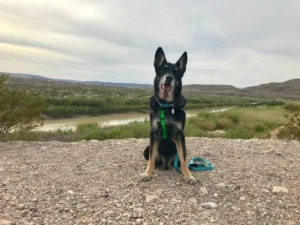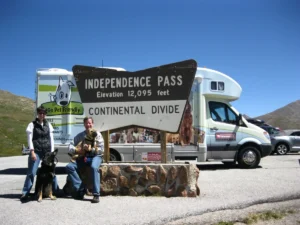
Road trips are more than just a method of transportation; they are a storied tradition of discovery and freedom. For many, the quintessential American vacation involves packing the car, rolling down the windows, and heading into the unknown. Yet, for pet owners, the magic of the open road is incomplete without their four-legged companions. Whether it is a yellow lab watching the Montana landscape blur by or a terrier scouting for squirrels from the passenger seat, the presence of a pet turns a simple commute into an epic adventure.
As the popularity of "van life" continues to surge, more travelers are discovering that renting a campervan is the perfect middle ground between the austerity of tent camping and the logistical heavy-lifting of a full-scale RV. By choosing the right vehicle and planning for the unique needs of your animal companion, you can turn a mobile vacation into a seamless, pet-centric odyssey.
Main Facts: Why Choose an Adventure Van?
For those who find the idea of setting up a tent in the rain unappealing but are intimidated by the sheer size and fuel costs of a massive Class A motorhome, the campervan is a revelation. Generally, these vehicles are built on standard van chassis, making them agile enough to navigate winding mountain passes and compact enough to fit into conventional parking spaces.
The primary appeal lies in the balance of convenience and mobility. Modern rental fleets offer optimized layouts that provide dedicated sleeping quarters, storage for gear, and a small kitchen area—all while maintaining a footprint that feels like a standard SUV. Crucially, as the pet travel industry expands, an increasing number of rental companies are shedding the restrictive "no pets" policies of the past. Today, van rental agencies are actively marketing their vehicles as pet-friendly, recognizing that for many travelers, a pet is not an accessory—it is a family member.
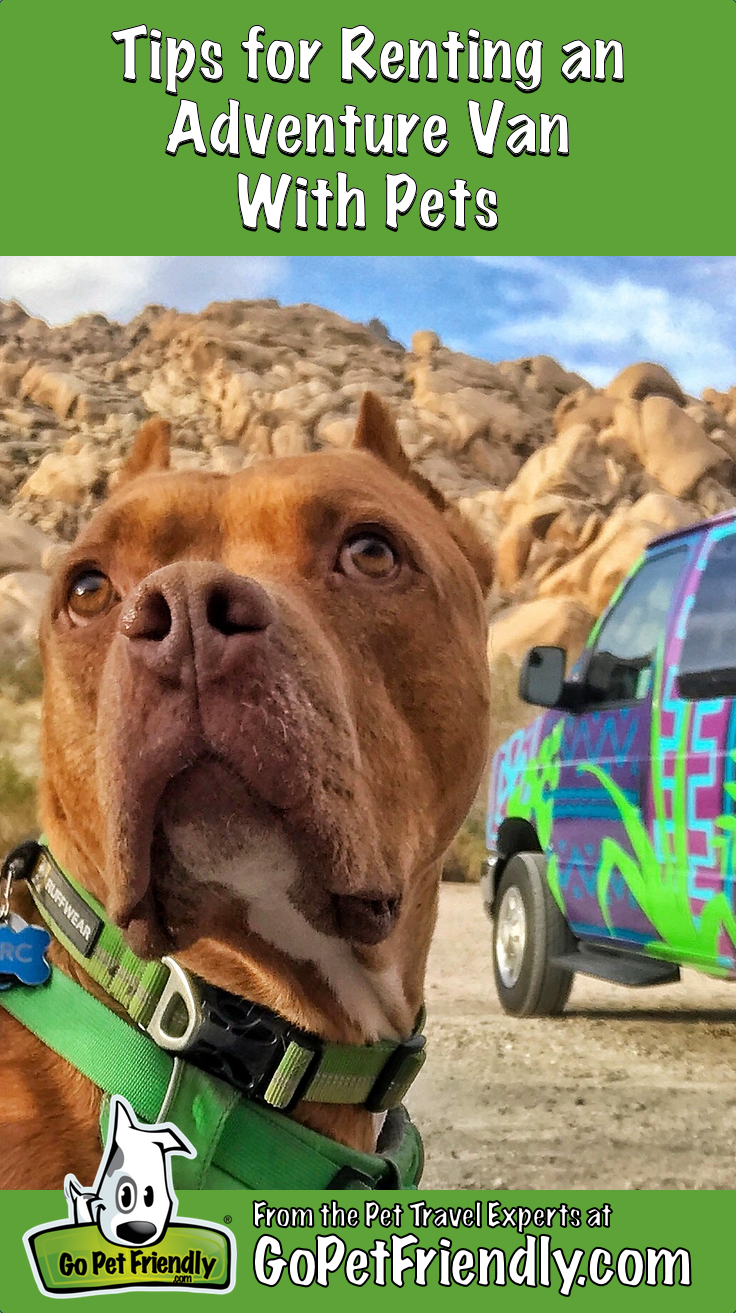
Chronology of a Successful Pet-Friendly Trip
Planning a trip with a pet requires a shift in perspective. You are no longer just planning for your needs; you are managing a logistics operation for a living creature.
Phase 1: Research and Booking (2–3 Months Prior)
Do not wait until the last minute to book. Pet-friendly rentals are in high demand. Use platforms like GoPetFriendly.com to identify reputable rental companies. When you contact them, ask specific questions:
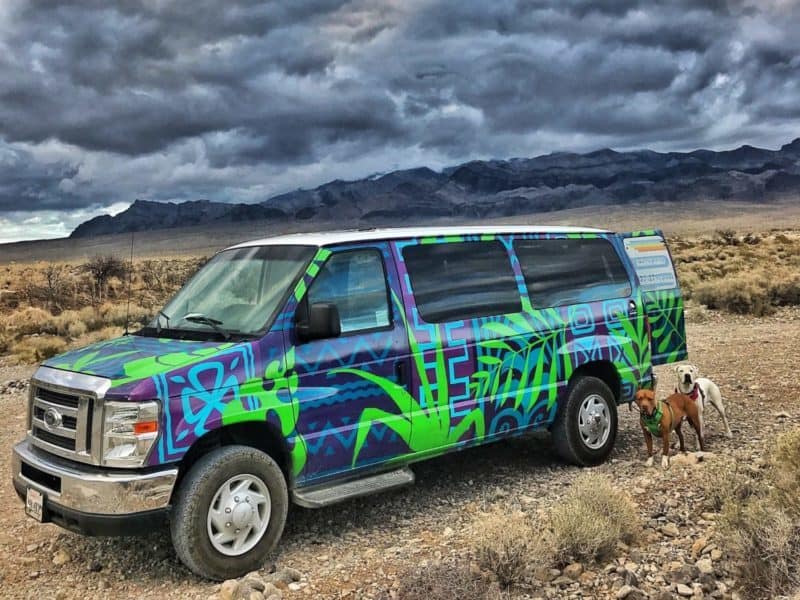
- Are there weight or breed restrictions? (Note: Some companies have policies that aren’t listed on their websites.)
- Are there seasonal pet bans? Some companies, such as Escape Campervans, may prohibit pets during peak summer months (July–September) to protect animals from the risks of heatstroke in metal-bodied vehicles.
- What is the pet fee? Most companies charge a one-time cleaning fee, which is a small price to pay for the privilege of keeping your pet close.
Phase 2: The Packing List (1 Week Prior)
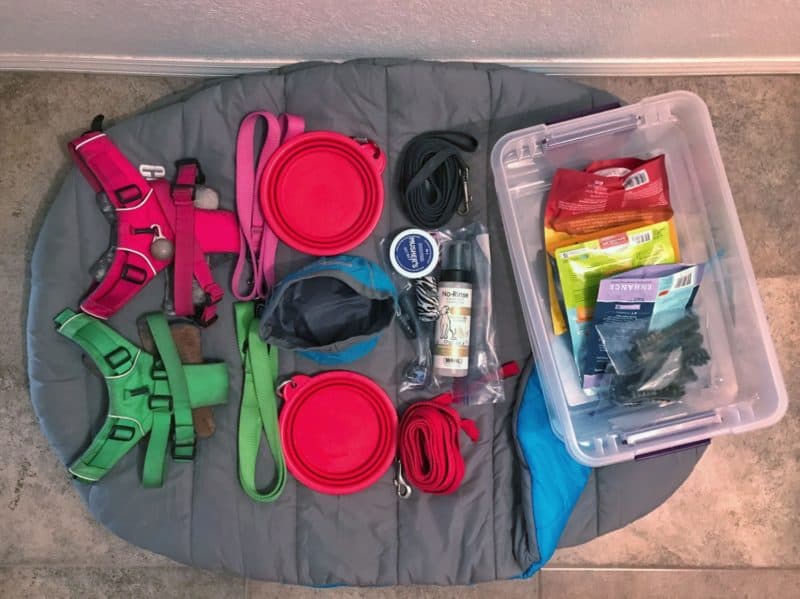
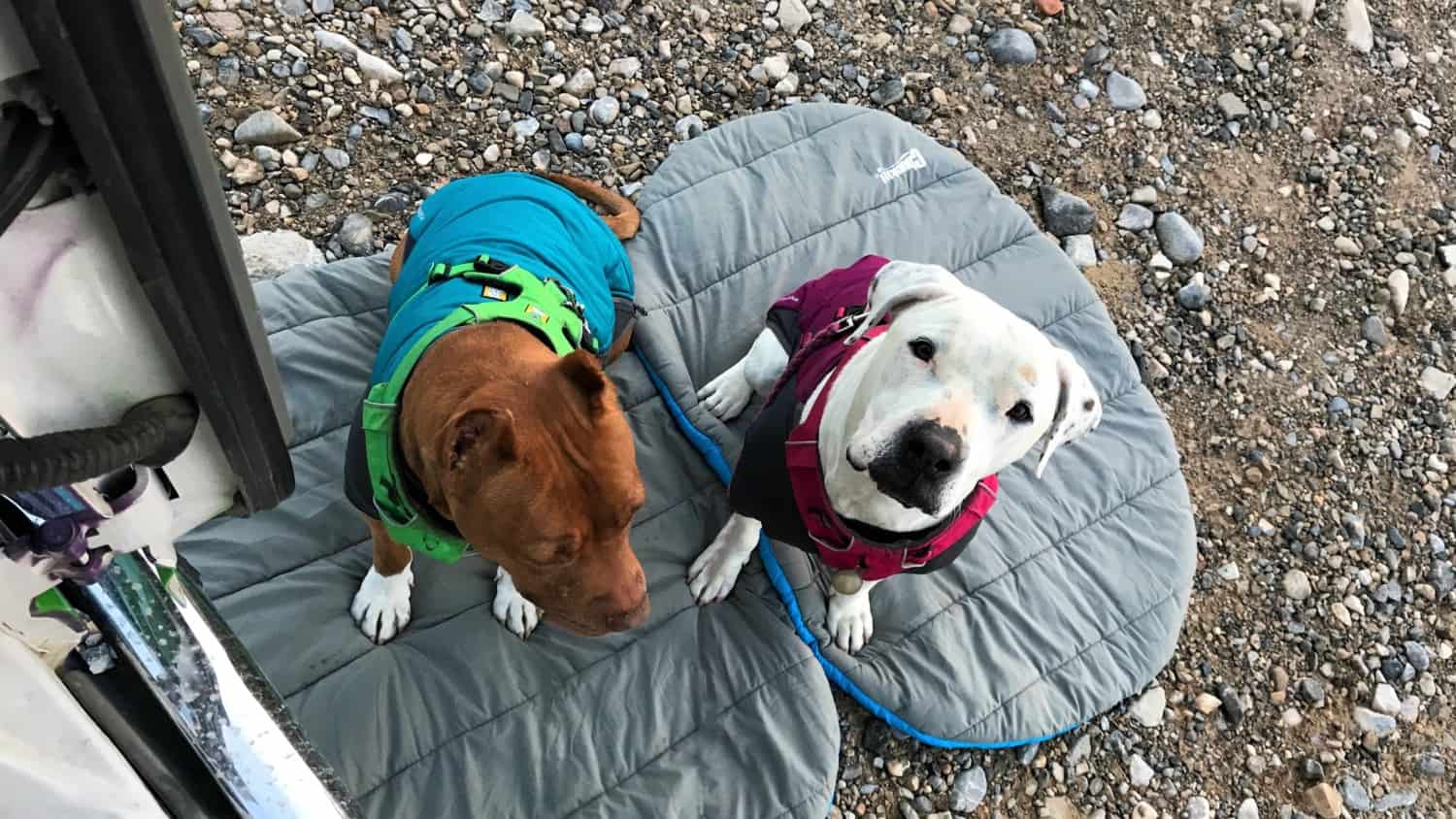
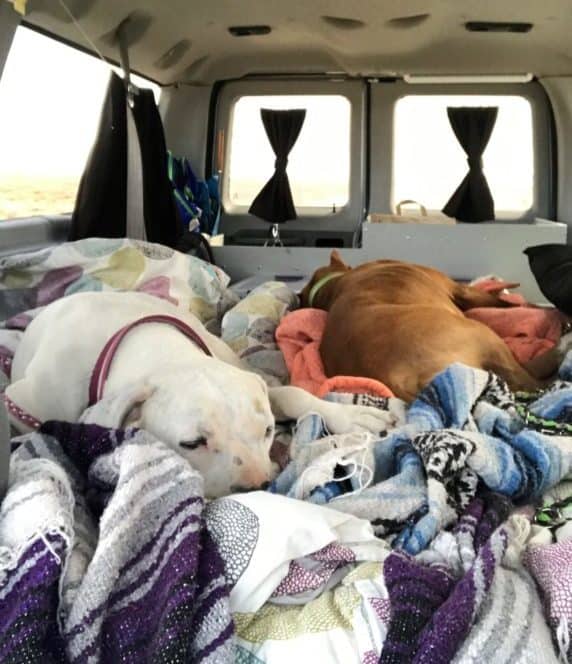
Preparation is the antidote to stress. Beyond your standard travel gear, curate a "Pet Survival Kit." This should include familiar items that provide comfort and reduce anxiety, such as their favorite bed, a well-worn toy, and a blanket that smells like home.
Phase 3: The Departure
On the day of your departure, perform a "van check." Look for potential escape routes, secure loose items that could become hazards, and ensure your pet is properly secured via a crash-tested harness or a secure crate.
Supporting Data: Safety and Logistics
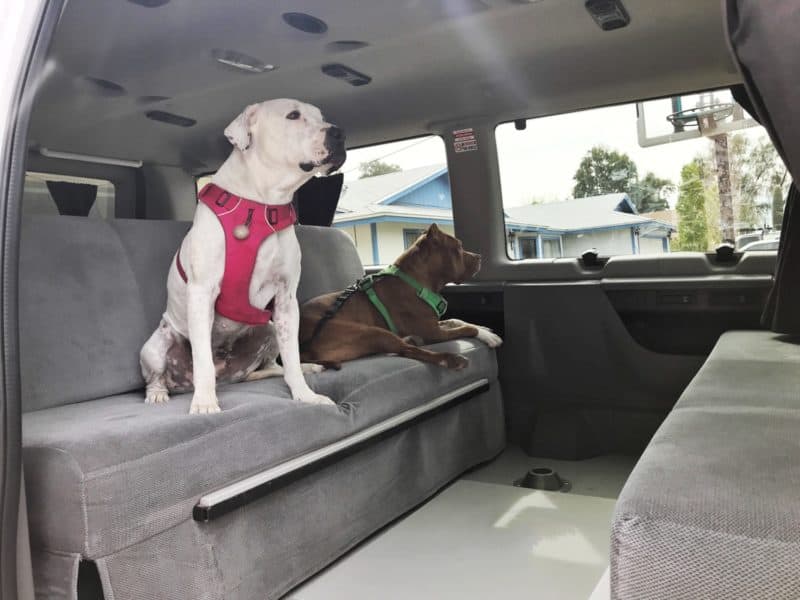
Safety on the road is non-negotiable. When driving a campervan, you must consider how your pet is positioned. Many campervans feature rear seating that converts into a bed; these are often the safest spots for your pets. Utilize seatbelt attachments specifically designed for canine safety harnesses.
If your pet is crate-trained, a crate is often the safest way to travel, provided it is secured to the floor or the van’s internal frame. Never allow your pet to roam free while the vehicle is in motion. A sudden stop can turn a loose pet into a projectile, posing a significant risk to both the animal and the driver.
The "Cleanliness Protocol"
Small spaces accumulate dirt rapidly. To keep your van livable, implement a strict "clean paws" policy. Carry a dedicated microfiber towel by the door, use a spray bottle with water and a mild, pet-safe soap, and consider using a portable, foldable yoga mat at the entrance. The yoga mat serves as an excellent "airlock" for mud and debris, and it can be rolled up and stored in seconds.
Official Responses and Industry Trends
Industry experts suggest that the rise of the "pet-parent" demographic has forced rental companies to evolve. Historically, rental agreements were designed to minimize risk to the vehicle’s interior, leading to blanket bans on animals. However, data from travel agencies indicates that pet-friendly listings receive 40% more inquiries than non-pet-friendly listings.
"The modern traveler wants a holistic experience," says one industry representative. "They don’t want to board their dog. They want to wake up in a national forest with their dog at their feet. Companies that adapt to this—by offering easy-to-clean flooring, pet-friendly insurance riders, and flexible policies—are the ones capturing the market."
Implications: The Psychological and Physical Benefits
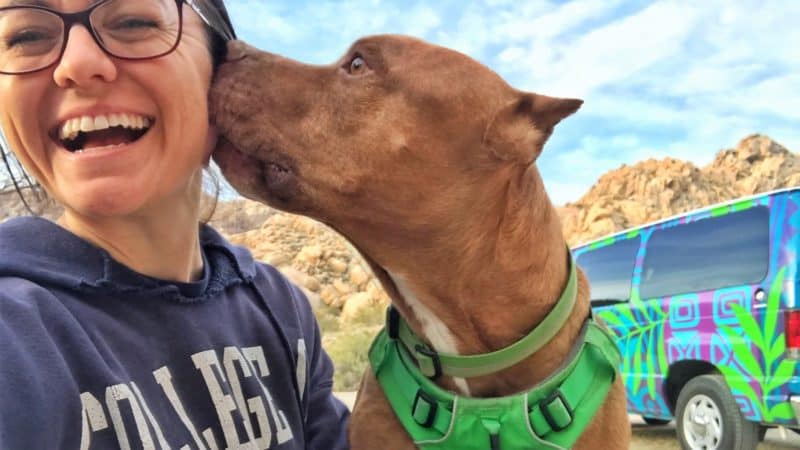
Traveling with a pet in a van is more than just a vacation; it is a bonding experience that shifts your relationship with your animal.
The Psychological Aspect
Being in a confined, nomadic space forces you to slow down. You are more attuned to your pet’s needs—their exercise requirements, their comfort level, and their emotional state. This "forced mindfulness" is a significant antidote to the stress of modern life.
Managing the "Lurkers"
A crucial, often overlooked, aspect of van life with pets is the "food thief" phenomenon. When living in a small space, a plate of food left on a counter for a second is an invitation for trouble. Constant vigilance is required, especially in small, cramped kitchens where a counter might also double as a desk. Keeping your pet occupied with a chew toy or a treat-dispensing puzzle while you cook is a professional-level tip that prevents stolen meals and ruined dinners.

Choosing Your Destination
Your choice of destination dictates your experience. If you are seeking community, private campgrounds offer amenities like high-speed Wi-Fi, laundry facilities, and social events. If you are seeking solitude, Bureau of Land Management (BLM) land offers "dispersed camping"—free, primitive sites where you are often the only person for miles.
However, be warned: dispersed camping lacks the infrastructure of state parks. You must be prepared to carry out your own trash and manage your water supply. Always check local regulations regarding pets; while many BLM areas are pet-friendly, some high-traffic national parks have strict "on-leash only" policies, and some trails are entirely off-limits to dogs to protect local wildlife.
Conclusion: Crafting Paws-ome Memories
Renting an adventure van with your pet is a logistical endeavor, but the rewards are profound. By prioritizing safety, preparing for the realities of small-space living, and respecting the regulations of the lands you visit, you can create a travel experience that transcends the ordinary.
From the winding, historic roads of Route 66 to the quiet, star-filled skies of a national forest, the world looks different when seen through the eyes of your dog. They remind us to find joy in a new scent, a patch of sun on the floor, or a long walk at the end of a drive. So, pack the extra treats, secure the harness, and prepare to hit the road. Your next great adventure is waiting, and this time, no one gets left behind.