In a significant shift within the premium pet nutrition sector, Hill’s Pet Nutrition—a subsidiary of Colgate-Palmolive and a dominant force in the veterinary-recommended food market—has officially launched its foray into the "fresh" dog food category. The introduction of three new products under the Science Diet brand marks a pivotal moment in the industry, signaling that the "refrigerated" trend, once the sole domain of boutique startups and direct-to-consumer brands, has now fully permeated the upper echelons of "Big Pet Food."
However, the launch has not arrived without scrutiny. As Hill’s positions its Science Diet Single Protein Dog Food Rolls as a "science-backed" alternative to existing fresh options, consumer advocates and industry analysts are raising questions regarding the discrepancy between marketing imagery and ingredient quality, as well as the conspicuous lack of regulatory oversight regarding the term "fresh."
Main Facts: The Hill’s Launch and the Marketing-Content Gap
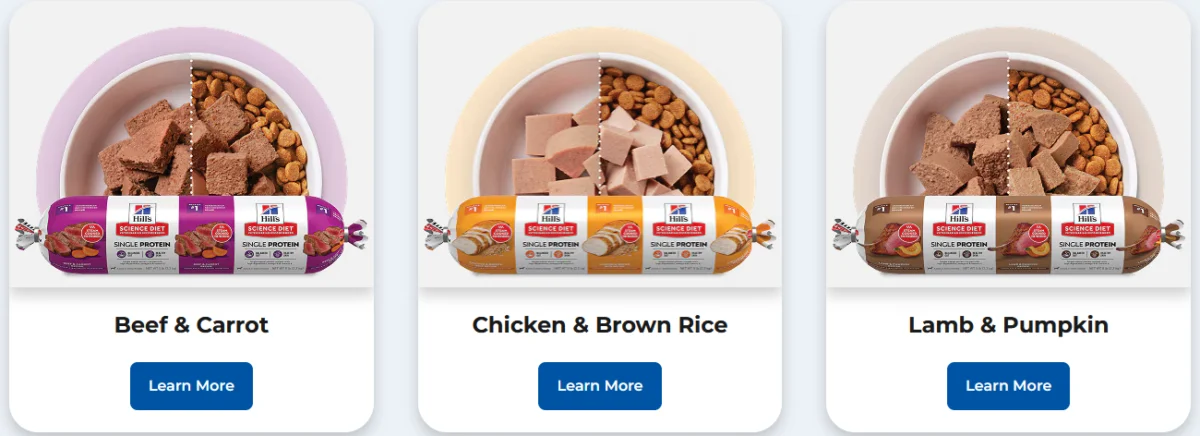
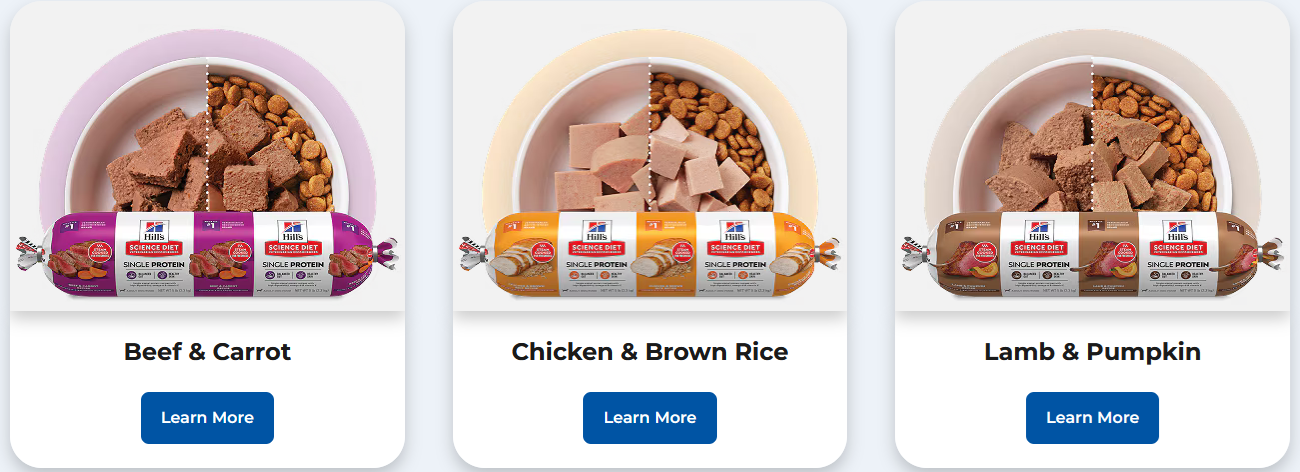
Hill’s Pet Nutrition has introduced three specific products into its new refrigerated line: Science Diet Single Protein Dog Food Rolls. By focusing on "single protein" sources, the company is targeting a specific niche of pet owners—those managing dogs with dietary sensitivities or those who prefer a simplified ingredient list.
The Product Lineup
The new offerings are designed to be kept in the refrigerator, mimicking the storage requirements of human food to emphasize the "freshness" of the product. While the specific formulations aim to provide complete and balanced nutrition, the primary differentiator is the delivery format. Moving away from the traditional high-heat extrusion process used for kibble, these rolls are marketed as a less processed, more palatable option for discerning pets.
The "Human-Grade" Visual Discrepancy
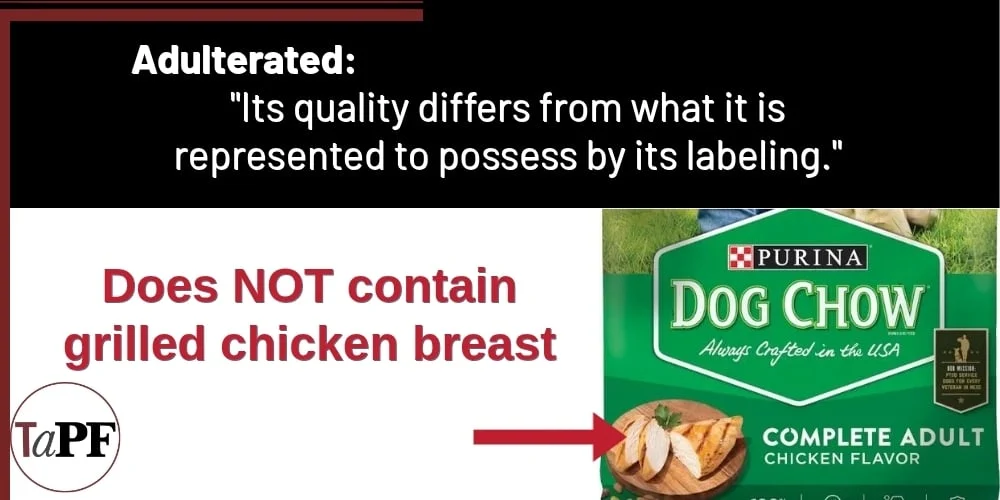
One of the most contentious aspects of the new launch involves the product packaging. The labels prominently feature high-resolution imagery of human-grade ingredients, such as seared steak, succulent chicken breast, and roasted lamb. For the average consumer, these images suggest that the product contains the same quality of meat found at a local butcher or grocery store.
However, industry experts and advocates, including Susan Thixton of TruthAboutPetFood.com, point out that these pet foods are not classified as "human-grade." In the United States, "human-grade" is a specific legal standard requiring that every ingredient in the product is edible for humans and that the product is manufactured, packed, and held in accordance with federal regulations for human food. The Hill’s products, despite the imagery, are "feed-grade," meaning they are intended solely for animal consumption and may contain ingredients or be processed in facilities that do not meet human food safety standards.
Strategic Targeting of Veterinarians
Unlike competitors such as Blue Buffalo or Mars Petcare, which have marketed their fresh offerings directly to consumers through retail channels and television advertising, Hill’s is leveraging its long-standing relationship with the veterinary community. The company’s press release explicitly states: “Veterinarians want to feel confident when recommending fresh food and our Science Diet Single Protein Dog Food Rolls give them a science-backed option they can trust.” This strategy attempts to "medicalize" the fresh food trend, positioning Hill’s as the professional choice in a market currently dominated by lifestyle-branded startups.
Chronology: The Evolution of the Fresh Pet Food Market
The entry of Hill’s into the refrigerated space is the culmination of a decade-long shift in how pet owners perceive nutrition. Understanding how we arrived at this point requires a look at the timeline of the "Fresh" movement.
2010–2018: The Rise of the Disruptors
The "fresh" movement began in earnest with companies like Freshpet, which placed branded refrigerators in grocery stores, and later with Direct-to-Consumer (DTC) brands like The Farmer’s Dog and Nom Nom. These companies capitalized on the "humanization" of pets, arguing that traditional kibble was overly processed and nutritionally dead. They successfully convinced a segment of the market that "if you wouldn’t eat it, your dog shouldn’t either."
2019–2022: Big Pet Food Responds
Seeing the rapid growth of the fresh segment—which often boasts double-digit year-over-year increases—major conglomerates began to enter the fray. Mars Petcare (the parent company of Royal Canin and Pedigree) and Blue Buffalo (owned by General Mills) launched their own refrigerated or "gently cooked" lines. These products were primarily aimed at retail consumers looking for premium upgrades to their standard pet food.
2023–Present: The Scientific Pivot
The latest phase, marked by the Hill’s launch, is the "Scientific Pivot." As the fresh market matures, there has been a pushback from the veterinary community regarding the nutritional balance of some boutique fresh brands. Hill’s has seized this opportunity to enter the market not as a lifestyle brand, but as a clinical one. By using the "Science Diet" branding, they are attempting to bridge the gap between the high-moisture, "fresh" format and the rigorous nutritional standards expected by DVMs (Doctors of Veterinary Medicine).
Supporting Data: The Regulatory Vacuum
The controversy surrounding Hill’s and its competitors is rooted in a significant lack of legal definitions within the pet food industry.
The Definition of "Fresh"
Currently, neither the Food and Drug Administration (FDA) nor the Association of American Feed Control Officials (AAFCO) has established a legal definition for the term "fresh" when applied to pet food. In the context of human food, "fresh" generally implies that the food is unprocessed, has not been frozen, and contains no preservatives. In pet food, however, the term is largely used as a marketing descriptor.
Because no legal standard exists, manufacturers are free to use "fresh" to describe foods that have been cooked, pasteurized, or contain preservatives, provided they are stored in a refrigerator. This lack of clarity allows for a broad spectrum of product quality to exist under the same "fresh" umbrella.
Purina’s "Freshly Prepared" Strategy
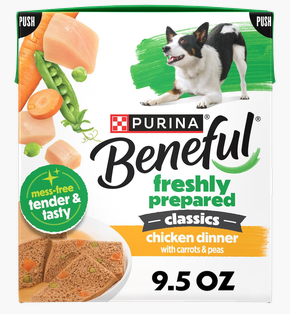
Nestlé Purina, the largest pet food manufacturer in the world, has taken a different approach. While they have not yet fully committed to a refrigerated "fresh" line, they have begun using the term "freshly prepared" in their Beneful product line. For example, the "Beneful Freshly Prepared Classics" are shelf-stable wet foods. By using the word "freshly" in the name, Purina is able to capture the consumer’s desire for freshness without the logistical overhead of a cold-chain distribution network. This highlights how the term is being leveraged as a psychological trigger rather than a processing standard.
Official Responses and Industry Advocacy
The reaction to the Hill’s launch has been divided between corporate optimism and consumer advocacy caution.
The Corporate Stance
Hill’s Pet Nutrition maintains that their entry into the refrigerated category is a response to the needs of both pets and the professionals who care for them. By providing a "single protein" roll, they claim to offer a solution for elimination diets and food trials that is more palatable than traditional hydrolyzed protein kibble. Their focus remains on "science-backed" nutrition, aiming to provide a sense of security to veterinarians who have been skeptical of the "fresh" craze.
The Consumer Advocate Perspective
Susan Thixton, a prominent pet food consumer advocate and founder of TruthAboutPetFood.com, has been a vocal critic of the labeling practices in this new category. Thixton argues that the use of human-grade imagery on feed-grade products is inherently deceptive.
"The pet foods are not human grade," Thixton notes, emphasizing that the steak and chicken breast shown on the label do not represent the actual quality of the rendered or feed-grade ingredients inside. Thixton and the Association for Truth in Pet Food (ATPF) have long lobbied AAFCO and the FDA to enforce stricter labeling requirements that would prevent companies from using "romance language" and misleading pictures to mask the use of low-quality byproducts or feed-grade meats.
Implications: What This Means for the Future of Pet Care
The entry of Hill’s into the fresh food market has several long-term implications for consumers, veterinarians, and the regulatory landscape.

1. The Normalization of High-Cost Feeding
Fresh pet food is significantly more expensive than kibble. By having a major player like Hill’s validate the category, it further normalizes the idea of spending $100–$300 a month on dog food. This "premiumization" of the industry continues to drive record profits for parent companies like Colgate-Palmolive and Nestlé, even as inflation impacts other consumer sectors.
2. Pressure for Regulatory Reform
As more major players use terms like "fresh" and "freshly prepared" without a legal framework, the pressure on AAFCO to define these terms will reach a breaking point. Consumer advocacy groups are likely to use the Hill’s launch as a "Exhibit A" in the argument for why federal standards must be updated to protect pet owners from misleading marketing.
3. The Veterinary Dilemma
Veterinarians are now in a complex position. While they may trust the Hill’s brand for its nutritional adequacy, they must also navigate the ethics of recommending a product that uses "human-grade" imagery for "feed-grade" ingredients. As pet owners become more educated about the difference between human-grade and feed-grade, veterinarians will need to be prepared to answer tough questions about what exactly is inside these refrigerated rolls.
4. Expansion of the Cold Chain
The success of Hill’s in this space will likely trigger a massive expansion of refrigeration units in veterinary clinics and specialty pet stores. If Hill’s can prove that the veterinary channel is a viable distribution point for refrigerated goods, we may see a shift in clinic layouts, with "food pharmacies" becoming as common as traditional medicine dispensaries.
Conclusion
The launch of Hill’s Science Diet Single Protein Dog Food Rolls is more than just a new product release; it is a signifier of the pet food industry’s future. It represents the intersection of high-concept marketing, the "humanization" of animals, and the clinical authority of the veterinary profession. However, as long as the definition of "fresh" remains unwritten in the halls of the FDA, the burden of discernment falls squarely on the pet owner. While Hill’s promises "science you can trust," advocates like Susan Thixton remind us that in the world of pet food, the image on the bag—or the roll—rarely tells the whole story.