The global pet food industry is often marketed through a lens of pristine health, showcasing images of succulent meats, vibrant vegetables, and clinical-grade safety. However, a recent revelation regarding a massive shipment of spoiled organic lamb highlights a starkly different reality behind the scenes. This case involving a salvage broker, a warehouse error, and federal regulatory "discretion" exposes a significant loophole in the American food safety system—one that allows meat deemed "unfit for human consumption" to be processed into pet food without any requirement for consumer disclosure.
Main Facts: The Auction of Adulterated Protein
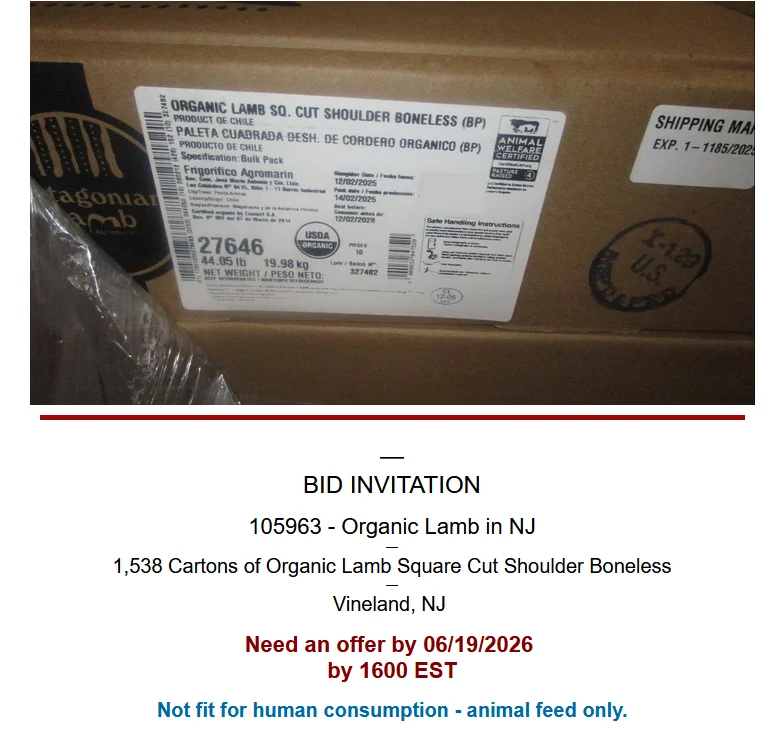
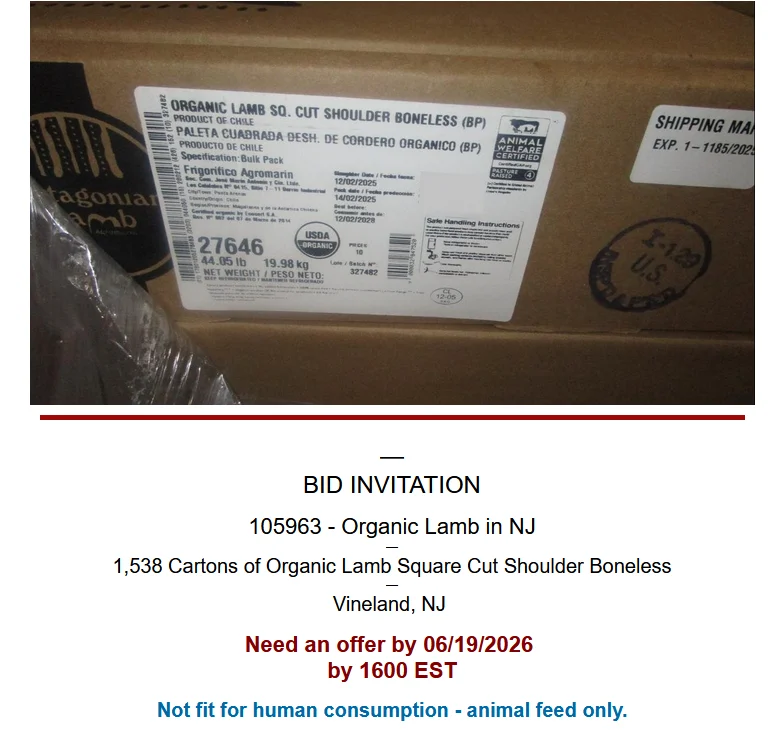
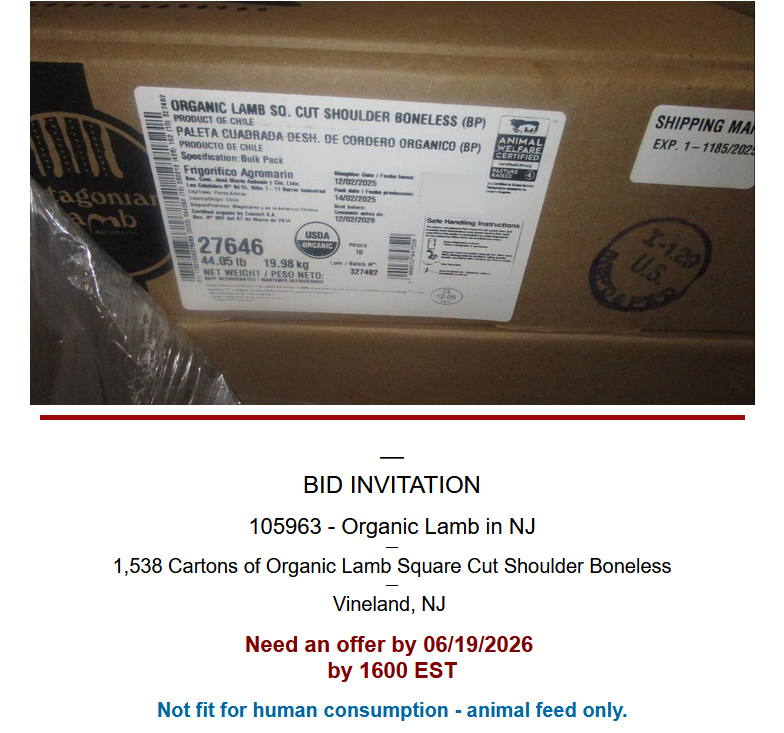
At the center of this controversy is an "offer" circulated by the Benedict Company, a salvage broker specializing in the resale of distressed goods. The product in question consists of 1,538 cartons of "Organic Lamb Square Cut Shoulder Boneless," totaling a staggering 53,077.15 pounds.
While the description "Organic Lamb" sounds premium, the "Reason for Sale" provided by the broker paints a grim picture. According to the offer, the meat arrived in the United States on June 20, 2025, having initially passed USDA inspection. However, a catastrophic logistical error occurred at the storage facility: the warehouse mistakenly stored the frozen lamb as a "chilled" product.
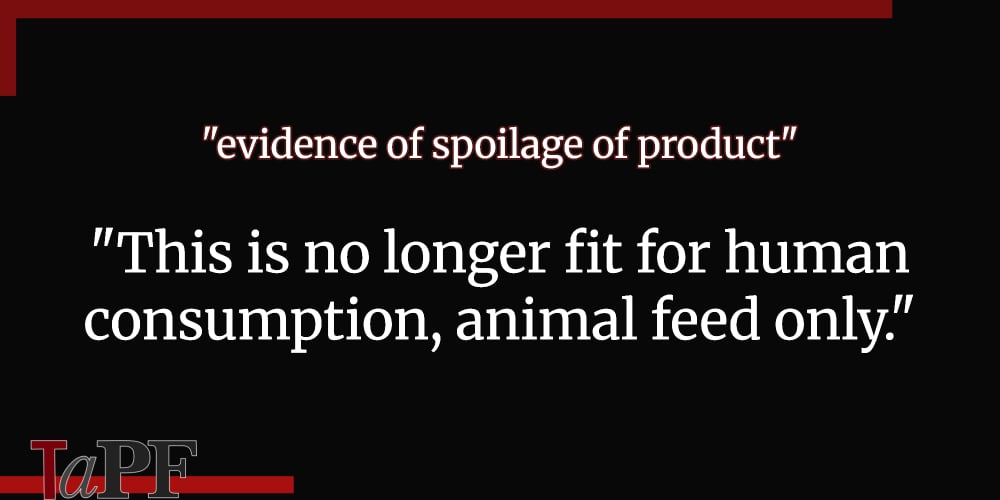
Over an extended period, the lamb defrosted, leading to what the broker described as "considerable bloodletting" that stained the packaging. Upon discovering the error, the warehouse re-frozen the product. However, the damage was already done. A survey conducted on June 4 (presumably 2026) noted a "malodor"—a polite industry term for the smell of rotting flesh—and "considerable icing" within the cartons. The broker’s conclusion was definitive: "This is no longer fit for human consumption, animal feed only."
The salvage company set a bidding deadline for June 19, 2026. Because pet food manufacturers are the primary buyers for such distressed animal proteins, this shipment of over 26 tons of spoiled lamb is destined to become an ingredient in commercial pet diets. Under current federal law, the manufacturer who wins the bid can still list "Organic Lamb" on their ingredient panel, despite the meat having undergone a year-long cycle of defrosting, rotting, and re-freezing.
Chronology: A Year of Spoilage and Regulatory Inertia
The timeline of this specific shipment, juxtaposed with the ongoing legal battle for pet food transparency, illustrates a systemic failure to protect consumers.
- June 20, 2025: The organic lamb shipment arrives in the U.S. and passes initial USDA inspection as fit for human consumption. It is transferred to a warehouse for frozen storage.
- Late 2025 – Early 2026: Due to a warehouse error, the product is kept at chilled temperatures rather than frozen. The meat thaws, blood leaks into the packaging, and spoilage begins.
- June 4, 2026: A surveyor inspects the product after it has been re-frozen. The report notes malodor (spoiling) and significant icing, confirming the product is compromised.
- June 2026: The Benedict Company circulates the offer to pet food manufacturers, seeking to recoup losses for the owner of the spoiled goods.
- June 19, 2026: The deadline for bids, marking the point at which the spoiled meat enters the pet food supply chain.
This specific incident occurs against the backdrop of a broader regulatory timeline. In June 2022, the Association for Truth in Pet Food (ATPF) submitted a formal petition to the Food and Drug Administration (FDA). The petition (FDA-2022-P-1643) requested that the agency require manufacturers to disclose on the label whether ingredients are "feed grade" (unfit for human consumption) or "human grade."
In March 2026, after nearly four years of deliberation, the FDA officially denied the petition. This denial effectively signaled to salvage brokers and manufacturers that the status quo—where rotting meat can be legally sold as a standard ingredient—would remain unchallenged.
Supporting Data: The Economics of Adulteration
The financial incentive to use spoiled meat in pet food is significant. In the world of "economically motivated adulteration" (EMA), the goal is to substitute or maintain a high-value label (like "Organic Lamb") while using a low-value, compromised ingredient.
The FDA defines EMA as occurring when "someone intentionally leaves out, takes out, or substitutes a valuable ingredient… or adds a substance to a food to make it appear better or of greater value." In the case of the 53,000 pounds of lamb, the "adulteration" is not the addition of a chemical, but the use of a decomposed version of the advertised ingredient.
By purchasing salvage meat at a fraction of the cost of fresh, human-grade lamb, a pet food company can significantly increase its profit margins. Because the heat-intensive rendering or extrusion process used in making kibble and canned food kills most pathogens (like Salmonella or E. coli), the manufacturer can argue the final product is "safe," even if the raw material was putrid. However, this process does not necessarily eliminate heat-stable toxins produced by bacteria during the spoilage phase, nor does it address the ethical breach of selling "organic" products that were once rotting in a warehouse.
The "Organic" label itself is a major selling point. According to market research, consumers are willing to pay a 20% to 50% premium for pet foods labeled "Organic" or "Natural." The Benedict Company offer proves that the "Organic" certification follows the animal from the farm to the warehouse, but the certification does not automatically vanish when the meat spoils. Thus, a consumer may pay $100 for a bag of "Organic Lamb" kibble, unaware that the lamb in question was rejected by human food inspectors for being malodorous and blood-stained.
Official Responses: The FDA’s Stance on "Consumer Expectations"
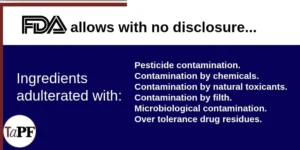
The FDA’s refusal to mandate transparency in pet food labeling is rooted in a policy known as "enforcement discretion." While the Federal Food, Drug, and Cosmetic Act technically prohibits the use of decomposed substances in food, the FDA’s Center for Veterinary Medicine (CVM) has historically allowed the pet food industry to ignore these standards.
In its March 16, 2026, response to the ATPF petition, the FDA justified its decision by stating that it failed to see how "establishing a definition and standard of identity for ‘feed grade’ ingredients is necessary to maintain the integrity of the food, or ensure that the food meets consumer expectations."
This statement has been widely criticized by consumer advocates. Susan Thixton, a prominent pet food advocate, argues that the FDA is essentially redefining "consumer expectations" to favor industry logistics over public knowledge. "The FDA thinks it is acceptable for pet food manufacturers to utilize spoiled, rotting ingredients without disclosure," Thixton stated. "They are protecting industry, not consumers."

The FDA’s position is that as long as the final product does not cause immediate illness, the source of the ingredients is irrelevant to the label. This creates a regulatory environment where "food fraud" is not only possible but structurally encouraged.
Implications: Marketing vs. Reality in the Pet Food Aisle
The implications of the Benedict Company’s lamb offer extend far beyond a single shipment. It highlights a fundamental transparency gap in the $50 billion U.S. pet food market.
1. The Erosion of the "Organic" and "Premium" Brands
When a manufacturer can market "Organic Lamb" that was actually salvage-grade waste, the value of all organic labeling is diluted. Consumers who purchase these products often do so because they believe they are providing a higher standard of nutrition and safety. The revelation that "organic" does not mean "not rotting" undermines trust in the entire agricultural certification system.
2. Potential Health Risks
While the high temperatures of rendering and extrusion are designed to sterilize ingredients, the use of spoiled meat is not without risk. Decomposing meat can contain biogenic amines (like histamine, putrescine, and cadaverine), which are not always destroyed by heat. High levels of these compounds can lead to food intolerance or more serious health issues in pets over time. Furthermore, the "icing" and "bloodletting" mentioned in the broker’s report suggest a breakdown in the cellular structure of the meat, which can affect its nutritional profile.
3. The Need for Legislative Reform
This case provides a "smoking gun" for advocates calling for the Modernization of Pet Food Labels. Currently, the Association of American Feed Control Officials (AAFCO) and the FDA do not require a distinction between meat sourced from the human food supply chain and meat sourced from the salvage or "4-D" (dead, dying, diseased, disabled) supply chain.
4. Consumer Action
The Association for Truth in Pet Food is urging concerned pet owners to contact the FDA’s Center for Veterinary Medicine directly. The goal is to pressure the agency to end its "enforcement discretion" and require that any food containing ingredients "unfit for human consumption" be clearly labeled as "Feed Grade."
Conclusion
The 53,077 pounds of spoiled organic lamb currently moving toward the pet food market serves as a sobering reminder of the "hidden ingredients" in the industry. As long as the FDA maintains that spoiled, malodorous meat meets "consumer expectations," pet owners will remain in the dark, paying premium prices for what is essentially processed waste. The gap between the imagery on the bag—wholesome, roasted lamb—and the reality of the salvage warehouse remains one of the most significant unaddressed issues in modern food safety.