By Paige K Parsons
Published by Rabbit Rescue & Advocacy
Main Facts: The Appeal and the High-Maintenance Reality of Lionhead Rabbits
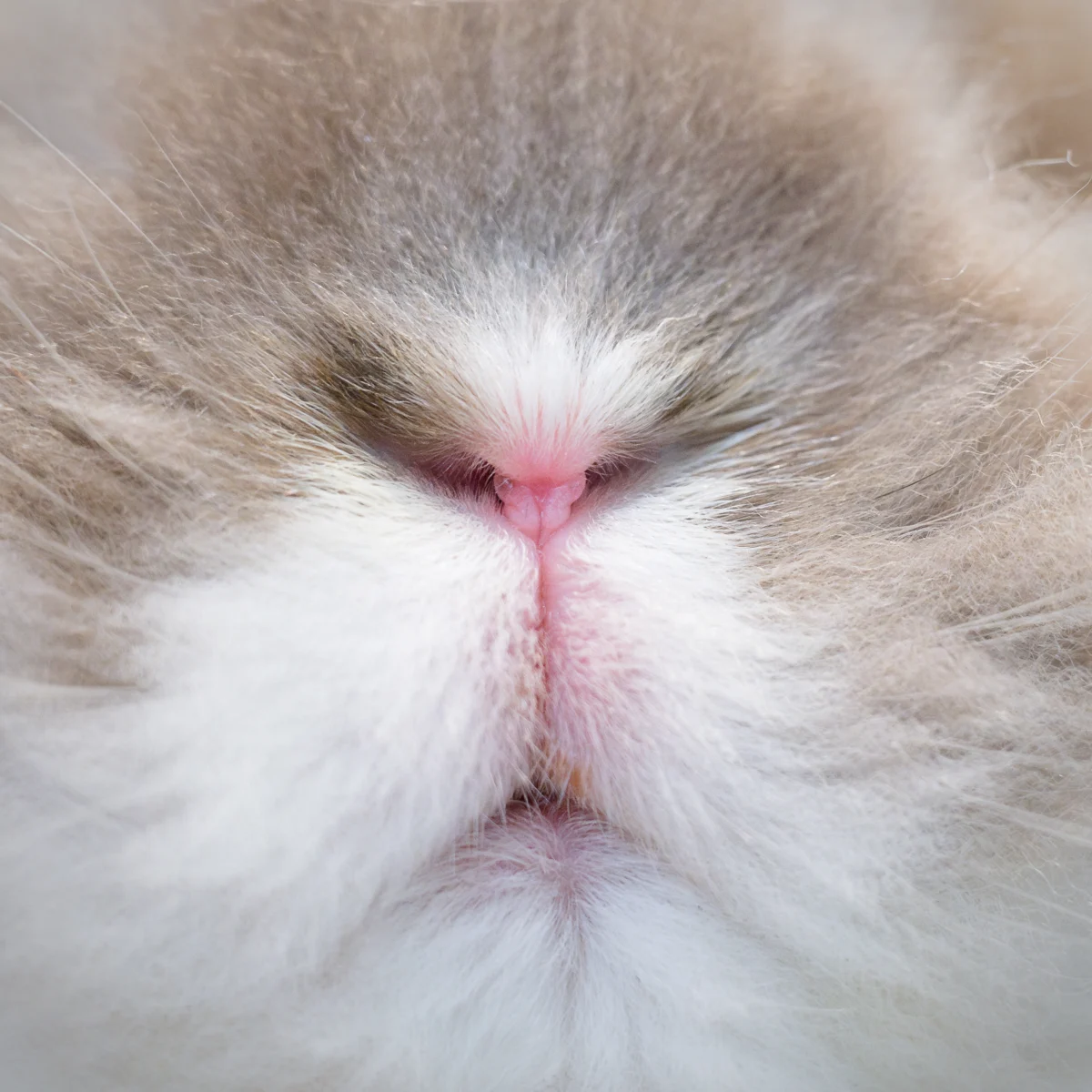
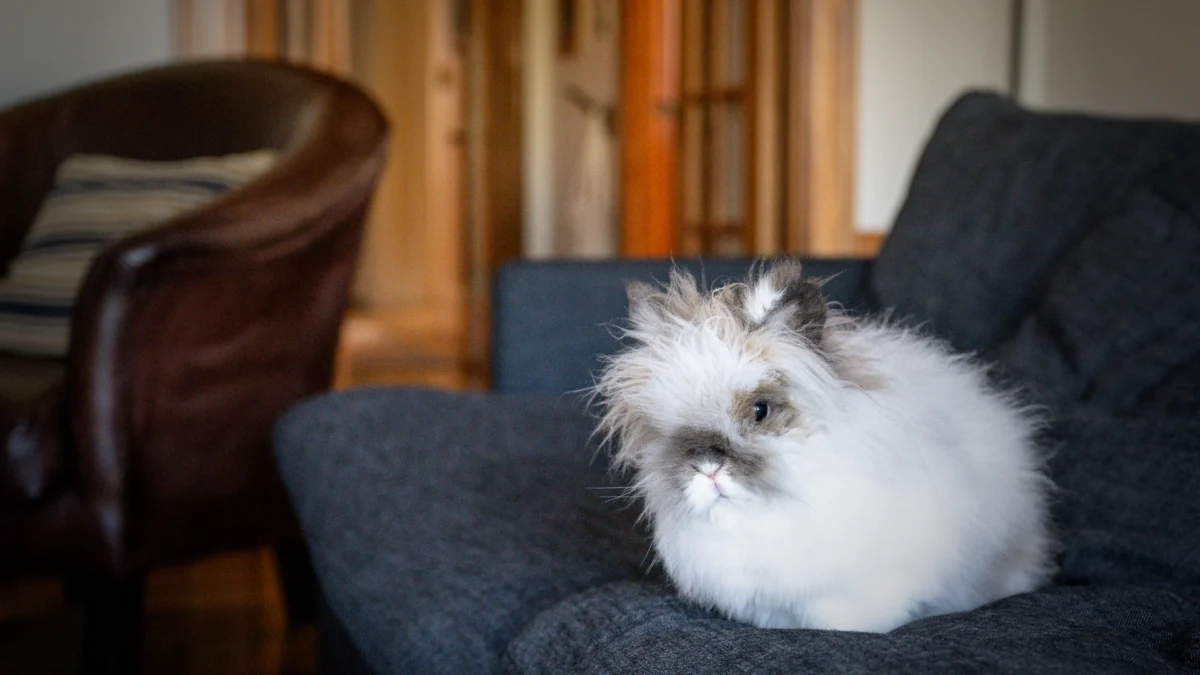
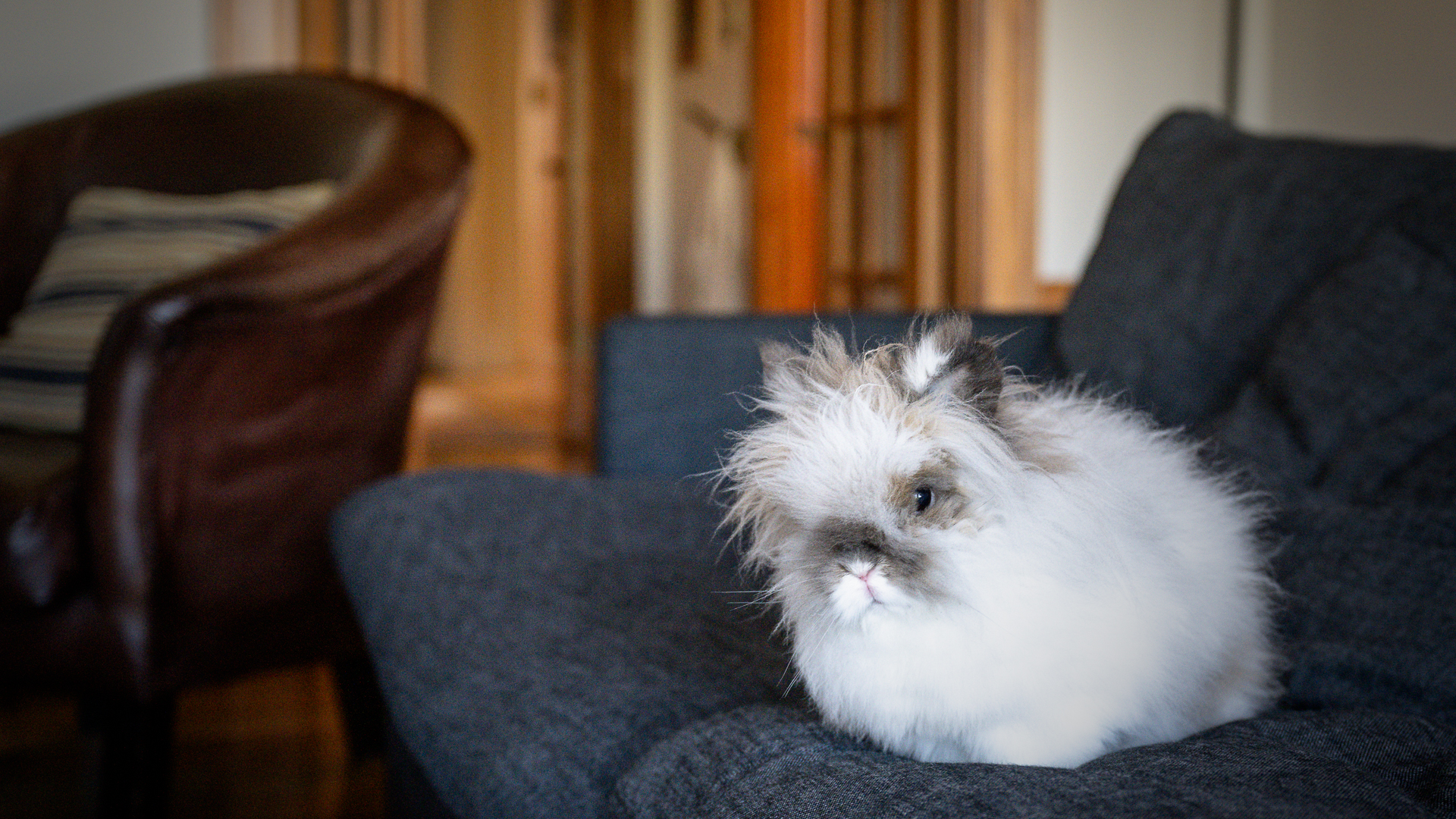
With their soft halos of fur framing their faces like tiny royal crowns, Lionhead rabbits are among the most visually striking small mammals in the pet world. Their miniature size, inquisitive eyes, and distinct facial manes make them look straight out of a storybook. However, this undeniable charm has sparked a concerning trend: thousands of impulse purchases every year, followed by mass surrenders to animal shelters and rescue organizations.
The core issue lies in a fundamental disconnect between public perception and biological reality. While the Lionhead’s woolly coat is its defining feature, maintaining that fur is a rigorous, time-intensive responsibility. The long hair around their heads, flanks, and backs is highly prone to tangling, matting, and trapping moisture. When left unchecked, these mats pull painfully against the rabbit’s delicate skin, restrict movement, and hide underlying health issues such as skin infections, sores, and flystrike—a potentially fatal condition where flies lay eggs in soiled fur.
Animal welfare advocates emphasize that what starts as a whimsical impulse buy frequently ends in tragedy for the animal. Neglected Lionheads end up in rescue systems matted, frightened, malnourished, and requiring intensive medical intervention. The phenomenon underscores a broader systemic crisis: commercial pet retail practices that prioritize quick sales over consumer education, leaving rescue organizations to shoulder the burden of the fallout.
Chronology: From Commercial Breeding Mills to Shelter Intake
Understanding how a Lionhead rabbit transitions from a commercial pet store display to a rescue foster home reveals a predictable, tragic cycle of impulse and abandonment.
Phase 1: The Commercial Supply Chain
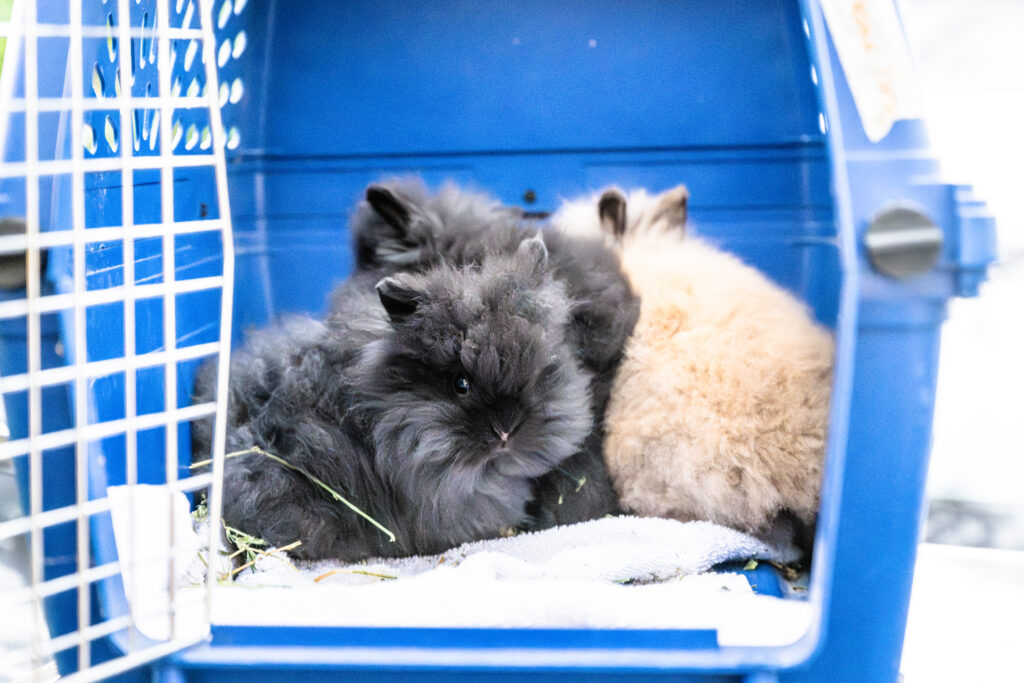
The journey typically begins at commercial breeding facilities or large-scale breeding operations. Here, Lionheads—alongside other long-haired breeds like Angoras, Jersey Woollies, and Fuzzy Lops—are produced rapidly to meet consumer demand driven by social media trends and pet store displays. Many kits (baby rabbits) are separated from their mothers and sold before they are fully weaned, often under-aged and unspayed or neutered.
Phase 2: The Point of Sale
Retailers such as Petland, Tractor Supply, and various independent pet shops market these rabbits as "low-maintenance, cute starter pets" ideal for children or apartment dwellers. Sales staff frequently downplay the complex dietary, environmental, and grooming requirements of the breed. Buyers are rarely warned that the rabbit’s mane will undergo hormonal changes during adolescence, often resulting in sudden, dense matting that requires specialized tools and daily intervention.
Phase 3: The Honeymoon Period and Onset of Neglect
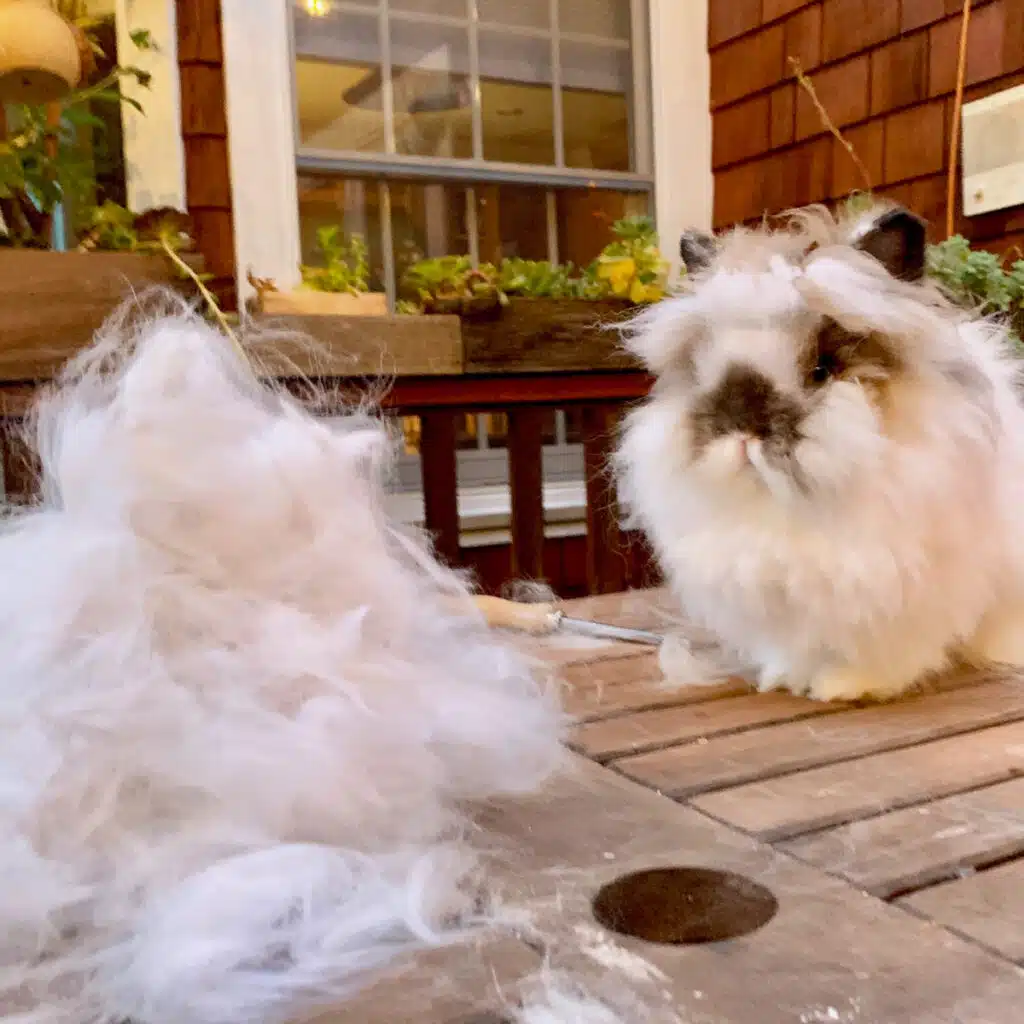
For the first few weeks, the novelty of the "fluffy bunny" remains high. However, as the rabbit matures past the age of six months, its coat changes, and daily brushing becomes mandatory. Busy owners quickly realize they lack the time, patience, or correct equipment to maintain the rabbit’s fur. Mats begin to form secretly beneath the top layer of hair, pulling tightly on the skin.
Phase 4: Surrender and Rescue Intake
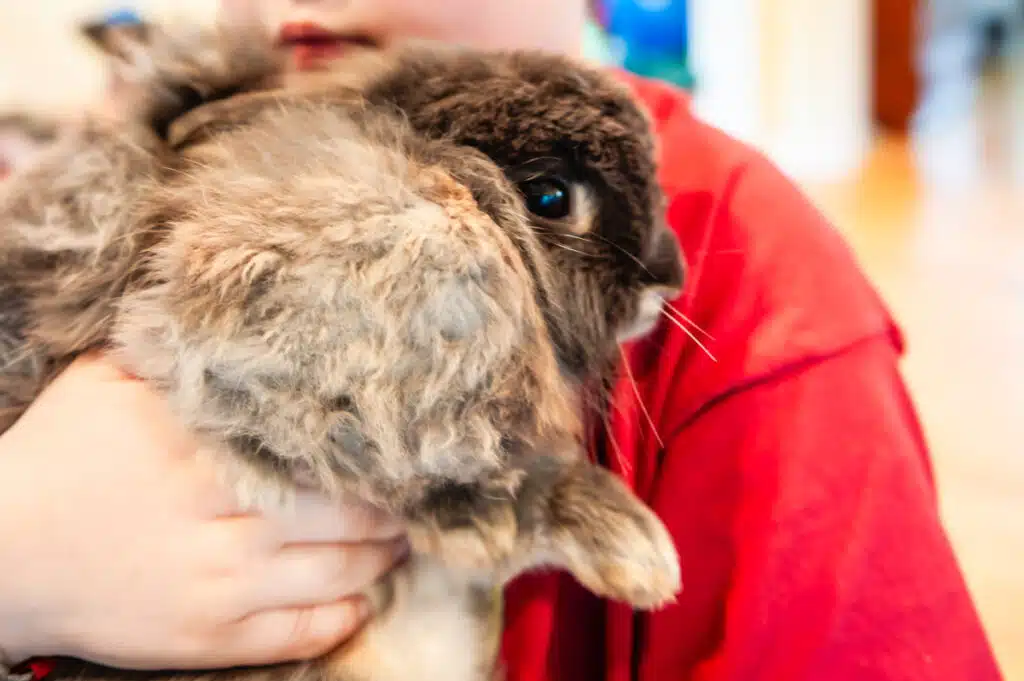
Overwhelmed by the animal’s declining physical condition, behavioral changes resulting from untreated pain, or unexpected veterinary bills, owners surrender the rabbits to shelters. Intake coordinators frequently receive Lionheads in critical states: caked in waste, severely matted to the skin, and suffering from gastrointestinal stasis brought on by stress and improper diet.
Phase 5: Rehabilitation and Adoption
Upon entering rescue networks, these rabbits undergo extensive veterinary evaluations. Many require professional clipping—often requiring sedation to safely remove rock-hard mats without slicing the paper-thin skin underneath—followed by weeks of foster care to restore their physical health and rebuild trust in humans. Only after being spayed or neutered and rehabilitated are they made available for responsible adoption.
Supporting Data: The Scale of the Crisis
Statistical tracking from rabbit rescue groups nationwide highlights the disproportionate representation of long-haired breeds in shelter systems:
- Surrender Rates: Rescues report that long-haired breeds, including Lionheads, account for nearly 35% of all owner-surrendered rabbits, despite representing a smaller fraction of the total pet rabbit population.
- Grooming Time Investment: A healthy Lionhead requires a minimum of 15 to 30 minutes of targeted brushing daily, scaling up to an hour during seasonal coat "blows" (heavy shedding periods). Neglect for as little as 72 hours during a shed can result in irreversible matting.
- Veterinary Impact: Emergency treatments for flystrike, skin lacerations caused by amateur clipping attempts, and gastrointestinal blockages from ingested matted fur cost rescues thousands of dollars annually. Routine veterinary bills for dental checks, spay/neuter surgeries, and parasite prevention add to the financial strain.
- Commercial Volume: Major pet retail chains continue to move thousands of small mammals annually. For instance, ongoing campaigns against stores like Petland highlight that continuous retail sales of rabbits directly feed the overpopulation crisis, keeping municipal and private shelters operating at maximum capacity.
Official Responses and Stakeholder Perspectives
The ongoing crisis involving Lionhead rabbits has drawn sharp criticism and active advocacy from animal welfare organizations, veterinarians, and rescue directors across North America.
Animal Welfare Organizations and Rescue Networks
The House Rabbit Society and affiliated rescue groups have taken a firm stance against the commercial sale of rabbits. Leaders argue that pet stores lack the infrastructure to properly sex rabbits, verify their health, or educate buyers on complex care.
"When people purchase a Lionhead because of how it looks on Instagram, they are buying an aesthetic rather than committing to a sentient, high-care animal," notes Paige K Parsons, a noted rabbit rescue advocate and foster home provider. "When the reality of daily coat maintenance and behavioral nuances sets in, the animal pays the price through abandonment."
Rescues are aggressively pushing educational initiatives, urging the public to utilize resources such as the Rabbit Grooming and Coat Care Guide and Clipping Long-Haired Rabbits tutorials before bringing any animal home.
Retailers and Commercial Breeders
In contrast to the rescue community, commercial pet supply companies and large-scale agricultural retailers defend the sale of small animals, framing them as educational pets that teach children responsibility. Retail representatives maintain that their corporate policies comply with local animal care regulations and that improper care stems from individual owner failure rather than point-of-sale negligence.
Activism and Legislative Action
Grassroots campaigns are actively challenging corporate policies. Initiatives such as the "Stop Petland Rabbit Sales" campaign and accompanying Change.org petitions have mobilized tens of thousands of consumers. Activists are demanding that corporate retailers halt the sale of rabbits entirely—following the successful precedent set by companies that phased out the sale of dogs and cats from commercial breeding mills—and pivot toward partnering with local shelters to promote rescue adoption instead.
Implications: Moving Toward Ethical Ownership and Humane Reform
The plight of the Lionhead rabbit serves as a microcosm for broader issues within the exotic pet trade. The implications of this crisis extend across animal welfare, veterinary medicine, and consumer ethics.
1. The Necessity of Pre-Purchase Education
The primary takeaway for prospective pet owners is that aesthetic appeal should never dictate animal acquisition. Understanding the biological requirements of a species—such as the complex grooming needs of a Lionhead—prevents trauma for the animal and heartbreak for the human. Ethical pet ownership demands research into diet, housing, veterinary costs, and daily maintenance before bringing an animal home.
2. Redefining Companion Animal Retail
The sustained advocacy against commercial rabbit sales signals a cultural shift away from impulse-driven pet retail. As public awareness grows regarding the origins of commercial small mammals, consumers are increasingly turning to dedicated rescue organizations, foster networks, and humane societies. Adopting through a rescue ensures that the animal is spayed or neutered, health-screened, and matched with an owner whose lifestyle aligns with the pet’s specific needs.
3. Elevating Standards of Care for Long-Haired Breeds
For those who do share their homes with Lionheads, Jersey Woollies, or Angoras, the implications are clear: proactive maintenance is non-negotiable. Embracing routine brushing schedules, investing in the correct grooming tools (such as fine-toothed combs and specialized slicker brushes), and knowing when to seek professional grooming assistance can prevent catastrophic health emergencies.
4. A Thriving Indoor Companion When Given Proper Care
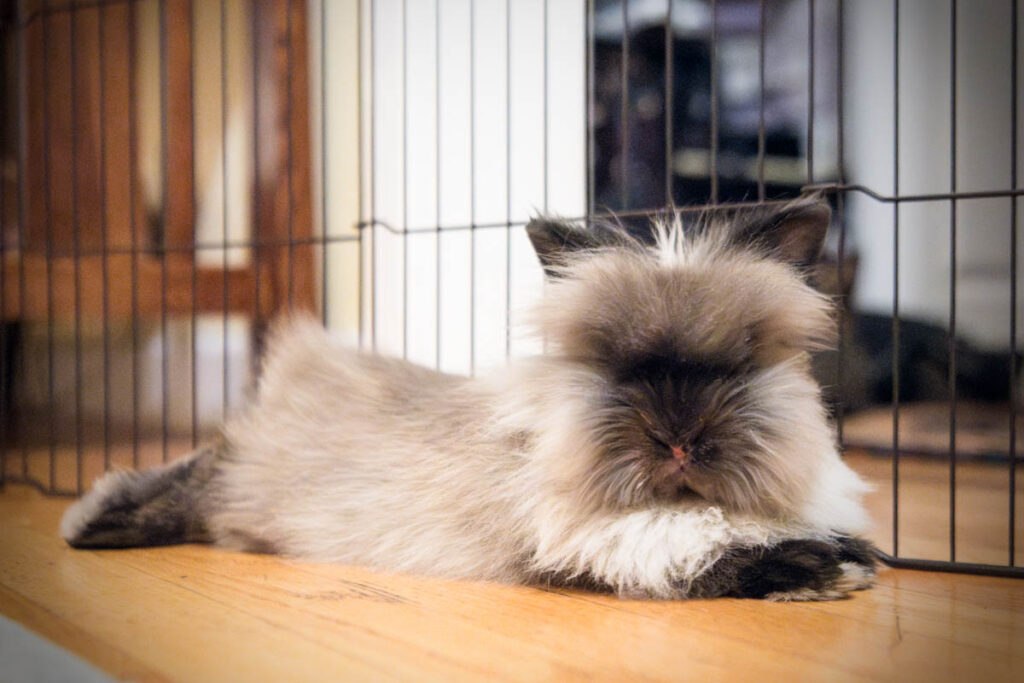
Beyond the grooming challenges, the narrative surrounding Lionheads concludes on a positive note for prepared owners. Once integrated into a stable, indoor home environment—with a spacious pen for exercise, unlimited grass hay, fresh greens, and consistent, gentle human interaction—Lionheads prove to be remarkably affectionate, curious, and charismatic companions.
Ultimately, the story of the Lionhead rabbit is one of balance. When managed with education, commitment, and compassion, the breathtaking mane of the Lionhead remains a joy rather than a burden, transforming these rescued storybook creatures into beloved, long-term family members.