
By Paige K Parsons
Published by Rabbit.org
Main Facts: The Realities of Encountering and Raising Baby Rabbits
The phrase "baby bunny" often evokes images of fragile, endearing creatures needing immediate human affection and protection. However, beneath the undeniable cuteness lies a complex web of wildlife biology, specialized domestic care requirements, and significant ethical responsibilities. Whether an individual stumbles upon a tiny nest in a suburban backyard or prepares to welcome a young domestic rabbit into a household, navigating the care of a baby rabbit—scientifically known as a kit or kitten—demands a delicate blend of restraint, expert knowledge, and precision.
One of the most critical foundational rules in rabbit conservation and rescue is that wild baby rabbits are rarely abandoned, despite how vulnerable they may look. Conversely, domestic baby rabbits require structured indoor environments, meticulously managed nutrition, and exceptionally gentle handling to thrive. Misunderstanding the difference between wild cottontails and domestic rabbits frequently leads to well-intentioned "kidnapping" of healthy wildlife, putting undue stress on the animals and overwhelming local wildlife rehabilitators.
For those looking to bring a young domestic rabbit into their lives, experts overwhelmingly advise turning to reputable rescue organizations and shelters rather than commercial pet stores or online breeders. Adopting from rescue groups not only ensures that the kits have received proper veterinary evaluations, socialization, and appropriate weaning time, but it also combats the broader issues of pet overbreeding and abandonment.

Chronology: Understanding the Developmental Stages of a Rabbit Kit
Rabbits undergo rapid physical transformations during their earliest weeks of life. Understanding this timeline is essential whether you are monitoring a wild nest or managing a domestic litter.
Birth to Week One: The Blind and Hairless Stage
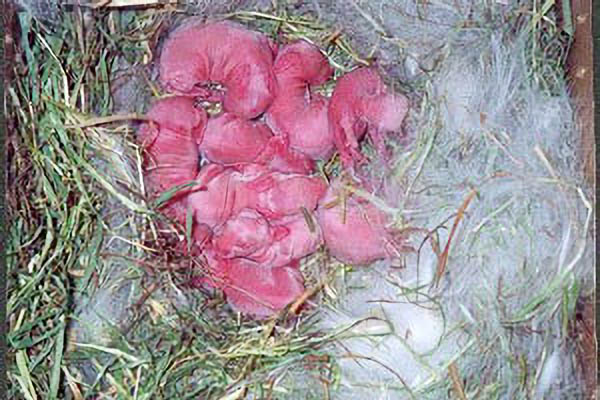
At birth, baby rabbits are entirely defenseless. They are born blind, deaf, and completely hairless, relying exclusively on their mother’s body heat and nutrient-dense milk to survive. Mother rabbits (does) visit their nests only once or twice a day—typically at dawn and dusk—to nurse quickly and clean the nest, an evolutionary survival tactic designed to avoid attracting predators to the area.
Weeks Two to Three: Opening Eyes and Exploring
Around day ten to twelve, a kit’s eyes open, and a soft coat of fur develops. During this phase, domestic kits begin to timidly explore the immediate perimeter of their nest, testing their coordination and interacting with their littermates. Wild cottontails at this stage are still primarily hidden within their shallow, fur-lined earth nests.
Weeks Four to Six: Weaning and Solid Foods
By the fourth week, baby rabbits become increasingly adventurous. They begin to experiment with solid foods, nibbling on soft hays and tiny portions of greens alongside their mother’s milk. Their digestive tracts begin the delicate process of adapting to fibrous plant matter, a transition that requires absolute stability to prevent fatal GI stasis or enteritis.

Weeks Eight and Beyond: Independence and Socialization
By week eight, kits are fully weaned and capable of processing adult rabbit diets consisting primarily of unlimited grass hay, specialized pellets, and fresh greens. At this juncture, domestic rabbits are ready to establish independent lives, though they still require gentle handling, positive socialization, and ongoing observation to ensure smooth behavioral and physiological development.
Supporting Data and Biological Insights: Why Proper Care Matters
The physiological makeup of a rabbit is vastly different from that of common household pets like cats or dogs. These differences dictate everything from their dietary needs to their vulnerability to stress.
- The Digestive Imperative: A rabbit’s gastrointestinal tract relies heavily on a constant stream of high-fiber forage to maintain gut motility. Separating a kit from its mother before eight weeks deprives it of vital maternal antibodies and beneficial gut flora, frequently leading to chronic digestive failures and a high mortality rate.
- Predator Avoidance vs. Human Intervention: Studies by wildlife departments consistently rank baby rabbits among the most frequently "kidnapped" wild animals. Because mother cottontails spend the vast majority of the day away from the nest to deter foxes, domestic cats, and birds of prey, well-meaning humans often assume a nest is abandoned when the mother is simply foraging nearby.
- The Spay/Neuter Timeline: Hormonal shifts in young domestic rabbits begin to manifest between three and six months of age. Veterinary science emphasizes early evaluation for spaying and neutering as soon as kits reach the appropriate weight and age requirements, which prevents reproductive cancers, reduces territorial aggression, and solidifies good litter box habits.
Official Guidelines and Expert Responses: When to Intervene and How to Act
Wildlife rehabilitators and rabbit-savvy veterinarians emphasize strict protocols when interacting with baby rabbits.
Assessing a Wild Rabbit Nest
If you discover a wild rabbit nest in your yard, the primary directive from conservation authorities is simple: leave it alone unless clear signs of danger or injury are present.

To check if the mother is actively caring for the nest without disturbing the kits, experts recommend the "string test." Lay two pieces of yarn or twine in a criss-cross pattern over the nest at dusk. If the string has been moved by the following morning, the mother has returned to nurse her young.
When Professional Intervention is Required
You should only step in and contact a licensed wildlife rehabilitator or rabbit-savvy veterinarian if:
- The mother is known to be dead, or the nest has been directly destroyed by lawnmowers, dogs, or cats.
- The baby rabbits are cold, crying incessantly, crawling aimlessly away from the nest, or appear emaciated (wrinkled skin, sunken bellies).
- There are visible wounds, flystrike (flies laying eggs on the fur), or blood on the kits.
Note: Children should never attempt to bottle-feed baby rabbits. The risk of fluid aspiration into the lungs is exceptionally high, and artificial feeding formulas must be precisely managed by trained professionals.
Implications: Making Compassionate and Sustainable Choices for Rabbits
The decisions made by humans regarding baby rabbits carry long-term implications for animal welfare, local ecosystems, and community education.
The Pitfalls of Commercial Breeding
Purchasing baby rabbits from pet stores or unverified online breeders often contributes to cycles of impulse buying and subsequent abandonment. Many owners realize too late that rabbits are complex, long-lived exotic pets requiring specialized diets, veterinary care, and housing. Consequently, animal shelters across the country experience a surge in surrendered rabbits every year following holidays like Easter.
The Value of Rescue Adoption
Choosing to adopt through established rabbit rescue groups mitigates this crisis. Rescues routinely take in pregnant stray or surrendered rabbits, raising the resulting litters in foster homes where they receive professional veterinary oversight, proper socialization, and eventual spaying or neutering. Adopters gain a healthy, well-adjusted companion while supporting organizations dedicated to public education and rescue mitigation.
Preparing Your Home: Starter Supplies Checklist
For those welcoming a young domestic rabbit into their lives after careful consideration and rescue consultation, establishing a safe environment requires specific foundational supplies:
- Unlimited Grass Hay: Timothya or orchard grass is essential for digestive health and dental wear.
- A Secure Enclosure: A puppy pen or designated rabbit-proofed exercise area that protects the kit from chewing electrical cords or household hazards.
- Litter Box and Safe Litter: Paper-based, non-clumping litter paired with fresh hay to encourage natural litter box habits.
- Heavy Ceramic Food and Water Bowls: Lightweight bowls are easily tipped over by energetic young kits.
- Safe Chew Toys: Untreated willow balls, seagrass mats, and cardboard tunnels to satisfy natural chewing instincts.
By approaching the care of baby bunnies with patience, education, and respect for their biological needs, humans can ensure these sensitive animals grow into healthy, thriving adult companions or successfully return to their rightful place in the wild.