

By Paige K Parsons
Published by Rabbit.org
The phrase “baby bunny” instantly evokes images of soft fur, twitching noses, and boundless cuteness. However, beneath the endearing exterior lies a serious, long-term responsibility. Whether you have unexpectedly stumbled upon a tiny wild rabbit in your backyard or are preparing to welcome a young domestic rabbit into your family, knowing how to respond is critical. Proper care requires a delicate balance of patience, wildlife awareness, and specialized domestic animal husbandry.
Main Facts: Understanding the Nature of Baby Rabbits
To properly care for a baby rabbit—scientifically known as a kit or kitten—one must first understand the fundamental differences between wild and domestic species. While wild cottontails and domestic rabbits share similar developmental timelines, their ecological needs and behavioral requirements are vastly different.
A golden rule in animal rescue is that wild baby rabbits are rarely abandoned. Well-meaning humans frequently "kidnap" wild kits after finding them alone in shallow backyard nests. In reality, mother cottontails are notoriously elusive; to protect their litter from predators, they visit their nests only twice a day—typically at dawn and dusk—to nurse quickly before slipping away.
Conversely, domestic baby rabbits require structured indoor environments, meticulously managed nutrition, and gentle human socialization from an early age. Separating domestic kits from their mothers prematurely can lead to devastating developmental and digestive complications. Ideally, young rabbits should remain with their mothers for a minimum of eight weeks to ensure proper weaning, the establishment of healthy gut flora, and the transfer of vital maternal immunities.

Chronology: The Developmental Stages of a Kit
Understanding a baby rabbit’s life cycle helps caregivers monitor their health, anticipate nutritional shifts, and provide appropriate socialization.
Days 1 to 7: The Newborn Stage
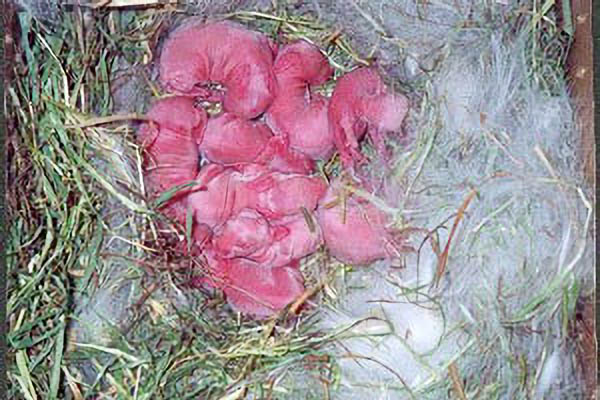
At birth, kits are hairless, blind, and entirely dependent on maternal care. Their skin is translucent, and their ears and eyes remain tightly sealed. During this stage, maternal milk provides essential antibodies. Caregivers of orphaned domestic kits must strictly adhere to professional hand-rearing protocols, as improper feeding techniques carry a severe risk of fatal fluid aspiration.
Days 8 to 14: Opening Eyes and Developing Fur
Around the end of the first week or early in the second, a soft layer of fur begins to emerge, and the kits’ eyes finally open. Their mobility increases as they start exploring the immediate confines of the nest.
Weeks 3 to 4: Solid Foods and Exploration
At roughly three weeks of age, baby bunnies begin venturing outside the nest and showing an active interest in solid foods. While milk remains a primary nutritional component, they will begin nibbling on high-fiber grass hays and soft greens. This transition period is critical for jumpstarting their complex digestive systems.
Weeks 5 to 8: Weaning and Independence
During this phase, mother rabbits gradually phase out nursing. Kits become fully weaned onto solid foods, transitioning permanently to a diet centered on unlimited grass hay, specialized pellets, and carefully introduced vegetables.

Weeks 9 and Beyond: Juvenile Phase and Socialization
By week nine, juvenile rabbits are fully independent and ready for integration into a permanent home environment. This is also the window where behavioral socialization, litter-box training, and preparations for future spay or neuter surgeries become paramount.
Supporting Data and Intervention Guidelines
Deciding whether a baby rabbit requires human intervention is a high-stakes decision. Misinterpreting a wild rabbit’s situation can do more harm than good.
When to Leave a Wild Rabbit Alone
If you discover a wild baby rabbit outdoors, observe it from a distance before taking action. The nest is typically a shallow depression in the ground lined with dried grass and fur. If the baby is warm, quiet, uninjured, and resting in its nest, leave it completely alone. Secure household pets, keep children away from the area, and monitor the site for 24 hours. You can place two crisscrossed twigs over the nest; if the twigs are disturbed the next day, it is a sign that the mother has returned to feed her young.
When to Intervene Immediately
Human intervention is strictly required under specific, high-risk circumstances:
- Obvious Injury: The kit exhibits bleeding, broken bones, or open wounds.
- Predator Contact: The baby is known to have been caught by a cat, dog, or wild predator (even without visible wounds, cat saliva introduces fatal bacteria that require immediate antibiotic intervention).
- Deceased Mother: The mother is confirmed dead directly adjacent to or inside the nest.
- Distress Signals: The kits are cold, lethargic, crying continuously, or crawling aimlessly out of the nest during daylight hours.
If any of these conditions apply, consult a wild orphan rabbit guide immediately. Contact a licensed wildlife rehabilitator or a rabbit-savvy veterinarian without delay, describe the exact conditions, and follow their professional directives.

Official Recommendations and Rescue Protocols
When seeking to bring a domestic baby rabbit into your household, industry experts strongly advise against purchasing from pet stores or online breeders. Adopting through reputable rescue organizations and animal shelters remains the gold standard of ethical pet ownership.
The Value of Rescue Organizations
Many specialized rabbit rescues routinely take in pregnant females surrendered by owners or rescued from severe neglect and hoarding situations. When kits are born within a rescue environment, they benefit from expert supervision, comprehensive veterinary oversight, and early socialization.
Furthermore, adopting through rescue groups actively combats the broader crisis of rabbit overbreeding. Rescued rabbits are evaluated for health issues, vaccinated where appropriate, and scheduled for spaying or neutering as soon as they reach the proper developmental milestone.
Health Red Flags: When to Seek Urgent Veterinary Care
Baby rabbits are fragile creatures whose health can decline rapidly. Caregivers must monitor for critical red flags that demand immediate veterinary attention:
- GI Stasis or Anorexia: Refusing food or water for more than a few hours.
- Digestive Distress: Severe diarrhea or noticeable straining to eliminate waste.
- Respiratory Issues: Sneezing, nasal discharge, or labored, noisy breathing.
- Lethargy: Extreme sluggishness, cold body temperature, or an inability to right itself when placed on its side.
Implications: Preparing Your Home for a Young Rabbit
Integrating a baby rabbit into a home requires preparation, proper equipment, and a commitment to lifelong care.
Starter Supplies Checklist
Before bringing a young rabbit home, ensure your household is equipped with essential supplies:
- Unlimited Grass Hay: Timothy or orchard grass hay must make up the vast majority of the diet to support delicate gut motility.
- High-Quality Pellets: Formulated specifically for young rabbits, provided in appropriate, veterinarian-recommended quantities.
- Secure Housing: A spacious, predator-proof indoor enclosure or exercise pen (x-pen) lined with safe, absorbent bedding.
- Heavy Ceramic Bowls: Sturdy food and water dishes that cannot be easily tipped over.
- Litter Box and Safe Litter: Paper-based, non-clumping litter to initiate proper bathroom habits.
- Chew Toys: Untreated wood, seagrass mats, and cardboard boxes to satisfy natural chewing instincts and protect household furniture.
Behavior, Litter Training, and Spay/Neuter Timing
Young domestic rabbits are naturally clean animals and can be successfully litter-trained using a low-profile box filled with safe litter and fresh hay. However, full behavioral reliability—including territorial marking behaviors—will not stabilize until the rabbit undergoes spay or neuter surgery.
Veterinarians typically perform spay and neuter procedures once rabbits reach maturity (usually between 4 to 6 months of age, depending on the breed and individual development). Altering your rabbit not only prevents unwanted litters and aggressive territorial behaviors, but it also dramatically reduces the risk of reproductive cancers and significantly extends the animal’s lifespan.
Frequently Asked Questions
How can I tell the difference between a wild and domestic baby rabbit?
Wild cottontails typically feature smaller, slender bodies with distinct coloration and white tail markings adapted for camouflage. Domestic rabbits exhibit a vastly wider array of sizes, fur lengths, colors, and ear types.
Can children attempt to bottle-feed an orphaned baby rabbit?
No. Hand-rearing orphaned kits carries an exceptionally high risk of fluid aspiration into the lungs, which is frequently fatal. Only trained adults following a strict, veterinarian-approved feeding protocol should attempt hand-rearing.

What kinds of fresh greens are safe for a young rabbit?
Fresh greens should only be introduced in tiny, single-variety amounts after the rabbit is fully weaned and its digestive system has stabilized. Consult a comprehensive baby bunny diet guide before introducing vegetables like dark leaf lettuce or cilantro.
Disclaimer: This guide offers general welfare-based advice and does not replace individualized veterinary care. Always consult a qualified rabbit-savvy veterinarian for specific medical diagnoses and treatment plans.