Positive reinforcement is the cornerstone of modern canine behavior science, yet its implementation is often plagued by a fundamental human misunderstanding. While the concept—rewarding desired behavior to increase its frequency—seems straightforward, behavioral experts warn that our natural human instincts often contradict the very science we aim to apply.
Dr. Patricia McConnell, a renowned applied animal behaviorist, highlights a critical issue in human-dog communication: the unintentional "poisoning" of training cues. By misinterpreting a dog’s physical feedback, owners often turn what they believe to be a reward into a form of punishment, inadvertently discouraging the very behaviors they seek to reinforce.
The Mechanics of Poisoned Cues
At its core, a "poisoned cue" occurs when a signal—a command or a name—becomes associated with an unpleasant experience rather than a positive outcome. This phenomenon is a subtle, yet pervasive, barrier in human-dog relationships.

The most frequent culprit? The misplaced head pat.
"Dogs aren’t as fond of receiving head pats as we are of giving them," notes Dr. McConnell in an upcoming revision of her seminal work, The Puppy Primer. In group training environments, it is common to observe owners calling their dogs to heel, only to immediately pat the top of the dog’s head upon arrival. While the owner perceives this as a reward, the dog’s body language often tells a different story. Dogs frequently duck their heads, turn away, or attempt to retreat—all indicators that the physical contact is perceived as invasive or aversive.
Defining "Aversive" Through Observation
In behavioral terms, if a consequence decreases the frequency of a behavior, it is categorized as punishment. When an owner calls their dog ("Come") and follows it with an uncomfortable physical interaction—such as a firm collar grab or a heavy-handed pat—the dog begins to associate the command with that discomfort. Over time, the recall becomes less reliable, not because the dog is stubborn, but because the cue has been "poisoned."

Improving Observational Literacy
To rectify these errors, owners must pivot from being "doers" to "observers." Understanding whether a reward is truly rewarding requires a deep reading of canine body language.
Key Indicators of Positive Reinforcement
- Engagement: The dog remains in close proximity, eyes locked on the handler with soft, relaxed features.
- The "Shoulder Wag": A full-body, loose, and rhythmic wag that starts from the shoulders, signaling genuine enthusiasm.
- Anticipatory Focus: The dog looks toward the expected reward (a toy or treat) with joy and intent, rather than looking for an exit strategy.
Signs of an Unintentional Aversive Experience
- Avoidance: The dog turns its head away, closes its mouth, or becomes physically stiff upon contact.
- The "Duck": Lowering the head or body when a hand approaches, indicating a desire to avoid contact.
- The "Exit": Attempting to move away immediately after the interaction, a classic sign of relief that the interaction has ended.
A Chronology of Intentional Training
To help readers navigate this shift in perspective, experts suggest a structured approach to behavioral observation.
Phase 1: Identification. Spend the next 24 to 48 hours identifying specific moments where you believe you may have inadvertently poisoned a cue. This includes common daily tasks: calling the dog to come, asking for a "sit" before dinner, or performing husbandry tasks like nail trimming.

Phase 2: Data Collection. Keep a brief log. You do not need a complex system—simple jottings regarding what the dog did immediately following a command are sufficient. Did they look "gooey" and happy, or did they go stiff?
Phase 3: Refinement. Focus on one or two behaviors at a time. If you realize your dog dislikes head pats after a recall, swap the physical contact for a high-value treat or a quick game of tug. The goal is to ensure the dog feels as good about the reward as you feel about giving it.
The Broader Implications for Canine Welfare
The implications of "poisoned cues" extend far beyond basic obedience. When a dog’s name—arguably the most important cue in their lexicon—is associated with negative outcomes (like being dragged inside when they want to play or receiving a scolding), the dog learns to ignore the sound.

This creates a communication breakdown that can lead to frustration for both parties. For the human, it manifests as a "disobedient" dog. For the dog, it manifests as anxiety or confusion regarding the rules of the house. By refining our interaction techniques, we foster a more cooperative, trusting environment that strengthens the human-animal bond.
Upcoming Educational Opportunities
As part of her ongoing mission to bridge the gap between human intent and animal experience, Dr. McConnell has announced a series of speaking engagements and conferences for the latter half of 2026. These events serve as a forum for discussing these behavioral nuances in person.
Fall 2026 Schedule Highlights
- July 25, 2026: Minocqua (WI) Public Library. A public discussion on behavioral communication and the updated Puppy Primer.
- September 15, 2026: Bark Fest. A collaborative discussion with Zazie Todd and Kristi Benson, focusing on the latest advancements in companion animal psychology.
- September 17, 2026: Hildebrand Memorial Library (Boscobel, WI).
- September 24, 2026: Barnes & Noble (Madison, WI).
- October 7-10, 2026: CANIS Conference (Schaumburg, IL). This event will feature a "Story Circle" and a panel discussion on ethics and animal welfare.
- October 15-18, 2026: Wisconsin Book Festival, Madison, WI.
- November 14, 2026: Janesville-Beloit Kennel Club, Janesville, WI.
These sessions provide a platform for pet owners, professionals, and enthusiasts to "mind-meld" on the complexities of animal behavior. Attendees are encouraged to share their own observations and experiences, contributing to a community-wide effort to raise the standard of care for our canine companions.

Seasonal Reflections and Personal Updates
The pursuit of behavioral perfection is, of course, a lifelong journey that happens alongside the messiness of real life. Between writing projects and the rigorous process of updating The Puppy Primer, the focus remains on the daily realities of life on the farm.
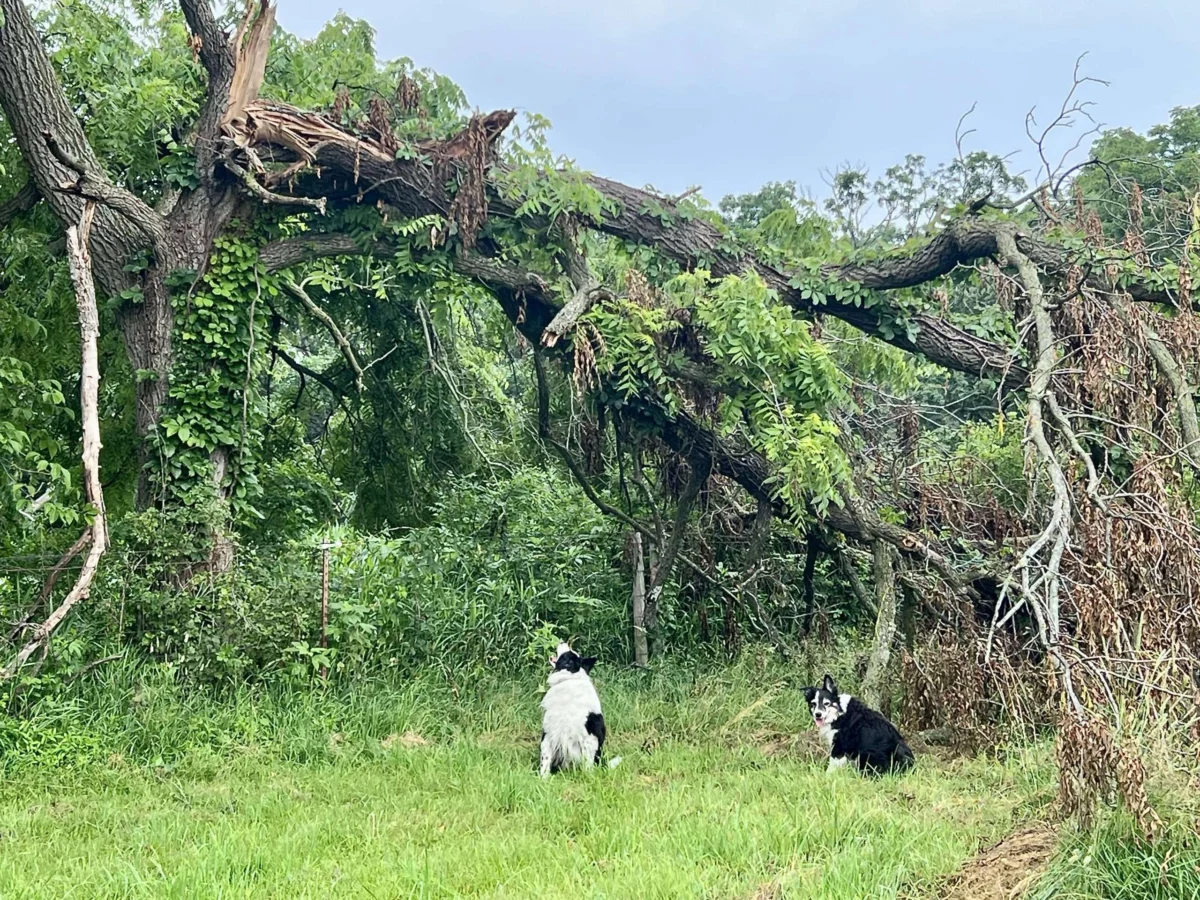
Recent challenges—including a severe storm that caused significant damage to the property—have provided their own lessons in resilience and professional collaboration. The work of authors and trainers is deeply influenced by the people they surround themselves with, from technical experts like CSI agents who assist in writing realistic narratives, to photographers who capture the candid, unvarnished moments of life with dogs.
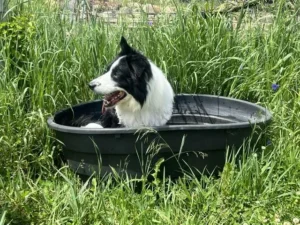
Even in the most well-managed homes, there are moments of imperfection. Whether it is a dog like "Miss Maggie," who remains stoically unimpressed by the concept of a photo shoot, or the ongoing struggle to ensure we know exactly where our dogs have left their "calling cards" in the yard, the relationship with our dogs is built on a series of small, honest moments.

Final Thoughts: The Path Forward
The challenge for the coming weeks is simple: observe more, assume less. By paying closer attention to how our dogs respond to our "rewards," we can strip away the unintentional punishments that clutter our communication.
As we move through the summer and into the fall, let these observations guide your training. Remember that your dog is constantly communicating with you—through their ears, their tail, and their willingness to engage. Your task is not to change their nature, but to align your behavior with theirs.
Whether you are attending a conference, reading the latest literature, or simply spending a quiet afternoon in the garden, take a moment to pause. Watch your dog. Ensure that when you call their name, it sounds like a promise of something wonderful, not a prelude to an annoyance. May your summer be filled with clarity, connection, and a deeper, more profound understanding of the animals that share our lives.