It has been an exceptionally intense and emotionally taxing week for those working within the animal welfare sector. Amidst the heavy headlines and the sobering realities of investigative work, there remains an essential human necessity to pause, breathe, and find beauty in the natural world. As we navigate the complexities of trauma—both in the animals we strive to protect and in our own lives—we must remember that finding joy in the simple, delicate details of a spring petal is not a luxury; it is a fundamental part of the healing process.
The Intersection of Art, Science, and Advocacy
This week’s reflections are framed by the lens of acclaimed cinematographer Andria Chamberlin, who recently spent time documenting the plight of laboratory beagles. Chamberlin, who drew deep inspiration from my memoir, The Education of Will, is currently working on a documentary that illuminates the stark reality of life for dogs confined to laboratory cages.
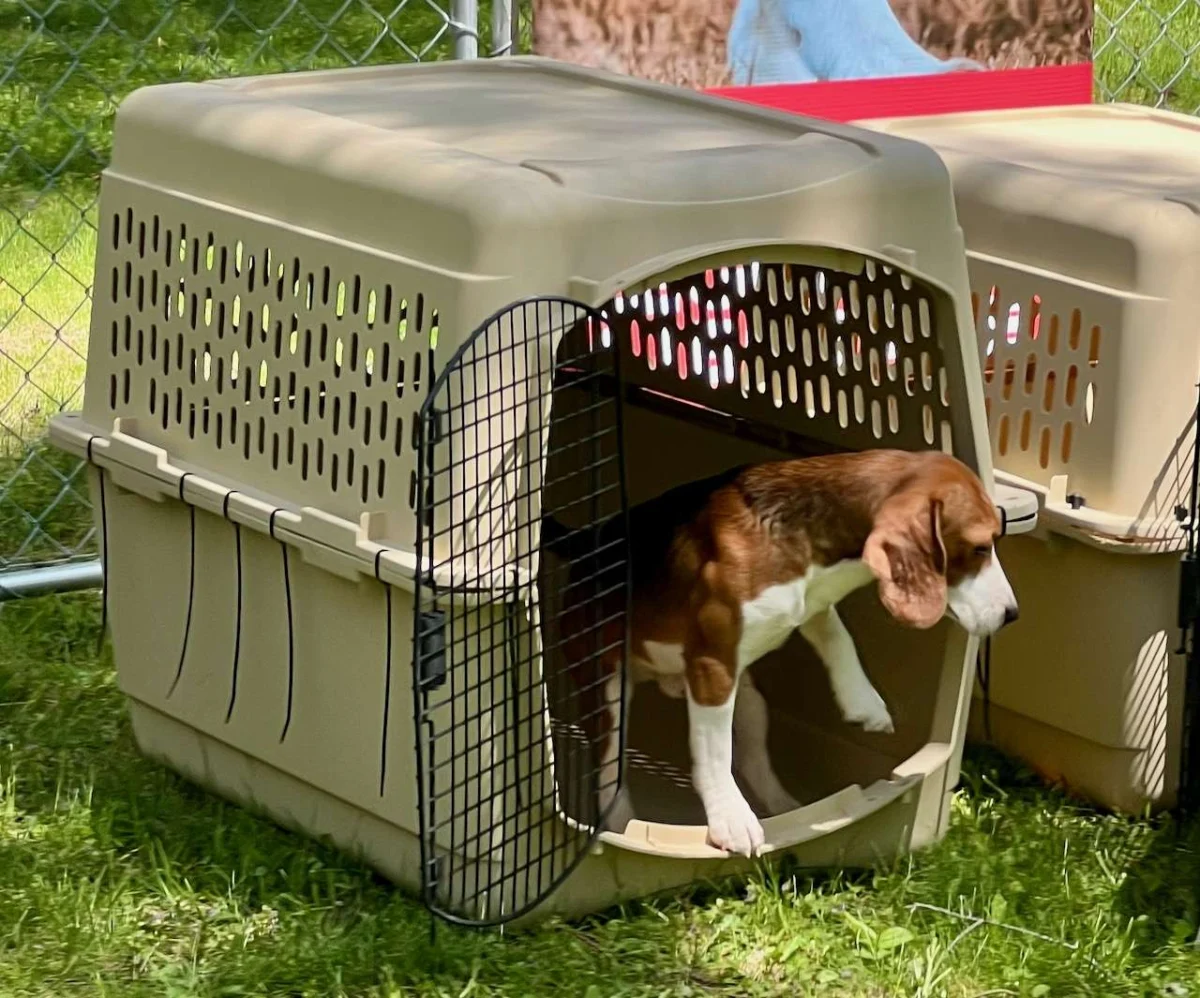
The project posits a profound, evidence-based connection: the principles of healing from severe trauma are remarkably similar between dogs and humans. By chronicling the transition of these beagles from sterile, wire-caged environments to the warmth and safety of a home, the documentary aims to demystify the psychological toll of confinement and the path toward rehabilitation. Chamberlin’s photography, featured throughout this piece, serves as a testament to the resilience of the canine spirit and the beauty of the natural environment that these dogs are only just beginning to experience for the first time.

A Chronology of Renewal: Nature’s Seasonal Awakening
As the landscape shifts into the vibrant colors of spring, the natural world offers a necessary counterweight to the darkness of the laboratory environment. In my own garden, the cycle of renewal is in full bloom:
- The Dance of the Columbine: Among the most resilient and delicate of our native flowers, the Columbine is currently "dancing in the sky," a reminder of grace under pressure.
- The Prairie Smoke: This unique native flora undergoes a fascinating metamorphosis. While its initial bloom is subtle, it later transitions into a wispy, "smoking" state as it goes to seed, offering a textural depth that is as complex as the natural systems it supports.
- The Hummingbird’s Arrival: The timing of nature is rarely coincidental. As our native honeysuckle prepares to bloom—perfectly evolved with a structural design meant for the long, slender tongue of the hummingbird—we have witnessed the simultaneous arrival of female hummingbirds, a synchronicity that underscores the vital interdependence of our ecosystem.
- The Oriole Migration: The surge in avian activity has been nothing short of cinematic. Much like the transition from black-and-white to Technicolor in classic film, the arrival of Baltimore and Orchard orioles has transformed our yard. The sheer volume of visitors has required a constant replenishment of nectar, a labor of love that highlights the vibrancy of a healthy habitat.
The Ridglan Crisis: A Triage of Compassion
While the garden offers peace, the front lines of animal rescue continue to demand our attention. Last week, the Dane County Humane Society (DCHS) undertook the massive, Herculean task of triaging approximately 500 beagles rescued from "Ridglan Farms."
The Background of the Controversy
Ridglan Farms, a facility historically known for supplying beagles to research laboratories, recently made headlines for losing its license. This closure followed a long-standing investigation into the facility’s practices. Rather than face potential criminal convictions for animal abuse, the facility ceased its operations as a supplier. This legal maneuvering, while ending the facility’s role in the supply chain, leaves behind a population of dogs that have known nothing but the confinement of a small, wire crate for their entire existence.

The Reality of Trauma
The process of bringing these dogs into the light has been a study in the long-term effects of sensory deprivation and confinement trauma. Observers at the DCHS noted the profound, visible confusion etched onto the faces of these animals. It is a look of total bewilderment—a creature suddenly thrust from a world of sterile, cold metal into a world of grass, sunlight, and human affection.
One particularly poignant case involved a beagle who required nearly 45 minutes to muster the courage to place a single paw on the grass. The animal would extend a limb, recoil, and repeat the motion—a repetitive, self-protective behavior typical of those suffering from severe institutionalization. When he finally succeeded, his inability to coordinate his back paws revealed the physical atrophy and neurological stagnation resulting from years of cage-bound life.
Supporting Data: The Science of Healing
The rehabilitation of these 500 dogs is not merely a matter of providing food and shelter; it is a clinical process of re-socialization. Animal behaviorists working with these dogs are focusing on "choice-based" rehabilitation. By allowing the dogs to navigate their environment at their own pace—whether it is stepping on grass for the first time or choosing to approach a human—we are effectively allowing them to reclaim their agency.

Recent studies into the oxytocin levels of dogs rescued from high-stress environments show that simple, non-threatening interaction with a calm human caregiver can cause a significant hormonal shift in the dog. This "surge of oxytocin" is the biological foundation of the human-animal bond. It is the bridge that allows a fearful, traumatized dog to begin the transition into a beloved family companion.
Official Responses and Ethical Implications
The situation at Ridglan Farms has ignited a national conversation regarding the ethics of using purpose-bred dogs for research. The American Veterinary Medical Association (AVMA) has monitored the legal developments, noting that the closure of such facilities often creates a vacuum that requires the immediate intervention of local humane societies and rescue organizations.
The ethical implications are stark:

- The Institutionalized Dog: We must acknowledge that "purpose-bred" is often a euphemism for "socially deprived." These animals are born into a system that prioritizes their availability for testing over their psychological development.
- The Burden on Local Shelters: The financial and emotional cost of rehabilitating these dogs falls heavily on local shelters like the Dane County Humane Society. The triage of 500 animals is not a localized incident; it is a systemic challenge that requires support from the broader public.
- The Need for Transparency: The avoidance of criminal convictions in exchange for license surrender remains a contentious point. Critics argue that such settlements allow entities to avoid accountability for systemic animal welfare violations.
Moving Forward: Resilience and Advocacy
As we prepare for a more in-depth look at the rehabilitation of these beagles—including video footage of their first encounters with the world—it is important to remain engaged.
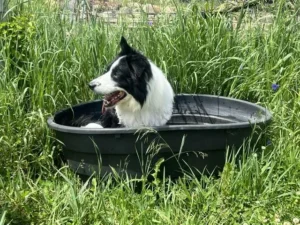
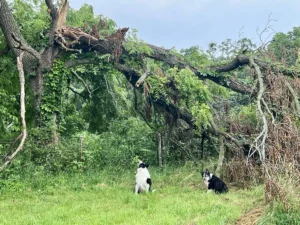
In our own homes, our companions continue to provide their own perspective on life. My own dogs, Skip and Maggie, offer a grounding, often humorous, counterpoint to the weight of this work. Skip, ever the worker, remains focused on the task at hand (sheep herding), while Maggie offers a wry commentary on the domestic environment (namely, the design flaws of our living room furniture).
In the coming weeks, we will delve into the complexities of canine ADHD, examine the ongoing, vital efforts of the Dane County Humane Society, and discuss why I am currently offering significant resources on behavior management.

How You Can Help
The transition from a laboratory cage to a living room is the most important journey these dogs will ever take. Support for organizations like the Dane County Humane Society—whether through donations, advocacy, or simply spreading the word—is the primary mechanism by which these dogs are given a second chance at life.
As you go about your week, I invite you to take a moment to notice the small, vibrant details of your own surroundings. Give your dog an extra, gentle pat or a kiss, and remember that for many of our four-legged friends, the simple safety of a human touch is the greatest gift of all. Resilience is a practice, one that we share with the creatures we hold dear, and one that we must nurture even in the face of the most difficult challenges.