In an era often defined by polarized discourse and the erosion of communal empathy, the concept of "kindness" has paradoxically faded into the background of modern behavioral literature. While experts in animal behavior and psychology have spent decades championing positive reinforcement and the importance of emotional intelligence, a curious omission remains: the explicit, foundational practice of kindness. As we navigate the complexities of our relationships—with our pets, our neighbors, and ourselves—re-evaluating the science and application of kindness may be the key to reclaiming our collective happiness.
The Missing Metric in Behavioral Science
For years, the behavioral sciences have focused on the mechanics of training and the psychology of emotional states. In seminal works such as For the Love of a Dog and The Other End of the Leash, the focus remained squarely on understanding canine communication, deciphering fear and desire, and maintaining the physical well-being of our animal companions. However, a recent self-reflective review of these texts, alongside works by contemporary luminaries like Jessica Pierce, Jennifer Holland, and Alexandra Horowitz, reveals a surprising gap.

Despite a shared commitment to positive reinforcement and an absolute rejection of harsh or punitive training methods, the term "kindness" is conspicuously absent from the indices of these influential books. This omission is not a result of malice, but perhaps of assumption. Kindness is often treated as an obvious, implied baseline—a "given" that requires no definition. Yet, as kindness as a societal value appears to be under increasing strain, the need to articulate its necessity has never been more urgent.
The Science of Altruism: Does Being Kind Make Us Happier?
The pursuit of happiness is perhaps the most universal human endeavor, and scientific literature confirms that kindness is not merely a moral imperative but a biological and psychological booster. A pivotal study by Rowland and Curry, titled “A range of kindness activities boost happiness,” provides empirical evidence for what many have long felt intuitively.

The study compared various acts of kindness—ranging from strengthening social ties to performing novel acts of self-kindness—against control groups. The results were consistent: engaging in acts of kindness for as little as seven days correlates directly with an increase in subjective happiness. Crucially, the study found a positive correlation between the frequency of kind acts and the resulting level of joy. Whether directed toward close friends, strangers, or oneself, the mechanism of kindness serves as a potent antidote to cynicism and emotional fatigue.
A Lesson from the Lunch Line: The Reciprocity of Empathy
The practical application of this science is best illustrated through lived experience. Consider the case of an individual facing a difficult day—burdened by challenging medical news—who chooses to pay for the lunches of a group of strangers in a local eatery. The intent was simple: to offer a brief moment of brightness to others as a way to heal oneself.

What ensued was a profound lesson in the "boomerang effect" of altruism. The initial act of paying for the lunches, meant to be anonymous, was revealed to the recipients. Rather than a simple acknowledgment, the recipients reciprocated with a heartfelt gesture—a bouquet of flowers purchased from a nearby shop. This exchange demonstrates the fundamental truth of human connection: kindness is not a finite resource that is depleted when given; it is a catalyst that frequently returns to the giver, often in unexpected and transformative ways.
The Dichotomy of the Farm: Nature’s Paradox
The practice of kindness is tested most severely when our personal interests clash with the realities of the natural world. On the farm, the environment can shift rapidly from a serene, Disney-esque landscape filled with Rose-breasted Grosbeaks and bluebirds to a scene of intense biological competition.

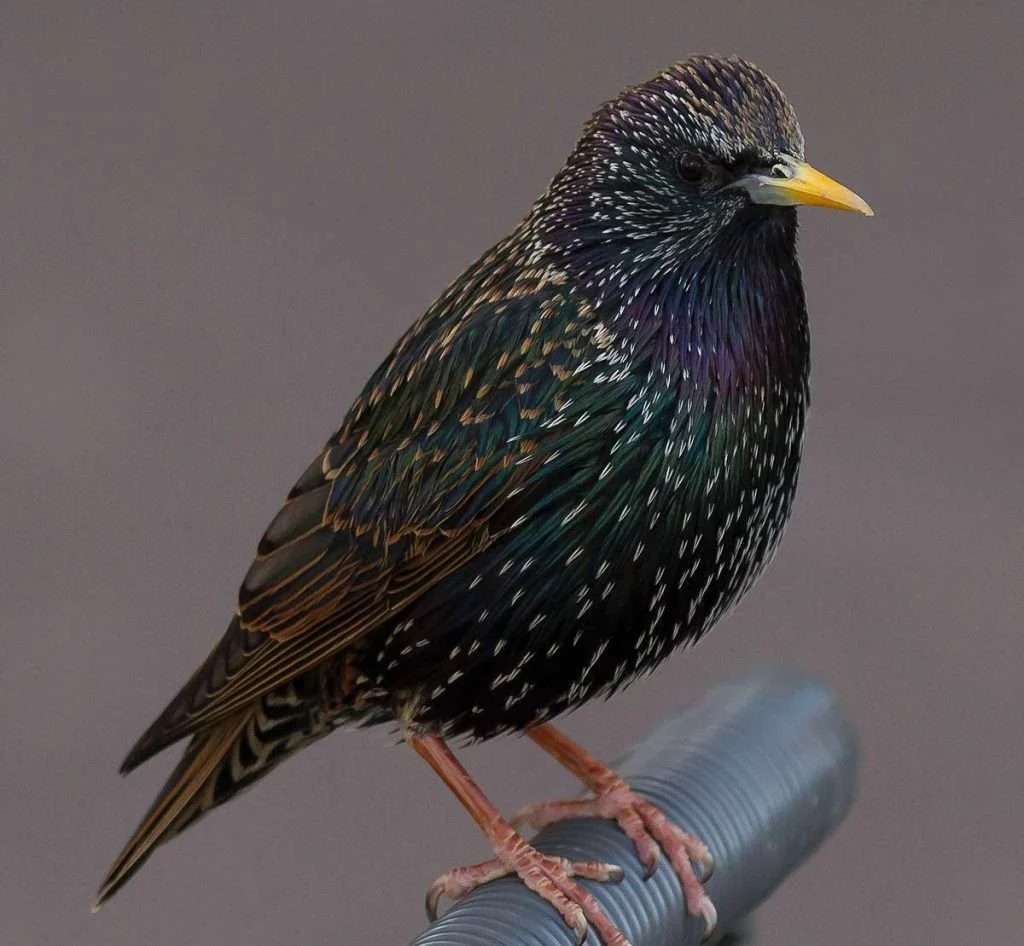
The arrival of invasive species, such as starlings, provides a sobering case study. These birds, often aggressive and disruptive, frequently displace native species and monopolize resources, posing a genuine challenge to the local ecosystem. Managing this, alongside the voracious appetite of woodchucks destroying vegetable gardens and the persistent efforts of chipmunks and squirrels, forces a shift in perspective.
As a zoologist, one understands that these animals are not acting out of malice; they are simply fulfilling their biological imperatives. Yet, the frustration is real. It serves as a reminder that "kindness" in a professional or environmental context is not about passive acceptance of every challenge. Rather, it is about finding humane, balanced ways to protect one’s interests while acknowledging that we, too, are inhabitants of a complex, interconnected web of life. The realization that our own ancestors were, in many ways, an invasive species in the natural world provides a necessary dose of humility.

Strategic Kindness: A Daily To-Do List
To cultivate happiness, one must treat kindness as a discipline rather than an afterthought. Integrating kindness into a daily routine involves several layers:
- Kindness to Self: This is often the most challenging, yet essential, component. Whether it is allowing space for rest or engaging in activities that bring personal joy, self-compassion is the foundation upon which all other kindness is built.
- Kindness to Pets: Recognizing the specific needs of animals—such as managing a dog’s comfort during heatwaves or providing enrichment—is an act of kindness that strengthens the bond between species.
- Kindness to Others: Small, unexpected gestures—whether for family, friends, or complete strangers—create a ripple effect of positivity that benefits the giver as much as the receiver.
Implications for the Future
The current state of our global environment and social fabric necessitates a return to the basics of human and animal welfare. We are currently witnessing the effects of climate change and displacement, such as the wildfires in Canada, which remind us that our sphere of responsibility is vast.

The implication is clear: we must move beyond the passive belief that we are "kind" and transition to active, intentional acts of kindness. This requires us to:
- Acknowledge the Gap: Recognize that even in professional fields dedicated to the well-being of animals, the explicit practice of kindness is often undervalued.
- Prioritize Empathy: Whether dealing with a neighbor, a pet, or an invasive species in the garden, we must strive for solutions that minimize suffering and maximize cooperation.
- Foster Reciprocity: Understand that when we act with kindness, we are not just helping others; we are actively constructing a more resilient, happier version of ourselves.
In conclusion, the quest for happiness remains as elusive as ever, yet the path forward is illuminated by the simple, consistent practice of kindness. As we navigate the "horror movie" moments of garden pests or the "Disney moments" of morning sunlight on the farm, we are reminded that we possess the agency to choose our response. By choosing kindness—to our animals, our environment, and our fellow humans—we do more than just survive; we flourish.